

2013 Cadillac ATS 3.6L 6L45 Transmission: Problems, Identification, and Used Replacement
Identify the MYA 6L45 transmission, understand common failures like TCC shudder, and learn when to swap in a used OEM assembly.
- A replacement 6L45 transmission must be programmed to your car's VIN and undergo a 'Service Fast Learn' procedure with a GM-specific scan tool to prevent immediate damage.
- The most common failure, TCC shudder, can often be fixed or prevented by a complete fluid flush using the updated Mobil 1 Synthetic LV ATF HP fluid as specified in TSB 18-NA-355.
- Before purchasing, you must verify fitment using the VIN (8th digit 'D'), RPO code (MYA), drivetrain (AWD), and transmission broadcast codes (3AEA, 3AZA, or 3AYA).
- Flushing the transmission cooler and lines with an approved solvent during installation is mandatory to remove metal debris that will destroy the replacement unit.
Identifying the Correct 2013 ATS 3.6L AWD Transmission

The 2013 Cadillac ATS with the 3.6L V6 engine and All-Wheel Drive (AWD) uses a specific version of the GM Hydra-Matic 6L45 six-speed automatic transmission. This unit is identified by the Regular Production Option (RPO) code MYA. RPO codes are three-character codes on a silver sticker, called the Service Parts Identification label, which lists all the factory-installed options on your vehicle.
How to Confirm Fitment on Your Vehicle
Before purchasing a replacement, you must verify that your vehicle requires this exact transmission. Mismatches in engine, drivetrain, or cooling systems will prevent it from working. A reputable auto recycler will often conduct a pre-purchase verification interview to confirm these details before shipping.
- Check the VIN: The 8th character of your Vehicle Identification Number (VIN) must be a 'D', which signifies the 3.6L LFX V6 engine.
- Check the RPO Sticker: Locate the Service Parts Identification sticker, usually found inside the glove box. Look for the code MYA to confirm the transmission type. Also, ensure the code V03 (extra capacity cooling) is NOT present, as this unit is for standard cooling models.
- Confirm Drivetrain: Physically verify your car is All-Wheel Drive (AWD), not Rear-Wheel Drive (RWD).
- Check the Transmission Tag: The transmission itself has an identification tag on the passenger side of the case, just above the oil pan. Look for broadcast codes such as 3AEA, 3AZA, or 3AYA to confirm a match.
Warning: Not all 6L45 transmissions are the same. This unit will NOT interchange with transmissions from RWD models, 2.0L Turbo or 2.5L ATS models, or 6L45/6L50 units from other GM or BMW vehicles. Differences in the bellhousing (which connects to the engine), tailhousing, internal wiring, and computer programming make them incompatible.
Common Problems and Failure Symptoms

Symptoms of a failing 6L45 transmission often progress from minor annoyances to major operational failures. Key indicators include harsh shifting, shuddering, and overheating.
Torque Converter Clutch (TCC) Shudder
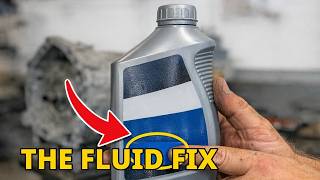
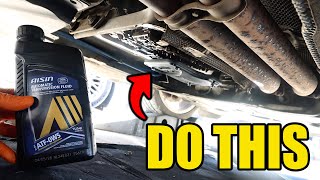
The most widely reported issue is a vibration or shudder that feels like driving over a rumble strip at steady speeds. This is often caused by moisture-contaminated transmission fluid degrading over time. General Motors issued Technical Service Bulletins (TSB) 20-NA-142, 18-NA-355, and 19-NA-121, which recommend a complete fluid flush with an updated synthetic fluid (Mobil 1 Synthetic LV ATF HP) to resolve the issue. In many cases, this fluid exchange restores smooth operation, but if ignored, it can lead to permanent torque converter damage.
🎬 Watch: Cadillac ATS transmission shudder fix demonstrationShift Cable Detachment Recall
A serious safety recall was issued for 2013-2014 ATS models. The transmission shift cable could detach from its bracket, causing a mismatch between the gear selected by the driver and the actual gear the transmission is in. This could allow the vehicle to roll away when the driver believes it is in Park.
| Recall Authority | Number |
|---|---|
| NHTSA Recall Number | 14V338000 |
| GM Recall Number | 14179 |
| Remedy | Dealers will inspect and ensure the shift cable is properly seated at no charge. |
Harsh, Erratic, or Delayed Shifting
Jerky or unpredictable shifts can be caused by several internal issues. Wear inside the valve body, the hydraulic control center of the transmission, can cause pressure losses. Specifically, the #1 checkball is a known weak point that can wear down and cause a no-forward or slipping condition. A Sonnax Zip Kit installation or valve body overhaul is often required. Faulty solenoids or outdated software calibration can also lead to poor shift quality.
Driveline "Clunk" Noise
Some owners report a "clunk" or "thump" noise when accelerating from a stop or during shifts. TSB PIP4554H addresses this issue, which is often caused by minor corrosion or lack of lubrication on the AWD splines. The fix involves cleaning the splines, applying a specific high-temperature grease, and installing new O-rings (GM Part #24251228) during service.
Overheating and Legal Action
Overheating is a moderate severity issue that can damage the internal Transmission Control Module (TCM). Ensure proper cooling system function and fluid levels to prevent this. Furthermore, a 2025 Class Action Lawsuit regarding the GM 6L Series (2006-2015) highlights widespread owner complaints about shuddering, harsh shifting, and fluid leaks.
Replacement Cost Estimates
The cost to replace a 6L45 transmission in a 2013 Cadillac ATS varies significantly based on the type of replacement unit chosen. These prices are estimates and do not include taxes or potential shipping fees.
| Part Type | Estimated Cost (USD) |
|---|---|
| New OEM | $4,800 - $6,500 |
| Remanufactured | $2,588 - $4,999 |
| Used OEM | $995 - $1,450 |
| Installation Labor (6 to 10 hours) 🎬 Watch: Cadillac ATS engine and transmission removal walkthrough | $750 - $1,800 |
What's Included in a Used Assembly

When purchasing a used transmission from a recycler, it's important to know what parts are typically included. Based on standards from the Automotive Recyclers Association (ARA), you should expect the following:
What's Usually Included
- Transmission Case and all internal parts
- Torque Converter
- Valve Body and internal solenoids
- Transmission Oil Pan
- Extension / Tail Housing
What's Not Included
- External sensors and wiring
- Shifter linkages or cables
- Flexplate (flywheel)
- External cooler lines
Diagnostic Flowchart
What Fails at Every Mileage Band
Pro Tip: The mileage bands below describe used replacement units of that mileage. The checklists provided are things to do WHILE INSTALLING the purchased transmission, not maintenance for your current transmission.
Under 60,000 Miles
Even low-mileage units can experience the NHTSA Shift Cable Detachment Recall (14V338000), which is a factory defect, not a wear issue. Torque Converter Clutch (TCC) shudder can also manifest early, sometimes under 50,000 miles, due to the original factory fluid degrading.
- ✓Do during install (required): Perform a full transmission fluid exchange with the updated Mobil 1 Synthetic LV ATF HP (blue label) fluid as specified in TSB 18-NA-355 to prevent future TCC shudder. Replace the transmission filter (ACDelco Part #24252158), pan gasket (ACDelco Part #24225800), and torque converter seal. Flush transmission cooler lines with solvent.
- ✓Do during install (recommended): Proactively replace the torque converter if the budget allows, as it is a known failure point even at lower mileage.
60,000 - 100,000 Miles
This is the prime mileage window for TCC shudder to become prominent if the original fluid is still in use. Harsh or delayed shifting caused by software calibration issues, failing solenoids, or initial valve body wear also begins to appear. Torque converter failure beyond just a shudder is common.
- ✓Do during install (required): A complete fluid exchange with Mobil 1 Synthetic LV ATF HP is non-negotiable. Replace the transmission filter, pan gasket, torque converter seal, and AWD spline O-rings.
- ✓Do during install (recommended): Install a new torque converter. The cost is marginal compared to the labor of accessing it again if the used one fails.
- ✓Cheap insurance while the engine is out: Consider installing a valve body upgrade kit (e.g., Sonnax Zip Kit) to address known internal wear points as a preventative measure.
100,000 - 150,000 Miles
At this stage, internal wear of the valve body (particularly checkballs and bores) becomes highly probable, leading to erratic shifting and pressure loss. Shift and pressure control solenoids may fail due to age and contaminated fluid. Fluid leaks from seals, gaskets, and cooler lines are more prone to happen.
- ✓Do during install (required): Assume the torque converter is at the end of its life. Replace it with a new or quality remanufactured unit. Perform all standard consumable replacements (fluid, filter, seals, gaskets).
- ✓Do during install (recommended): Overhaul or replace the valve body. At this mileage, internal wear is a significant risk to the replacement transmission's longevity.
- ✓Cheap insurance while the engine is out: Replace all transmission solenoids while the valve body is accessible.
Over 150,000 Miles
High-mileage units face a significant risk of internal hard part failure, such as clutch pack failure, drum cracks, or pump failure. Overheating is a major contributor. Complete transmission failure is a real possibility. Additionally, clogged breather vents on the connected differentials can cause pressure buildup and seal failure.
- ✓Do during install (required): A used transmission with this mileage is a very high-risk purchase. The most prudent action during installation is a complete rebuild. If not rebuilding, at an absolute minimum, replace the torque converter, all solenoids, all seals, and perform a valve body overhaul with a Sonnax kit.
- ✓Do during install (recommended): Thoroughly inspect the differentials, clean the breather vents, and change the fluid as a preventative measure against a common driveline failure.
Real Owner Experiences
| Source | Mileage | What Happened | Cost |
|---|---|---|---|
| Cadillac Forum | Under 50,000 | Owner experienced significant shaking at 35-45 mph. The dealer diagnosed a faulty torque converter and replaced it under warranty. The issue returned five months later. | Covered by warranty |
| Reddit r/MechanicAdvice | 42,000 | Three days after purchase, the transmission began to shudder. An extended warranty claim was denied on the basis of it being a pre-existing condition. | Pending diagnosis by selling lot |
| GM-Trucks.com Forum | 38,000 | After a previous torque converter replacement, TCC shudder returned. The dealer performed a fluid flush per TSB 18-NA-355. | Covered by CPO warranty |
| Reddit r/Cadillac | 75,000 | Owner's 2017 ATS developed a transmission shudder. A DIY drain-and-fill with recommended fluid and a new filter resolved the issue. | ~$85 (DIY) |
| GM-Trucks.com | 95,000 | Transmission failed within the first week of ownership. Local transmission shops reported that failures around 80,000-100,000 miles are common for this transmission family. | Not specified |
| Reddit r/E90 | 144,000 | Owner purchased a vehicle with no known transmission service history and was concerned about reliability. Forum members strongly advised an immediate fluid and filter change. | Preventative Maintenance |
| Bimmerpost Forum | 160,000 | Owner suspected a torque converter problem after never having changed the fluid. An independent shop quoted that 100,000 miles was a lucky lifespan for these units without proper maintenance. | Not specified |
| Reddit r/Cadillac | 210,000 | Owner of a 2013 ATS 3.6 reports the original transmission is still running strong with frequent (every 50k miles) fluid and filter changes. | Ongoing maintenance |
| Bimmerpost Forum | 245,600 | Original transmission still performing well, including on track days. Owner attributes longevity to the first fluid service at 90,000 miles and subsequent changes every 30,000 miles. | Ongoing maintenance |
| Unknown | Advised to get a transmission fluid and filter flush with specific fluid per a service bulletin. | $350 |
Repair or Replace?
Deciding whether to repair your existing 6L45 or replace it entirely depends on the extent of the damage.
- Torque Converter Clutch (TCC) Shudder: If the issue is isolated to the torque converter or fluid, repair makes sense. A fluid flush is the first, most cost-effective step ($350 - $1,000). If that fails, torque converter replacement costs between $600 and $1,000 professionally.
- Valve Body Failure: When symptoms like harsh shifting, flares, or delayed engagement are present without evidence of widespread mechanical failure, a remanufactured valve body can often fix hydraulic/control issues for $500 - $1,500, which is significantly less than a full rebuild.
- Transmission Fluid Leak: If the leak is from an external source like a cracked fluid line, pan gasket, or seals, these are relatively inexpensive repairs ($150 - $500) compared to a full replacement.
When Replacement is Smarter: Replacement is the smarter option when there is catastrophic internal damage, such as broken gears, widespread clutch failure, or a cracked case. If multiple major components (e.g., valve body and torque converter) have failed, the combined repair cost can approach or exceed the price of a quality used or remanufactured unit, making replacement more economical. Used units typically run $995 - $1,450, while remanufactured units range from $2,588 - $4,999.
Installation and Programming Essentials

Proper installation is critical to the longevity of a replacement transmission. This is not a simple DIY job (expert difficulty) and requires 6 to 10 hours of shop labor. Special tools required include a transmission jack, an External Torx (E-Torx) socket set (E10, E12, E14, E18), a fluid transfer pump, a GM-compatible J2534 programming tool or dealer-level scan tool (Tech 2 / GDS2), and an engine support bar.
Required Programming
Warning: This transmission cannot be simply swapped in. The internal computer, known as the Transmission Electro-Hydraulic Control Module (TEHCM), must be programmed to your car's VIN. After installation, a "Service Fast Learn" adaptive relearn procedure must be performed with a GM-compatible scan tool. Skipping these steps will result in harsh shifting, potential limp mode, and can quickly damage the replacement unit.
Key Installation Steps & 'Gotchas'
- Mandatory Cooler Flush: The transmission cooler and lines must be thoroughly flushed with an approved cooler-line flush solvent to remove any metal debris from the previous failed unit. Failure to do so will contaminate the replacement transmission and cause immediate failure.
- Torque Converter Seating: The torque converter must be carefully seated into the transmission's front pump. You must feel it drop into place three distinct times. Before bolting the transmission to the engine, verify the converter is recessed by at least 1 inch from the bellhousing face to avoid cracking the front pump.
- AWD Spline Service: To prevent the "clunk" noise described in TSB PIP4554H, thoroughly clean the AWD splines with a wire brush, apply high-temperature spline grease, and install new rubber O-rings.
- Fluid Level Check Procedure: This transmission has no dipstick. The fluid level must be checked from underneath with the vehicle level, engine running in Park, and the fluid temperature between 30°C and 50°C (86°F - 122°F), using the standpipe level-control plug. Checking with the engine off causes severe under-filling.
- E-Torx Bellhousing Bolts: You must use E-Torx sockets to prevent stripping the bolt heads.
Pro Tip: Always use new, required consumables during installation. This includes the correct Dexron VI fluid (or Mobil 1 Synthetic LV ATF HP), a new filter and pan gasket, a new torque converter seal, and the AWD spline O-rings to ensure a leak-free, reliable installation.
Freight & Delivery Reality

If you are ordering a used 6L45 transmission online, it will not arrive in a standard cardboard box via regular parcel service. This assembly weighs approximately 198 lbs and measures roughly 48" x 22" x 25" before crating. It ships as LTL (Less-Than-Truckload) freight strapped to a pallet. If you are having it delivered to a residential address, you will need to request a liftgate service. Always inspect the transmission and the pallet for any signs of damage or leaking fluids before signing the delivery receipt.
Questions to Ask Your Installer
- Have you worked on the GM 6L45 transmission before?
- Are you equipped to perform the mandatory TEHCM VIN programming and the Service Fast Learn adaptive relearn procedure?
- Does your quote include flushing the transmission cooler and lines, and what is your process for that?
- Will you be using new E-Torx bolts for the bellhousing if the originals are one-time use?
- How will you verify the torque converter is properly seated before mating the transmission to the engine?
- Does your parts and labor estimate include all required consumables like Dexron VI fluid, a new filter, gaskets, and seals?
- What warranty do you offer on your labor and the supplied transmission unit?
Frequently Asked Questions (FAQ)
Do I have to get the transmission programmed?
Yes, programming is mandatory. The internal transmission computer (TEHCM) must be flashed with your vehicle's VIN, and an adaptive relearn procedure must be completed. Skipping this step will lead to severe shifting problems and likely damage the transmission.
Can I use a transmission from a RWD Cadillac ATS?
No. The AWD and RWD transmissions have different tailhousings and output shafts to accommodate the transfer case and front driveshaft on AWD models. They are not interchangeable.
What happens if I don't flush the transmission cooler?
Debris and contaminated fluid from the old, failed transmission will be trapped in the cooler and lines. When the new transmission is installed and run, this debris will be pumped directly into it, causing catastrophic failure almost immediately. Flushing is a required step.
How do I check the fluid level on the 6L45?
There is no dipstick. The vehicle must be level with the engine running and the transmission fluid between 86°F and 122°F. A small plug is removed from the standpipe in the oil pan; if a small trickle of fluid comes out, the level is correct. If nothing comes out, it is underfilled.
What is the expected service life of the 6L45?
The service life is highly dependent on maintenance. With no service, failures can occur before 100,000 miles. With regular fluid and filter changes every 30,000 to 60,000 miles using the updated Mobil 1 Synthetic LV ATF HP fluid, a service life of over 200,000 miles is achievable, and some owners have reported over 300,000 miles.
Are there any special tools required for installation?
Yes. Beyond standard mechanic tools, you will need a transmission jack, an E-Torx socket set (E10, E12, E14, E18) for the bellhousing bolts, a fluid transfer pump to fill the unit from the bottom, an engine support bar, and a GM-compatible J2534 programming tool or dealer-level scan tool (Tech 2 / GDS2) for the mandatory programming.
Helpful Videos
Technical Specifications
Type: GM Hydra-Matic 6L45 Six-Speed Automatic; RPO Code: MYA; Application: 2013 Cadillac ATS 3.6L V6 (LFX); Drivetrain: All-Wheel Drive (AWD); Broadcast Codes: 3AEA, 3AZA, 3AYA; Weight: Approx. 198 lbs; Cooling System: Standard (RPO V03 NOT present)
We Have This Part in Stock


The information in this article is provided for general reference and educational purposes only. Vehicle specifications, procedures, and part compatibility can vary by production date, trim level, and region. Always consult your vehicle's factory service manual and verify part numbers before purchasing or performing repairs. Safety-critical components such as airbags, seat belts, and braking systems should be installed by a qualified professional.
- Cadillac ATS:
- 🎬 Helpful Videos
- 🛍️ Shop This Part
- Identifying the Correct 2013 ATS 3.6L AWD Transmission
- How to Confirm Fitment on Your Vehicle
- Common Problems and Failure Symptoms
- Torque Converter Clutch (TCC) Shudder
- Shift Cable Detachment Recall
- Harsh, Erratic, or Delayed Shifting
- Driveline "Clunk" Noise
- Overheating and Legal Action
- Replacement Cost Estimates
- What's Included in a Used Assembly
- What's Usually Included
- What's Not Included
- Diagnostic Flowchart
- What Fails at Every Mileage Band
- Under 60,000 Miles
- 60,000 - 100,000 Miles
- 100,000 - 150,000 Miles
- Over 150,000 Miles
- Real Owner Experiences
- Repair or Replace?
- Installation and Programming Essentials
- Required Programming
- Key Installation Steps & 'Gotchas'
- Freight & Delivery Reality
- Questions to Ask Your Installer
- Frequently Asked Questions (FAQ)
- 🎟️ Get 5% Off