

2014 Buick Verano 2.4L 6T45 Transmission: Problems, Identification, and Used Replacement
Identify the exact MH8 transmission variant, understand what kills it, and learn when to replace it with a quality used OEM unit.
- The internal TEHCM/TCM must be reprogrammed to your car's VIN after installation; the vehicle will not function correctly without this step.
- You must use a 6T45 transmission with RPO code MH8 from a 2.4L Verano; units from a Cruze, Malibu, or Equinox are not compatible.
- Crucial installation steps include fully seating the torque converter and thoroughly flushing the transmission cooler lines to prevent immediate failure of the replacement unit.
- This transmission requires DEXRON-VI fluid and has a specific, no-dipstick procedure for checking the level at a high operating temperature (185°F-203°F).
Part Identification: Confirming the Correct 6T45 Transmission

The 2014 Buick Verano with the 2.4L engine uses a specific version of the GM Hydra-Matic 6T45 6-speed automatic transmission. This is a transversely-mounted unit designed for Front-Wheel Drive (FWD) vehicles. When sourcing a used replacement, it is critical to get the correct version to avoid wasted time and money.
- Check the RPO Code: The most reliable way to identify this transmission is by finding the Regular Production Option (RPO) code MH8 (sometimes associated with code 4AHW). This code is printed on the Service Parts Identification sticker, which is typically located in the glove box or trunk.
- Confirm the Engine: This transmission is only for the 2.4L LEA Ecotec engine. You can verify this by checking that the 8th digit of your vehicle's Vehicle Identification Number (VIN) is K.
- Drivetrain: This transmission is for Front-Wheel Drive (FWD) models only.
- TEHCM Generation Match: The 2014 Verano uses a Generation 2 transmission. Check the 8th digit of the barcode on the TEHCM side cover: Gen 2 units feature a letter (B, C, or D), while older Gen 1 units feature a number (1, 2, or 3). Gen 2 units also removed the fluid pressure switches.
Warning: Transmissions from other GM vehicles like the Chevrolet Cruze, Malibu, Equinox, or GMC Terrain are not compatible. While they may be from the same transmission family, they have different mounting points, wiring, and internal software calibrations that prevent them from working in the Verano.
Common Failure Symptoms

A failing 6T45 transmission can present several distinct symptoms. If you experience any of the following, the transmission may be the cause:
- No Forward or Reverse Gears: The vehicle may start, but it will not move when you shift into Drive or Reverse. This can be related to internal hydraulic pressure issues.
- Limp Mode: The transmission may get stuck in a single gear (often 2nd or 3rd) to prevent further damage. This will be accompanied by a check engine light. A common cause is a failed internal snap ring.
- Torque Converter Shudder: A vibration or shuddering feeling, especially during light acceleration 🎬 Watch: Diagnose torque converter engagement issues or when gears are shifting between 30-65 mph. This can feel like driving over rumble strips.
- Harsh Shifting or Slipping: Gears may bang or slam into place, or the engine may rev up during a shift without the car accelerating, indicating the clutches are slipping.
- Key Stuck in Ignition: An issue with the electronic park lock lever can prevent the key from being removed even when the car is in Park.
- Vehicle Rollaway Risk: A disconnected shift cable can cause the gear shifter's indicated position (e.g., 'P') to not match the actual gear the transmission is in, creating a rollaway hazard.
Diagnostic Flowchart
Known Issues, Recalls, and Technical Service Bulletins (TSBs)

Several documented issues exist for this transmission and related components. Always check with a dealer to see if your specific VIN is affected by a recall.
| Document Number | Issue | Affected Years | Summary & Remedy |
|---|---|---|---|
| NHTSA 14V092000 (GM Recall 14048) |
Transmission Shift Cable Disengagement | 2014 | The shift cable adjuster could detach from the transmission lever. This can prevent the vehicle from being in the gear selected by the driver (e.g., showing Park but actually in Neutral), leading to a rollaway risk. Dealers will inspect and replace the shift cable adjuster free of charge. |
| NHTSA 16V502000 (GM Recall 50490 / 50491) |
Key Cannot Be Removed | 2013-2014 | An electronic park lock lever issue could prevent the driver from removing the key from the ignition. Dealers will inspect and replace the key cylinder lock housing if necessary. |
| TSB PI0324F | No Movement or No Crank | 2012-2014 | Can cause a no-forward, no-reverse, or no-crank condition. The recommended fix involves checking transmission line pressure and inspecting the internal control module (TEHCM). |
| TSB PI0604B | Gen 2 Product Updates | 2012+ | Outlines updates for the 6T30/6T40/6T45/6T50 family, including the removal of fluid pressure switches and updated TCM calibration software. |
| TSB 13282 | Snap Ring Failure | 2013-2014 | An improperly made 3-5-R clutch snap ring can pop out of its groove, causing a loss of 3rd, 5th, and Reverse gears and forcing the transmission into limp mode. The fix requires transmission disassembly to replace the ring. |
| N/A | Torque Converter Clutch (TCC) Shudder | 2014 | Often caused by deteriorating transmission fluid or a failing torque converter. A fluid flush may help, but replacement of the torque converter is often necessary. |
Installation & Programming: What to Know
Installing a used transmission is an expert-level job requiring 7.0 to 10.8 hours of labor. Several steps are critical for success and are common points of failure for DIY and professional installers alike. You will need specific tools, including an engine support fixture, a transmission jack, subframe alignment pins, a torque wrench, and a bi-directional scan tool capable of GM programming.
TEHCM Programming is Mandatory
The Transmission Electro-Hydraulic Control Module (TEHCM), which contains the Transmission Control Module (TCM), is located inside the transmission side cover. It is not a separate, external part. This internal computer is programmed to the specific VIN of the donor car.
Warning: The transmission will not function until the internal TEHCM is reprogrammed to your vehicle's VIN. This requires a GM-specific scan tool (SPS2) and a J2534 pass-thru device. This is not optional and must be performed by a dealer or a qualified independent shop with the correct equipment. After programming, a Service Fast Learn adaptive relearn procedure must be completed with the fluid temperature between 70°C and 100°C, vehicle stationary, brakes applied, and throttle at 0%.
Installation Gotchas & Common Mistakes
- Torque Converter Seating: The torque converter must be fully seated into the transmission's front pump before installation. You should feel it drop into place three separate times. Failure to do this will crack the pump gear when the bellhousing bolts are tightened, destroying the replacement transmission.
- Flush the Cooler: Debris from the old, failed transmission contaminates the transmission cooler and lines. You MUST flush these lines thoroughly with a solvent/machine before connecting them to the replacement unit. Skipping this step will circulate metal shavings and clutch material into the new transmission, causing it to fail quickly.
- Use Correct Fluid: This transmission requires DEXRON-VI full synthetic automatic transmission fluid. Using any other type of fluid can cause poor shifting and permanent damage.
- Fluid Level Check: There is no dipstick. The fluid level must be checked with the engine idling, the vehicle level, and the fluid temperature between 185°F and 203°F (85°C to 95°C). The level is correct when fluid begins to drip from the fluid level control plug on the side of the case. Checking it cold will lead to severe underfilling.
What Fails at Every Mileage Band
Pro Tip: The mileage bands below describe the condition of USED REPLACEMENT units of that mileage. The checklists are critical steps to perform WHILE INSTALLING the purchased transmission, not maintenance advice for your current broken unit.
Under 60,000 Miles
Low-mileage units are generally in good shape, but they are not immune to early failures. Premature wear and slipping can occur if the original owner never changed the fluid. You may also encounter early signs of torque converter clutch (TCC) shudder or solenoid/valve body issues that require a software update. The shift cable adjuster recall (NHTSA 14V092000) is also a factor here.
- ✓Do during install (required): Verify the NHTSA shift cable recall (14V092000) has been performed.
- ✓Do during install (required): Perform a complete transmission fluid and filter service.
- ✓Do during install (recommended): Check for any available TCM software updates to improve shift quality.
- ✓Cheap insurance while the engine is out: Install a new torque converter seal (front pump seal) and axle seals (driver and passenger side).
60,000 - 100,000 Miles
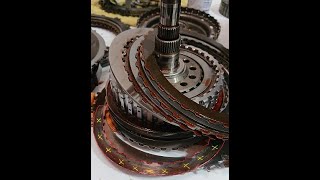
This is the danger zone where common factory defects begin to surface. The notorious 3-5-R wave plate failure can lead to a sudden loss of reverse, 3rd, and 5th gears. Torque converter clutch (TCC) shudder becomes much more common, and TEHCM failures can cause erratic shifting or complete gear loss. Slipping gears due to worn transmission bands or burnt fluid are also frequent.
- ✓Do during install (required): Mandatory flush of the transmission cooler and lines to remove old debris.
- ✓Do during install (required): Perform a full fluid and filter service using only DEXRON-VI.
- ✓Do during install (recommended): If installing a used unit, replace the torque converter as a preventative measure against shudder.
- ✓Cheap insurance while the engine is out: Replace all external seals (axle seals, torque converter seal).
100,000 - 150,000 Miles
Transmissions in this band have a significantly higher likelihood of major internal mechanical failures, including worn clutch packs and broken wave plates. Rough shifting and jerking, sometimes accompanied by StabiliTrak warnings, point to severe TCM or internal electrical issues. Fluid leaks from aged gaskets and seals are common.
- ✓Do during install (required): Ensure the replacement TEHCM is programmed and a Service Fast Learn is performed.
- ✓Do during install (required): Thoroughly flush the transmission cooler and lines to prevent contamination.
- ✓Do during install (recommended): Installation of a remanufactured transmission is highly recommended over a high-mileage used unit.
- ✓Cheap insurance while the engine is out: Replace the torque converter, all seals, and the transmission filter.
Over 150,000 Miles
The typical lifespan for a Buick Verano is between 150,000 and 200,000 miles with proper care. Transmissions over 150k miles suffer from general end-of-life wear on all internal components, including clutch packs, bushings, and the valve body. Catastrophic failure is highly likely.
- ✓Do during install (required): Follow all installation best practices for a remanufactured unit, including comprehensive cooler flush, fluid/filter change, and full programming/relearn procedures.
- ✓Do during install (recommended): At this mileage, a used unit is a significant gamble. A remanufactured transmission with a warranty is the most prudent choice.
Real Owner Experiences
Here is what real 2014 Buick Verano owners have reported regarding their transmission failures:
| Source | Mileage | What Happened | Cost |
|---|---|---|---|
| 38,000 | Transmission jerks during every shift unless shifted 'manually'. Owner notes the transmission has been consistently bad since they got it, but has not worsened. | N/A | |
| 23,000 | Thermostat went bad, which can impact transmission cooling and performance. | N/A | |
| YouTube | 83,000 | Complete loss of reverse gear due to a broken 3-5-R clutch plate, a common issue covered by a Technical Service Bulletin (TSB). | N/A (DIY repair shown) |
| CarComplaints.com | 131,350 | Vehicle displayed 'Service Power Steering' and 'StabiliTrak' warnings, started jerking violently, and would not exceed 30 mph. The transmission was slipping with a winding noise, suspected to be a TCM failure. | Not specified, dealer could not diagnose. |
| KBB.com User Question | Not specified | User asked for the cost to remove and replace the transmission. | No answer provided in the forum. |
Repair or Replace?

When your 6T45 transmission fails, you must decide whether to repair the broken internal components or replace the entire assembly. Because shop labor to remove and reinstall the transmission runs between $800 and $1,950 alone, the economics often favor full replacement.
| Failure Type | Typical Repair Cost | When Repair Makes Sense |
|---|---|---|
| Torque Converter Clutch (TCC) Shudder | $800 - $2,500 | Repair makes sense when only the torque converter has failed and there is no evidence of widespread debris contamination in the rest of the transmission. The part itself is relatively inexpensive ($215-$350), but the labor to remove and reinstall the transmission takes 5-10 hours. |
| TEHCM (TCM) Failure | $1,000 - $1,650 | Repair makes sense when the transmission mechanics are sound and the failure is purely electronic. A remanufactured TEHCM costs around $300-$720, plus labor and mandatory VIN programming. The total cost can approach the price of a used transmission, making it a borderline case. |
| 3-5-R Wave Plate Failure | $2,000 - $3,500+ | This repair rarely makes sense for a single owner. The repair requires a complete transmission teardown. The cost of labor and additional 'while-you're-in-there' parts often exceeds the cost of a lower-mileage used or remanufactured unit. |
When Replacement is Smarter: Replacement with a quality used or remanufactured unit is generally smarter when there is evidence of internal mechanical failure, such as metal debris in the fluid, or when multiple components have failed. Addressing all potential issues at once with a warrantied replacement unit is often more economical than attempting a single, high-cost internal repair.
Questions to Ask Your Installer
- Have you confirmed this is a 6T45 (MH8) from a 2.4L Verano and not from a Cruze or Malibu?
- Will you be performing a full flush of the transmission cooler and lines before installing the replacement?
- What brand of DEXRON-VI fluid will you be using?
- How do you ensure the torque converter is fully seated before bolting the transmission to the engine?
- Do you have the proper GM-compatible scan tool (like an MDI with SPS2) to perform the VIN programming and Service Fast Learn for the internal TEHCM?
- Does your quote include the cost of programming and the adaptive relearn procedure?
- What warranty do you provide on your labor, and how does it work with the warranty from the transmission supplier?
Replacement Cost Estimates
The cost to replace a 2014 Buick Verano transmission varies based on the type of replacement unit. These prices are estimates and can change based on location and supplier.
| Part Type | Estimated Part Cost (USD) | Notes |
|---|---|---|
| Used OEM | $900 - $1,300 | A salvaged unit from a matching donor vehicle. Mileage and condition vary. |
| Remanufactured OEM | $2,395 - $3,700 | Fully rebuilt with updated parts to meet or exceed original specs. Often includes a warranty. |
| New OEM | $3,500+ | A brand new unit from General Motors. Generally not sold directly to consumers; replacement is typically with remanufactured units. |
| Shop Labor | $800 - $1,950 | Covers removal of the old unit and installation of the replacement. Does not include programming. |
Freight & Delivery Reality

A used 6T45 transmission is not a small parcel. It weighs approximately 176 lbs and measures roughly 33" x 28" x 25" before being crated. Because of its size and weight, it must be shipped on a pallet via Less-Than-Truckload (LTL) freight.
When receiving your transmission, a freight truck equipped with a liftgate will lower the pallet to the ground. It is absolutely critical that you or your shop inspect the transmission for any physical damage (such as cracked bellhousings or broken sensors) before signing the delivery receipt. Once you sign for the freight, you are legally accepting it in its current condition, making damage claims extremely difficult.
Arrival Inspection for Your Used 6T45 Transmission
Inspect the Pan and Magnet
Remove the bottom transmission fluid pan. Look for the small flat magnet sitting inside the pan. This magnet catches metal debris from inside the transmission.
- Normal wear: A light coating of fine, dark gray paste on the magnet is normal.
- Bad signs: Look for large metal flakes, silver chunks, or broken metal clips. The 6T45 transmission is known for internal snap ring failures. If you see broken metal ring pieces in the pan, the transmission is broken.
Check Fluid Color and Smell
The 6T45 uses DEXRON-VI transmission fluid. Check the leftover fluid inside the pan or the torque converter.
- Good fluid: Healthy fluid is bright red or light brown.
- Bad fluid: If the fluid is thick, pitch black, or smells like burnt toast, the internal clutches are burned up.
Examine the Converter Hub and Input Splines
The torque converter is the large metal bowl at the front of the transmission. It connects the engine power to the transmission.
- Converter Hub: Look at the smooth metal tube sticking out of the back of the torque converter. Run your fingernail across it. If you feel deep grooves, the hub is worn out. A grooved hub will tear the front pump seal and cause fluid leaks.
- Input Splines: Look at the metal teeth (splines) on the input shaft. These teeth must be straight and sharp. If the teeth are rounded, chipped, or stripped flat, the transmission will slip or fail to move the vehicle.
Frequently Asked Questions
What parts are included with a used transmission?
A used assembly typically includes the transmission case, all internal parts, the extension/tail housing, transmission pan, valve body, internal solenoids, the integrated TEHCM, and the torque converter. You will need to transfer external parts like shifter cables, external wiring harnesses, cooler lines, and the flexplate (flywheel) from your old unit.
Does a used 6T45 transmission need to be programmed?
Yes. The TEHCM is integrated inside the transmission and must be programmed to match your vehicle's VIN using GM SPS2 software and a J2534 pass-thru tool. The vehicle will not drive properly without this programming and the subsequent Service Fast Learn procedure.
Can I use a transmission from a Chevy Cruze or Malibu?
No. Even though those vehicles use transmissions from the same GM Hydra-Matic family, they have different mounting points, wiring configurations, and internal calibrations. You must use a transmission specifically designated for the 2.4L Verano (RPO MH8).
What kind of transmission fluid does the 2014 Verano take?
The 6T45 transmission requires licensed DEXRON-VI full synthetic automatic transmission fluid. Using generic or incorrect fluid will cause shifting issues and premature failure.
How do I check the transmission fluid level?
This transmission does not have a traditional dipstick under the hood. The fluid level must be checked via a fluid level control plug on the side of the transmission case. The engine must be idling, the vehicle must be level, and the fluid temperature must be between 185°F and 203°F (85°C to 95°C).
How can I make my replacement transmission last longer?
Regularly changing the DEXRON-VI transmission fluid and filter is the most critical factor. While GM's 'normal' service interval can be long, experts recommend a fluid and filter change every 30,000 to 60,000 miles, especially if you drive in severe conditions like stop-and-go traffic.
Helpful Videos

Technical Specifications
Name: GM Hydra-Matic 6T45; RPO Code: MH8; Associated Code: 4AHW; Type: 6-speed automatic; Mounting: Transverse; Drivetrain: Front-Wheel Drive (FWD); Engine Compatibility: 2.4L LEA Ecotec (VIN 8th digit 'K'); Generation: Gen 2; Fluid Type: DEXRON-VI; Weight: Approx. 176 lbs; Dimensions: Approx. 33" x 28" x 25"
We Have This Part in Stock


The information in this article is provided for general reference and educational purposes only. Vehicle specifications, procedures, and part compatibility can vary by production date, trim level, and region. Always consult your vehicle's factory service manual and verify part numbers before purchasing or performing repairs. Safety-critical components such as airbags, seat belts, and braking systems should be installed by a qualified professional.
- Buick Verano:
- 🎬 Helpful Videos
- 🛍️ Shop This Part
- Part Identification: Confirming the Correct 6T45 Transmission
- Common Failure Symptoms
- Diagnostic Flowchart
- Known Issues, Recalls, and Technical Service Bulletins (TSBs)
- Installation & Programming: What to Know
- TEHCM Programming is Mandatory
- Installation Gotchas & Common Mistakes
- What Fails at Every Mileage Band
- Under 60,000 Miles
- 60,000 - 100,000 Miles
- 100,000 - 150,000 Miles
- Over 150,000 Miles
- Real Owner Experiences
- Repair or Replace?
- Questions to Ask Your Installer
- Replacement Cost Estimates
- Freight & Delivery Reality
- Arrival Inspection for Your Used 6T45 Transmission
- Inspect the Pan and Magnet
- Check Fluid Color and Smell
- Examine the Converter Hub and Input Splines
- Frequently Asked Questions
- 🎟️ Get 5% Off