

2013 LaCrosse & Regal 6T40 (MHH) eAssist Transmission: Problems, Identification, and Used Replacement
Identify the correct MHH hybrid transaxle, understand common wave plate and TEHCM failures, and learn what to check before buying a used OEM replacement.
- This MHH transmission is specific to 2.4L eAssist models and is not interchangeable; verify the 'R' VIN digit and 'MHH' RPO code before purchase.
- A used transmission's internal computer (TEHCM) MUST be reprogrammed to your vehicle's VIN by a professional with GM-specific tools.
- The 3-5-Reverse wave plate is a common failure point, especially between 60k-100k miles, often requiring a full replacement or overhaul.
- Always flush the transmission cooler lines before installing a replacement unit to prevent contamination from the old unit and immediate damage to the new one.
Identifying the Correct 2013 eAssist Transmission

The automatic transmission in the 2013 Buick LaCrosse and 2013 Buick Regal with the 2.4L eAssist engine is a specific variant of the GM Hydra-Matic 6T40 family. This transverse-mounted, 6-speed automatic transaxle is engineered exclusively for the front-wheel-drive (FWD) mild-hybrid system and is not interchangeable with transmissions from other models or even non-hybrid versions of the same vehicle.
To ensure you are ordering the correct part, verify the following on your vehicle:
- Engine: Your vehicle must have the 2.4L eAssist engine. You can confirm this by checking the 8th digit of your Vehicle Identification Number (VIN), which should be an 'R'.
- RPO Code: Check the silver Service Parts Identification sticker, usually located in the glove box or trunk. It must list the code MHH, which designates this specific hybrid transmission.
- ID Tag: Locate the 4-character identification code on your original transmission's metallic tag (e.g., 2JJW, 3JOW).
Warning: This MHH transmission will NOT work in a non-hybrid 2.4L LaCrosse or Regal (which uses the MH8 option), a 2.0L Turbo model, or a 3.6L V6 model (which uses the 6T70). The MHH unit features a unique case and an auxiliary electric fluid pump required for the eAssist start-stop function.
Common Failure Symptoms
A failing 6T40 transmission can 🎬 Watch: Common 6T40 transmission problems explained present several distinct symptoms. If you experience any of the following, it's time to have the transmission inspected by a professional:
- Harsh, banging, or delayed shifts between gears.
- A complete loss of movement, especially after coming to a stop (a "no-go" condition).
- Loss of specific gears, such as 3rd, 5th, and Reverse.
- A shuddering or vibration that feels like driving over rumble strips, especially at steady speeds (a common sign of torque converter failure).
- Whining or grinding noises from the transmission area.
- An illuminated Check Engine Light with diagnostic trouble codes (DTCs) related to the transmission.
Diagnostic Flowchart

Known Issues, Recalls, and Technical Service Bulletins (TSBs)

The 2013 model year 6T40 (MHH) was subject to specific recalls and shares some common issues with the wider 6T40 family.
NHTSA Recall 13V097000 / GM Recall 13079: Transmission Software Issue
A software problem could cause the transmission to inadvertently shift into Sport mode, which would disable the expected engine braking. This could increase the risk of a crash. This recall affects 2013 Buick LaCrosse models manufactured between April 25, 2012, and March 6, 2013. The remedy is a simple software update for the Transmission Control Module (TCM), performed by a GM dealer free of charge.
NHTSA Recall 13282A: Improperly Manufactured Snap Ring
A crucial internal snap ring may not have been manufactured correctly, potentially leading to a loss of power. The remedy involves replacing the defective snap ring, a significant internal repair. This recall applies to certain 2013 Buick LaCrosse and Regal models equipped with the 6T40 (MHH) transmission.
Recall 13136: Generator Control Module (GCM) Failure
Specific to eAssist models, a faulty GCM could fail to charge the battery, potentially leading to a stall, a no-start condition, or even a fire in the trunk. Ensure this recall has been performed on your vehicle.
TSB PI0324D: Damaged Transmission Fluid Pump
A GM technical service bulletin notes that low-mileage vehicles (often under 10,000 miles) can experience a no-move or no-crank condition due to a damaged fluid pump. This is sometimes caused by improper torque converter installation during previous repairs.
Common Issue: 3-5-Reverse Wave Plate Failure
A well-documented weak point in the 6T40 transmission family is the failure of the 3-5-Reverse clutch wave plate. This thin, spring-like plate can break into pieces, contaminating the fluid with debris and causing a sudden loss of 3rd, 5th, and Reverse gears. The only solution is a complete transmission overhaul or replacement.
Common Issue: TEHCM and Solenoid Failure
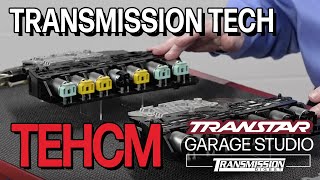
The Transmission Electro-Hydraulic Control Module (TEHCM) is the transmission's brain, combining the computer and the shift solenoids into one unit inside the side pan. These units are known to fail, causing erratic shifting, getting stuck in one gear (limp mode), or complete loss of communication. Replacement of the entire TEHCM assembly is required.
Replacement Cost Estimates
The cost of replacing a 6T40 MHH transmission can vary significantly based on the type of replacement unit you choose. Labor costs for removal and replacement are also a major factor.
Pro Tip: Labor for this job is estimated to take between 7 and 12 hours. At a typical shop rate of $120-$180 per hour, the labor cost can range from approximately $840 to $2,000.
| Part Type | Estimated Cost (Part Only) |
|---|---|
| New (OEM) | $3,500 - $5,000+ |
| Remanufactured (OEM or Aftermarket) | $2,300 - $4,400 |
| Used (OEM) | $575 - $1,200 |
What Fails at Every Mileage Band
Pro Tip: The mileage bands below describe what to expect from used replacement units of that mileage. The checklists provided are critical steps to perform while installing the purchased transmission, not general maintenance for your current vehicle.
Under 60,000 Miles
Transmissions in this range are generally healthy but may still be subject to early electronic failures or factory defects. Known failures include the improperly manufactured snap ring (Recall 13282A), TCM software issues (Recall 13V097000), and early TEHCM/solenoid malfunctions causing harsh engagement or limp mode. Damaged fluid pumps (TSB PI0324D) have also been reported under 10,000 miles.
- ✓Do during install (required): Verify all recall campaigns (especially TCM software and GCM) have been performed on the vehicle. Perform a complete transmission cooler flush to remove any potential debris from the donor vehicle. Ensure the replacement TEHCM is programmed with the vehicle's specific VIN and a 'Service Fast Learn' is completed.
- ✓Do during install (recommended): Replace all external seals (axle seals, torque converter input shaft seal) as a low-cost preventative measure.
- ✓Cheap insurance while the transmission is out: Replace and lubricate the seal on the 12V auxiliary electric fluid pump before bolting the pump down.
60,000 - 100,000 Miles
This is the danger zone for the notorious 3-5-Reverse wave plate failure. The thin wave plate fractures, sending metal debris throughout the unit. Torque converter shudder (feeling like rumble strips) and TEHCM electronic failures also become much more common in this range. Driver's side axle seal leaks often appear due to a worn case bushing.
- ✓Do during install (required): Perform mandatory cooler flush, VIN programming, and the 'Fast Learn' procedure.
- ✓Do during install (recommended): If installing a used unit, replace the torque converter with a new or remanufactured one as a preventative measure against shudder. Strongly consider sourcing a remanufactured unit with an updated wave plate design instead of a used unit in this mileage range.
- ✓Cheap insurance while the transmission is out: Replace all external seals and the axle shaft case bushing.
100,000 - 150,000+ Miles
If a 6T40 has survived this long on the original wave plate, the risk of failure is extremely high. General wear and tear lead to worn clutch packs (causing slipping and shift flares) and valve body wear (causing pressure leaks and harsh shifts). Many owners report needing major transmission work or complete replacement between 130,000 and 150,000 miles.
- ✓Do during install (required): A thorough cooler flush is non-negotiable to prevent contamination of the replacement unit.
- ✓Do during install (recommended): A used transmission in this mileage band is a very high-risk purchase; a remanufactured unit is strongly recommended. If installing a used unit is unavoidable, it is critical to replace the torque converter, all external seals, and axle bushings.
- ✓Cheap insurance while the transmission is out: Given the high mileage, replacing accessible external sensors and inspecting all related wiring and mounts is wise.
Real Owner Experiences
| Source | Mileage | What Happened | Cost |
|---|---|---|---|
| carcomplaints.com | N/A, low | Owner reported a recall for a software issue on their 2013 LaCrosse that could cause the transmission to shift into Sport mode unexpectedly, reducing engine braking. | $0 (Recall) |
| NHTSA | Under 10,000 miles | A service bulletin addresses conditions like no-move, no-crank, or harsh shifts due to low line pressure from a damaged fluid pump. | Varies (Warranty/TSB) |
| carcomplaints.com | 80,000 | A 2013 Regal owner experienced a loss of acceleration and difficult steering. A GM dealer recommended a new transmission due to the high mileage, though the specific internal failure was not detailed. | Quoted full replacement |
| Traverse Forum | 76,000 | Owner of a vehicle with a related 6T-series transmission reported a heavy 'thunk' shifting from 2nd to 3rd, which was diagnosed as a failing 3-5-R wave plate. | Covered by warranty, but quotes ranged from $1,650 to $3,600. |
| Traverse Forum | 117,000 | Owner experienced symptoms of wave plate failure. A dealership quoted between $1,500 and $3,600 for the repair, while an independent shop quoted $1,650 to $1,850. | $1,500 - $3,600 |
| 130,000 - 150,000 | A user noted that in their experience, Buick transmissions often start to fail in this mileage range, leading them to give up on the vehicles. | Implied vehicle replacement |
Repair or Replace?
When facing a 6T40 failure, deciding whether to repair your existing unit or replace it entirely depends on the specific failure mode and the overall health of the transmission.
TEHCM / Solenoid Failure
Typical Repair Cost: $300 - $1,200
This is a good candidate for repair if the rest of the transmission is mechanically sound. A pre-programmed, remanufactured TEHCM can be purchased for $300-$450 for DIY or independent shop installation. A dealer replacement can cost significantly more, from $700 to $1,400. Some repair kits are available for as low as $25 for experienced technicians to rebuild the pressure switches on the original TEHCM.
3-5-Reverse Wave Plate Failure
Typical Repair Cost: $1,500 - $3,000+
Repair only makes sense if the cost is significantly lower than a quality used or remanufactured replacement. This failure requires a complete transmission teardown. Individual updated wave plates can be purchased for under $30, but the labor is the vast majority of the cost. Given the high labor, replacement is often more economical.
Torque Converter Shudder or Failure
Typical Repair Cost: $600 - $1,500
If the issue is isolated to the torque converter, replacement is viable. A new OEM torque converter for the eAssist MHH model costs around $540-$600 for the part alone. The transmission must be removed to replace it, so labor will be similar to a full replacement. This repair is logical if the transmission itself is in good health.
Driver's Side Axle Seal Leaks
Typical Repair Cost: $200 - $450
This is a common and relatively inexpensive repair that does not require transmission removal. It makes sense to repair this leak as soon as it's noticed to prevent fluid loss and subsequent transmission damage.
When Replacement is Smarter
Replacement is the smarter option when multiple internal failures are present, the transmission fluid is burnt with clutch material, or when the cost of a major repair (like a wave plate replacement) approaches or exceeds the price of a low-mileage used unit ($575-$1,200) plus installation. Given the complexity and known issues, a remanufactured unit with an extended warranty provides the best long-term value if the owner plans to keep the vehicle.
Questions to Ask Your Installer
- Does your quote include VIN-specific programming for the internal transmission control module (TEHCM)?
- Will you perform the 'Service Fast Learn Adapts' procedure with a GM-compatible scan tool after installation?
- Is the cost of flushing the transmission cooler and lines included in the estimate?
- Does your quoted price include new DEXRON-VI fluid, new axle seals, and a new torque converter input shaft seal?
- How do you ensure the torque converter is fully seated before mating the transmission to the engine?
- What is the mileage and warranty on the used or remanufactured unit you are sourcing?
Critical Installation and Programming Steps

Installing a used 6T40 MHH transmission is an expert-level job requiring specialized tools like an engine support bridge/fixture, a transmission jack, and a vehicle lift. It is not a simple plug-and-play mechanical swap.
Mandatory TCM Programming
The TEHCM (transmission computer) is located inside the transmission side cover and is electronically locked to the VIN of the vehicle it came from. Installing a used transmission without programming it will result in the vehicle not starting, setting security codes, or immediately entering a limp mode.
Warning: The used transmission's TEHCM must be flashed with your vehicle's specific VIN and software. This requires a GM-compatible scan tool (like the GM MDI 2 or GDS2), a subscription to the GM Service Programming System (SPS), and a J2534 pass-through device.
Service Fast Learn Procedure
After the TEHCM is programmed, a "Service Fast Learn Adapts" procedure must be performed with a scan tool. This process allows the computer to learn the exact hydraulic and mechanical characteristics of the replacement transmission, ensuring smooth and accurate shifts. Driving the vehicle immediately after installation without performing this scan tool procedure is a common buyer mistake.
Key Installation Gotchas
- Flush the Cooler: Before installing the replacement, you must flush the transmission cooler and lines using an aerosol flush or machine to remove any metal debris from the previous failure. Skipping this step can pump debris into the replacement unit, causing immediate damage.
- Seat the Torque Converter: The torque converter must be fully seated into the transmission's front pump. You should feel it drop into place three separate times.
Warning: Using the bellhousing bolts to draw the engine and transmission together when the torque converter is not fully seated will crack the front pump rotor, destroying the transmission.
- Check Fluid Level Correctly: This transmission has no dipstick. The fluid level must be checked via a plug on the side of the case while the engine is running, the transmission is in Park, and the fluid temperature is between 158°F and 230°F.
Warning: Removing the check plug while the engine is off will cause a massive amount of fluid to pour out, resulting in a severely underfilled transmission.
- Subframe Alignment: Ensure the front subframe is properly aligned during re-installation to maintain correct suspension and steering geometry.
- Ground Straps: Ensure all electrical ground straps are clean and securely reconnected. External sensors and wiring harnesses that can be unbolted must be transferred from your original transmission.
Freight and Delivery Reality

If you are ordering a used 6T40 MHH transmission online, be prepared for freight delivery. This assembly weighs approximately 191 lbs and measures roughly 36" x 25" x 27" before crating. It ships as LTL (Less Than Truckload) freight on a wooden pallet—it will NOT arrive via standard parcel services like UPS Ground or FedEx Home Delivery.
Because of its size and weight, the delivery truck will require a liftgate to lower the pallet to the ground unless you are delivering to a commercial address with a loading dock or forklift. Always inspect the transmission thoroughly before signing the delivery receipt. Check for any damage to the case, the side pan, or the auxiliary electric fluid pump mounted on top, as these can be damaged if the pallet is mishandled during transit.
Frequently Asked Questions (FAQ)
Can I use a 6T40 transmission from a Chevy Cruze or Malibu?
No. While those vehicles also use a 6T40 transmission, they do not have the eAssist mild-hybrid system. The MHH transmission used in the 2013 LaCrosse and Regal has a different case, an external electric fluid pump, and unique internal components and software that make it incompatible with non-hybrid models.
Do I really have to program a used transmission?
Yes, it is mandatory. The internal computer (TEHCM) is VIN-locked for security and operational purposes. A professional shop with the correct GM programming tools must flash your car's VIN and specific calibration files onto the replacement transmission's computer.
How do I check the transmission fluid?
The vehicle must be on a level surface with the engine running and the transmission fluid hot (between 158°F and 230°F). You then remove the fluid level check plug on the side of the transmission case. A small, steady trickle of fluid indicates the level is correct. If nothing comes out, it is low and needs fluid added. If a large amount of fluid gushes out, it was likely overfilled or checked with the engine off.
What is included when I buy a used MHH transmission?
A standard used assembly typically includes the transmission case, all internally lubricated parts, the torque converter, side cover/pan, extension/tail housings, valve body, and the internal electronic control module (TEHCM). It does NOT include external sensors, the external wiring harness, shifter linkage/cables, the flexplate/flywheel, or transmission cooler lines. You must transfer these from your old unit.
What kind of fluid does the 6T40 take, and how often should I change it?
The 6T40 requires DEXRON-VI automatic transmission fluid. Using any other fluid can cause breakdown, overheating, and torque converter shudder. While some manuals suggest 100,000-mile intervals, many transmission experts recommend changing the fluid every 30,000 to 60,000 miles to maximize the lifespan of the transmission, which is typically 60,000 to 120,000 miles without intervention, but can exceed 150,000 miles with strict maintenance.
Helpful Videos

Technical Specifications
Type: 6-Speed Automatic Transaxle; Family: GM Hydra-Matic 6T40; RPO Code: MHH; Engine Compatibility: 2.4L eAssist (VIN 8th digit 'R'); Drivetrain: Front-Wheel-Drive (FWD); Weight: Approx. 191 lbs; Dimensions: Approx. 36" x 25" x 27"; Fluid Type: DEXRON-VI
We Have This Part in Stock


The information in this article is provided for general reference and educational purposes only. Vehicle specifications, procedures, and part compatibility can vary by production date, trim level, and region. Always consult your vehicle's factory service manual and verify part numbers before purchasing or performing repairs. Safety-critical components such as airbags, seat belts, and braking systems should be installed by a qualified professional.
- Buick LaCrosse:
- Buick Regal:
- 🎬 Helpful Videos
- 🛍️ Shop This Part
- Identifying the Correct 2013 eAssist Transmission
- Common Failure Symptoms
- Diagnostic Flowchart
- Known Issues, Recalls, and Technical Service Bulletins (TSBs)
- NHTSA Recall 13V097000 / GM Recall 13079: Transmission Software Issue
- NHTSA Recall 13282A: Improperly Manufactured Snap Ring
- Recall 13136: Generator Control Module (GCM) Failure
- TSB PI0324D: Damaged Transmission Fluid Pump
- Common Issue: 3-5-Reverse Wave Plate Failure
- Common Issue: TEHCM and Solenoid Failure
- Replacement Cost Estimates
- What Fails at Every Mileage Band
- Under 60,000 Miles
- 60,000 - 100,000 Miles
- 100,000 - 150,000+ Miles
- Real Owner Experiences
- Repair or Replace?
- TEHCM / Solenoid Failure
- 3-5-Reverse Wave Plate Failure
- Torque Converter Shudder or Failure
- Driver's Side Axle Seal Leaks
- When Replacement is Smarter
- Questions to Ask Your Installer
- Critical Installation and Programming Steps
- Mandatory TCM Programming
- Service Fast Learn Procedure
- Key Installation Gotchas
- Freight and Delivery Reality
- Frequently Asked Questions (FAQ)
- 🎟️ Get 5% Off