

2009-2010 Audi Q7 3.6L V6 Transmission: Problems, Identification, and Used Replacement
Identify the correct MCE unit, understand common Mechatronic failures, and learn when to replace it with a quality used OEM assembly.
- You must verify the transmission code is 'MCE' on the vehicle's build sticker or the transmission housing before purchasing a replacement.
- Installation requires dealer-level programming to adapt the Transmission Control Module (TCM) and disable 'Component Protection'.
- Thoroughly flushing the transmission cooler and lines and ensuring the torque converter is fully seated are critical installation steps to prevent immediate failure of the replacement unit.
- The Mechatronic (valve body) unit is the most common point of failure, causing harsh shifting, and can sometimes be repaired or replaced without changing the entire transmission.
- Always use the exact specified fluid (ZF Lifeguard 6 / Shell M-1375.4 / VW G 055 025 A2) and follow the temperature-controlled fill procedure.
Part Identification: Confirming the Correct Transmission

The 2009-2010 Audi Q7 with the 3.6L V6 engine was equipped with a six-speed automatic transmission. However, Audi used units from two different manufacturers during this time, which are not interchangeable. This guide focuses specifically on the transmission identified by the three-letter code MCE. The MCE code corresponds to a ZF-manufactured transmission, specifically from the ZF 6HP19X family, which Audi also refers to by the base part number prefix 0AT. You may also see the part number 0AT300035F associated with this unit.
It is critical to verify this code before purchasing a replacement. The other common transmission used in the Q7, which uses a different fluid and has different electronic controls, is an Aisin TR-60SN, also known as the 09D. Installing the wrong unit will result in a complete failure to operate.
Pro Tip: You can find the transmission code on the vehicle's build sticker, which is typically located in the spare tire well in the trunk. The code may also be on a metal data plate attached to the lower-left side of the transmission housing itself. Always confirm the code is "MCE" before ordering.
What This Transmission Fits (And What It Doesn't)
This MCE transmission assembly is a direct fit for:
- 2009-2010 Audi Q7 with the 3.6L V6 engine, quattro AWD, and transmission code MCE
Warning: This transmission will NOT fit Q7 models with different engines, such as the 4.2L V8, 3.0L TDI diesel, or the later 3.0T supercharged V6. Those models use different transmissions with incompatible torque converters, gear ratios, and software calibrations. It is also not interchangeable with transmissions from the otherwise similar Volkswagen Touareg or Porsche Cayenne, as those units have vehicle-specific programming and internal differences.
Common Failure Symptoms

A failing transmission can show several signs. Some symptoms may point to a specific component, like the valve body or a leaking seal, rather than a total mechanical failure.
- Harsh or delayed shifting, especially when cold
- Banging or jerking when coming to a stop or accelerating from a standstill
- A "Transmission Malfunction" warning on the dashboard
- Getting stuck in one gear (limp mode)
- Fluid leaks from the main electrical connector, pan gasket, or cooler lines
- No power transmission in Drive or Reverse
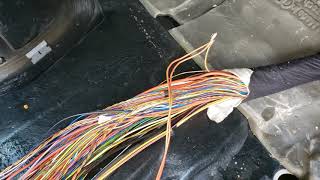
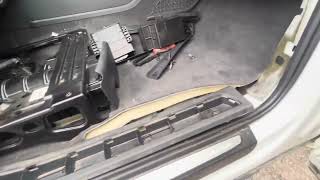
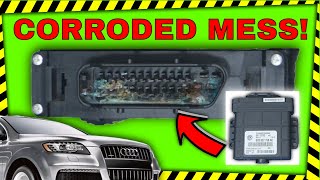
Warning: Water intrusion is a known issue for the Q7 platform. The Transmission Control Module (TCM), part number J217, is located under the front passenger seat, an area prone to collecting water from clogged sunroof drains or other leaks. This can cause corrosion and a wide range of communication errors and shifting problems that may mimic a bad transmission. Always check the TCM and its wiring for water damage before condemning the transmission.
🎬 Watch: How to repair a water-damaged Audi Q7 TCMDiagnostic Flowchart

Known Issues and Technical Service Bulletins (TSBs)
These transmissions have several well-documented issues that owners and technicians should be aware of.
Mechatronic Unit Failures
The Mechatronic unit is the electro-hydraulic control center of the transmission, combining the valve body, solenoids, and some electronics. Wear and tear on the solenoids can cause harsh, erratic, or failed shifts. Internal seals, like the plastic electrical connector sleeve and rubber bridge adapter seal, are also common points for fluid leaks, which can lead to low fluid levels and shifting problems.
Transmission Overheating
The transmission relies on a cooler and a thermostat to regulate its fluid temperature. If the thermostat fails in the closed position, the fluid can overheat quickly, leading to internal damage, burnt fluid, and severe shifting problems. A failing cooler can also cause overheating or fluid leaks.
Software Updates for Harsh Shifts (TSB 2011732/00)
Some vehicles may experience harsh downshifts when braking or a rough 1-2 upshift. Audi has released software updates for the Transmission Control Module (TCM) to fix these shifting complaints. This requires a dealer or a qualified shop with an Audi-specific scan tool to perform a Software Version Management (SVM) update.
Transmission Cooler Line Leaks (TSB 38-18-12 / 2018289/5)
Fluid leaks from the transmission cooler lines are a known issue for the 2009-2010 model years. The remedy involves inspecting the connections and replacing the seals or the oil temperature regulator as necessary.
Water Intrusion / Connector Corrosion
Corrosion can build up in the main 14-pin electrical connector on the rear of the transmission. This requires cleaning or replacing the connector to restore proper communication with the TCM.
Replacement Cost Estimates
The cost to replace this transmission can vary widely based on the type of part used and local labor rates. A complete replacement is a labor-intensive job, typically requiring 8 to 14 hours.
| Part or Service | Estimated Cost (USD) |
|---|---|
| New OEM (Dealer) | $13,000 - $20,000+ |
| Remanufactured | $2,800 - $6,500 |
| Used OEM | $650 - $1,900 |
| Shop Labor | $1,200 - $2,800 |
Installation and Programming Essentials

Warning: Proper installation and programming are critical for a successful replacement. Skipping these steps is a common cause of premature failure of the replacement unit. This is an "Expert" level DIY job.
Required Special Tools
- Engine support bar
- Transmission jack
- Triple square (XZN) sockets
- VAG-compatible diagnostic scan tool (VCDS / ODIS)
- Fluid pump adapter
Key Installation Steps & "Gotchas"
- Flush Cooler & Lines: Before installing the replacement transmission, you must thoroughly flush the transmission cooler and lines in both directions to remove any metal debris from the previous failure. Failure to do so can contaminate and destroy the new unit.
- Torque Converter Seating: The torque converter must be fully seated into the transmission's front pump before the engine and transmission are bolted together. You should feel it drop into place in 2-3 distinct steps. Forcing the assembly together without proper seating will crack the internal oil pump, causing a catastrophic failure upon startup.
- Fluid Fill Procedure: Use only the exact specified Automatic Transmission Fluid (ATF), which for this ZF transmission is ZF Lifeguard 6, Shell M-1375.4, or VW/Audi G 055 025 A2. Do NOT use universal ATF. The unit must be filled according to a strict procedure: the vehicle must be level, the engine running, and the fluid temperature monitored via a scan tool at exactly 35-45°C.
- Consumables: Always use new single-use stretch bolts for the axles and driveshaft. Replace the transmission filter, pan gasket, torque converter seal (front pump seal), and axle seals during installation.
Required Programming
A used transmission is not a simple plug-and-play part. The external Transmission Control Module (TCM) is a security component linked to the vehicle's immobilizer through a system called Component Protection. After installation, the vehicle will likely not start or shift correctly until the TCM is adapted.
- Component Protection: A dealer or specialist with an online connection to Audi's servers (using a tool like ODIS) must adapt the TCM to the vehicle. An alternative is to carefully swap the original TCM from the old transmission to the replacement unit, assuming it is not damaged.
- Adaptation Reset: After the hardware is installed and security is matched, the transmission's adaptive learning values must be cleared using a VAG-compatible scan tool (like VCDS or ODIS). A specific road test procedure, called an adaptation drive, must then be performed to allow the TCM to learn the clutch engagement points and shift pressures of the new unit.
What Fails at Every Mileage Band
Pro Tip: The mileage bands below describe what to expect from used replacement units of that mileage. The checklists provided are things to do WHILE INSTALLING the purchased transmission, not maintenance for your current transmission.
Under 60K Miles
Even at low mileage, early signs of Mechatronic (valve body) issues, such as harsh 1-2 shifts or delayed engagement, can appear. Software-related harsh shifting is also common and can be addressed by a dealer-level software update (TSB). Fluid leaks from the Mechatronic electrical connector sleeve are a common failure point at any mileage.
- ✓Do during install (required): Baseline replacement of common service items is crucial regardless of mileage. Replace the transmission filter and pan gasket. Replace the front torque converter seal. Thoroughly flush the transmission cooler and lines in both directions. Refill with the exact OE-specification fluid (ZF Lifeguard 6 / Shell M-1375.4 or VW G 055 025 A2) using the temperature-controlled fill procedure.
- ✓Do during install (recommended): Replace the Mechatronic electrical connector sleeve and the bridge adapter seal to prevent future leaks.
- ✓Cheap insurance while the engine is out: Ensure the main electrical connector is free of corrosion and be careful not to damage the wiring harness during installation.
60-100K Miles
This is the most common mileage window for significant Mechatronic (valve body and solenoid) failure, manifesting as pronounced harsh shifts, slipping, and fault codes. Torque converter shudder or lock-up clutch faults may begin to appear. Leaks from the pan gasket and Mechatronic sleeve become more probable if not already addressed.
- ✓Do during install (required): Perform all services listed in the 'under 60K' band.
- ✓Do during install (recommended): Replace the rubber valve body separator plate and the four tube seals between the valve body and transmission case. These seals harden and cause pressure loss.
- ✓Cheap insurance while the engine is out: Strongly consider replacing the full set of shift solenoids on the valve body. This is considered preventative insurance as the solenoids are a primary failure point and are accessible during the install.
100-150K Miles
There is a high probability of Mechatronic-related failures if the unit is original and has not been serviced. There is an increased likelihood of torque converter failure (lock-up clutch wear, internal seal leaks). Transmission overheating due to a failing transmission thermostat or clogged cooler is common. Internal hydraulic leakage due to wear in the valve body channels themselves can occur, especially if fluid has not been changed regularly.
- ✓Do during install (required): Perform all services listed in the '60-100K' band. Replace the external transmission thermostat to ensure proper cooling.
- ✓Do during install (recommended): It is highly advisable to install a remanufactured valve body rather than just solenoids, as the valve body casting itself is likely worn.
- ✓Cheap insurance while the engine is out: Carefully inspect the old torque converter for signs of overheating (blueing, discoloration). Given the mileage, replacing the torque converter is a wise investment to prevent a future failure from contaminating the replacement transmission.
150K+ Miles
Units that have survived to this mileage without major service are at very high risk of failure. Mechanical failure of internal components (clutch packs) occurs due to long-term operation with incorrect hydraulic pressures from a worn Mechatronic unit. Catastrophic failure of the torque converter and cracked internal seals, such as the square gasket between the valve body and case, lead to major pressure loss and driveability issues.
- ✓Do during install (required): A power flush of the cooler and lines is mandatory to remove heavy contamination that could destroy the replacement unit. Replace all external seals, including front pump and rear output shaft seals.
- ✓Do during install (recommended): A used transmission from this mileage band is a significant risk. Assume the Mechatronic unit and torque converter are at the end of their service life and must be replaced or rebuilt before installation.
- ✓Cheap insurance while the engine is out: Budget for a complete remanufactured valve body and a new torque converter at a minimum.
Real Owner Experiences
| Source | Mileage | What Happened | Cost |
|---|---|---|---|
| General automotive press and repair articles | < 70,000 | Owners may experience symptoms of valve body failure, such as slipping or harsh shifts, even at lower mileages depending on driving style and conditions. Audi/VW extended warranties on some valve bodies to 100,000 miles due to the prevalence of the issue. | Varies from a software update to several thousand dollars for a Mechatronic unit replacement. |
| Repair and owner forums | 60,000-100,000 | Harsh shifting, especially between 1st and 2nd gears, becomes a common complaint. This is often the first sign of solenoid wear or valve body issues. Some owners may get a 'Transmission Malfunction' warning on the dash, which can sometimes be temporarily reset by restarting the car. | Repair can range from $800-$1,500 for a solenoid kit replacement to over $2,500 for a remanufactured Mechatronic unit, plus labor. |
| Technical articles and workshop guides | 90,000-125,000 | If fluid services have been neglected, erosion and wear inside the valve body's hydraulic circuits can occur, leading to persistent shifting issues like slips on engagement into Drive or Reverse that new solenoids alone cannot fix. | At this stage, a complete remanufactured valve body is often required. If the torque converter has failed, costs can escalate towards a full transmission replacement, potentially costing $4,000-$7,000. |
| Forum discussions and technician advice | 150,000+ | Vehicles may experience a complete loss of drive or get stuck in 'limp mode' (often 3rd gear). At this point, the fluid is typically dark and full of clutch material, indicating internal mechanical damage beyond just the valve body. | Repair is often not economical. A complete remanufactured transmission is the typical recommendation, with costs often exceeding the value of the vehicle. |
| AudiWorld Forums | 140,000 | Seeking to install a used, low-mileage unit with an independent mechanic. Quoted $18,000-$20,000 from dealer for new transmission. | $2,400 (labor quote for installing a used unit). |
| AudiWorld Forums | 100,000 | Was advised by forum members to first try a transmission fluid and filter service at an independent shop. Quoted £5,500 (GBP) from dealer to replace the gearbox. | Not specified, but a fluid/filter service was estimated to be £400-£500. |
| AudiWorld Forums | 112,000 | Took the vehicle to an independent transmission specialist for diagnosis and repair/replacement with a salvaged unit. Quoted $22,000 from dealer for a new transmission; $1,009 for a fluid service that made the problem worse. | Quoted $3,000 just for the labor to drop and reinstall the transmission. |
| Reddit r/Audi | Unknown | The owner was advised to seek a second opinion from an independent shop, as the dealer claimed most Mechatronic jobs lead to full transmission replacements. Quoted $9,200 for a Mechatronic unit from the dealer. | Not specified. |
Repair or Replace?
Deciding whether to repair your existing transmission or replace it entirely depends on the specific failure mode.
- Mechatronic (Valve Body) Failure: If the issue is confirmed to be isolated to the valve body or its solenoids (e.g., harsh shifting, specific gear engagement issues) and the rest of the transmission's mechanical components are in good condition, repair makes sense. A used Mechatronic unit can cost around $200, while a rebuilt/new part with labor and programming can exceed $2,500.
- Solenoid Replacement: If diagnostics point to specific solenoids causing shift quality problems, replacing the solenoid pack within the Mechatronic unit can be a cost-effective fix ($700 - $2,000) without replacing the entire transmission.
- Fluid Leaks: Leaks from the connector sleeve, pan gasket, or cooler lines typically cost $200 - $800 to fix. It always makes sense to repair these maintenance items, as ignoring them leads to fluid starvation and catastrophic failure.
- Transmission Fluid Service / Filter Change: This costs $200 - $1,000 and makes sense as preventative maintenance or a first step for minor shifting issues.
Pro Tip: Replacement with a used or remanufactured unit is often more sensible when there is evidence of major internal mechanical failure, such as metal debris in the transmission pan, multiple clutch pack failures, or damage to the torque converter or internal oil pump. Given the high labor cost to remove and reinstall the transmission ($1,200-$2,800), it is often more economical to install a warrantied used or remanufactured unit rather than attempting a complex internal rebuild on a high-mileage transmission.
Questions to Ask Your Installer
- Have you worked on ZF 6HP transmissions in Audis before?
- Do you have the VAG-compatible scan tool (ODIS/VCDS) required for the adaptation and programming?
- Will you be flushing the transmission cooler and lines thoroughly in both directions?
- How do you verify the torque converter is fully seated before installation?
- What specific brand and specification of ATF will you be using? (Verify it matches OE spec)
- Does your quote include replacing the connector sleeve, pan gasket/filter, and relevant seals?
- What is the warranty on your labor and on the replacement transmission unit itself?
Freight & Delivery Reality

A used transmission assembly is a heavy, bulky item. It does not ship in a standard cardboard box via regular parcel services. Here is what to expect when ordering a replacement:
| Attribute | Details |
|---|---|
| Weight and Dimensions | Approx. 305 lbs; 48" x 32" x 24" (before crating) |
| Shipping Method | Less-Than-Truckload (LTL) freight on a wooden pallet |
| Delivery Requirements | Commercial loading dock with forklift, or a liftgate-equipped truck |
| Inspection | Must inspect for damage before signing the Bill of Lading (BOL) |
| Pre-Purchase Verification | Seller should confirm 3.6L V6 engine and "MCE" code before shipping |
Arrival Inspection: Checking Your Used Transmission
When your used MCE transmission arrives, inspect it closely before spending hours on the installation. A quick check can save you from putting a damaged unit into your Audi Q7.
- Pan and Magnet Inspection: Remove the transmission fluid pan. Look at the small magnets sitting in the bottom. A light coating of fine, gray paste is normal wear from the internal clutches. If you see large metal shavings, shiny flakes, or broken metal chunks, the transmission has severe internal damage.
- Fluid Color and Smell: Check the fluid left inside the pan. Healthy ZF transmission fluid should look clear and amber or slightly red. Smell the fluid. If it smells like burnt toast or looks thick and pitch black, the internal clutches are burnt out.
- Converter Hub Condition: Look at the torque converter hub. This is the smooth metal snout on the back of the torque converter that slides into the transmission pump. Run your fingernail across it. It must be perfectly smooth. If you feel deep grooves, the hub will tear the front pump seal and cause a massive fluid leak.
- Input-Spline Condition: Check the input shaft splines. These are the grooved teeth on the main shaft sticking out of the transmission. The teeth must be straight and sharp. If the splines look twisted, chipped, or worn flat, the transmission will slip or fail to move the vehicle.
Frequently Asked Questions (FAQ)
What is included with a used transmission assembly?
A standard used transmission assembly includes the transmission case, all internal lubricated parts, the valve body (Mechatronic), the transmission oil pan, and the torque converter. It does not typically include the separate bolt-on transfer case, front differential output shafts, driveshaft flanges, external wiring harnesses, shifter linkage, cooler lines, the external Transmission Control Module (TCM), or the flexplate.
Where is the Transmission Control Module (TCM) located?
On the 2009-2010 Audi Q7, the main Transmission Control Module (TCM), part number J217, is located inside the vehicle, under the carpet beneath the front passenger seat. This location makes it vulnerable to water damage from clogged sunroof drains.
Can I just replace the valve body instead of the whole transmission?
In many cases, yes. If the problem is isolated to the valve body (Mechatronic unit), such as solenoid failure causing harsh shifting, replacing only that component can be a cost-effective repair. However, if the transmission has suffered a major mechanical failure with metal debris in the fluid, a complete replacement is necessary.
What fluid does the MCE transmission take?
This ZF-manufactured transmission requires exact OE-specification Automatic Transmission Fluid (ATF). You must use ZF Lifeguard 6, Shell M-1375.4, or VW/Audi G 055 025 A2. Using generic or multi-vehicle ATF will cause shifting problems and premature failure.
Does a used transmission need to be programmed?
Yes. The Transmission Control Module (TCM) is tied to the vehicle's immobilizer system (Component Protection). A dealer or specialist must adapt the TCM using an ODIS scan tool. Additionally, the transmission's adaptive learning values must be reset, and a specific drive cycle adaptation must be performed so the computer can learn the new unit's shift points.
What is the expected service life of this transmission?
The transmission's core mechanical components (gears, clutches, housing) are robust and can last over 200,000 miles if properly maintained. However, the functional service life is typically limited by the Mechatronic unit (valve body and solenoids) and the torque converter. These components often require major service or replacement between 80,000 and 150,000 miles. Performing a transmission fluid and filter change every 50,000 to 60,000 miles is critical to extending its lifespan.
Helpful Videos

Technical Specifications
OEM Part Numbers: 0AT300035F 0AT J217 G 055 025 A2
Type: Six-speed automatic; Manufacturer: ZF; Family: ZF 6HP19X; Audi Code: MCE; Engine Fitment: 3.6L V6; Drivetrain: quattro AWD; Fluid Specification: ZF Lifeguard 6, Shell M-1375.4, VW/Audi G 055 025 A2; Weight: Approx. 305 lbs
We Have This Part in Stock



The information in this article is provided for general reference and educational purposes only. Vehicle specifications, procedures, and part compatibility can vary by production date, trim level, and region. Always consult your vehicle's factory service manual and verify part numbers before purchasing or performing repairs. Safety-critical components such as airbags, seat belts, and braking systems should be installed by a qualified professional.
- Audi Q7:
- 🎬 Helpful Videos
- 🛍️ Shop This Part
- Part Identification: Confirming the Correct Transmission
- What This Transmission Fits (And What It Doesn't)
- Common Failure Symptoms
- Diagnostic Flowchart
- Known Issues and Technical Service Bulletins (TSBs)
- Mechatronic Unit Failures
- Transmission Overheating
- Software Updates for Harsh Shifts (TSB 2011732/00)
- Transmission Cooler Line Leaks (TSB 38-18-12 / 2018289/5)
- Water Intrusion / Connector Corrosion
- Replacement Cost Estimates
- Installation and Programming Essentials
- Required Special Tools
- Key Installation Steps & "Gotchas"
- Required Programming
- What Fails at Every Mileage Band
- Under 60K Miles
- 60-100K Miles
- 100-150K Miles
- 150K+ Miles
- Real Owner Experiences
- Repair or Replace?
- Questions to Ask Your Installer
- Freight & Delivery Reality
- Arrival Inspection: Checking Your Used Transmission
- Frequently Asked Questions (FAQ)
- 🎟️ Get 5% Off