

2010-2011 Audi A6 3.0L Quattro ZF 6HP Transmission: Problems, Identification, and Used Replacement
Identify the MCC transmission code, understand common mechatronic and torque converter failures, and learn what to look for when buying a used OEM replacement unit.
- Before purchasing a used replacement, you must confirm the three-letter transmission code is exactly 'MCC' to ensure compatibility.
- A used transmission will require 'Component Protection' removal by an Audi dealer or specialist with an ODIS tool, costing an additional $300-$500 after installation.
- When installing any used unit, it is critical to replace the mechatronic bridge seal, all sealing sleeves, the fluid (ZF Lifeguard 8), and the filter to prevent common failure points.
- A harsh 'thump' when downshifting from 2nd to 1st gear is a primary symptom of failing mechatronic seals, while RPM fluctuations at cruising speed point to a failing torque converter.
- Do not reuse a high-mileage torque converter; debris from a failing converter can destroy the replacement transmission.
Part Identification: Confirming the Correct Transmission

The automatic transmission in the 2010–2011 Audi A6 equipped with the 3.0L Supercharged V6 engine and Quattro All-Wheel Drive is a specific variant of the ZF 6HP family, known by its Audi code 09L. It is an AWD longitudinal transaxle. For a direct replacement, the most critical identifier a buyer must confirm is the three-letter transmission code: MCC. This code ensures compatibility of the internal gearing, electronic controls, and physical mounting.
You can find the transmission code on your vehicle's data sticker. This sticker is typically located in the trunk, often in the spare tire well. The code is also stamped on a metal data plate on the bottom or left side of the main transmission housing. You will also see a 10-digit ZF parts list number starting with 1071 040 (specifically 1071 040 102 for this unit) and the identifier AL420-6Q.
Warning: Not all ZF 6HP transmissions are the same. While other Audi models use similar units, they have different wiring harnesses, gear ratios, final drive codes, and mechatronic calibrations. Only a transmission with the code MCC will fit and function correctly in a 2010–2011 A6 3.0L Quattro without extensive modifications.
Common Failure Symptoms

When this transmission begins to fail, it can exhibit several distinct symptoms. Recognizing them can help determine if the transmission is the source of the problem.
- RPM Fluctuations: While driving at a steady speed, you may notice the engine RPM bouncing up and down by 100-200 RPM. This often points to a worn torque converter lockup clutch.
- Harsh Shifting: Rough or delayed gear engagement is a common sign of trouble. A particularly noticeable symptom is a harsh "thump" or "bump" when the transmission downshifts from 2nd to 1st gear as you come to a stop. This is frequently caused by failing internal rubber seals within the mechatronic unit.
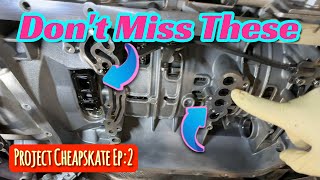
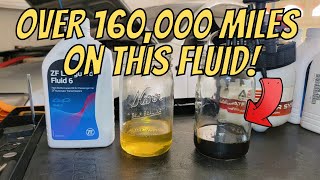
- Whining Noise and Limp Mode: A high-pitched whining sound that changes with engine speed, potentially followed by the transmission going into "limp mode" (a fail-safe mode, often stuck in one gear), can indicate a loss of internal fluid pressure. This may be caused by a dislodged transmission filter. 🎬 Watch: Step-by-step Audi A6 transmission fluid and filter replacement
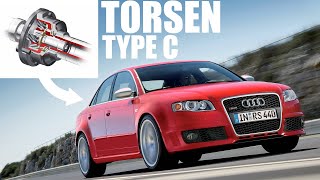
- Shuddering in Turns: A rumbling or shuddering sensation from the center of the car during tight, low-speed turns (like in a parking garage) points to an issue with the integrated Torsen center differential, not the transmission gears themselves. 🎬 Watch: How the Audi Torsen center differential works
Diagnostic Flowchart
Known Problems, Recalls, and Technical Service Bulletins (TSBs)
Several known issues affect this transmission family. Audi has addressed some of these with Technical Service Bulletins (TSBs), which are repair instructions for dealers.
Mechatronic Bridge Seal & Sleeve Failures
The mechatronic unit is the transmission's electro-hydraulic control center. Over time, the rubber adapter seal (bridge seal) that directs fluid pressure within this unit can crack and harden. This leads to pressure loss, causing harsh shifts (especially the 2-1 downshift), gear ratio error codes, and limp mode. Replacing the main bridge seal, the four small sealing sleeves, and the outer electrical connector sleeve is a common repair.
Torque Converter Lockup Clutch Slippage
Wear inside the torque converter—a fluid coupling that connects the engine to the transmission—can cause the lockup clutch to slip. This results in the 100-200 RPM fluctuations described earlier when cold. The only remedy is to replace or rebuild the torque converter.
Harsh Downshifts (TSB 2028053/2)
Audi released TSB 2028053/2 to address complaints of rough downshifts when slowing down. The solution involves a software update for the Transmission Control Module (TCM) and replacing the older transmission fluid with a newer, optimized fluid (ZF Lifeguard 8, Audi specification G 060 162 A2).
Transmission Filter Seal Failure (Codes 2701 & 2702)
A known issue involves the transmission filter seal failing. This allows the filter to come loose, causing the fluid pump to draw in air. This starves the transmission of hydraulic pressure, leading to whining noises and diagnostic trouble codes 2701 or 2702. The fix is to replace the filter and its seal.
Center Differential 'Quattro Rumble' (TSB 2059129)
This issue causes a shudder or humming noise in the center Torsen differential during tight cornering. TSB 2059129 addresses this by calling for a flush of the center differential and refilling it with specialized gear oil containing a friction modifier (Sturaço).
Replacement Cost Estimates
The cost to replace this transmission varies widely based on the type of part used. These estimates do not include required fluids or shop supplies. Shop labor is estimated at 7-14 hours.
| Part or Service | Estimated Cost (USD) |
|---|---|
| New OEM | $6,500 - $8,000+ (Dealer replacement can approach $9,900+) |
| Remanufactured | $3,500 - $7,700 |
| Used OEM | $525 - $1,200 |
| Installation Labor | $1,000 - $2,800 |
What's Included with a Used Assembly?

When purchasing a used transmission, it's important to know what parts are typically included. Based on industry standards from the Automotive Recyclers Association (ARA), here is what you should expect:
- Typically Included: The transmission case, all internally lubricated parts, the integrated front differential, the center Torsen differential, the extension/tail housing, the transmission oil pan, the torque converter, and the valve body with integrated control module (mechatronic).
- Typically Not Included: External sensors, external wiring harness beyond the integral connector, shifter assembly, shift linkage/cables, flexplate/flywheel, transmission cooler lines, and mounting hardware.
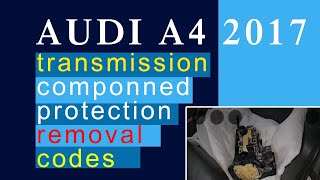
Warning: The included mechatronic unit contains the Transmission Control Module (TCM), which is electronically locked to the donor car's immobilizer system. This is called Component Protection. After installation, the vehicle will be in limp mode until an Audi dealer or a qualified specialist with an ODIS diagnostic tool removes this lock. This service can cost between $300 and $500.
What Fails at Every Mileage Band
Pro Tip: The mileage bands below describe what to expect from used replacement units of that mileage. The checklists provided are critical steps to perform WHILE INSTALLING the purchased transmission, not general maintenance for your current vehicle.
Under 60,000 Miles
While major mechanical failures are uncommon at this mileage, symptoms of future issues can begin to appear. These are often related to the Mechatronic unit and its seals. Harsh or delayed shifts, particularly the 2-1 downshift when coming to a stop, can be early signs of Mechatronic seal degradation or solenoid issues. Some owners report shuddering or RPM fluctuations at low speeds, which can be an early indicator of torque converter lock-up clutch problems.
- ✓Do during install (required): A full fluid and filter service with ZF Lifeguard 8 is highly recommended, as even low-mileage units can have fluid that is several years old.
- ✓Do during install (recommended): Inspect and replace the front torque converter seal (front pump seal).
- ✓Cheap insurance while the engine is out: Replacing the Mechatronic bridge seal, the four small sealing sleeves, and the outer electrical connector sleeve is cheap insurance against future leaks and pressure loss issues.
60,000 - 100,000 Miles
This is the mileage range where the Mechatronic bridge seal and other rubber seals are known to harden and crack, leading to internal pressure loss. Symptoms include harsh shifts (especially 2-1), flaring between gears, and intermittent gear engagement delays. Torque converter lock-up clutch (TCC) wear becomes more common, causing shuddering, vibration, and engine RPM hunting at steady cruising speeds. This can contaminate the fluid with debris, accelerating wear on other components. Pressure regulation solenoids within the Mechatronic unit can also begin to fail, causing erratic shifting, harsh engagement, and fault codes.
- ✓Do during install (required): Mandatory replacement of the pan/filter, ZF Lifeguard 8 fluid, Mechatronic bridge seal, all Mechatronic sealing sleeves, and the electrical connector sleeve. Thoroughly flush the transmission cooler and lines to remove any contaminated fluid and debris from the previous unit.
- ✓Do during install (recommended): Strongly consider having the torque converter rebuilt or replaced, especially if the donor vehicle's history is unknown or if any shuddering was present.
100,000 - 150,000 Miles
Failures of the Mechatronic bridge seal and sealing sleeves are highly likely if not previously replaced. Torque converter failure is a significant risk in this mileage band. Debris from a failing torque converter can clog the fluid cooler and damage the replacement transmission. Wear in the valve body itself, beyond just the solenoids and seals, can occur, especially if fluid changes have been neglected. This leads to persistent hydraulic pressure loss and shifting issues that a seal kit alone may not fix. Solenoid packs are a common failure item and are often replaced as a set.
- ✓Do during install (required): Complete fluid and filter (pan) replacement with ZF Lifeguard 8 is mandatory. Assume the torque converter needs replacement or rebuilding. Do not reuse a high-mileage torque converter.
- ✓Do during install (recommended): Perform a complete Mechatronic service: replace all solenoids, the bridge seal, all sealing sleeves, and the connector sleeve.
- ✓Cheap insurance while the engine is out: Replace the front (input) and rear (output) main seals on the transmission case as they are prone to leaking with age.
Over 150,000 Miles
At this mileage, the transmission is considered to be near the end of its expected service life without a rebuild, especially if maintenance has been deferred. Internal mechanical wear of clutch packs and bushings becomes a primary concern, in addition to all the previously mentioned Mechatronic and torque converter issues. Driving with failing seals or a bad torque converter accelerates this internal wear. Valve body wear is very likely, potentially requiring a remanufactured valve body for a reliable repair.
- ✓Do during install (required): Budget for a full professional rebuild, as installing a unit with this mileage without addressing internal wear is extremely risky and likely to fail shortly after installation. A comprehensive rebuild of the Mechatronic unit (all seals and solenoids) and a new or remanufactured torque converter are required for any chance of reliability.
- ✓Do during install (recommended): A used transmission in this mileage band should be considered a core for rebuilding rather than a direct plug-and-play unit.
Real Owner Experiences
| Source | Mileage | What Happened | Cost |
|---|---|---|---|
| audi-revolution.com | 55,000 | Owner opted for a preventative transmission fluid flush and replacement. Noted a massive improvement in shift quality, with quicker, smoother, and more direct shifts. The owner stated there was no more clunkiness or hesitation. | Not specified, part of a larger service. |
| Reddit r/Audi | 80,000 | A 2019 A6 (different transmission but relevant symptoms) experienced a sudden malfunction with codes P2831/P2832, resulting in limp mode. The dealer quoted $25,000 for a full replacement without deeper diagnostics. This highlights the importance of finding a specialist who will diagnose versus just replace. | $25,000 (quoted for full replacement) |
| Bimmerpost Forums | 90,000 | Owner of a BMW with a ZF 6HP transmission experienced RPM flare when shifting from 3rd to 4th gear. A fluid change made the problem more pronounced initially. Later, the transmission would slip completely in 5th gear. The issue was suspected to be related to valve body solenoids or seals. | Not specified (DIY diagnosis phase) |
| BobIsTheOilGuy Forums | 120,000 | Owner of a BMW with a ZF 6HP19 performed a fluid and filter change due to minor shifting issues and age. The old fluid was black, and analysis showed normal amounts of clutch material and metal shavings for the mileage. A transmission adaptation reset after the fluid change resolved the shifting issues. | DIY fluid and filter change. |
| Bimmerpost Forums | 155,000 km (approx. 96,000 miles) | Owner reports a rough 2-1 downshift even after a fluid and filter change at 120,000 km. Forum members suggested the cause could be worn gearbox sleeves, seals, and solenoids that were not replaced during the fluid service. | Not specified. |
| 130,000 Km | 2016 Audi S7 (different but related transmission) quoted $10,000 for Mechatronic unit, with a warning that a full $27,000 transmission replacement might be needed. Seeking a second opinion from an independent German auto shop after the dealer did not check the fluid level before diagnosis. | Pending second diagnosis. | |
| AudiWorld Forums | 170,000 | A prospective buyer was concerned about a transmission with 170k miles and no service records. A forum member responded that they shouldn't worry excessively, citing examples of these transmissions reaching 200k+ miles without major issues, though service is always recommended. | N/A |
| Reddit r/E90 | 240,000 miles | An owner commented that their ZF transmission has reached 240,000 miles and is still running, demonstrating the potential for high mileage. | N/A |
| Unknown | 2015 Audi A3 (different part, same issue) bought a used MMI unit for $150 and was seeking a shop to remove the Component Protection. | Dealer charges for Component Protection removal are estimated at one hour of labor. | |
| AudiWorld Forums | Approaching 200k | 2010 Audi A6 3.0T forum discussion about the longevity and reliability of the transmission, noting that many run for over 200k miles without major service, despite Audi's 'lifetime' fluid recommendation. | N/A |
Repair or Replace?

Deciding whether to repair your existing transmission or replace it with a used unit depends heavily on the symptoms.
| Repair Scenario | Estimated Cost | When to Consider This Repair |
|---|---|---|
| Mechatronic Bridge Seal & Sleeve Failures | $700 - $1,500 | Makes sense if there is no evidence of widespread internal damage and the only symptom is a harsh 2-1 downshift. The parts are inexpensive ($45-$65 for a seal kit), but the labor involves removing the valve body. |
| Torque Converter Lockup Clutch Slippage | $1,000 - $2,000 | Viable if the RPM fluctuation is the only symptom and the transmission fluid is clean. The torque converter part itself costs between $150 and $400, but the transmission must be removed to replace it (5-10 hours of labor). |
| Component Protection Programming | $300 - $500 | This is not a failure, but a required programming step after installing a used transmission or mechatronic unit. Some dealers charge a flat one-hour labor fee. |
When Replacement is Smarter: Replacement with a quality used unit (typically running $525 - $1,200) or a remanufactured unit is smarter when there are multiple failure symptoms, such as loud whining noises, slipping in multiple gears, and metal debris found in the transmission fluid pan. In these cases, the cost of diagnosing and repairing multiple internal components can quickly exceed the cost of a complete replacement unit.
Pro Tip: Before committing to a repair, ask your installer these key questions to ensure they are qualified for the job and that the quote is comprehensive.
Questions to Ask Your Installer
- Have you worked on ZF 6HP transmissions before, and are you familiar with the fluid fill procedure at a specific temperature?
- Do you have the ODIS diagnostic tool to perform the Component Protection removal, or will I need to take it to a dealer afterward?
- Does your quote include replacing common 'while you're in there' parts like the mechatronic connector sleeve, bridge seal, and torque converter seal?
- How will you flush the transmission cooler and lines to prevent debris from contaminating the replacement unit?
- Can you confirm the transmission code on my vehicle is 'MCC' before ordering the part?
Freight and Delivery Reality

A complete ZF 6HP transmission assembly is a heavy, bulky item. Verified shipping data shows this unit weighs approximately 210 lbs and measures roughly 48" x 40" x 24" before crating. Because of this size and weight, it ships as LTL (Less Than Truckload) freight on a wooden pallet. It is NOT a parcel that will be dropped off by a standard delivery van.
Warning: If you are having the transmission delivered to a residential address or a shop without a loading dock or forklift, you must request a truck with a liftgate. Always inspect the transmission carefully while it is still on the pallet and before signing the delivery receipt. Check for any damage to the oil pan, bellhousing, or electrical connectors that may have occurred during transit.
Before purchasing, perform a pre-purchase verification interview with the seller to confirm the 3-letter transmission code is exactly MCC and that it came from a 3.0L Supercharged V6 Quattro.
Frequently Asked Questions
Do I have to program a used transmission?
Yes. The Component Protection feature must be removed by a dealer or specialist with the proper ODIS diagnostic tool. Alternatively, a technician can swap the original mechatronic unit from your old transmission into the replacement unit, which bypasses the security programming but is a complex, labor-intensive job. Both methods require an adaptive relearn post-install.
What fluid does the 2010-2011 A6 3.0L transmission use?
This transmission requires a specific fluid, ZF Lifeguard 8 (also sold by Audi as part number G 060 162 A2). Using a generic multi-vehicle ATF will cause shifting problems and can lead to premature failure.
Can I just replace the mechatronic unit?
Yes, the mechatronic unit can be replaced independently. However, a new or used mechatronic will also trigger Component Protection and require programming. A remanufactured mechatronic unit alone can cost over $4,000.
What is the expected service life of this transmission?
The expected service life is heavily dependent on maintenance. While Audi marketed the fluid as "lifetime," the manufacturer ZF recommends a fluid and filter change every 60,000 to 75,000 miles. With regular fluid services, many units can exceed 200,000 miles. Without regular maintenance, significant problems can arise starting around 60,000-80,000 miles.
What special tools are required for installation?
Installation requires an expert DIY skill level and special tools including Triple-square (XZN) sockets, a 17mm Allen/hex socket, a transmission fluid pump, a VCDS (VAG-COM) or ODIS diagnostic tool, and an engine support bar.
What are the common installation gotchas?
Warning: Ensure the torque converter is fully seated onto the transmission input shaft and oil pump gears before bolting to the engine to prevent cracking the oil pump. The vehicle must be perfectly level during fluid fill, and the final fluid level check must be done while the engine is idling and the fluid temperature is strictly between 35°C and 45°C. Also, ensure alignment dowels on the engine block are in place and not double-stacked or missing.
Helpful Videos
Technical Specifications
OEM Part Numbers: 1071 040 102 G 060 162 A2
Audi Code: 09L; Transmission Code: MCC; ZF Family: 6HP; ZF Parts List Number: 1071 040 102; ZF Identifier: AL420-6Q; Drivetrain: Quattro All-Wheel Drive; Layout: Longitudinal Transaxle; Required Fluid: ZF Lifeguard 8; Weight: Approx. 210 lbs
We Have This Part in Stock


The information in this article is provided for general reference and educational purposes only. Vehicle specifications, procedures, and part compatibility can vary by production date, trim level, and region. Always consult your vehicle's factory service manual and verify part numbers before purchasing or performing repairs. Safety-critical components such as airbags, seat belts, and braking systems should be installed by a qualified professional.
- Audi A6:
- 🎬 Helpful Videos
- 🛍️ Shop This Part
- Part Identification: Confirming the Correct Transmission
- Common Failure Symptoms
- Diagnostic Flowchart
- Known Problems, Recalls, and Technical Service Bulletins (TSBs)
- Mechatronic Bridge Seal & Sleeve Failures
- Torque Converter Lockup Clutch Slippage
- Harsh Downshifts (TSB 2028053/2)
- Transmission Filter Seal Failure (Codes 2701 & 2702)
- Center Differential 'Quattro Rumble' (TSB 2059129)
- Replacement Cost Estimates
- What's Included with a Used Assembly?
- What Fails at Every Mileage Band
- Under 60,000 Miles
- 60,000 - 100,000 Miles
- 100,000 - 150,000 Miles
- Over 150,000 Miles
- Real Owner Experiences
- Repair or Replace?
- Questions to Ask Your Installer
- Freight and Delivery Reality
- Frequently Asked Questions
- 🎟️ Get 5% Off