

2014-2017 Audi A5 ZF 8HP55A: Problems, Identification, and Used Replacement
Identifying the PRU code, common mechatronic failures, and what to know before installing a used OEM replacement unit.
- You must match the three-letter transmission code 'PRU' exactly before purchasing a used unit, as other 8HP55A variants are not interchangeable.
- Ignore Audi's 'lifetime fluid' claim and follow ZF's recommendation to change the fluid and filter every 50,000 to 75,000 miles to prevent premature failure.
- Installation of a used transmission requires an Audi dealer or specialist with an ODIS tool to remove 'Component Protection' and program the replacement unit to the vehicle.
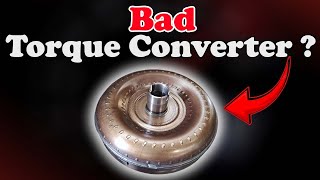
- When buying a used unit over 100,000 miles, plan to replace the torque converter during installation as it is a primary failure point and a common cause of shuddering.
- Do not swap the mechatronic unit from your old transmission into the replacement to avoid programming, as hardware mismatches can cause severe damage.
Identifying the Correct Transmission

The 2014–2017 Audi A5 with the 2.0L turbocharged engine and quattro All-Wheel Drive uses a specific variant of the ZF 8HP55A 8-speed automatic transmission. This unit is an advanced, longitudinally mounted transaxle, meaning the transmission, front differential, and center differential are all housed in one case.
The most critical step before purchasing a used transmission is to verify the three-letter transmission code. For this specific vehicle range, you must match the code PRU. While other Audi models like the A4, A6, A8, and Q5 use the same basic 8HP55A family (also known by the Audi designation 0BK, or codes AL551-8Q and AL551), they are not interchangeable. Differences in mounting points, wiring harness pinouts, and internal computer calibrations will prevent them from working correctly.
How to Confirm Your Transmission Code
- Vehicle Data Sticker: The easiest way to find the code is on the factory data sticker. This white paper label is typically located in the spare tire well in the trunk. It lists various codes for the vehicle's build, including a three-letter engine code and a three-letter transmission code.
- Service Booklet: If the sticker is missing from the trunk, an exact duplicate is often placed on the inside front cover of the vehicle's original service booklet.
- Transmission Case Tag: The code is also found on a metal or plastic tag attached to the underside of the transmission itself near the oil pan. This tag will display the manufacturer code '8HP-55' and the specific Audi code 'PRU'. This is the most definitive check.
Pro Tip: Do not rely on visual identification alone. Another transmission code, 'NTA', was used in similar Audi A4 models. While mechanically very similar, the 'PRU' variant was specified for the slightly higher output engine in these A5s. Always match the PRU code exactly.
Expected Service Life and Maintenance

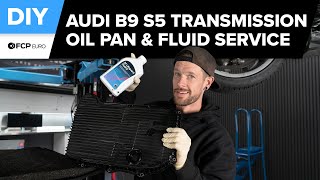
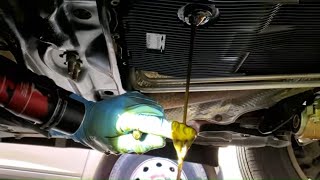
The ZF 8HP55A is a very reliable transmission, with many technicians reporting they rarely see internal failures except those caused by neglect. The single most critical factor for longevity is ignoring Audi's "lifetime fluid" recommendation and instead following the transmission manufacturer's (ZF) guideline. ZF recommends a fluid and filter change every 50,000 to 75,000 miles (80,000-120,000 km) for normal driving, 🎬 Watch: ZF 8HP transmission fluid and filter change guide or more frequently (40,000-60,000 miles) for severe conditions. With regular services, a service life of over 200,000 miles is achievable. Without maintenance, failures often occur after 100,000 miles.
Common Failure Symptoms
When this transmission begins to fail, it can exhibit a range of symptoms. Recognizing them early can help you determine if a replacement is necessary. Problems often start subtly and worsen over time.
Shuddering and Vibration
A vibration or shudder, often compared to driving over rumble strips, is a classic sign of a problem. This frequently points to the torque converter lock-up clutch wearing out or malfunctioning. The shudder is most noticeable during light acceleration, often between 40-50 mph, as the clutch 🎬 Watch: How to fix torque converter shudder with a flush tries to engage.
Harsh or Delayed Shifting
One of the most common complaints is a noticeable decline in shift quality. This can feel like:
- A significant delay and clunk when shifting from Park into Drive or Reverse.
- Harsh, jerky, or abrupt gear changes, especially in lower gears like 1-2 and 2-3.
- A sensation of the transmission slipping between gears, where the engine revs up but the car doesn't accelerate accordingly.
- In severe cases, the transmission may refuse to engage a gear at all, leaving the vehicle unable to move.
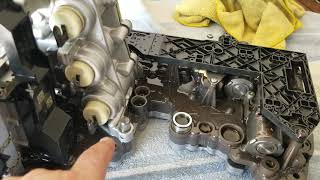
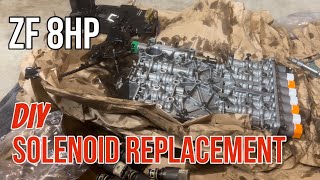
These symptoms often point to failures within the mechatronic unit—the complex electro-hydraulic control center inside the transmission—or its solenoids.
🎬 Watch: How to properly fit an Audi mechatronic unitWarning Lights and Limp Mode
A failing transmission will often trigger a warning on the dashboard, such as the "Check Engine" light or a specific gearbox malfunction message. The system may log fault codes related to pressure control, sensor failures, or the torque converter. In some cases, the transmission will enter "limp mode," a self-preservation state with limited gear availability, to prevent further damage.
Diagnostic Flowchart
Known Issues and Technical Service Bulletins (TSBs)
This transmission family has several well-documented weak points. While no specific recalls were found for the 2014-2017 A5 transmission itself, Audi has issued TSBs to address common complaints.
| Issue | Common Cause | Related TSB |
|---|---|---|
| Mechatronic and Solenoid Failure | Worn or clogged solenoids due to contaminated fluid, leading to harsh shifting, delays, and gear engagement faults. | N/A |
| Torque Converter Clutch Wear | Worn clutch sheds friction material, contaminating fluid and causing shuddering and overheating. | N/A |
| Hesitation / Harsh Downshifts | Outdated software calibration in the Transmission Control Module (TCM) and Engine Control Module (ECM). | TSB 2032812/6 |
| Wiring Connector Sleeve Leak | A common leak from the plastic electrical connector sleeve where the main harness plugs into the transmission. | N/A |
Warning: Dirty or degraded transmission fluid is a major cause of failure. It loses its lubricating properties and can't effectively cool the transmission, leading to overheating and accelerated wear on clutches and seals.
What Fails at Every Mileage Band
Pro Tip: The mileage bands below describe used replacement units of that mileage. The checklists provided are things to do WHILE INSTALLING the purchased engine or transmission, not maintenance for your current unit.
Under 60,000 Miles
Major internal failures are uncommon in this mileage range. Minor fluid leaks from seals or the mechatronics electrical connector sleeve can occur.
- ✓Do during install (required): Perform a complete fluid service with a new filter/pan assembly using OE-spec fluid (e.g., ZF Lifeguard 8). This establishes a known service baseline.
- ✓Do during install (recommended): Proactively replace the mechatronics connector sleeve and its O-ring seals. This is a very common leak point and is inexpensive to address while the transmission is out.
- ✓Cheap insurance while the engine is out: Replace the torque converter seal as a preventative measure.
60,000 - 100,000 Miles
This is the mileage window where issues typically begin to surface, especially if the initial fluid service was skipped. Symptoms include jerking, shuddering, or harsh/delayed shifts, particularly between 1st and 2nd gear. These symptoms often point to the early stages of mechatronic/solenoid failure or torque converter clutch issues, frequently caused by degraded fluid.
- ✓Do during install (required): Perform a complete fluid service with a new filter/pan, connector sleeve, and all external seals. Ensure the transmission cooler and lines are professionally flushed to remove any contaminated fluid and debris from the previous unit.
- ✓Do during install (recommended): Consider replacing the torque converter. At this mileage, the lock-up clutch may have significant wear.
- ✓Cheap insurance while the engine is out: Replacing the torque converter during the swap is far more cost-effective than doing it later. This is the #1 preventative item at this mileage.
100,000 - 150,000 Miles
Failures become significantly more common, especially on units that have not had regular fluid services. Defective mechatronic units and worn torque converter clutches are the most frequent causes of major issues like severe shift delays, jerking, and slipping. While many well-maintained units are reliable in this range, a lack of service history makes them a high risk.
- ✓Do during install (required): Replace the torque converter. It should be considered a wear item that has reached the end of its expected service life. Perform a complete service including a new filter/pan, fluid, mechatronics connector sleeve, and both axle output seals.
- ✓Do during install (recommended): Budget for potential mechatronic issues. While a full replacement is expensive, it is a primary failure point.
- ✓Cheap insurance while the engine is out: Do not swap the mechatronic unit from the old transmission to the replacement unit to avoid programming, as hardware mismatches can cause severe damage.
Over 150,000 Miles
Units can last to 200,000 miles and beyond, but only with a documented history of consistent fluid services. Without service history, a unit at this mileage is on borrowed time. Failures can be expected from any of the major components: torque converter, mechatronic/solenoids, and internal wear parts like bushings and clutch packs ('A', 'D', and 'E' clutches).
- ✓Do during install (required): Replace the torque converter, all seals, filter/pan, and fluid.
- ✓Do during install (recommended): A transmission with over 150,000 miles and unknown history should ideally be professionally rebuilt before installation. This includes replacement of clutch packs, seals, bushings, and a rebuilt mechatronic unit.
- ✓Cheap insurance while the engine is out: Purchasing a unit in this mileage band without planning for a rebuild is a significant financial risk. Rebuild it before it goes into the car.
Real Owner Experiences
| Source | Mileage | What Happened | Cost |
|---|---|---|---|
| Forum Report | ~38,000 miles | Owner reported a suspected mechatronics failure where the transmission would not engage a gear and the engine would just rev as if in neutral. This appears to be an atypical, early failure. | Not specified |
| General Forum Consensus | 60,000 - 100,000 miles | Owners report the onset of shifting problems like hesitation, jerking, and shuddering under light acceleration. These issues are often the first sign that the original 'lifetime' fluid is breaking down. | ~$500 to $2000+ |
| AutoDoc UK Report | From ~62,000 miles | Reports indicate a tendency for the 8-speed transmission to exhibit jerking, shift delays, or unintentional rolling, often traced back to defective mechatronic units or worn bearings. | $3,500+ |
| Forum Report | 336,000 miles | An owner reported their original ZF8 transmission reached 336k miles before the vehicle was retired. This demonstrates the potential longevity with proper care. | N/A |
| YouTube | 60,000 miles | Replaced the transmission with a used unit from a salvage yard. | Under $3,000 (approx. $500 for used transmission, $1,800 for labor, $200 for fluid/filter) |
| 130,000 Km | Quoted $9,200 for mechatronic unit replacement (deemed 'risky' by dealer) or $27,000-$32,000 for a full transmission replacement. Took the car to an independent shop for a second opinion. | Pending second opinion | |
| 60,000 miles | Quoted $3,600 for mechatronic unit replacement from dealer. Dealer opened a 'goodwill claim' with VW/Audi after the owner questioned the quote. | $1,200 after goodwill adjustment | |
| 105,000 miles | Quoted $30,000 from the dealership for a replacement. An independent specialist quoted and performed the replacement using a used, upgraded transmission. | $10,000 - $11,000 all-in |
Repair or Replace?

When facing transmission issues, deciding whether to repair a specific component or replace the entire unit depends on the failure mode and the quotes you receive. Used replacement units typically run $650 to $1,200 for the part itself. Remanufactured units range from $4,500 to $7,500, while brand new units from the dealer can cost $9,500 to over $20,000. Shop labor for installation generally adds $1,000 to $3,000 (7 to 12 hours of labor).
When Repair Makes Sense
- Mechatronic / Valve Body Failure: If fault codes point specifically to the mechatronic unit and there is no metal debris in the fluid, repair is viable. An independent ZF specialist typically charges $1,800 to $2,800 for a mechatronic exchange. Mail-in rebuild services cost $500 to $950 for the part. Dealer quotes for this repair can be extreme ($3,600 to $10,000+).
- Leaking Connector Sleeve: This is a common, minor leak. Repair costs $700 to $1,500 at an independent shop. It involves dropping the pan, replacing the sleeve/seals, and refilling with fluid.
- Torque Converter Clutch Failure: If shuddering is present but the transmission shifts correctly and fluid is clean, replacing just the torque converter makes sense. This costs $750 to $1,500 (part is $150-$500, plus 5-10 hours of labor to remove the transmission).
When Replacement is Smarter
Replacement with a quality used or remanufactured unit is the better choice when there is evidence of catastrophic internal failure, such as metal debris in the pan, multiple gear ratio faults, or when a dealer's quote for a single component repair (like the mechatronic unit) approaches or exceeds the all-in cost of a used transmission replacement from an independent shop ($2,500 - $5,000).
Questions to Ask Your Installer
- Are you familiar with Audi's 'Component Protection' system and do you have the licensed ODIS/GeKo tool to unlock the replacement TCM online?
- What is the all-in cost, including the Component Protection programming and the adaptation relearn procedure?
- Will you be using OE-spec G 060 162 A2 fluid, such as ZF Lifeguard 8, and a new filter/pan assembly?
- Does your process include a professional flush of the external transmission cooler and lines to prevent contamination?
- How do you verify correct torque converter seating before mating the transmission to the engine?
- How do you perform the final fluid level check within the required temperature window using a scan tool?
- Will you be replacing all the single-use aluminum stretch bolts for the crossmember and mounts?
Installation and Programming: Critical Considerations

Installing a used transmission in this Audi is a complex job for expert technicians and requires special tools, including a heavy-duty transmission jack, an engine support bar/bridge, Triple Square (XZN) and Torx bit sockets, an Audi-specific fluid filling adapter and pump, and a diagnostic scan tool capable of reading real-time fluid temperature (VCDS or ODIS).
Component Protection (Anti-Theft)
The most significant hurdle is a system called Component Protection (CP). The Transmission Control Module (TCM), which is part of the mechatronic unit inside the transmission, is electronically tied to the original vehicle's VIN.
- When a used transmission is installed, the car will recognize the mismatched part and activate Component Protection, locking the transmission in safe mode. The vehicle will not move.
- To unlock it, the vehicle must be taken to an Audi dealer or a qualified independent specialist with the official ODIS diagnostic tool and an online connection to Audi's servers (GeKo access).
- This "unlocking" procedure, which pairs the used part to the new vehicle, can cost between $200 and $500.
Warning: Do NOT swap the mechatronic unit from your old transmission into the new one to avoid programming. Audi made hardware changes during production (e.g., solenoid count differences), and a mismatched unit will cause severe shifting problems and potential damage to the clutch packs.
Required Procedures and Parts
- New Fluid and Filter: The system must be filled with new fluid meeting the Audi G 060 162 A2 specification. The transmission filter is integrated into the plastic oil pan, so the entire pan and gasket assembly must be replaced.
- Cooler Flush: The external transmission cooler and lines must be professionally flushed to remove any metal debris from the previously failed unit. Failure to do this will pump contaminants directly into your replacement transmission, causing it to fail quickly.
- Adaptation Relearn: After the Component Protection is removed, the TCM's adaptive shift values must be reset and a relearn procedure must be performed with a diagnostic tool.
- Torque Converter Seating: The converter must click into place multiple times and sit fully recessed. Bolting the transmission to the engine without full seating will crush the internal oil pump, destroying the unit.
- Fluid Fill Temperature Window: Final fluid level check must be performed with the engine running, vehicle level, and fluid temperature strictly between 30°C and 50°C (or 35-45°C depending on spec) monitored via scan tool.
- Crossmember Removal: The transmission crossmember must be completely removed to access the pan or upper bellhousing bolts; the transmission must be safely supported.
Freight and Delivery Reality

If you are ordering a used ZF 8HP55A transmission online, it will not arrive in a standard cardboard box via regular parcel service. This assembly weighs approximately 210 lbs and measures roughly 36" x 24" x 24" before crating. It ships as LTL (Less Than Truckload) freight on a wooden pallet.
Because of its size and weight, delivery requires a freight truck equipped with a liftgate if you are having it delivered to a residential address or a shop without a loading dock. Always inspect the transmission thoroughly while it is still on the pallet and before signing the driver's delivery receipt. Check for any physical damage to the aluminum case, the plastic oil pan, or the electrical connector sleeve that may have occurred during transit.
Before purchasing, perform a strict pre-purchase verification with the seller. Confirm that the transmission code on their unit is exactly PRU and that it was pulled from a 2.0L Turbo AWD (quattro) vehicle.
Arrival Inspection: What to Check Before Installation
When your used ZF 8HP55A transmission arrives, inspect it closely before putting it in the car. Finding a problem now saves you hours of wasted labor.
Pan and Magnet Inspection
Remove the transmission oil pan. Look at the magnets sitting inside the pan. A small amount of fine, gray paste is normal. This paste is just normal wear from the internal clutches. However, large metal flakes, shiny steel chunks, or brass-colored pieces mean internal parts are broken. If you see metal chunks, do not install the unit.
Fluid Color and Smell
Drain a small amount of fluid from the transmission. New ZF Lifeguard 8 fluid is bright green. Used fluid will naturally turn brown over time, which is normal for a recycled part. Pay close attention to the smell. The fluid should not look pitch black or smell like burnt toast. A strong burnt smell means the internal clutches slipped and burned up.
Converter Hub and Input Spline Condition
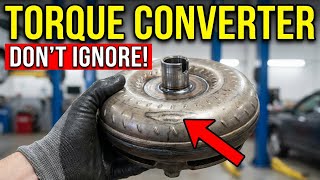
Inspect the torque converter (the large metal fluid bowl attached to the front of the transmission). Check the converter hub (the smooth metal tube sticking out of the back of the converter). If this tube has deep grooves where it rubs against the front pump seal, it will leak fluid.
Next, look at the input shaft splines (the grooved teeth that connect the transmission to the engine). The teeth must be perfectly straight. If the splines look twisted, worn flat, or chipped, the transmission suffered from severe abuse.
Frequently Asked Questions
What fluid does the ZF 8HP55A transmission take?
You must use an OE-spec fluid that meets Audi G 060 162 A2 specifications. Popular and approved options include ZF Lifeguard 8 or Liqui Moly Top Tec 1800. Do not use cheap, generic multi-vehicle ATF.
Can I swap my old mechatronic unit into the used transmission to avoid dealer programming fees?
No. This is a common buyer mistake. Audi made mid-generation hardware changes, and swapping a mismatched valve body will cause severe shifting issues, fault codes, and can ruin the internal clutch packs.
What is Component Protection?
Component Protection is Audi's anti-theft system. The Transmission Control Module (TCM) inside the transmission is electronically locked to the original vehicle's VIN. When you install a used transmission, it will lock into safe mode and prevent the car from moving until it is unlocked online by a dealer or specialist using the ODIS tool.
What parts are included when I buy a used transmission assembly?
According to standard auto recycler guidelines, a used assembly includes the transmission case, all internally lubricated parts, the extension/tail housing, the transmission oil pan, the torque converter, and the internal valve body/mechatronics unit. It does NOT include external sensors, external wiring harnesses, the shifter assembly, linkage/cables, the flexplate/flywheel, or external fluid cooler lines.
How do I properly check the fluid level after installation?
The final fluid level check is highly specific. It must be performed with the engine running, the vehicle completely level on a lift, and the transmission fluid temperature strictly between 30°C and 50°C. You must monitor this temperature in real-time using a diagnostic scan tool like VCDS or ODIS.
What is a mechatronic unit?
The mechatronic unit is the transmission's brain and nervous system combined. It is a module inside the transmission that houses the electronic Transmission Control Module (TCM) and the hydraulic valve body with its solenoids. It controls hydraulic pressure to engage clutches and shift gears based on commands from the car's computer.
What is a torque converter?
A torque converter is a fluid coupling that sits between the engine and the transmission on an automatic vehicle. It allows the engine to idle while the car is stopped in gear and multiplies the engine's torque to help the car accelerate from a stop.
Helpful Videos






Technical Specifications
OEM Part Numbers: 0BK AL551-8Q AL551
Vehicle Fitment: 2014-2017 Audi A5 (2.0L Turbo with quattro AWD); Transmission Type: ZF 8HP55A 8-speed automatic transaxle; Required Code: PRU; Audi Designation: 0BK; Mounting: Longitudinal; Drivetrain: All-Wheel Drive (quattro); Fluid Specification: Audi G 060 162 A2 (ZF Lifeguard 8); Approximate Weight: 210 lbs
We Have This Part in Stock



The information in this article is provided for general reference and educational purposes only. Vehicle specifications, procedures, and part compatibility can vary by production date, trim level, and region. Always consult your vehicle's factory service manual and verify part numbers before purchasing or performing repairs. Safety-critical components such as airbags, seat belts, and braking systems should be installed by a qualified professional.
- Audi A5:
- 🎬 Helpful Videos
- 🛍️ Shop This Part
- Identifying the Correct Transmission
- How to Confirm Your Transmission Code
- Expected Service Life and Maintenance
- Common Failure Symptoms
- Shuddering and Vibration
- Harsh or Delayed Shifting
- Warning Lights and Limp Mode
- Diagnostic Flowchart
- Known Issues and Technical Service Bulletins (TSBs)
- What Fails at Every Mileage Band
- Under 60,000 Miles
- 60,000 - 100,000 Miles
- 100,000 - 150,000 Miles
- Over 150,000 Miles
- Real Owner Experiences
- Repair or Replace?
- When Repair Makes Sense
- When Replacement is Smarter
- Questions to Ask Your Installer
- Installation and Programming: Critical Considerations
- Component Protection (Anti-Theft)
- Required Procedures and Parts
- Freight and Delivery Reality
- Arrival Inspection: What to Check Before Installation
- Pan and Magnet Inspection
- Fluid Color and Smell
- Converter Hub and Input Spline Condition
- Frequently Asked Questions
- 🎟️ Get 5% Off