

2018-2025 Mitsubishi Eclipse Cross TCCM: Solving AWD Faults and Programming
A complete guide to diagnosing, replacing, and the mandatory programming of the Transfer Case Control Module for the Mitsubishi Eclipse Cross.
- This module MUST be programmed to your vehicle's VIN after installation using a Mitsubishi-specific MUT-III scan tool or equivalent.
- Failure almost always triggers an 'AWD Service Required' message and disables the all-wheel-drive system, defaulting the car to FWD.
- When buying a used part, match the OEM part number exactly (8631B357 or 8631B957) and factor the cost of programming into your total repair budget.
- Before replacing the module, have a mechanic rule out simpler problems like blown fuses, bad wiring, or faulty ground connections.
Symptoms of a Failing Transfer Case Control Module
When the TCCM begins to fail, the symptoms are usually very clear. The vehicle is designed to detect a problem and disable the system to prevent damage. Here’s what you’ll likely experience:
- "AWD Service Required" or "4WD Service Required" Message: This is the most common and direct indicator of a problem within the all-wheel-drive system. The message will appear on the instrument cluster's information display.
- AWD System Disabled: The vehicle will default to two-wheel drive (2WD) or front-wheel drive (FWD) as a safety measure. You will lose the benefit of all-wheel drive traction.
- Warning Lights: In addition to the service message, the primary AWD or 4WD indicator light may illuminate or flash. Sometimes, related system lights like ABS or traction control may also light up, as these systems work together.
- Diagnostic Trouble Codes (DTCs): A scan tool will likely find specific codes stored in the vehicle's memory. Common codes related to TCCM failure include communication errors (U-series codes like U0102) or specific circuit faults related to the transfer case.
Known Issues, TSBs, and Recalls
As of mid-2026, there are no widespread recalls or Technical Service Bulletins (TSBs) specifically targeting the Transfer Case Control Module for the 2018-2025 Mitsubishi Eclipse Cross. However, some early models (2018-2019) were part of a recall for the Forward Collision Mitigation (FCM) system's software, indicating that electronic control unit issues are not unheard of for this vehicle. The most common owner complaints filed with the NHTSA for the Eclipse Cross are related to the general electrical system, which can encompass a variety of modules, including the TCCM.
Warning: This module is for All-Wheel Drive (AWD) models only. It will not fit on a Front-Wheel Drive (FWD) vehicle.
Programming: The Most Critical Step
Physically replacing the TCCM is only half the job. This module must be electronically programmed to your specific vehicle after installation.
- Why is programming required? The TCCM needs to be introduced to the vehicle's other computers. This process, often called VIN programming, links the module to your vehicle's unique Vehicle Identification Number (VIN). It ensures the TCCM can communicate correctly with the Engine Control Module (ECM), ABS module, and other components on the vehicle's data network (CAN bus). Without this step, the module will not function, and the "AWD Service Required" light will remain on.
- Who can program the module? This is not a typical DIY task. Programming requires a specialized diagnostic tool. A Mitsubishi dealership will have the official M.U.T.-III (Multi-Use Tester) scan tool, which is guaranteed to perform the function. Some high-end independent repair shops may also have aftermarket tools with the necessary software to program Mitsubishi modules, but you should always confirm this with the shop beforehand. A standard OBD-II code reader cannot program this module.
Pro Tip: Before paying for a new module and programming, have a technician check for simpler issues first. A blown fuse, corroded wiring, or a faulty ground connection can mimic the symptoms of a dead module and are much cheaper to fix.
Buying a Used Transfer Case Control Module: What to Know
A used OEM module is an excellent way to save money, as long as you account for the required programming. Here’s how to buy a good one:
- Match the Part Number: This is the most important step. The primary OEM part number is 8631B357. Some later models may use 8631B957. Always verify the number on your original module before ordering a replacement. While they may look identical, internal hardware or software differences can make them incompatible.
- Inspect for Damage: Check the photos of the used part carefully. Look for any signs of physical damage, especially corrosion on the connector pins. Water intrusion is a common cause of failure for electronic modules, so avoid any parts that show signs of water damage or rust.
- Factor in Programming Costs: Remember that a used module is just a paperweight until it's programmed. When comparing the price of a used module to a new one, call your local dealer or a trusted independent shop first to get a quote for programming. This can add $100-$250 or more to the total repair cost.
- Why Used OEM is a Smart Choice: A tested, used OEM module from a reputable supplier is often more reliable than a new, unproven aftermarket part. Since it was made by Mitsubishi, you know the quality and fitment are to factory standards. Once programmed, it will function exactly like a new one.
Replacement Cost Comparison
Prices can vary by location and supplier. The costs below are estimates as of mid-2026.
| Item | Estimated Cost |
|---|---|
| New OEM Module | $520 - $710 |
| Used OEM Module | $50 - $150 |
| Shop Labor (Physical Swap) | $100 - $200 (approx. 1 hour) |
| Dealer Programming | $125 - $250 |
| Total New (Installed & Programmed) | $745 - $1,160 |
| Total Used (Installed & Programmed) | $275 - $600 |
Frequently Asked Questions (FAQ)
Do I have to get my Eclipse Cross programmed at the dealer?
While the dealer is a guaranteed option, some independent shops with advanced, Mitsubishi-compatible scan tools (like an Autel or Snap-on with the right software, or a dedicated MUT-III) can also perform the programming. Always call and ask specifically if they can program a new or used Transfer Case Control Module for your vehicle before booking an appointment.
Where is the transfer case control module located?
On most modern vehicles, the TCCM is located inside the passenger cabin to protect it from the elements. It is typically found under the dashboard on the driver's or passenger's side, or behind a kick panel. The OBD-II port, which technicians use to communicate with modules, is located under the driver's side dash in the Eclipse Cross.
Can I drive my Eclipse Cross with a bad TCCM?
Yes, but with limitations. The vehicle will be safe to drive as it will simply operate in front-wheel drive (FWD). However, you will not have the traction and stability benefits of all-wheel drive, so you should exercise extra caution in slippery conditions like rain, snow, or on gravel roads.
What OBD codes point to a bad TCCM?
The most definitive codes are U-series codes, which indicate a loss of communication between modules. A code like U0102 (Lost Communication With Transfer Case Control Module) is a strong pointer. Other codes could relate to sensor inputs or actuator circuits that the TCCM controls. It is essential to have the codes read by a professional-grade scan tool that can communicate with all of the vehicle's modules, not just the engine computer.
Technical Specifications
OEM Part Numbers: 8631B357 8631B957
Requires VIN programming with Mitsubishi MUT-III diagnostic tool or equivalent J2534 device.
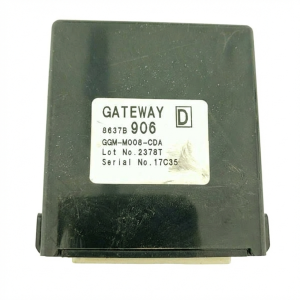
We Have This Part in Stock



The information in this article is provided for general reference and educational purposes only. Vehicle specifications, procedures, and part compatibility can vary by production date, trim level, and region. Always consult your vehicle's factory service manual and verify part numbers before purchasing or performing repairs. Safety-critical components such as airbags, seat belts, and braking systems should be installed by a qualified professional.
- Mitsubishi Eclipse Cross: