

2006-2008 Lexus IS250 & IS350 AWD Control Module: Diagnosis and Replacement Guide
This guide covers the common failure symptoms, replacement, and programming requirements for the All-Wheel Drive control module in your 2006-2008 Lexus IS250 or IS350.
- This module is for 2006-2008 Lexus IS250 & IS350 AWD models ONLY and will not work on RWD cars.
- A replacement module will likely require programming with Toyota's Techstream software to function correctly.
- The module is located in the trunk, behind the passenger-side rear quarter panel trim.
- Failure results in a disabled AWD system, with the car operating in RWD mode. Key fault codes include U0102, C1241, and U0216.
Symptoms of a Failing Transfer Case Control Module
When the AWD control module begins to fail, your vehicle will provide several distinct warnings. The most common sign is the illumination of a warning light on your instrument cluster. You may also notice a change in how the vehicle drives, especially in low-traction situations.
- AWD Warning Light: The most direct symptom is an "AWD" or similar warning light appearing on the dashboard. This indicates the system has detected a fault and has likely been disabled.
- Check Engine Light: A general Check Engine Light may also illuminate, storing diagnostic trouble codes (DTCs) that can be read with an OBD-II scanner.
- Loss of All-Wheel Drive: The vehicle will revert to rear-wheel drive. You may notice a loss of traction when accelerating from a stop on wet or loose surfaces.
- Diagnostic Trouble Codes (DTCs): Specific codes point directly to a module issue. The most common code is U0102, which means "Lost Communication with Transfer Case Control Module". Service manuals for the 2007 IS250 AWD also list codes C1241/94 and U0216/84 as being related to transfer case faults.
Warning: This module is ONLY for All-Wheel Drive (AWD) models of the 2006-2008 Lexus IS250 and IS350. It is not compatible with and will not work on Rear-Wheel Drive (RWD) vehicles.
Known Issues, TSBs, and Recalls
As of mid-2026, there are no specific recalls or Technical Service Bulletins (TSBs) from Lexus or the NHTSA that directly address the transfer case control module for the 2006-2008 IS250 or IS350.
However, these vehicles were subject to several other important safety recalls, including those for Takata airbags, fuel system leaks, and valve springs. It is recommended to check your vehicle's VIN on the NHTSA website to ensure all applicable recalls have been performed.
Programming and Installation Requirements
This is the most critical consideration when replacing this module. While specific documentation is scarce, Toyota and Lexus electronic modules from this era often require initialization or programming to the vehicle.
Used parts sellers frequently note that programming may be necessary for electronic components to function correctly. The standard procedure for many Lexus modules involves using the dealer-level diagnostic tool, called Toyota Techstream, to sync the new module with the vehicle. While the immobilizer system is not tied to this specific module, failure to program it may result in a persistent AWD warning light and a non-functional system.
It is strongly recommended that you or your mechanic have a plan to program the module after installation. This may require a visit to a Lexus dealership or an independent shop that specializes in Toyota/Lexus electronics and has access to Techstream software.
Buying a Used Transfer Case Control Module: What to Look For
Since new OEM modules are often discontinued and no aftermarket alternatives exist, a used OEM part is the most practical solution. Here’s what to check when buying one:
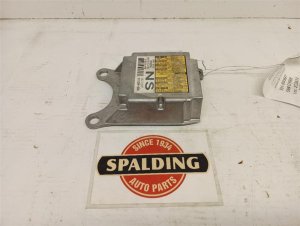
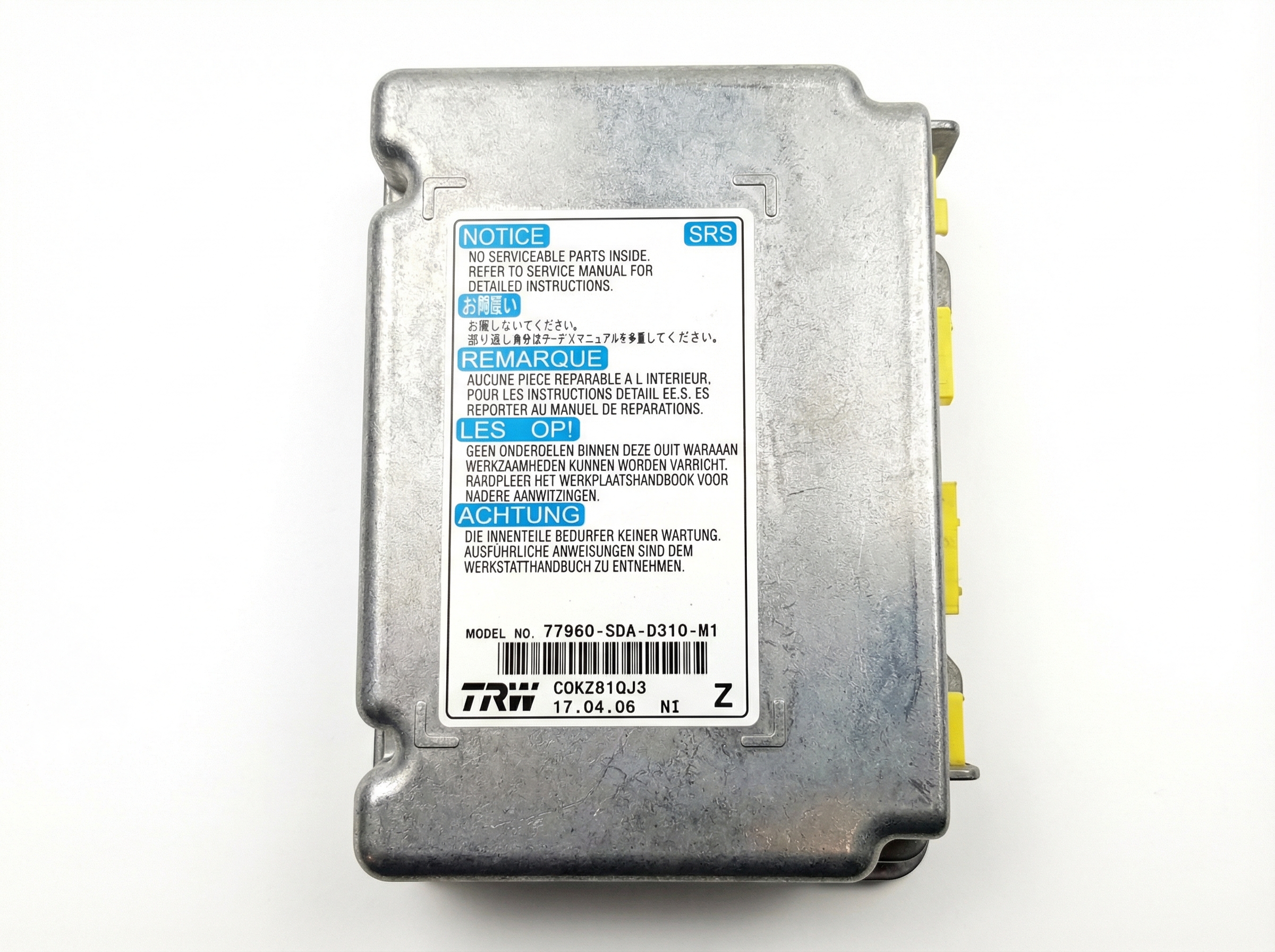
- Verify the Part Number: The correct OEM part number is 89630-53010. You may also see a manufacturer number, 079500-9161, printed on the unit. Ensure the number on the replacement part matches your original module exactly.
- Inspect for Physical Damage: Check the casing for cracks or signs of being forced open. Pay close attention to the electrical connector pins—they should be straight, clean, and free of any green or white corrosion.
- Look for Water Damage: The module is located in the right-hand (passenger side) rear quarter panel, an area that can be susceptible to moisture from a leaking window seal or trunk gasket. Any sign of water marks, rust, or corrosion on the casing or connectors is a major red flag.
- Source from a Reputable Seller: Purchase from a seller who offers a warranty and a return policy. This gives you protection in case the part is dead on arrival.
Pro Tip: Before condemning the module, always check the related fuses first. A simple blown fuse can disable the module and mimic the symptoms of a complete failure.
Replacement Location and Procedure Overview
The transfer case control module is located inside the vehicle, in the trunk area behind the trim on the right-hand (passenger side) rear quarter panel. Replacement is straightforward for a DIY mechanic with basic tools.
- Disconnect the Battery: Always disconnect the negative battery terminal before working on any electronic components.
- Access the Module: Remove the trunk floor covering and the plastic trim panels on the right side of the trunk to expose the module.
- Unbolt the Module: It is typically held in place by a few 10mm nuts. Remove the nuts and slide the module off its mounting studs.
- Swap Connectors: Carefully disconnect the electrical connectors from the old module and plug them into the replacement unit.
- Reassemble: Mount the new module, reinstall the trim panels, and reconnect the battery.
- Test and Program: After installation, the vehicle will need to be tested. If the AWD light remains on, the module will likely require programming as described above.
Cost Comparison
The cost to fix a faulty AWD module is relatively low, especially when using a recycled OEM part.
| Part Type | Estimated Cost |
|---|---|
| New OEM | $300 - $500 (Largely discontinued) |
| New Aftermarket | Not Available |
| Used OEM | $30 - $75 |
| Shop Labor (Replacement) | $100 - $180 (1.0-1.5 hours) |
| Shop Labor (Programming) | $75 - $150 (0.5-1.0 hour, if needed) |
Frequently Asked Questions (FAQ)
Does a used 2006-2008 IS250/IS350 AWD module need to be programmed?
Most likely, yes. While it may occasionally work as a plug-and-play replacement, you should plan for it to require programming with Toyota's Techstream software to ensure it communicates correctly with your vehicle and extinguishes the AWD warning light.
Where is the transfer case control module located on the Lexus IS250/IS350 AWD?
It is located in the trunk, behind the trim panel on the right-hand (passenger side) rear quarter panel.
Can I drive my Lexus with a bad transfer case control module?
Yes, but the vehicle will operate in rear-wheel drive only. Your all-wheel drive system will be disabled, which will significantly reduce traction on slippery surfaces like rain, snow, or ice. Drive with extra caution in these conditions.
Is the AWD control module the same as the main engine computer (ECU)?
No, they are separate components. The main Engine Control Unit (ECU) or Engine Control Module (ECM) manages the engine's performance. This part, the Transfer Case Control Module, is a smaller, dedicated computer that only manages the all-wheel drive system.
Technical Specifications
OEM Part Numbers: 89630-53010
Manufacturer Part Number: 079500-9161 (ADVICS)
We Have This Part in Stock



The information in this article is provided for general reference and educational purposes only. Vehicle specifications, procedures, and part compatibility can vary by production date, trim level, and region. Always consult your vehicle's factory service manual and verify part numbers before purchasing or performing repairs. Safety-critical components such as airbags, seat belts, and braking systems should be installed by a qualified professional.
- Lexus IS350:
- Lexus IS250:
- 🛍️ Shop This Part
- Symptoms of a Failing Transfer Case Control Module
- Known Issues, TSBs, and Recalls
- Programming and Installation Requirements
- Buying a Used Transfer Case Control Module: What to Look For
- Replacement Location and Procedure Overview
- Cost Comparison
- Frequently Asked Questions (FAQ)
- 🎟️ Get 5% Off