

2006-2011 Lexus GS300 & GS350 AWD Module Failure: Diagnosing the 'Check AWD' Light
This guide explains common failures, symptoms, and replacement requirements for the Transfer Case Control Module in All-Wheel Drive Lexus GS models.
- This module is ONLY for All-Wheel Drive (AWD) models of the 2006 GS300 and 2007-2011 GS350.
- The primary symptom of failure is a 'Check AWD' light on the dash, which typically disables the AWD system.
- This module is generally plug-and-play and does NOT require special programming or a dealer visit after installation.
- Before replacing the module, rule out simpler issues like a weak battery, mismatched tires, or a faulty wheel speed sensor, which can also trigger the AWD light.
Symptoms of a Failing Transfer Case Control Module
A problem with the Transfer Case Control Module (TCCM) can present in several ways. Often, the first and most obvious sign is a message on your dashboard.
- "Check AWD" Warning Light: The most common symptom is the illumination of the "Check AWD" message on the instrument cluster's info panel, often accompanied by a warning chime. This indicates the system has detected a fault and has likely disabled the AWD functionality, reverting the car to two-wheel drive mode.
- Inability to Engage or Disengage 4WD: While the GS models have a full-time AWD system, a faulty module can prevent it from operating correctly, effectively leaving the vehicle in rear-wheel drive. You may notice decreased traction on slippery surfaces.
- Associated Warning Lights: Sometimes, an AWD fault can be triggered by issues in related systems. A "Check AWD" light may appear alongside the Check Engine Light or Traction Control (VSC) light.
- No Specific OBD-II Codes: In some cases, a generic OBD-II scanner may not pull any trouble codes even when the "Check AWD" light is on. This can make diagnosis tricky. A more advanced scan tool, like Toyota's Techstream software, is often needed to read manufacturer-specific codes from the AWD module itself.
Pro Tip: Before assuming the module is bad, check for simpler causes. A loose gas cap, a weak or dying battery, or even mismatched tire sizes (like when using a compact spare) can sometimes trigger the "Check AWD" light on these vehicles. Resolving these issues and disconnecting the battery for a few minutes may clear the light.
Known Issues, TSBs, and Recalls
While there are no specific recalls for the Transfer Case Control Module itself, several service campaigns and Technical Service Bulletins (TSBs) are relevant to the 2006 GS300 and 2007-2011 GS350.
- 2006 GS300 Recalls: The 2006 GS300 was subject to recalls for potential fuel rail, fuel pipe, and brake master cylinder leaks. While not directly related to the TCCM, these highlight the importance of addressing any open campaigns on a used vehicle.
- 2006 GS300 Harsh Downshift TSB (L-SB-0126-12): Some 2006 GS300 models exhibited a harsh 2-1 downshift. The official Lexus fix for this condition was to replace the main Engine Control Module (ECM), not the TCCM.
No widespread, module-specific TSBs or recalls were found for the 2007-2011 GS350 during research. Most issues reported by owners in forums relate to individual component failures rather than a systemic design flaw.
Programming and Installation: Is a Dealer Visit Required?
This is the most critical question for buyers of this part. Based on available information, the Transfer Case Control Module for these Lexus GS models is generally considered plug-and-play and does not require programming or flashing after installation. Unlike the main Engine Control Module (ECM) or immobilizer-related components, the TCCM does not appear to be coded to the vehicle's VIN.
However, after installation, it is good practice to perform a "Reset Memory" or "A/T Code Reset" procedure using a professional scan tool like Toyota Techstream. This clears any stored fault codes and allows the system to re-learn its operational parameters. While not always strictly necessary, it ensures the system starts fresh. An independent shop with professional-grade Toyota/Lexus diagnostic software can perform this; a dealer visit is not typically required.
Warning: Do not confuse this Transfer Case Control Module (TCCM) with the main Engine Control Module (ECM/PCM). The ECM is a different part that absolutely requires programming and is linked to the vehicle's immobilizer system.
Buying a Used Transfer Case Control Module: What to Look For
Purchasing a used OEM module is a cost-effective way to resolve AWD issues. Since new aftermarket options are not readily available, a recycled part is the most common repair path.
Why Choose a Used OEM Module?
For complex electronics like this, a genuine used OEM part that has been tested is often more reliable than a new, unproven aftermarket part. The OEM module was designed and validated by Lexus for this specific platform, ensuring proper communication with the vehicle's other computers.
Physical Inspection Checklist
Before purchasing, inspect the used module carefully:
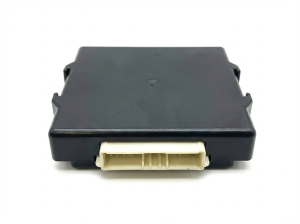
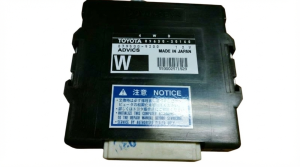
- Check the Part Number: The most important step. Ensure the part number on the used module matches your original one exactly. The primary part number for these vehicles is 89630-30120.
- Inspect Connectors: Look for any bent, corroded, or damaged pins in the electrical connectors. Any damage here can cause communication errors.
- Look for Water Damage: The module is located inside the vehicle's cabin, typically in the instrument panel area. While less exposed than under-vehicle components, leaks from a windshield or sunroof can still cause damage. Look for any signs of corrosion or water stains on the casing.
- Check the Casing: Ensure the plastic casing is not cracked or broken, which could indicate it was handled improperly during removal.
Replacement Cost Breakdown
The cost to replace the Transfer Case Control Module can vary significantly depending on the part source and labor rates.
| Item | Estimated Cost |
|---|---|
| New OEM (Dealer) | $650 - $950+ (Part Only) |
| New Aftermarket | Not Widely Available |
| Used OEM (Recycled) | $50 - $150 |
| Shop Labor | $100 - $200 (est. 1.0-1.5 hours) |
Frequently Asked Questions (FAQ)
Where is the Transfer Case Control Module located on the 2006-2011 Lexus GS?
The module is located inside the cabin, within the instrument panel assembly. Access typically requires removing some of the lower dashboard panels on the driver's side.
Can I drive my Lexus GS with a bad Transfer Case Control Module?
Yes, but with limitations. When the module fails, the AWD system is typically disabled, and the car will operate in rear-wheel drive only. While the car is mechanically safe to drive, you will not have the benefit of all-wheel drive traction on wet, snowy, or icy roads. It is advisable to get the issue repaired to restore full vehicle capability.
Will this module work on my Rear-Wheel Drive (RWD) Lexus GS?
No. This module is only for All-Wheel Drive (AWD) models. It has no function on a RWD vehicle and the wiring harnesses are not present to connect it.
My mechanic says the problem is a wheel speed sensor. Could that cause the 'Check AWD' light?
Yes, absolutely. The AWD system relies on accurate readings from all four wheel speed sensors (also used by the ABS system). A fault in any one of these sensors can trigger the 'Check AWD' light. It is a common cause for this warning and should be properly diagnosed before replacing the control module.
Technical Specifications
OEM Part Numbers: 89630-30120
This module controls the planetary gear-type center differential and its wet multi-plate clutch to manage the front/rear torque split in AWD models.
We Have This Part in Stock


The information in this article is provided for general reference and educational purposes only. Vehicle specifications, procedures, and part compatibility can vary by production date, trim level, and region. Always consult your vehicle's factory service manual and verify part numbers before purchasing or performing repairs. Safety-critical components such as airbags, seat belts, and braking systems should be installed by a qualified professional.
- Lexus GS350:
- Lexus GS300:
- 🛍️ Shop This Part
- Symptoms of a Failing Transfer Case Control Module
- Known Issues, TSBs, and Recalls
- Programming and Installation: Is a Dealer Visit Required?
- Buying a Used Transfer Case Control Module: What to Look For
- Why Choose a Used OEM Module?
- Physical Inspection Checklist
- Replacement Cost Breakdown
- Frequently Asked Questions (FAQ)
- 🎟️ Get 5% Off