

2017-2018 Honda CR-V AWD Control Module: Fixing the 'AWD System Problem' Light
This guide covers the diagnosis, replacement, and critical programming requirements for the Transfer Case Control Module in 2017-2018 Honda CR-V AWD models.
- The primary symptom of failure is the 'All-Wheel Drive System Problem' warning light on the dash.
- Before replacing the module, ALWAYS change the rear differential fluid with genuine Honda fluid, as this is a very common and cheaper fix for the same warning light.
- A replacement module (both new and used) MUST be programmed to the vehicle by a Honda dealer or a specialized shop with the correct software.
- When buying a used module, match the OEM part number exactly (48310-5TG-A51 or 48310-5TG-A52) and purchase from a seller that offers a warranty.
Symptoms of a Failing 2017-2018 CR-V AWD Control Module

A faulty AWD control module typically gives one very clear sign of failure. Unlike mechanical parts, electronic modules often fail suddenly and without physical symptoms like noise or leaks.
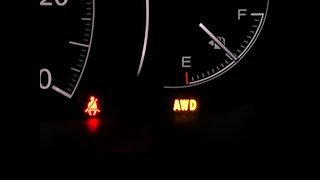
- "All-Wheel Drive System Problem" Warning Light: This is the most common and often the only symptom. A message will appear on the multi-information display, accompanied by an amber warning indicator. When this light is on, the AWD system is disabled as a precaution, and the vehicle will operate exclusively in front-wheel drive.
- Loss of All-Wheel Drive: You may notice reduced traction in slippery conditions like rain, snow, or on loose gravel. The vehicle may feel less stable when accelerating from a stop on wet roads.
- Failure to Communicate: In some cases, a professional scan tool may be unable to communicate with the AWD control module. This is a strong indication that the module itself has failed internally.
Is It Really the Module? Check This First!

Before spending money on a replacement module, it is critical to rule out a much more common and less expensive problem that causes the exact same warning light on Honda CR-Vs.
Check the Rear Differential Fluid
The number one cause of AWD system problems and noises in Honda vehicles is old, worn-out, or contaminated rear differential fluid. Over time, this fluid breaks down and can cause the clutches in the rear differential to shudder, bind, or not engage properly. The system's sensors detect this abnormal operation and trigger the "All-Wheel Drive System Problem" light as a protective measure.
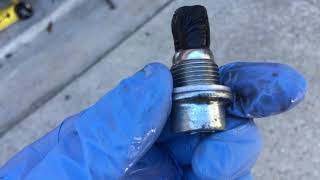
Pro Tip: If your CR-V has the AWD warning light, the first diagnostic step should be to service the rear differential. This involves draining the old fluid and refilling with genuine Honda Dual Pump II fluid. 🎬 Watch this step-by-step 2017-2022 CR-V differential fluid change tutorial. Many owners report that this simple service resolves the issue and extinguishes the warning light, 🎬 See how servicing the fluid fixes the AWD warning light. saving them from a costly and unnecessary module replacement.
Known Issues, TSBs, and Recalls
As of mid-2026, there are no active safety recalls from the National Highway Traffic Safety Administration (NHTSA) specifically for the transfer case control module on 2017-2018 Honda CR-V models. However, the "All-Wheel Drive System Problem" warning is a widely discussed issue among owners. Additionally, NHTSA has an ongoing investigation into rear differential failures on 2018-2022 CR-V models, which can cause related symptoms.
Warning: A variety of other issues can cause a cascade of warning lights on the CR-V dashboard, including a weak 12-volt battery, faulty fuel injectors, or a failing fuel pump. It's important to have a professional scan the vehicle for all diagnostic trouble codes (DTCs) to ensure the AWD module is the true source of the problem.
🎬 Learn why the AWD light must be on to read diagnostic codes.Programming and Initialization: A CRITICAL Step

Replacing the AWD control module is not a simple plug-and-play repair. The replacement module must be electronically configured to your specific vehicle.
Yes, a replacement Transfer Case Control Module requires programming or initialization to function. A new or used module installed without this procedure will not work, and the "All-Wheel Drive System Problem" light will remain illuminated.
This process involves using specialized diagnostic tools to:
- Write the vehicle's Vehicle Identification Number (VIN) to the new module.
- Update the module with the latest software from Honda.
- Initialize the module so it can learn the specific parameters of the sensors and actuators in your vehicle's AWD system.
Who Can Program the Module?
- Honda Dealerships: A dealer is the most reliable option. They use the proprietary Honda Diagnostic System (HDS) software required for this job.
- Independent Repair Shops: Some independent shops that specialize in Honda vehicles may have the necessary equipment, such as a high-end scan tool with a J2534 pass-thru device and a subscription to Honda's service software. However, you must confirm they have this specific capability before having them perform the work.
- DIY/Locksmiths: This procedure cannot be performed with basic OBD-II code readers or by a locksmith.
Buying a Used Transfer Case Control Module

A used OEM module is a cost-effective alternative to a brand-new part, but careful purchasing is key. Since this is an electronic part, its internal condition cannot be visually inspected.
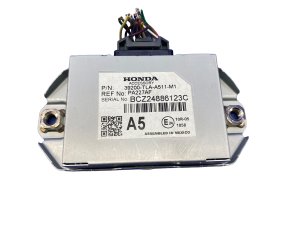
- Match the Part Number: This is the most important step. The part number is printed on a label on the module's case. You must match the OEM part number from your original module exactly. The known part numbers are 48310-5TG-A51 and 48310-5TG-A52. It is possible that one number superseded the other; always try to match what is currently in your vehicle.
- Inspect for Damage: While you can't see inside, you can check the outside. Look for a cracked case, bent or corroded connector pins, and any signs of water intrusion or fire damage. Do not buy a module from a flood-damaged vehicle.
- Buy From a Reputable Source: Purchase from a recycled parts seller that offers a warranty. This protects you in case the module is dead on arrival.
- Factor in Programming Costs: Remember that the price of the used module is not your final cost. You must add the cost of having a dealer or qualified shop program the part to your vehicle.
Cost of Replacement
The total cost includes the part, labor for installation, and a separate fee for programming.
| Part or Service | Estimated Cost Range |
|---|---|
| New OEM Module | $400 - $600 |
| Used OEM Module | $75 - $200 |
| Shop Labor (Installation) | $100 - $150 (Approx. 1 hour) |
| Shop Labor (Programming) | $100 - $200 (Approx. 0.5-1 hour) |
| Total (with Used Part) | $275 - $550 |
| Total (with New Part) | $600 - $950 |
Note: Prices are estimates as of late 2026 and can vary based on your location and the specific repair shop. Aftermarket and remanufactured options for this specific module are not common.
Frequently Asked Questions (FAQ)
Where is the transfer case control module located on a 2017-2018 Honda CR-V?
While the exact location can vary, on many modern AWD vehicles the control module is located in the rear of the vehicle to be close to the rear differential it controls. It is often found behind an interior trim panel in the cargo area, typically on the driver's side (left-hand) quarter panel area.
Do I have to get a used AWD module programmed?
Yes, absolutely. Both new and used modules must be programmed (or initialized) to the vehicle's VIN and system specifications. The vehicle will not recognize the module and the AWD system will not function until this is done.
Can I drive my CR-V with a bad AWD control module?
Yes, but with limitations. The vehicle is safe to drive, but it will only operate in front-wheel drive (FWD). You will not have the benefit of all-wheel drive, which significantly reduces traction and stability in snow, heavy rain, or on loose surfaces. The AWD warning light will also remain on.
Could the 'AWD System Problem' light be something other than the module?
Yes, and it's very likely. The most common cause for this warning light is deteriorated rear differential fluid. Other potential causes include a faulty wheel speed sensor, a problem with the rear differential's internal pump or clutch, or a wiring issue. Always diagnose the system properly, starting with a differential fluid change, before replacing the control module.
Helpful Videos


Technical Specifications
OEM Part Numbers: 48310-5TG-A51 48310-5TG-A52
Controls Honda's Real Time AWD with Intelligent Control System. Requires software initialization and VIN programming upon installation.
We Have This Part in Stock



The information in this article is provided for general reference and educational purposes only. Vehicle specifications, procedures, and part compatibility can vary by production date, trim level, and region. Always consult your vehicle's factory service manual and verify part numbers before purchasing or performing repairs. Safety-critical components such as airbags, seat belts, and braking systems should be installed by a qualified professional.
- Honda CR-V:
- 🎬 Helpful Videos
- 🛍️ Shop This Part
- Symptoms of a Failing 2017-2018 CR-V AWD Control Module
- Is It Really the Module? Check This First!
- Check the Rear Differential Fluid
- Known Issues, TSBs, and Recalls
- Programming and Initialization: A CRITICAL Step
- Who Can Program the Module?
- Buying a Used Transfer Case Control Module
- Cost of Replacement
- Frequently Asked Questions (FAQ)
- 🎟️ Get 5% Off