

Ford Escape, Fusion, Edge & Lincoln AWD Module Failure (2013-2016): Diagnosis and Replacement
An in-depth guide to the Transfer Case Control Module causing 'AWD Malfunction' warnings in 2013-2016 Ford Escape, Fusion, Edge, and Lincoln MKZ, MKX, and MKC models.
- A replacement module (new or used) MUST be programmed to your vehicle's VIN to function.
- The 'AWD Malfunction' light is often caused by a poor ground connection to the module, not necessarily internal failure. Check for corrosion at the mounting point first.
- It is critical to match the part number BT4A-7H417-CB or the service number BT4Z-7E453-CB when buying a replacement.
- Symptoms for a bad TCCM are electronic (warning lights), while symptoms for a bad PTU (transfer case) are mechanical (loud grinding, clunking noises).
Is Your Ford or Lincoln Showing an 'AWD Malfunction' Warning?
If you own a 2013-2016 Ford Escape, 2013-2014 Ford Edge, 2013-2016 Ford Fusion, 2013-2016 Lincoln MKZ, 2013-2015 Lincoln MKX, or a 2015-2016 Lincoln MKC, you might suddenly see an "AWD Malfunction Service Required" or "AWD OFF" message on your dashboard. This warning indicates a problem with the All-Wheel Drive system, and the vehicle will typically default to front-wheel drive as a safety measure. While many issues can cause this, a common culprit is the Transfer Case Control Module (TCCM).
This guide covers everything you need to know about diagnosing, replacing, and programming the TCCM for these shared-platform Ford and Lincoln vehicles.
Symptoms of a Failing Transfer Case Control Module
When the TCCM begins to fail, your vehicle will give you clear warning signs. The most obvious is a message on the instrument cluster, but other symptoms may also appear.
- "AWD Malfunction Service Required" or "AWD OFF" Light: This is the most common symptom. The system detects a fault and disables itself to prevent damage. The vehicle is still safe to drive in front-wheel drive mode.
- Inability to Engage AWD: The vehicle remains in two-wheel drive, and you'll notice a lack of traction from the rear wheels in slippery conditions like snow, ice, or heavy rain.
- Diagnostic Trouble Codes (DTCs): A scan tool may reveal communication-related codes (U-codes) or low voltage codes. Common codes associated with this issue include U-codes indicating a loss of communication with the AWD module and P0562 for low system voltage.
- Intermittent Operation: The AWD system might work sometimes and fail at other times, with the warning light appearing and disappearing randomly. This often points to an electrical connection or grounding problem.
Pro Tip: TCCM Failure vs. PTU Failure
It's important not to confuse a failing TCCM with a failing Power Transfer Unit (PTU). The PTU is the mechanical transfer case itself. PTU failure is a known issue on these platforms, often caused by its "lifetime" fluid overheating and breaking down. Symptoms of PTU failure are typically more severe and include loud roaring or grinding noises that change with vehicle speed, heavy clunking during shifts, and fluid leaking from the unit. If you hear these mechanical noises, the problem is likely the PTU, not just the electronic module.
Known Issues & Common Causes of Failure
The Real Problem: A Bad Ground Connection
While the module itself can fail internally, a widespread issue on many Ford platforms is a poor ground connection for the TCCM. The module is often designed to ground itself through its metal casing to the vehicle's chassis. Over time, moisture and corrosion can weaken this connection, leading to intermittent low voltage at the module.
This voltage drop causes the module to malfunction and throw error codes, even though the module's internal electronics may be perfectly fine. Before replacing the entire module, it is highly recommended to inspect its mounting location for rust or corrosion and ensure the mounting bolts are clean and tight. Some owners and mechanics have successfully fixed the issue permanently by adding a dedicated ground wire from the chassis directly to the module's wiring harness connector.
Recalls and Technical Service Bulletins (TSBs)
As of mid-2024, there are no specific NHTSA recalls for the Transfer Case Control Module or the AWD system on the 2013-2016 Ford Escape, Fusion, Edge, or their Lincoln counterparts. While recalls exist for other components like steering and airbags on these models, the TCCM is not part of a recall campaign.
Buying a Used Transfer Case Control Module
Given the high cost of a new module from a dealership, a quality used OEM module is an excellent, cost-effective solution. Because the root cause of failure is often external (a bad ground), a used module from a dry, low-mileage vehicle is likely to have a long service life.
- Verify the Part Number: It is absolutely critical to match the OEM part number on your original module. The primary engineering number is BT4A-7H417-CB. The Ford service part number is BT4Z-7E453-CB, and the Motorcraft number is TM248. Ensure the replacement you buy has one of these exact numbers.
- Physical Inspection: When buying a used module, check the connector pins for any signs of corrosion, bending, or damage. The outer case should be free of cracks or signs of water intrusion.
- Source Vehicle Information: If possible, choose a part from a vehicle with lower mileage and from a region with a dry climate to minimize the risk of corrosion.
- Why Used OEM is a Good Choice: Unlike complex mechanical parts, this electronic module has no moving components. A used OEM module that has been tested is often more reliable than a cheap, unproven aftermarket alternative. Since programming is required regardless, starting with a genuine Ford part is the safest bet.
Warning: Programming is NOT Optional!
You cannot simply swap this module and expect it to work. A replacement TCCM—whether new or used—must be programmed to your vehicle's specific VIN and configuration. This process, known as a Programmable Module Installation (PMI), ensures the module can communicate correctly with the vehicle's other computers, like the ABS and Engine Control Module. Failure to program the module will result in it not working and the AWD warning light staying on.
Replacement and Programming
Locating the Module
The location of the TCCM can vary slightly between models. It is generally found inside the cabin, requiring the removal of trim panels.
- Common Locations: Check under the dashboard on the driver's side (sometimes above the fuse box), within the center console, or in the rear cargo area behind a trim panel.
- Ford Escape: Some sources indicate the module is in the rear of the vehicle.
- Ford Edge: Forum users have reported it being high up in the driver's side dash area.
Because there is no single, easily accessible location across all these models, consulting a vehicle-specific service manual or a professional is the best way to confirm its location before starting work.
Programming Options
- Ford/Lincoln Dealer: This is the most straightforward, guaranteed method. A dealership technician will use the Ford Diagnostic & Repair System (FDRS) to perform the PMI procedure. They will either transfer the configuration data from your old module or download it from Ford's servers using your VIN.
- Independent Shop: A well-equipped independent mechanic may have the tools and subscriptions necessary to program Ford modules. Ask specifically if they can perform a "Programmable Module Installation" for a Ford TCCM.
- DIY with FORScan: For advanced DIY mechanics, it may be possible to program the module using FORScan software on a Windows laptop, an extended license, and a compatible OBD-II adapter. This process involves saving the "As-Built" data from your old module (if it's still readable) and writing it to the new one. This is a complex procedure and carries the risk of rendering the module inoperable if done incorrectly.
Cost to Replace the Transfer Case Control Module
The total cost will depend on the price of the part and the labor for installation and programming.
| Part or Service | Estimated Cost |
|---|---|
| New OEM Module (Dealer) | $75 - $120 |
| Used OEM Module | $40 - $90 |
| New Aftermarket Module | Not widely available |
| Shop Labor (Installation & Programming) | $150 - $350 |
Note: Labor costs are estimated at 1-2 hours for installation and programming at a typical shop rate. Prices are estimates and will vary by location and supplier.
Frequently Asked Questions (FAQ)
Can I drive my car with a bad TCCM?
Yes. When the TCCM fails, the system defaults to front-wheel drive. The vehicle is safe to drive, but you will not have the benefit of all-wheel drive traction. You should get it repaired to restore full functionality, especially before driving in poor weather conditions.
Do I have to match the part number BT4A-7H417-CB exactly?
Yes. It is critical to match the part number on your original module. While other modules may look identical, they can have different internal software or hardware configurations. Using the wrong part will likely result in a failed programming attempt or improper AWD operation. The service part number is BT4Z-7E453-CB.
Will disconnecting the battery reset the AWD fault?
Sometimes, disconnecting the battery for 10-15 minutes can perform a "soft reset" and temporarily clear the fault message, especially if it was caused by a one-time glitch. However, if there is a persistent problem like a bad ground or a failed module, the warning light will return quickly.
Could a blown fuse cause the "AWD Malfunction" light?
Yes, a blown fuse can cause the TCCM to lose power and trigger a fault. Before replacing the module, it's always a good idea to check the fuse for the AWD system. On a Ford Escape, for example, this is often fuse #34 (a 10A fuse) in the under-hood fuse box. On a Ford Edge, it may be fuse #70 in the same fuse box. Check your owner's manual for the correct fuse location for your specific vehicle.
Technical Specifications
OEM Part Numbers: BT4A-7H417-CB BT4Z-7E453-CB TM248
Controls the electronic clutch for the All-Wheel Drive system. Requires programming (PMI) upon installation.
We Have This Part in Stock

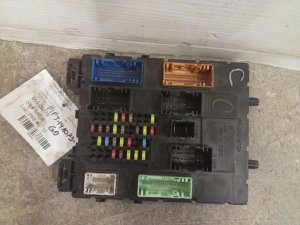
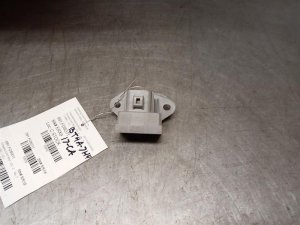


The information in this article is provided for general reference and educational purposes only. Vehicle specifications, procedures, and part compatibility can vary by production date, trim level, and region. Always consult your vehicle's factory service manual and verify part numbers before purchasing or performing repairs. Safety-critical components such as airbags, seat belts, and braking systems should be installed by a qualified professional.
- Ford Escape:
- Ford Edge:
- Ford Fusion:
- Lincoln MKZ:
- Lincoln MKX:
- Lincoln MKC:
- 🛍️ Shop This Part
- Is Your Ford or Lincoln Showing an 'AWD Malfunction' Warning?
- Symptoms of a Failing Transfer Case Control Module
- Known Issues & Common Causes of Failure
- The Real Problem: A Bad Ground Connection
- Recalls and Technical Service Bulletins (TSBs)
- Buying a Used Transfer Case Control Module
- Replacement and Programming
- Locating the Module
- Programming Options
- Cost to Replace the Transfer Case Control Module
- Frequently Asked Questions (FAQ)
- 🎟️ Get 5% Off