

2013-2018 Cadillac ATS & CTS Transfer Case Module: Fixing the 'Service AWD' Warning
This guide covers the common failures, symptoms, and critical programming requirements for the Transfer Case Control Module in All-Wheel Drive 2013-2018 Cadillac ATS and 2014-2016 Cadillac CTS models.
- This module is for All-Wheel Drive (AWD) models only and requires programming to your vehicle's VIN to function.
- The most common symptom of failure is a "Service All Wheel Drive" message on the dash, which disables the AWD system.
- Failure is often caused by water leaking from a clogged passenger-side sunroof drain; inspect for water damage before replacing the part.
- A used module can be reprogrammed and is a cost-effective alternative to a new OEM part.
Symptoms of a Failing Transfer Case Control Module
When the TCCM begins to fail, the symptoms are usually very clear and consistent. The module's job is to manage the AWD system, so failure typically results in the system shutting down completely as a safety measure.
- "Service All Wheel Drive" Message: This is the most common symptom. A warning message will appear on the Driver Information Center (DIC).
- AWD System Disabled: The vehicle will revert to operating in two-wheel drive (2WD) only, and you will not be able to engage AWD.
- No Response from 4WD Switch: In vehicles with a selector switch, it will become unresponsive.
- Diagnostic Trouble Codes (DTCs): A scan tool will likely find specific codes stored in the module. Common codes include C0399 (Clutch Coil Circuit), C0400, C0401, and U0102 (Lost Communication with TCCM).
Known Issues: Water Damage from Sunroof Drains
A very common cause of TCCM failure in these Cadillacs is not a defect in the module itself, but rather water intrusion from a separate issue. The TCCM is located behind the passenger-side kick panel and lower dashboard.
A General Motors Technical Service Bulletin (TSB 11-04-21-005A) for the previous generation CTS identified that a clogged or improperly routed passenger-side sunroof drain hose can cause water to overflow and leak directly onto the TCCM, shorting out its electronics. This results in corrosion on the connectors and internal failure of the module.
Warning: Before replacing a failed TCCM, it is critical to inspect for water damage. If the module or its connectors are corroded, you must find and fix the source of the leak. The most likely culprit is the sunroof drain. Failure to do so will cause your new or replacement module to fail as well.
The #1 Most Important Step: Module Programming
You cannot simply swap this module and expect it to work. A replacement Transfer Case Control Module—whether it is brand new from a dealer or a used OEM part—must be programmed to your vehicle's specific Vehicle Identification Number (VIN). This process ensures the module has the correct software to communicate with your car's specific transfer case and other systems.
The programming is a two-part process:
- Flashing: Using GM's Service Programming System (SPS) software, a technician loads the correct calibration file for your VIN into the module. This requires a subscription and a special tool called a J2534 Pass-Thru device.
- Setup/Calibration: After flashing, a setup procedure must be run. This teaches the newly programmed module the physical positions of the transfer case encoder motor, ensuring it shifts correctly.
Who Can Program the TCCM?
- GM Dealership: Any Cadillac dealer can perform the programming and setup.
- Independent Repair Shop: Many independent shops that specialize in GM vehicles have the necessary J2534 tools and SPS software subscriptions to program the module.
- Mail-In Programming Service: Several online services allow you to send them a used or new module. You provide your car's VIN, they program the module on their bench, and then ship it back to you ready for installation. This is an excellent option for DIYers who can physically swap the part but lack the expensive programming tools.
Buying a Used Transfer Case Control Module
A used OEM module is a cost-effective and reliable alternative to a new part, especially since aftermarket options are not readily available for these models. Because used modules can be reprogrammed, they are a great choice for this repair.
What to Look For:
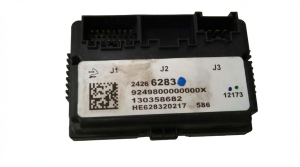
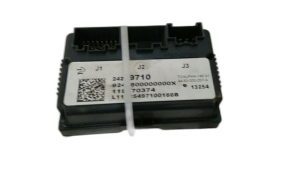
- Match the Part Number: While several part numbers may be compatible, the safest approach is to match the number on your original module exactly. Known OEM part numbers include 23469729, 24269710, 24270707, and 24270708.
- Inspect the Pins: Look closely at the electrical connector pins. Avoid any module that shows signs of green or white corrosion, as this indicates water damage that may have caused internal failure.
- Buy from a Reputable Seller: Purchase from an auto recycler that offers a warranty. This protects you in case the module is faulty.
- Factor in Programming Costs: Remember that the price of the used part is not the final cost. You must account for the additional expense of having it programmed.
Cost to Replace the TCCM (2014-2016 CTS, 2013-2018 ATS)
The total cost will depend on the price of the part and local labor rates for installation and programming.
| Part/Service | Estimated Cost |
|---|---|
| New OEM Module | $350 - $500 |
| New Aftermarket Module | Not commonly available |
| Used OEM Module | $50 - $150 |
| Shop Labor (Installation & Programming) | $200 - $450 |
Pro Tip: To save money, you can perform the physical installation yourself and then either drive the vehicle to a shop for programming or use a mail-in programming service for a used module before you install it.
Frequently Asked Questions (FAQ)
Does a used TCCM need to be programmed for my Cadillac?
Yes, absolutely. Any replacement TCCM, whether new or used, must be programmed with your vehicle's VIN using GM's SPS software. It will not function correctly without this step.
Can I drive my ATS or CTS with a bad Transfer Case Control Module?
Yes, but with limitations. When the TCCM fails, the AWD system is disabled and the car will operate in rear-wheel drive (RWD) only. While the car is safe to drive, you will not have the benefit of all-wheel drive traction in slippery conditions.
Where is the TCCM located on the 2013-2018 ATS and 2014-2016 CTS?
The Transfer Case Control Module is located on the passenger side of the vehicle, typically mounted behind the kick panel or under the dashboard near the glove box.
Why did my TCCM fail? Could it be water damage?
It's very possible. A known issue on Cadillacs is a clogged passenger-side sunroof drain hose, which can leak water directly onto the TCCM and cause it to fail. If you are replacing the module, always inspect the area for signs of moisture and check that the sunroof drain is clear.
Technical Specifications
OEM Part Numbers: 23469729 24269710 24270707 24270708
Location: Passenger side of the vehicle, behind the kick panel/dashboard.
We Have This Part in Stock



The information in this article is provided for general reference and educational purposes only. Vehicle specifications, procedures, and part compatibility can vary by production date, trim level, and region. Always consult your vehicle's factory service manual and verify part numbers before purchasing or performing repairs. Safety-critical components such as airbags, seat belts, and braking systems should be installed by a qualified professional.
- Cadillac CTS:
- Cadillac ATS:
- 🛍️ Shop This Part
- Symptoms of a Failing Transfer Case Control Module
- Known Issues: Water Damage from Sunroof Drains
- The #1 Most Important Step: Module Programming
- Who Can Program the TCCM?
- Buying a Used Transfer Case Control Module
- What to Look For:
- Cost to Replace the TCCM (2014-2016 CTS, 2013-2018 ATS)
- Frequently Asked Questions (FAQ)
- 🎟️ Get 5% Off