

2015-2022 Porsche Macan Transfer Case: Fixing the Stutter, Binding, and Jerks
A deep dive into the common transfer case failures in V6 Macan models, covering symptoms, diagnosis, and replacement options to restore your ride.
- The most common failure symptom is a jerking or stuttering on acceleration and binding in tight turns, primarily affecting 2015-2018 V6 models (S, GTS, Turbo).
- A fluid change with the correct fluid is a primary diagnostic step and sometimes a temporary fix if caught early.
- The transfer case for V6 models (part series 95B-341-010-xx) is NOT the same as the one for the 2.0L 4-cylinder base model; verify compatibility before buying.
- When replacing the unit, use the latest part number revision available and perform a control module adaptation reset with a proper scan tool to ensure longevity.
The "Macan Stutter": Understanding a Common Failure

One of the most widely discussed issues among first-generation Porsche Macan owners is the premature failure of the transfer case. This problem is particularly prevalent in 2015-2018 models and can manifest as a distinct "stutter," "judder," or "jerking" sensation, especially during low-speed acceleration or tight turns. The issue became so common that Porsche acknowledged the part's durability could be below their standards and issued a 7-year, unlimited-mileage warranty extension for the transfer case on 2014-2018 Macan models. While this warranty has now expired for most of these vehicles, the underlying problem remains a key concern for owners and prospective buyers.
Symptoms of a Failing Macan Transfer Case

A failing transfer case can be misdiagnosed as a transmission problem. The symptoms are often subtle at first but worsen over time. Ignoring them can lead to more significant and costly damage to other drivetrain components.
Jerking or Stuttering on Acceleration
This is the most classic symptom. You'll feel a hesitation or a series of small, jerky movements when accelerating from a stop, as if you're driving over invisible speed bumps. It's most noticeable in the first few gears and often occurs after the vehicle has warmed up.
Binding or Clunking in Tight Turns
When making a sharp, low-speed turn, such as in a parking lot, you might feel the drivetrain binding up or hear a clunking or crunching noise. This happens because the worn clutches in the transfer case are failing to allow the necessary difference in speed 🎬 Watch: See and hear the symptoms of a failing transfer box between the front and rear wheels.
Vibrations at Speed
A noticeable shudder or vibration felt through the floor or steering wheel, typically between 40-70 mph, can also indicate a failing transfer case.
Warning Lights
While not always present, you may see an "AWD Fault" or similar warning message on the dashboard as the problem progresses.
Diagnosing the Problem: Is It Really the Transfer Case?


Because the symptoms can feel like a transmission issue, a proper diagnosis is key to avoiding unnecessary repairs.
The Disconnect Test
A common and effective diagnostic technique is to unplug the transfer case control module. This disables the transfer case, forcing the Macan into rear-wheel-drive mode. If the stuttering and binding symptoms disappear, it's a very strong indication that the transfer case is the culprit. You will get an AWD error on the dash during this test. The control module is located in the cargo area, either in the right-side compartment 🎬 Watch: How to perform the disconnect test to save thousands or in the spare tire well.
Checking the Fluid
A fluid change is both a diagnostic step and a potential temporary fix. The transfer case holds a very small amount of specialized fluid (about 500-600ml). When drained, the fluid from a failing unit will often be pitch black and smell burnt, instead of its original light, clear color. If the fluid is heavily contaminated, it's a sign of internal wear. While a fluid change can sometimes temporarily alleviate symptoms, it is often not a permanent solution if mechanical wear is advanced.
Pro Tip: Many independent specialists recommend changing the transfer case fluid every 30,000-40,000 miles as a preventative measure, even though Porsche does not list it 🎬 Watch: Easy DIY guide for a transfer case fluid flush as a regular service item. Catching the issue early can sometimes save the unit.
Known Issues, TSBs, and Warranty Extensions

Porsche has addressed this issue several times. In March 2018, they began using new clutch plates with a special "Gas Nitrocarburizing (GNC)" coating to improve durability. This new hardware required a corresponding software update for the control unit. A mismatch between the hardware (new or old plates) and the software version is not permitted. Additionally, Porsche issued Technical Service Bulletins (TSBs) and a significant warranty extension for 2014-2018 models, extending coverage to 7 years with unlimited mileage. This highlights how widespread the problem was. For 2022 models, a TSB was issued for a software issue that could cause similar shuddering symptoms.
Compatibility Warning: The primary transfer case assembly discussed here, with part numbers in the 95B-341-010-xx series, fits the V6 and V8 engine models (S, GTS, Turbo). While some parts catalogs may confusingly list it as compatible with the 2.0L 4-cylinder base model, the 2.0L uses a different system. Always verify compatibility by engine type. Part numbers like 95B927755G refer to the electronic control module, not the mechanical transfer case itself.
Buying a Used Macan Transfer Case: What to Look For
Given the high cost of a new unit, a quality used OEM transfer case is an excellent option for many owners. Here’s what to check.
- Part Number Revisions: Porsche has updated this part multiple times. Look for the latest possible revision number (e.g., ending in H, K, or a later letter). A part number ending in X, AX, LX, or PX often denotes a remanufactured unit from Porsche. Avoid early part numbers if possible.
- Mileage vs. Condition: Failure is not strictly tied to mileage; some units fail at 40,000 miles, while others last over 100,000. A lower-mileage part is generally better, but a part from a 2019 or newer vehicle is more desirable, as it's more likely to have the updated internal components, even with moderate mileage.
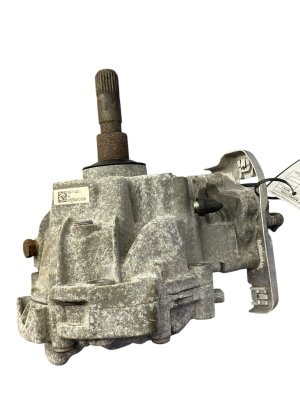
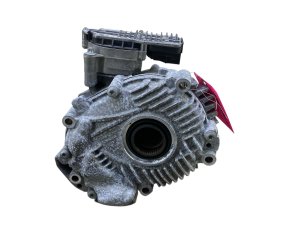
- Physical Inspection: Check the housing for any cracks or damage, especially around the mounting points. Ensure the electrical connector is clean and undamaged. Verify that the input and output shafts turn smoothly by hand without a gritty or grinding feeling.
- Source Vehicle Information: If possible, get the VIN of the donor vehicle. This allows you to check its history for major accidents or floods.
Warning: Never install a part from a flood-damaged vehicle. Water intrusion can cause hidden corrosion and rapid failure of internal bearings and electronics.
- Why Used OEM? A new OEM transfer case from a Porsche dealer is extremely expensive. A low-mileage, late-model used OEM unit provides the same factory quality and updated design at a fraction of the price, making it a much better value than a cheap, unproven aftermarket copy.
Replacement Overview
Replacing the transfer case is a job for an experienced DIYer or a professional shop. It requires lifting the vehicle and removing heat shields and driveshafts.
- Related Parts: It's good practice to replace single-use hardware like driveshaft bolts and any associated seals to prevent leaks and ensure proper torque.
- Fluid Fill Procedure: The fill procedure is complex. It's not a simple "fill until it spills" process. The case has two internal reservoirs, and fluid must be added through both the side fill plug and the top vent port using a pump and specific measurements (typically 500ml total) to ensure it's not underfilled.
- Calibration/Adaptation: After installing the new transfer case, the adaptations in the All-Wheel Drive control unit must be reset using a Porsche-specific scan tool (like PIWIS). This step is critical for the new unit to function correctly and ensures its longevity.
Cost Comparison
| Part Type | Estimated Cost |
|---|---|
| New OEM (Dealer) | $3,900 - $7,500+ |
| Remanufactured OEM | $2,300 - $4,000 (plus core charge) |
| Used OEM | $300 - $1,200 |
| Shop Labor for Replacement | $700 - $1,200 |
Frequently Asked Questions (FAQ)
Can I just change the fluid to fix the transfer case stutter?
Sometimes. If the problem is caught very early, a fluid change can restore normal operation. However, if the internal clutch plates are already worn or damaged, a fluid change is only a temporary fix, and the symptoms will likely return.
What happens if I ignore a failing transfer case?
The symptoms will get progressively worse, making the vehicle unpleasant and unpredictable to drive. In severe cases, the internal failure can put extreme stress on the driveshafts and other drivetrain components, potentially leading to more expensive repairs or leaving you stranded.
Do I need to program a replacement transfer case?
The mechanical transfer case itself does not require programming. However, you MUST use a diagnostic tool to reset the wear adaptations in the electronic control module after the replacement. Failing to do this can cause the new unit to wear out prematurely.
Is the Porsche Macan transfer case the same as the one in the Audi Q5?
No. While the Macan and Q5 share a platform, the Macan uses a Porsche-specific AWD system (PTM) with a different transfer case designed for its rear-biased, performance-oriented handling. The parts are not interchangeable.
Helpful Videos

Technical Specifications
OEM Part Numbers: 95B-341-010-AC 95B-341-010-E 95B-341-010-G 95B-341-010-R 95B341010 95B341010A 95B341010AC 95B341010AE 95B341010AX 95B341010E 95B341010G 95B341010H 95B341010K 95B341010L 95B341010LX 95B341010P 95B341010PX
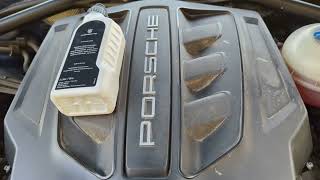
Fluid capacity: approx. 500-600ml. Fluid type: Porsche Transfer Case Fluid (e.g., Part No. 00004330563) or equivalent like Ravenol TF-0870.
We Have This Part in Stock
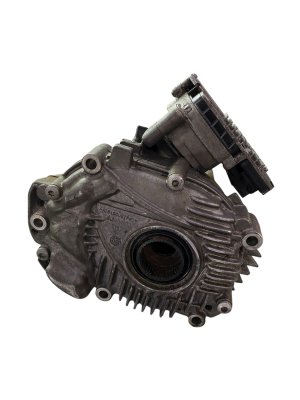
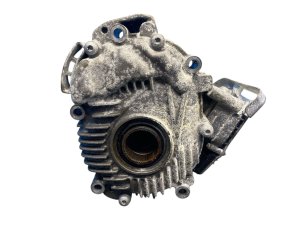
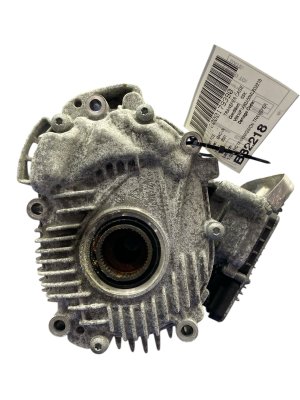
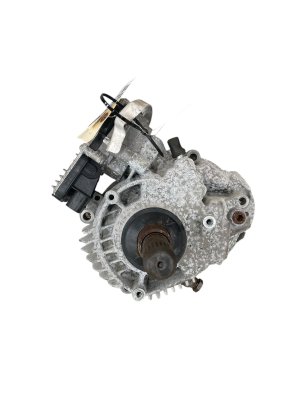

The information in this article is provided for general reference and educational purposes only. Vehicle specifications, procedures, and part compatibility can vary by production date, trim level, and region. Always consult your vehicle's factory service manual and verify part numbers before purchasing or performing repairs. Safety-critical components such as airbags, seat belts, and braking systems should be installed by a qualified professional.
- Porsche Macan:
- 🎬 Helpful Videos
- 🛍️ Shop This Part
- The "Macan Stutter": Understanding a Common Failure
- Symptoms of a Failing Macan Transfer Case
- Jerking or Stuttering on Acceleration
- Binding or Clunking in Tight Turns
- Vibrations at Speed
- Warning Lights
- Diagnosing the Problem: Is It Really the Transfer Case?
- The Disconnect Test
- Checking the Fluid
- Known Issues, TSBs, and Warranty Extensions
- Buying a Used Macan Transfer Case: What to Look For
- Replacement Overview
- Cost Comparison
- Frequently Asked Questions (FAQ)
- 🎟️ Get 5% Off