

1995 Lincoln Continental 4.6L DOHC Timing Cover: Oil & Coolant Leak Guide
A complete reference for diagnosing, replacing, and buying a used timing cover for the 1995 Lincoln Continental with the 4.6L 32-Valve DOHC engine.
- This timing cover fits ONLY the 1995 Lincoln Continental with the 4.6L DOHC (32-valve) engine.
- Failure typically results in either an engine oil leak or a coolant leak from the front of the engine.
- When buying a used cover, the most critical inspection is for corrosion in the coolant passages where the water pump mounts.
- Replacement is a very labor-intensive job (Difficulty: 5/5). It is highly recommended to replace the water pump, timing chains, guides, and tensioners at the same time.
Symptoms of a Failing Timing Cover

Diagnosing a bad timing cover usually comes down to finding a leak. Since the cover is involved in sealing both oil and coolant, the first step is to identify the fluid you're seeing. Oil leaks and coolant leaks present different symptoms and levels of urgency.
1. Engine Oil Leaks
An oil leak is the most common sign of a timing cover gasket failure. The gaskets that seal the cover to the engine block and cylinder heads can become hard and brittle over time, allowing oil to seep out. Another frequent source is the front crankshaft seal, a circular seal housed within the timing cover that can wear out.
- Visible Drips: You may notice small puddles or drips of brownish or black fluid on the ground under the front of the engine.
- Wetness on the Engine: The front of the engine, particularly around the main crankshaft pulley (the large pulley at the bottom center), will appear wet, oily, and covered in grime. Oil often leaks from the cover's seams and gets blown backward by airflow while driving, making the oil pan and underside of the engine wet.
- Burning Oil Smell: If the leak is significant, oil may drip onto the hot exhaust components, creating a distinct burning smell.
2. Engine Coolant Leaks
The timing cover on the 4.6L DOHC engine has coolant passages running through it to connect to the water pump. A failure in these areas can cause a coolant leak.
- Visible Drips: Coolant leaks will appear as green, yellow, or orange fluid dripping from the front of the engine, often near the water pump area.
- Low Coolant Level: You may get a low coolant warning light or notice the coolant reservoir is consistently low.
- Engine Overheating: A significant coolant leak will eventually lead to the engine overheating, which can cause catastrophic damage like warped cylinder heads or a blown head gasket.
- Stains on the Cover: You may see dried coolant residue or stains around the water pump mounting area or other coolant passage points on the timing cover.
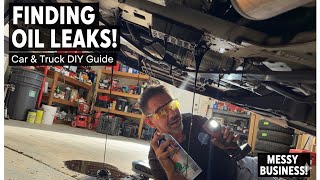
Pro Tip: To accurately find a leak, first clean the front of the engine with a degreaser. Then, run the engine for a short time and inspect with a flashlight. A fresh leak will be much easier to trace to its source. For very slow leaks, a UV dye kit can be added to the oil or coolant to make the leak path visible under a blacklight.
🎬 Watch: Easy DIY test to find engine oil leaksKnown Issues for the 1995 Lincoln Continental 4.6L DOHC

While the timing cover itself is a durable part, the 4.6L Modular engine family has some well-documented issues that are relevant to this repair.
- Gasket Seepage: Minor oil seepage from the timing cover seams, especially where the cover meets the cylinder heads and engine block, is a common occurrence on high-mileage 4.6L engines. Often, this is a very slow leak that doesn't drip on the ground and can be monitored rather than immediately repaired.
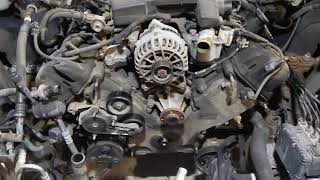
- Timing Chain Tensioner & Guide Wear: The 4.6L engines are known for issues with timing chain tensioners and the plastic guides. When these components wear out, they can cause a rattling or slapping noise from the front of the engine. 🎬 Watch: Overview of common Ford 4.6 V8 engine flaws Since replacing the timing cover requires removing all the same components needed to access the timing chains, 🎬 See how to remove the timing chain cover on a Ford 4.6L it is highly recommended to replace the timing chains, guides, and tensioners at the same time.
Warning: This timing cover is specific to the 4.6L DOHC (Dual Overhead Cam) 32-valve engine used in the 1995 Continental. It will NOT fit the SOHC (Single Overhead Cam) 16-valve version of the 4.6L engine found in other Ford, Lincoln, and Mercury vehicles like the Town Car or Crown Victoria. Always verify your engine type before purchase.
Buying a Used 1995 Continental Timing Cover: What to Inspect

A used OEM timing cover is an excellent, cost-effective alternative to a new part, which may be expensive or discontinued. Because the original Ford parts are made from high-quality cast aluminum, a good used cover can last the remaining life of the vehicle if inspected properly. Here’s what to check before you buy:
- Check for Corrosion in Coolant Passages: This is the most critical inspection point. Look closely at the ports where the water pump mounts and any other openings for coolant. The aluminum should be smooth and clean. Avoid any cover that shows significant pitting, chalky white residue, or deep corrosion. This damage can prevent the gaskets from sealing properly, leading to persistent leaks.
- Inspect All Gasket Surfaces: Run your finger along all the flat surfaces where the cover seals against the engine block and cylinder heads. They must be perfectly flat, smooth, and free of deep scratches, gouges, or warping. A warped cover will never seal correctly.
- Look for Cracks: Carefully inspect the entire cover, especially around bolt holes and corners, for any hairline cracks. A cracked cover is unusable.
- Verify All Bolt Holes: Check the threads in every bolt hole. Make sure none are stripped or have broken bolts stuck in them. Repairing threads is difficult and often not worth the effort.
- Confirm Part Numbers: If possible, match the engineering number cast into the part (e.g., F50E-6D080-AC) or the OEM part number (F50Y-6019-A) to ensure you have the correct DOHC version.
Replacement Difficulty & Cost
Replacing the timing cover on a 1995 Lincoln Continental is a difficult and labor-intensive job. It is not recommended for beginners.
- Installation Difficulty: 5 out of 5 (Expert)
- Estimated Time: 8-12 hours
- DIY Feasible: No, for most home mechanics. This job requires extensive disassembly of the front of the engine, including the cooling system, serpentine belt drive, harmonic balancer, and power steering pump. Special tools, such as a harmonic balancer puller, are required.
Cost Comparison
Labor is the most significant expense for this repair. The high labor cost makes it crucial to replace related wear items at the same time.
| Part | Estimated Cost |
|---|---|
| New OEM (Ford) | $350 - $500+ (if available) |
| New Aftermarket (Dorman, etc.) | $150 - $250 |
| Used OEM | $100 - $175 |
| Shop Labor Cost | $1,800 - $2,700 |
Pro Tip: While the timing cover is off, it is essential to also replace the timing chains, tensioners, and guides, as well as the water pump and front crankshaft seal. The cost of these extra parts is minimal compared to the labor cost of accessing them again later.
Recalls and Technical Service Bulletins (TSBs)
As of this writing, there are no specific recalls or TSBs from the National Highway Traffic Safety Administration (NHTSA) directly related to the timing cover, its gaskets, or resulting leaks for the 1995 Lincoln Continental. Any existing recalls for this vehicle pertain to other issues, such as exterior lighting.
Frequently Asked Questions (FAQ)
Is a leak from the front of the engine always the timing cover?
No. While the timing cover and its front crank seal are common sources, leaks can also come from the valve cover gaskets above it, the oil pan gasket below it, or the water pump. It's important to clean the engine and trace the leak to its highest point to be sure.
Can I just use a stop-leak product to fix my timing cover leak?
It is strongly advised not to use stop-leak additives. These products can clog small, critical passages in the cooling system or oiling system, such as those in the radiator or heater core, leading to much more severe problems than the original leak.
Do I have to replace the timing chains when I replace the cover?
While not strictly required, it is highly recommended. The labor to access the timing cover is identical to the labor for replacing the timing components. Given the age of the vehicle and the known wear issues with 4.6L timing components, replacing them at the same time is a smart investment to prevent a future, equally expensive repair.
What is the difference between the DOHC and SOHC timing covers?
The DOHC (32-valve) and SOHC (16-valve) 4.6L engines have different cylinder head and block architectures. The timing covers are shaped differently to accommodate the different timing chain layouts and accessory mounting points and are not interchangeable.
Helpful Videos

Technical Specifications
OEM Part Numbers: F50Y-6019-A F50Y6019A
Material: Cast Aluminum. Engine Application: Ford 4.6L DOHC V8 (32-Valve).

The information in this article is provided for general reference and educational purposes only. Vehicle specifications, procedures, and part compatibility can vary by production date, trim level, and region. Always consult your vehicle's factory service manual and verify part numbers before purchasing or performing repairs. Safety-critical components such as airbags, seat belts, and braking systems should be installed by a qualified professional.
- Lincoln Continental:
- 🎬 Helpful Videos
- Symptoms of a Failing Timing Cover
- 1. Engine Oil Leaks
- 2. Engine Coolant Leaks
- Known Issues for the 1995 Lincoln Continental 4.6L DOHC
- Buying a Used 1995 Continental Timing Cover: What to Inspect
- Replacement Difficulty & Cost
- Cost Comparison
- Recalls and Technical Service Bulletins (TSBs)
- Frequently Asked Questions (FAQ)
- 🎟️ Get 5% Off