

2002-2005 Freelander 2.5L V6 Timing Covers: A Guide to Leaks, Cracks, and Replacement
A deep dive into the multi-piece timing cover system on the Freelander's KV6 engine, focusing on common failures and what to inspect when buying a used replacement.
- The Freelander 2.5L V6 uses a multi-piece timing cover system; you must verify the exact part number for the specific cover you need (e.g., front, rear, left, right).
- Replacement of a timing cover is only done as part of a complete timing belt service, a complex 5/5 difficulty job that requires special engine locking tools and is not feasible for most DIY mechanics.
- Oil leaks from the timing cover area are a critical warning sign, as leaking oil can degrade the timing belts and lead to catastrophic engine failure.
- When buying a used cover, meticulously inspect for cracks (especially around bolt holes) and warping, as the plastic becomes very brittle with age.
Understanding the Freelander V6 Timing Cover System

On the 2.5L KV6 engine found in the 2002-2005 Freelander, the timing covers are a set of interlocking plastic pieces that encase the timing belts at the front of the engine. This isn't a simple, single component. The system consists of left and right front (outer) covers, left and right rear (inner) covers, and a lower cover. This multi-piece design is necessary to protect the engine's three separate timing belts: one main belt and two smaller belts that sync the rear camshafts. Because these covers are made of plastic and live in a high-heat environment, they can become brittle over time and are prone to damage, especially during a timing belt service.
Symptoms of a Failing Timing Cover

A problem with a timing cover can present itself in several ways. While the cover itself is a static part, its failure can have serious consequences for the engine.
1. Oil Leaks from the Front of the Engine
This is the most common symptom. While the plastic cover itself doesn't hold pressurized oil, its gaskets seal the front of the engine where the camshafts are. An oil leak in this area often originates from a failed camshaft seal, but it will appear to come from the edges of the timing cover. The leaking oil can drip onto hot exhaust components, causing a burning oil smell. Any oil leak in this area is serious because oil can contaminate and degrade the rubber timing belts, leading to premature failure.
2. Visible Cracks or Damage
Over years of heat cycles, the plastic timing covers can become brittle and develop cracks, especially around the bolt holes. Impact from road debris can also cause physical damage. A visual inspection may reveal cracks, missing chunks of plastic, or warping that prevents a proper seal.
3. Grinding or Chirping Noises
If a cover is cracked, broken, or improperly installed, it can allow dirt, gravel, or other road debris to get into the timing belt area. This can cause grinding or chirping sounds as the debris interferes with the pulleys and belt. This is a critical warning sign, as debris can quickly damage the belt and cause it to fail.
Warning: Any unusual noise from the timing belt area should be investigated immediately. A failing timing belt can lead to complete engine failure.
Buying a Used Timing Cover: What to Check

Since new OEM timing covers can be expensive or hard to find, a quality used OEM part is often a great value. However, you must inspect it carefully before purchasing.
- Check for Brittleness and Cracks: This is the most important check. Flex the plastic slightly (if possible). It should have some give and not feel like it's about to snap. Pay close attention to the areas around every bolt hole, as this is where stress cracks are most likely to form.
- Verify All Mounting Points are Intact: Compare the used part to photos of a new one. Ensure all mounting tabs, bolt holes, and alignment dowel holes are present and undamaged. A cover with a broken tab will not seal correctly and may vibrate or allow debris to enter.
- Inspect for Warping: Lay the cover on a flat surface. It should sit flush with no significant gaps. A warped cover will not create an even seal, even with a new gasket, and can lead to leaks or allow debris inside.
- Confirm the Exact Part Number: The Freelander V6 uses multiple, non-interchangeable covers (left, right, front, rear). Match the part number from your old cover exactly or use your vehicle's VIN to confirm you are buying the correct piece for your specific needs. For example, LJR105070 is listed as an upper/outer cover.
- Why Used OEM is Often a Good Choice: Used original equipment (OEM) covers are often made from higher-quality, more durable plastic than cheap aftermarket alternatives. An intact, non-brittle used OEM cover is frequently a more reliable choice than a new, poorly manufactured aftermarket part.
Known Issues, TSBs, and Recalls
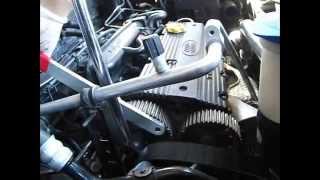
No specific recalls or Technical Service Bulletins (TSBs) exist for the timing covers themselves on the 2002-2005 Freelander. However, the entire timing belt system on the 2.5L KV6 engine is a well-known point of concern. The recommended service interval is approximately every 60,000 miles. The replacement procedure is extremely complex and labor-intensive, requiring special tools to lock the camshafts. 🎬 Watch: Freelander V6 timing belt tool setup and service guide The plastic timing covers often become brittle and are easily broken by mechanics during this service, which is the most common reason for needing a replacement.
There were several recalls for the 2002-2004 Freelander, but they relate to issues like A-post trim and child safety locks, not the engine timing covers.
Replacement Difficulty and Cost
Replacing a timing cover is inseparable from replacing the timing belt. The covers cannot be accessed without first removing the accessory drive belt, engine mounts, and crankshaft pulley. Because the job requires a full timing belt service, it is considered highly difficult.
- Installation Difficulty: 5 out of 5 (Professional recommended)
- DIY Feasible: No. This job requires special camshaft and flywheel locking tools specific to the KV6 engine and a deep understanding of engine timing. Incorrect installation will cause catastrophic engine damage.
- Estimated Time: The timing belt service, which includes removing and installing the covers, is an 8-10 hour job for a professional.
Cost Breakdown
The cost of the cover itself is minor compared to the labor involved. Labor costs are for the full timing belt replacement service, as the cover is not replaced as a standalone job.
| Part/Service | Estimated Cost |
|---|---|
| New OEM Cover (Single Piece) | $150 - $250 |
| New Aftermarket Cover (Single Piece) | $50 - $120 |
| Used OEM Cover (Single Piece) | $30 - $80 |
| Shop Labor (Full Timing Belt Service) | $670 - $985 |
| Total Professional Job (with new belts, tensioners, water pump) | $1,855 - $2,367 |
Pro Tip: If you are removing the timing covers for any reason, it is essential to perform a full timing belt service at the same time. This includes replacing all three belts, the tensioners, idler pulleys, and the water pump. The majority of the cost is labor, so replacing these wear items simultaneously is the most cost-effective approach.
Frequently Asked Questions (FAQ)
Can I replace just a timing cover without doing the timing belt?
No. Accessing any of the timing covers requires the complete disassembly of the timing belt system. Attempting to do so would be redundant, as the labor is the same as a full timing belt job. You should always replace the belts, tensioners, and water pump if you have the covers off.
Is an oil leak from the timing cover area an emergency?
It should be treated with urgency. While you may be able to drive with a minor leak by topping off the oil, the real danger is the oil contaminating the rubber timing belt. A saturated belt can slip or break, causing the engine's pistons and valves to collide, destroying the engine.
Why are there so many different part numbers for the timing cover?
The Freelander V6 uses a set of multiple covers to fully enclose its complex three-belt timing system. There are distinct parts for the front-left, front-right, rear-left, and rear-right sections of the engine, plus a lower cover. It is critical to order the specific cover you need.
What causes the timing covers to break?
The primary causes are age and heat cycles, which make the original plastic brittle. They often crack or break when being removed during a timing belt service. Direct impact from road debris can also cause damage.
Helpful Videos
Technical Specifications
OEM Part Numbers: LJJ100700L LJJ100701 LJR105070 LJR103640L LJR104690L
Material: Plastic. System consists of multiple covers including front (outer), rear (inner), and lower sections for both left and right cylinder banks.

The information in this article is provided for general reference and educational purposes only. Vehicle specifications, procedures, and part compatibility can vary by production date, trim level, and region. Always consult your vehicle's factory service manual and verify part numbers before purchasing or performing repairs. Safety-critical components such as airbags, seat belts, and braking systems should be installed by a qualified professional.
- Land Rover Freelander:
- 🎬 Helpful Videos
- Understanding the Freelander V6 Timing Cover System
- Symptoms of a Failing Timing Cover
- 1. Oil Leaks from the Front of the Engine
- 2. Visible Cracks or Damage
- 3. Grinding or Chirping Noises
- Buying a Used Timing Cover: What to Check
- Known Issues, TSBs, and Recalls
- Replacement Difficulty and Cost
- Cost Breakdown
- Frequently Asked Questions (FAQ)
- 🎟️ Get 5% Off