

2014-2015 Tucson Telematics Module: Fixing Blue Link & SOS Errors
This guide covers the critical issues, symptoms, and replacement realities for the telematics module in the 2014-2015 Hyundai Tucson, including the impact of the 3G network shutdown.
- Most Blue Link features for 2014-2015 Tucsons are permanently disabled due to the 3G network shutdown, and replacing the module will NOT restore them.
- This module, part number 96510-2S500, is for models with factory navigation and requires dealer programming to function, making used parts a very risky purchase.
- A faulty module can cause a parasitic battery drain or GPS failures, but it will not prevent the vehicle from being driven.
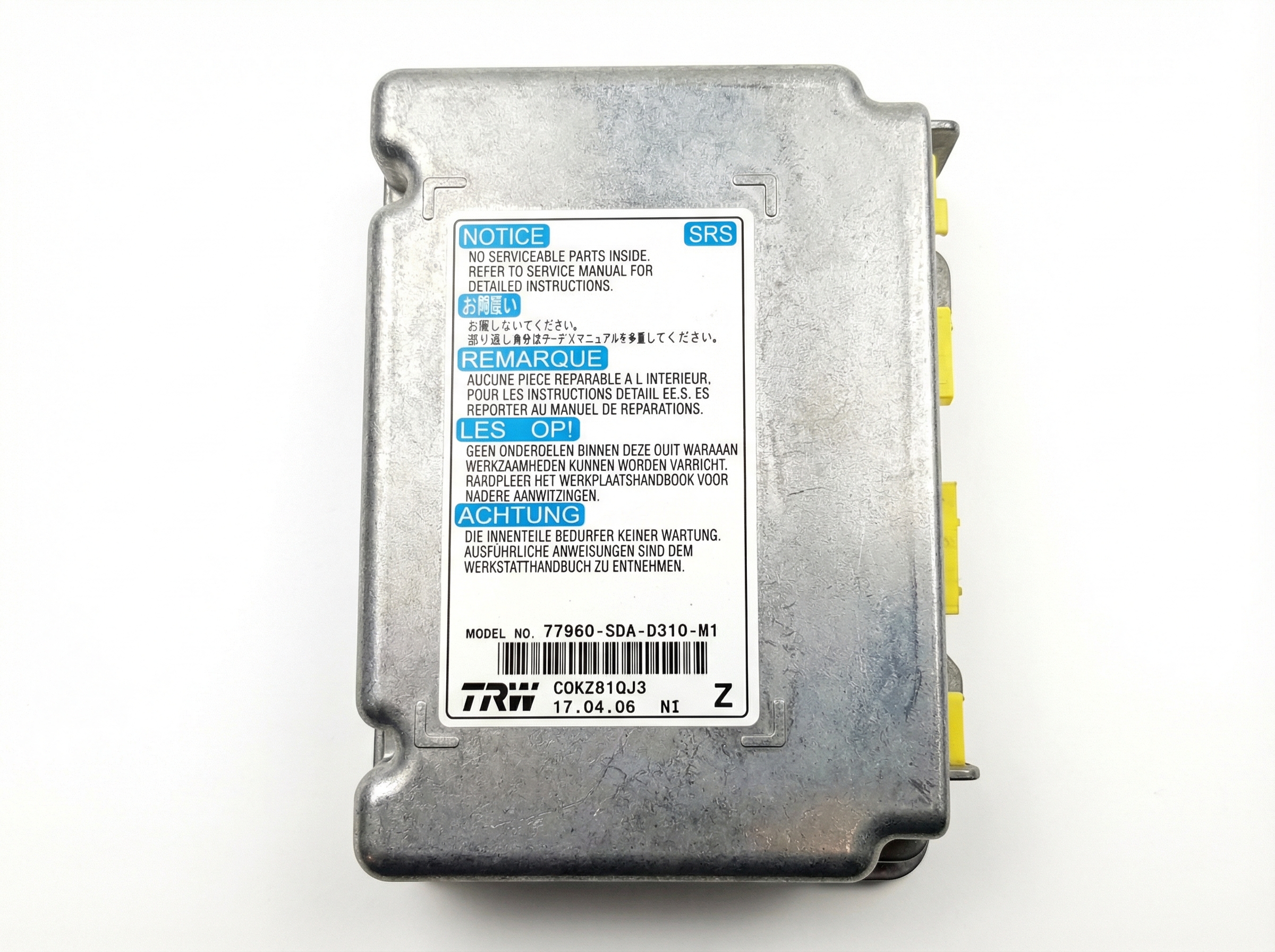
- Do not confuse the telematics module with the separate ABS module, which is under a fire-risk recall (NHTSA 22V-056) for these same vehicles.
The Biggest Issue: 3G Network Shutdown
Critical Warning: The most important thing to know about the Blue Link system in 2014-2015 Hyundai Tucsons is that it was designed to work on 2G and 3G cellular networks. As of January 1, 2023, the wireless service providers that supported these networks have discontinued them. This means that even with a perfectly functioning telematics module, most, if not all, Blue Link services are permanently unavailable for these model years. This includes emergency services, remote start, and vehicle status updates. Before attempting any repairs, understand that replacing the module will not restore these features.
Symptoms of a Failing Telematics Module
While many issues are now caused by the network shutdown, the module itself can still fail. A faulty module can cause specific problems within the vehicle's electronic systems. Symptoms of a hardware failure include:
- Flashing or Solid Red SOS Light: The light on the rearview mirror may flash or stay lit, indicating a system fault.
- "Blue Link Not Active" or Communication Error Messages: The navigation or center display may show messages indicating it cannot connect to the telematics system.
- No Communication with Scan Tools: A professional scan tool may be unable to communicate with the telematics module, even if other modules respond. This is a strong indicator of module failure rather than just a network issue.
- GPS and Navigation Problems: Since the module contains the GPS receiver, its failure can lead to incorrect vehicle location or a complete loss of navigation function.
- Parasitic Battery Drain: In some cases, a malfunctioning telematics module may not enter its low-power "sleep" mode correctly, causing a slow but steady drain on the battery when the vehicle is off.
Associated OBD-II and Trouble Codes
A failing telematics module typically does not trigger the main Check Engine Light. Instead, it will store specific Diagnostic Trouble Codes (DTCs) in the Body Control or Telematics systems. These are often "U" codes (for network communication) or "B" codes (for body electronics). While a comprehensive list is not available, a professional scan tool is required to read these manufacturer-specific codes. Inability to communicate with the module at all is a primary diagnostic clue.
Known Issues, TSBs, and Recalls
While there are no recalls specifically for the telematics module on the 2014-2015 Tucson, there are related items and important service bulletins to be aware of:
- Hyundai Recall 218 (NHTSA 22V-056): This important recall affects 2014-2015 Tucson models and involves the Anti-Lock Brake System (ABS) module, which could short circuit and cause an engine compartment fire. Owners are advised to park outside until the repair is completed. This is unrelated to the telematics module but is a critical safety issue for the vehicle.
- 3G Network Sunset: As mentioned, Hyundai has officially acknowledged that the discontinuation of 3G networks renders Blue Link services inoperative for these model years. There is no software update or hardware upgrade offered by Hyundai to restore service.
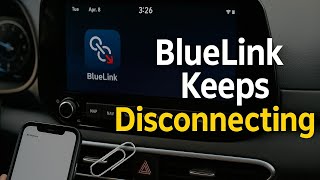
- General Connectivity TSBs: Hyundai has issued numerous Technical Service Bulletins (TSBs) for newer models experiencing connectivity issues, often recommending a head unit reset (pinhole reset) or a dealer-level DCU (modem) reset. 🎬 Watch how to perform a quick head unit reset While these TSBs do not apply directly to the 2014-2015 models and their 3G issue, they illustrate the common troubleshooting steps for telematics problems.
Buying a Used Telematics Interface Module: What You Must Know
Purchasing a used telematics module for this vehicle is extremely risky and generally not recommended. If you must proceed, here is what you need to know:
- The 3G Shutdown Makes It Obsolete: The primary reason to avoid buying a used module is that it will not restore Blue Link services. The underlying 3G network is gone.
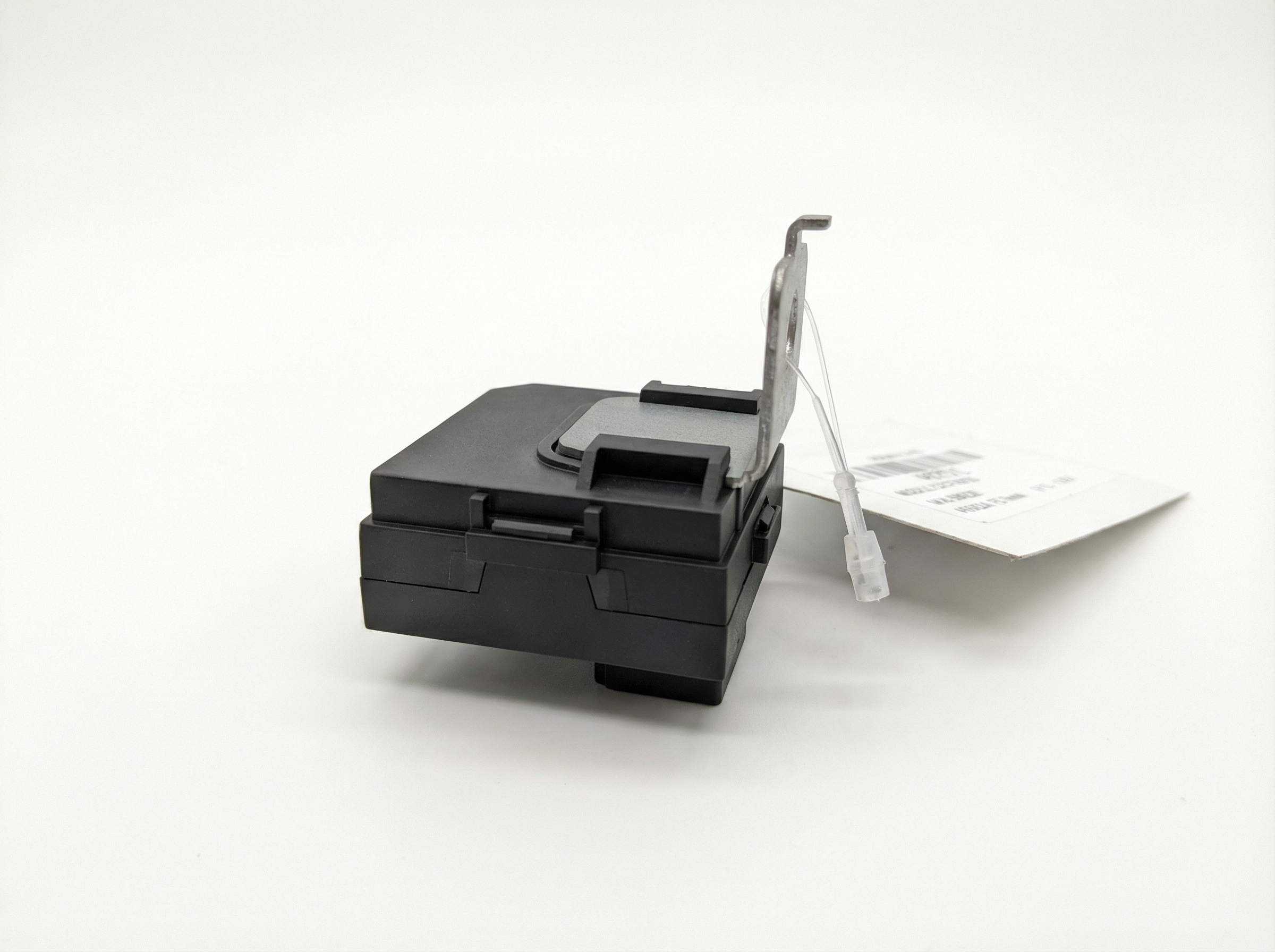
- Part Number is Key: You must match the OEM part number exactly. For the 2014-2015 Tucson with factory navigation, the correct part number is 96510-2S500. This part is also referred to as a GPS Navigation Control Module or Unit Assembly-MTS.
- Programming is Required: This is not a plug-and-play part. The telematics module is linked to the vehicle's VIN. A used module would need to be programmed by a Hyundai dealership to communicate with the vehicle's other systems. However, dealers are often unwilling or unable to program used electronic components, especially security-related ones. They may insist on installing a new part that they source themselves.
- Activation is Unlikely: Even if a dealer could program the module to the car, Hyundai's back-end systems would likely refuse to activate a used module from another vehicle onto a new Blue Link account, especially for a system that is now defunct.
- Physical Inspection: If you do acquire a used module, inspect it carefully for any signs of corrosion on the pins or damage to the casing, which could indicate water intrusion.
Pro Tip: Given the high cost of a new module, the programming requirement, and the fact that services will not be restored, it is almost never economically viable to replace a faulty telematics module on a 2014-2015 Tucson. The only exception might be if the module's failure is causing a parasitic battery drain or CAN bus communication issue that affects other vehicle functions.
Cost Breakdown
Replacing the telematics module is an expensive repair, primarily due to the cost of the part itself.
| Part or Service | Estimated Cost |
|---|---|
| New OEM Module | $1,270 - $1,880 |
| Used OEM Module | $50 - $150 |
| Shop Labor (Replacement & Programming) | $150 - $300 |
Note: Labor costs can vary. Dealer programming for a used module may not be possible.
Frequently Asked Questions (FAQ)
My Blue Link stopped working. Is my telematics module broken?
Probably not. If your services stopped working around the beginning of 2023, the cause is the nationwide shutdown of the 3G cellular network that your vehicle's system relied on. This is not a part failure, and replacing the module will not fix it.
Can I install a used telematics module myself?
Physically, the module is often accessible behind the dashboard or glove box and can be swapped with basic tools. However, the vehicle will not recognize the new module until it is programmed by a dealer with specialized software. The car may not start or may have multiple warning lights if a mismatched module is installed.
Is a bad telematics module a safety issue?
It can be. A failed module means the Automatic Collision Notification and SOS Emergency Assistance features will not work. However, it does not affect the vehicle's primary driving functions like the engine, brakes (unless it's causing a network-wide communication failure), or airbags. The car remains drivable.
Can I just unplug the module if it's causing a battery drain?
Unplugging the module might solve a battery drain, but it could also cause unintended communication errors on the vehicle's data network (CAN bus). This could lead to other warning lights or system malfunctions. It is better to have the issue properly diagnosed before simply disconnecting components.
Helpful Videos
Technical Specifications
OEM Part Numbers: 96510-2S500 965102S500
For vehicles equipped with both Blue Link and a factory navigation system.
We Have This Part in Stock




The information in this article is provided for general reference and educational purposes only. Vehicle specifications, procedures, and part compatibility can vary by production date, trim level, and region. Always consult your vehicle's factory service manual and verify part numbers before purchasing or performing repairs. Safety-critical components such as airbags, seat belts, and braking systems should be installed by a qualified professional.
- Hyundai Tucson:
- 🎬 Helpful Videos
- 🛍️ Shop This Part
- The Biggest Issue: 3G Network Shutdown
- Symptoms of a Failing Telematics Module
- Associated OBD-II and Trouble Codes
- Known Issues, TSBs, and Recalls
- Buying a Used Telematics Interface Module: What You Must Know
- Cost Breakdown
- Frequently Asked Questions (FAQ)
- 🎟️ Get 5% Off