

2019-2025 Ford Ranger Tail Light: BLIS, LED, and Recall Guide
This guide covers the critical differences in Ranger tail lights, including the common BLIS-equipped units, a major 2019 recall, and how to choose the right used part.
- Before buying, you must identify if your Ranger has Halogen, LED, or LED with Blind Spot Information System (BLIS), as they are not interchangeable.
- The 2019-2023 models and 2024+ "Next-Gen" models use completely different tail lights.
- For BLIS-equipped trucks, the tail light is a housing only; the expensive radar module is a separate part that must be transferred from the old unit.
- A major recall (19S43) for 2019 models addressed intermittent tail lights caused by a faulty underbody wiring connector, not necessarily the light assembly itself.
Key Variants and Compatibility (2019-2025)

Before purchasing a replacement tail light for a 2019-2025 Ford Ranger, you must correctly identify which version your truck has. Installing the wrong type can lead to functions not working, warning lights on the dashboard, and improper fit. The main variations are based on lighting technology and the presence of the Blind Spot Information System (BLIS).
Warning: Tail lights for the 2019-2023 Ford Ranger are NOT interchangeable with the 2024+ "Next-Gen" Ranger models. They have a completely different shape and mounting system.
| Type | Lighting Technology | Blind Spot System (BLIS) | Key Identifiers |
|---|---|---|---|
| Base Model | Halogen (Incandescent Bulbs) | No | Has visible, user-replaceable bulbs for brake, turn, and reverse functions. The housing will not have a mounting location for the BLIS radar module. |
| LED (Mid/High Trim) | LED | No | Features LED elements for brake and running lights, but lacks the internal mounting points and wiring for the BLIS radar. |
| LED with BLIS | LED | Yes | This is the most common type on XLT and Lariat trims. The housing is designed to hold the separate BLIS radar module. A warning message will appear on the dash if a non-BLIS light is installed on a BLIS-equipped truck. |
| Raptor | LED | Yes | Raptor models have unique tail light designs that are not interchangeable with other Ranger trims. |
Symptoms of a Failing Tail Light

Tail light issues can range from simple bulb failures to more complex electronic problems.
- Dim or Non-Functioning Lights: The most obvious symptom is when a brake light, turn signal, or running light stops working. On halogen models, this is usually a burnt-out bulb. On LED models, it means a segment of the LED board has failed, requiring replacement of the entire assembly.
- Rapid Flashing Turn Signal (Hyperflash): If your turn signal blinks much faster than normal, it typically indicates that a bulb on that side of the vehicle has burned out or there is a wiring issue. This can also happen if an incorrect aftermarket LED bulb is installed without a proper resistor. 🎬 See how to install error-free LED turn signals without hyperflash.
- "BLIS Fault" or "Cross-Traffic Alert Fault" Message: If your Ranger is equipped with BLIS, a failure within the tail light's wiring or a bad connection can cause the radar module to stop communicating, triggering a warning on your instrument cluster.
- Condensation or Water Inside the Lens: Moisture inside the tail light assembly is a clear sign that the seal between the lens and the housing has failed. This can short out bulbs, corrode connectors, and damage the sensitive BLIS module.
- Intermittent Operation: Lights that flicker or work sporadically were a key symptom of a major recall on 2019 models due to a faulty wiring connector.
Known Issues, Recalls, and Technical Service Bulletins (TSBs)

Recall 19S43 / NHTSA 19V-839: Inoperative Tail Lamps (2019 Models)
Ford issued a major safety recall for 72,718 Ford Rangers from the 2019 model year due to tail lights that could become inoperative. The issue was caused by misaligned or improperly seated terminals in an underbody inline electrical connector. This could cause an intermittent or total loss of brake lights, turn signals, and reverse lights, increasing the risk of a crash. The center high-mounted stop lamp was not affected. The remedy involved dealers inspecting the connector and re-pinning it into a replacement connector if necessary, free of charge.
Recall 26C10 / NHTSA 26V104000: Trailer Light Failure (2024+ Models)
Some 2024-2026 Ranger models are part of a recall where the Integrated Trailer Module (ITRM) may lose communication with the vehicle when towing. This can result in the loss of brake and turn signal lights on the connected trailer. The fix is a software update performed by a dealer or through an over-the-air (OTA) update.
Condensation Issues
Across forums, owners of both 2019-2023 and 2024+ Rangers have reported issues with condensation and moisture building up inside the tail light housings, even on new vehicles. This points to potential issues with factory sealing. While some condensation can be normal with temperature swings, pooled water indicates a definite leak that needs to be addressed to prevent electrical damage.
Pro Tip: Before assuming the tail light assembly is bad, check for the 19S43 recall status using your vehicle's VIN 🎬 Learn how to stop hyperflash using FORScan instead of resistors. on the NHTSA website. The problem may be the underbody connector, not the light itself.
Buying a Used 2019-2025 Ranger Tail Light: What to Check

Purchasing a used OEM tail light is an excellent way to save money, especially for the expensive LED and BLIS-equipped units. However, careful inspection is key.
Step 1: Positively Identify Your Required Part
First, determine if your truck has halogen, LED, or LED with BLIS. The easiest way to check for BLIS is to look for the blind spot warning symbol (two cars) in your side mirrors or check your truck's original window sticker. Visually inspect your current light to see if it has replaceable bulbs or sealed LED units.
Step 2: Physical Inspection of the Used Part
- Check for Cracks and Crazing: Carefully inspect the entire lens for hairline cracks, especially around the edges and mounting points. Even a small crack will allow moisture in. Also look for "crazing," which are networks of tiny cracks in the plastic surface.
- Look for Signs of Moisture: Check for a water line, dried mineral deposits, or a foggy appearance on the inside of the lens. This indicates the seal has already failed.
- Inspect All Mounting Tabs: The tail light is held on by two bolts and several plastic locating pins or tabs. Ensure all tabs are intact and not cracked or broken. A broken tab will prevent the light from sitting flush against the body.
- Examine the Wiring Connector: Look at the main electrical connector on the back of the housing. Ensure the pins are straight, clean, and free of any green or white corrosion.
Step 3: Understand the BLIS Module
Important: The tail light assembly for BLIS-equipped models is ONLY the housing. It does NOT include the electronic BLIS radar module. You must transfer the module from your old tail light to the new one. When buying a used assembly, make sure the mounting points for this module are intact.
Why a Used OEM Light is Often a Smart Choice
For a complex part like a modern tail light, a used Original Equipment Manufacturer (OEM) part is often superior to a new, cheap aftermarket one. OEM parts guarantee a perfect fit, correct color matching of the plastic and lens, and most importantly, electrical compatibility with sensitive systems like BLIS. Aftermarket units, especially those from unknown brands, are notorious for poor seals that lead to condensation, and may cause "hyperflash" or other electrical faults.
Replacement Guide
Replacing a Ford Ranger tail light is a straightforward process suitable for beginners.
- Open the Tailgate: This provides access to the two retaining bolts on the inside edge of the tail light.
- Remove the Bolts: Using an 8mm socket or a T25 Torx driver (depending on the year/model), remove the two bolts holding the assembly.
- Pull the Assembly Rearward: Grab the tail light and pull it straight back, away from the truck bed. It is held in by two guide pins that pop out of grommets in the body. It may require a firm, steady pull.
- Disconnect the Wiring: Depress the tab on the main wiring harness connector and pull it apart. There is often a red locking tab that must be slid back first.
- (If Equipped) Transfer the BLIS Module: On the back of the old assembly, locate the BLIS radar module. It is typically held on by two or more Torx screws. Carefully remove the module and install it onto the replacement housing before connecting the main harness.
- Installation: Installation is the reverse of removal. Connect the wiring, align the guide pins with the holes in the body, and push the assembly firmly into place. Reinstall the two bolts, being careful not to overtighten them. Torque spec is approximately 22 in-lbs (2.5 Nm).
Cost Comparison
| Part Type | Estimated Cost |
|---|---|
| New OEM (LED with BLIS) | $1,200 - $1,900+ |
| New OEM (Halogen) | $250 - $400 |
| New Aftermarket (Halogen/LED) | $50 - $350 |
| Used OEM (LED with BLIS) | $300 - $750 |
| Shop Labor | $50 - $100 |
Frequently Asked Questions (FAQ)
Can I upgrade my halogen tail lights to the factory LED version?
Upgrading from halogen to factory LED tail lights is complex. It is not a simple plug-and-play swap because the wiring harnesses are different, and the Body Control Module (BCM) may need to be reprogrammed to control the LEDs correctly and avoid error codes.
What is the BLIS module and why is it in the tail light?
BLIS stands for Blind Spot Information System. The module is a small radar unit that constantly scans the areas to the rear and side of the truck. The plastic tail light housing is an ideal location because it is transparent to radar waves, protecting the sensitive electronics from the elements without blocking their view.
My turn signal is flashing fast. Is the whole tail light bad?
Not necessarily. A fast-flashing turn signal (hyperflash) is the vehicle's way of telling you a bulb has failed. On halogen models, simply replace the burnt-out turn signal bulb. On LED models, it could indicate a wiring problem or a failure in the light assembly itself. This was also a symptom of the 2019 model year wiring connector recall.
Will a cheap aftermarket tail light work with my truck's BLIS?
It is highly recommended to use an OEM housing for trucks with BLIS. While some aftermarket companies make housings designed to accept the factory BLIS module, fitment can be poor. An aftermarket light that is not specifically designed for BLIS will not have the correct mounting points, and you will lose this important safety feature.
Helpful Videos
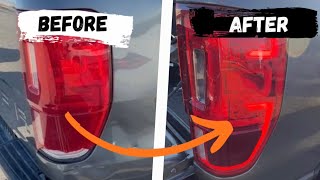
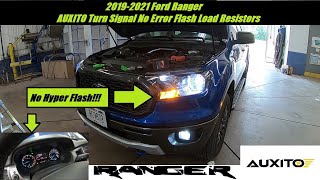
Technical Specifications
OEM Part Numbers: KB3Z-13404-C KB3Z-13404-E KB3Z-13404-F KB3Z-13404-G KB3Z-13405-A KB3Z-13405-D KB3Z-13405-G KB3Z-13405-J N1WB-13402-FF N1WB-13404-JF N1WB-13404-JG N1WB13404JF N1WB13404JG N1WB13404JH N1WZ-13404-AV N1WZ-13404-CM
Removal requires an 8mm socket or T25 Torx driver. Torque spec for installation bolts is approximately 22 in-lbs (2.5 Nm).
We Have This Part in Stock



The information in this article is provided for general reference and educational purposes only. Vehicle specifications, procedures, and part compatibility can vary by production date, trim level, and region. Always consult your vehicle's factory service manual and verify part numbers before purchasing or performing repairs. Safety-critical components such as airbags, seat belts, and braking systems should be installed by a qualified professional.
- Ford Ranger:
- 🎬 Helpful Videos
- 🛍️ Shop This Part
- Key Variants and Compatibility (2019-2025)
- Symptoms of a Failing Tail Light
- Known Issues, Recalls, and Technical Service Bulletins (TSBs)
- Recall 19S43 / NHTSA 19V-839: Inoperative Tail Lamps (2019 Models)
- Recall 26C10 / NHTSA 26V104000: Trailer Light Failure (2024+ Models)
- Condensation Issues
- Buying a Used 2019-2025 Ranger Tail Light: What to Check
- Step 1: Positively Identify Your Required Part
- Step 2: Physical Inspection of the Used Part
- Step 3: Understand the BLIS Module
- Why a Used OEM Light is Often a Smart Choice
- Replacement Guide
- Cost Comparison
- Frequently Asked Questions (FAQ)
- 🎟️ Get 5% Off