

2011-2016 Hyundai Elantra ESC Light: Decoding the Yaw Sensor Recall and Failures
This guide covers the critical recall, common failure symptoms, and replacement costs for the yaw rate sensor in your Hyundai Elantra sedan.
- A major recall (Hyundai #137) affects 2011-2012 Elantras for a yaw sensor issue causing unexpected braking; check your VIN.
- The primary symptom of failure is a solid ESC light on the dash, which disables this key safety feature.
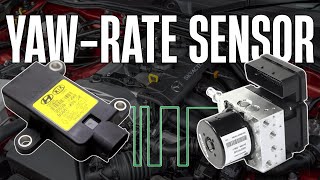
- The sensor is located under the passenger seat and replacement may require a 'Zero Point Calibration' with a professional scan tool.
- The part number 59910-3X350 is for a wheel speed sensor, not the yaw sensor. Verify the correct part number before buying.
Known Issues: Recall 137 for ESC Malfunction

A significant issue affects certain 2011-2012 Hyundai Elantra sedans. Hyundai issued a safety recall (NHTSA Campaign #15V-871; Hyundai Recall #137) for vehicles manufactured between October 29, 2010, and October 25, 2011. The defect involves a potential malfunction of the Electronic Stability Control (ESC) sensor, which could cause the system to activate unexpectedly.
This malfunction can lead to dangerous driving situations, including:
- Sudden and inappropriate braking on one or more wheels.
- Reduced engine power without warning.
- Illumination of the ESC indicator light on the dashboard.
These events can increase the risk of losing control of the vehicle and causing a crash. The official remedy from Hyundai involves dealers inspecting the ESC system and updating its software calibration free of charge. If the diagnostic check reveals specific trouble codes, such as C1282 or C1283, the yaw sensor itself will be replaced.
Symptoms of a Failing Yaw Sensor

Beyond the specific recall, a failing yaw sensor can present several distinct symptoms. The most common sign is a warning light on your instrument cluster.
1. ESC / Traction Control Light is On
The most direct symptom is the solid illumination of the Electronic Stability Control (ESC) light 🎬 Watch: A quick no-cost fix for the ESC light. on your dashboard. This light indicates that the ESC system has detected a fault and has been disabled. While the car remains drivable, this critical safety feature will not function in an emergency.
2. Unexpected Braking or Loss of Power
As detailed in the recall, a faulty sensor can send incorrect data, tricking the ESC system into thinking the car is in a slide. This may cause the system to apply the brakes to individual wheels or cut engine power in an attempt to "correct" a non-existent problem. This can be startling and dangerous, especially at highway speeds.
3. Flashing ESC Light During Normal Driving
The ESC light is designed to flash when the system is actively working to control a skid. If you see this light flashing intermittently during normal, non-aggressive driving on dry pavement, it could be a sign that the yaw sensor is malfunctioning and sending erratic signals.
Compatibility Warning: This yaw sensor is for 2011-2016 Hyundai Elantra SEDAN models only. It will not fit the Elantra Coupe or Elantra GT (hatchback/wagon) models, which use different part numbers. Additionally, the 2011-2012 recall applies to vehicles from both the Korean and USA (Alabama) manufacturing plants, so build location is a key factor in verifying recall eligibility.
Buying a Used Suspension Yaw Sensor

Due to the extremely high cost of a new OEM yaw sensor, a quality used part is often the most practical solution. Here’s what to look for to ensure you get a good one.
1. Verify the Part Number
This is the most critical step. The yaw sensor is often confused with wheel speed sensors. The part number 59910-3X350, often associated with this vehicle, is actually for a rear wheel speed sensor, NOT the yaw sensor. The correct part number for the yaw sensor replaced under the recall campaign is 95690-3V100QQH. Always confirm the number on the part you are buying matches the number on your original sensor or a verified OEM catalog.
2. Inspect for Physical Damage
The sensor is a sensitive electronic device. Carefully check the plastic housing for any cracks or signs of being tampered with. Pay close attention to the electrical connector and pins—ensure they are straight, clean, and free of corrosion. A damaged connector is a major red flag.
🎬 See how to diagnose a yaw sensor using a multimeter.3. Avoid Flood-Damaged Parts
The yaw sensor in the Elantra is located on the floor, under the passenger seat. This position makes it extremely vulnerable to water damage in a flood-affected vehicle. Corrosion from moisture will destroy the delicate electronics inside. Ask the seller about the donor vehicle's history and look for any signs of water intrusion, such as silt, rust, or a musty smell.
4. Why Used OEM is a Smart Choice
For a critical safety component like a yaw sensor, a used OEM part is generally superior to a cheap new aftermarket alternative (if you can even find one). The original Hyundai sensor is designed and calibrated specifically for the Elantra's weight, suspension, and handling dynamics. An aftermarket part may not have the same tolerances, potentially leading to improper ESC activation or failure to engage when needed.
Cost Comparison
The cost of a new yaw sensor from a Hyundai dealer is exceptionally high, making used parts a very attractive alternative.
| Part Type | Estimated Cost |
|---|---|
| New OEM | $750 - $1,350 |
| New Aftermarket | Not commonly available |
| Used OEM | $100 - $250 |
| Shop Labor | $150 - $225 |
Replacement and Calibration

Replacing the yaw sensor is a moderately easy job for a DIY mechanic, but it may require a final calibration step that needs a professional scan tool.
- Difficulty: 2 out of 5
- Estimated Time: 1 hour
Replacement Steps:
- Disconnect the negative battery terminal.
- Move the front passenger seat all the way forward and up. You may need to remove the seat entirely for better access, which involves removing four main bolts at the seat rails.
- Locate the sensor under the passenger seat on the vehicle floor.
- Carefully lift the carpet flap to expose the sensor.
- Disconnect the electrical connector.
- Remove the two mounting bolts holding the sensor to the floor bracket. The torque for these bolts is very light: 3.9 - 5.9 N.m (2.9 - 4.3 lb-ft).
- Install the new sensor, ensuring it is oriented in the exact same direction as the old one.
- Reconnect the battery and start the vehicle to see if the ESC light has turned off.
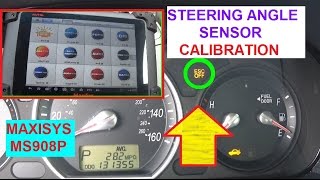
Pro Tip: After replacement, the system may require a "Longitudinal G Sensor Calibration" or "Zero Point Calibration." This procedure tells the computer the new sensor's baseline reading for when the car is on level ground. Some high-end consumer scan tools can perform this, but you may need to visit a dealer or independent shop with a Hyundai-compatible GDS tool to complete the calibration.
Frequently Asked Questions (FAQ)
Can I still drive my Elantra with the ESC light on?
Yes, but with caution. When the ESC light is on, the stability and traction control systems are disabled. Your car will drive normally with its standard brakes and steering, but the safety net that helps prevent skids is gone. This is especially risky on wet or icy roads.
How do I know if my 2011-2012 Elantra is part of the recall?
You can check by entering your 17-digit Vehicle Identification Number (VIN) on the NHTSA's official recall website (nhtsa.gov/recalls) or Hyundai's recall lookup page. Any authorized Hyundai dealer can also check for open recalls on your vehicle.
Where is the yaw sensor located on a 2011-2016 Elantra?
The yaw rate sensor is located on the floor of the vehicle, underneath the front passenger seat. You will need to lift the carpet to access it.
Does a new or used yaw sensor need to be programmed?
It doesn't require programming, but it often requires calibration. A "Zero Point Calibration" must be performed with a compatible scan tool to ensure the sensor and the ESC system work correctly. Failure to calibrate the sensor can result in the ESC light staying on or the system not working properly.
Helpful Videos

Technical Specifications
OEM Part Numbers: 95690-3V100QQH
Location: Under front passenger seat on vehicle floor. Mounting Bolt Torque: 3.9 - 5.9 N.m (2.9 - 4.3 lb-ft).
We Have This Part in Stock


The information in this article is provided for general reference and educational purposes only. Vehicle specifications, procedures, and part compatibility can vary by production date, trim level, and region. Always consult your vehicle's factory service manual and verify part numbers before purchasing or performing repairs. Safety-critical components such as airbags, seat belts, and braking systems should be installed by a qualified professional.
- Hyundai Elantra:
- 🎬 Helpful Videos
- 🛍️ Shop This Part
- Known Issues: Recall 137 for ESC Malfunction
- Symptoms of a Failing Yaw Sensor
- 1. ESC / Traction Control Light is On
- 2. Unexpected Braking or Loss of Power
- 3. Flashing ESC Light During Normal Driving
- Buying a Used Suspension Yaw Sensor
- 1. Verify the Part Number
- 2. Inspect for Physical Damage
- 3. Avoid Flood-Damaged Parts
- 4. Why Used OEM is a Smart Choice
- Cost Comparison
- Replacement and Calibration
- Replacement Steps:
- Frequently Asked Questions (FAQ)
- 🎟️ Get 5% Off