

2016-2025 Tesla Model X Air Suspension Strut: Noises, Leaks, and Upgrades Explained
This guide covers common failure symptoms, compatibility differences between model years, and how to choose a reliable used air strut for your 2016-2025 Tesla Model X.
- Compatibility is critical: Struts differ between Pre-Raven (2016-early 2019), Raven (mid-2019-2020), and Palladium/Refresh (2021+) models. Always verify the part number.
- A sagging corner when parked is the most definitive sign of a failed air strut due to an air leak.
- Clunking over bumps and a bouncy ride are common symptoms of internal strut failure.
- When replacing, it's best practice to replace struts in pairs (both front or both rear) to ensure balanced handling.
- Always perform a wheel alignment after replacing a strut to prevent uneven tire wear.
Symptoms of a Failing Suspension Strut

Because the Tesla Model X is so quiet, suspension noises that might be masked by engine sounds in other vehicles are much more noticeable. Failure in an air suspension strut can manifest in several ways, from obvious physical changes to subtle noises.
Audible Noises and Vibrations
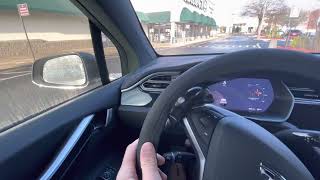
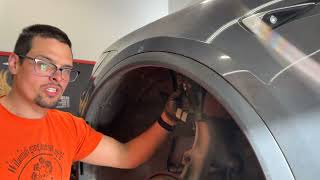
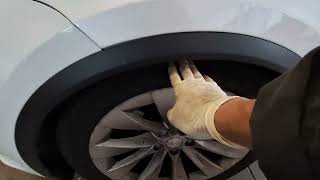
- Clunking or Knocking: A common symptom is a clunking or knocking sound, especially over bumps at low speeds. This often indicates wear in the internal components of the strut or in related bushings and links. 🎬 Watch: Hear what a front suspension clunk sounds like.
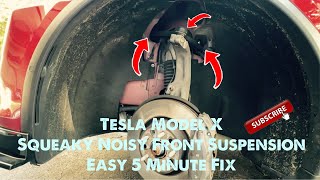
- Squeaking or Creaking: Worn-out suspension parts can cause squeaking or creaking noises. This may be more noticeable when turning the steering wheel at low speeds or going over speed bumps.
- Hissing: A faint or obvious hissing sound when the vehicle is parked or running is a classic sign of an air leak in the strut's air spring or the attached air lines.
- Loud Compressor Operation: If the air suspension compressor runs more frequently or seems louder than usual, it may be working overtime to compensate for a leak in one or more struts.
Visual and Performance Issues
- Vehicle Sagging: The most obvious sign of a failed air strut is one corner of the vehicle sitting lower than the others, especially after being parked overnight. This indicates a significant air leak.
- Uneven Ride Height: The vehicle may appear tilted or uneven even while driving.
- "Suspension System Fault" Warning: A yellow or red warning light on the instrument panel indicates the vehicle's computer has detected a problem with the adaptive air suspension system.
- Bouncy or Harsh Ride: A strut that has lost its damping capability will result in a bouncy, uncontrolled ride. Conversely, a seized strut can make the ride feel extremely harsh.
Known Issues, TSBs, and Recalls

While the air struts themselves have not been the subject of a formal recall, related suspension components on early Model X vehicles have been under scrutiny.
- NHTSA Investigation (Front Suspension Fore Links): The National Highway Traffic Safety Administration (NHTSA) investigated failures of the front suspension fore links on 2016-2017 Model X vehicles. While the investigation was closed without a formal recall, NHTSA noted hundreds of failure reports, mostly occurring at low speeds. The agency recommended Tesla expand its service campaign to replace the parts. A failed link can cause the tire to contact the wheel well liner.
- Service Bulletin (Rear Lower Control Arms): Tesla issued a service bulletin (SB-25-31-002) for potential water intrusion into the rear lower control arms on 2015-2021 Model X vehicles, which could lead to corrosion, cracking, and noise. While this is not a strut issue, it is a related suspension component that can cause similar noises and ride quality problems.
Model Year and Trim Level Differences

It is critical to select the correct strut for your Model X's specific build date and trim, as there are significant differences in the suspension systems.
Pre-Raven (2016 - Early 2019)
These early models use a standard adaptive air suspension. The struts are specific to their position (Front Left, Front Right, Rear Left, Rear Right) but are not interchangeable with the later Raven models.
Raven (Mid-2019 - 2020)
Introduced in mid-2019, the "Raven" update included a new, more advanced fully-adaptive suspension system. This system provides a greater range of damping adjustment, offering a softer ride during normal cruising and a firmer, more controlled feel during dynamic driving. Raven struts are visually and functionally different from the pre-Raven units and are not cross-compatible.
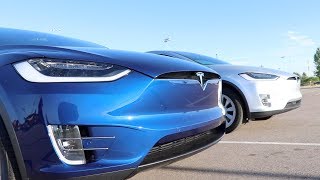
🎬 See this video comparing Raven and pre-Raven differences.Palladium / Refreshed (2021 - 2025)
Starting with the 2021 model year refresh (sometimes called "Palladium"), the Model X received further updates to its chassis and suspension. Struts for these models, including the high-performance Plaid version, are again different and specific to this generation. Always verify compatibility using the vehicle's production year before purchasing.
Warning: Part numbers are crucial for ensuring compatibility. A strut for a 2018 Model X will not work on a 2020 Raven model, and a Raven strut will not fit a 2021+ refreshed model. Always match the OEM part number from your original strut or verify by VIN.
Buying a Used Suspension Strut
A used OEM air strut can be a cost-effective and reliable alternative to a new part, especially given the high cost of new units. Because these are complex components, careful inspection is key.
Inspection Checklist
- Check the Air Spring: Carefully inspect the rubber air bladder for any signs of cracking, perishing, or abrasions. Pay close attention to the areas where the rubber folds.
- Look for Leaks: Check the strut body and seals for any signs of fluid leakage. A leaking shock absorber portion of the strut is a clear sign of failure.
- Examine the Electrical Connector: Ensure the electrical connector and any attached wiring for the adaptive damping are intact and free of corrosion or damage.
- Verify Part Numbers: This is the most important step. Double-check that the OEM part number on the used strut matches the required part for your vehicle's year and model (Pre-Raven, Raven, or Palladium/Refresh).
- Mileage Consideration: While there is no specific mileage for failure, air struts are wear items. A lower-mileage part is generally preferable. Most issues arise from age and wear on the rubber and seals rather than mileage alone.
Pro Tip: When replacing a failed air strut, it is often recommended to replace them in pairs (both fronts or both rears). This ensures even damping performance and handling characteristics from side to side.
Cost Comparison
The cost to replace a Tesla Model X air strut can vary significantly depending on the source of the part and labor rates.
| Part/Service | Estimated Cost |
|---|---|
| New OEM Strut (Tesla Service) | $1,000 - $1,500+ per strut (part only) |
| New Aftermarket Strut | $500 - $950 per strut |
| Used OEM Strut | $300 - $700 per strut |
| Shop Labor | $300 - $600 per strut |
| Total Replacement (Used OEM) | $600 - $1,300 per corner |
| Total Replacement (New OEM) | $1,300 - $2,100+ per corner |
Replacement and Installation

Replacing a Model X air strut is a job that can be performed by an experienced DIY mechanic, but it requires proper tools and safety procedures.
Key Steps & Procedures
- Engage Service/Jack Mode: Before lifting the vehicle, use the touchscreen to put the air suspension into 'Service' or 'Jack' mode. This prevents the system from trying to self-level while you work.
- Safely Lift and Support: Use a floor jack on the correct lift points and secure the vehicle with jack stands. Never work under a vehicle supported only by a jack.
- Disconnect Air Line: Carefully disconnect the air line from the top of the strut. Be prepared for a release of any remaining air pressure.
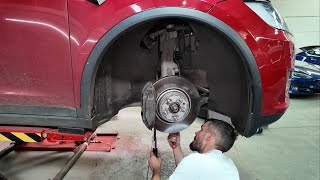
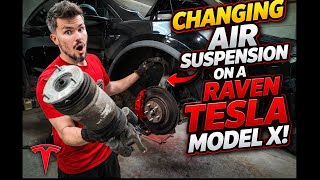
- Remove and Replace: The strut is typically held by three nuts at the top in the front trunk ('frunk') area and a large bolt at the bottom connecting it to the lower control arm. 🎬 Watch: Step-by-step front air strut replacement walkthrough.
- Torque to Spec: It is critical to tighten all bolts to the manufacturer's specified torque values. Overtightening or undertightening can lead to noise or component failure.
Important Torque Specs
- Front Strut to Lower Control Arm Bolt/Nut: 140 Nm (103 lb-ft) (Note: Some sources cite 106 Nm, always verify with the latest service manual for your specific model year).
- Rear Strut (Shock) to Knuckle: 140 Nm (103 lb-ft)
- Front Upper Strut Mount Nuts (x3): 23 Nm (17 lb-ft)
- Wheel Lug Nuts: 175 Nm (129 lb-ft)
Caution: Only tighten the main suspension bolts, like the large lower strut bolt, when the vehicle's suspension is at its normal ride height. Tightening these bolts while the suspension is hanging down can preload the bushings, causing premature wear and failure.
Frequently Asked Questions (FAQ)
Can I drive my Model X with a leaking air strut?
It is not recommended. Driving with a collapsed or leaking air strut can cause damage to other suspension components, the tire, and the air compressor, which will run continuously trying to compensate for the leak. It also severely compromises vehicle handling and safety.
Do I need to do a wheel alignment after replacing a strut?
Yes, it is highly recommended. Replacing a strut can affect the vehicle's camber and toe angles. A proper four-wheel alignment is necessary to ensure correct handling and prevent premature tire wear.
What is the difference between the 'Raven' suspension and the older version?
The Raven suspension, introduced in mid-2019, is a fully-adaptive damping system that reacts more quickly to road conditions. It offers a wider range between comfort ('Standard') and performance ('Sport') settings compared to the earlier system. The physical struts and control software are different and not interchangeable.
Why is a used OEM strut better than a new, cheap aftermarket one?
Used OEM (Original Equipment Manufacturer) struts were built to Tesla's specific standards for valving, durability, and electronic integration with the adaptive suspension system. Many cheap aftermarket struts may not offer the same ride quality, longevity, or seamless electronic compatibility, potentially leading to error messages or a poor driving experience.
Helpful Videos
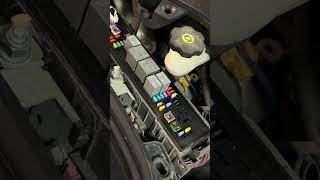
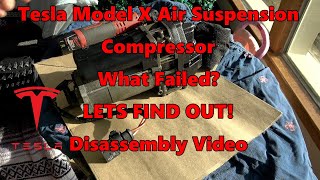
Technical Specifications
OEM Part Numbers: 1027061-00-C 1027061-00-D 1027061-00-E 1027062-00-C 1027062-00-D 1027066-00-C 1027066-00-D 1027066-00-E 102706600C 102706600D 1027067-00-C 1027067-00-D 1420361-00-C 1420361-00-E 1620361-00-D 1620361-00-C 1620361-00-E 1620361-00-G
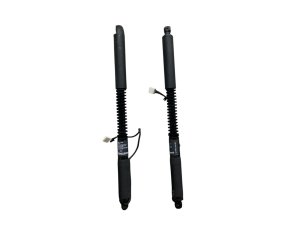
Electronically controlled adaptive air strut assembly. Requires vehicle to be put in 'Service Mode' or 'Jack Mode' via the touchscreen before lifting for service.
We Have This Part in Stock
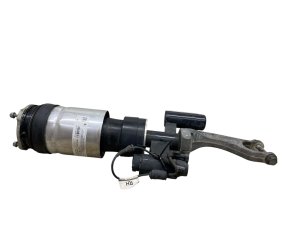
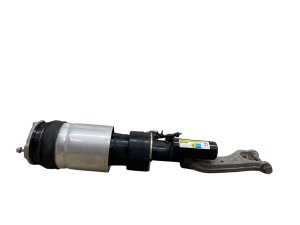
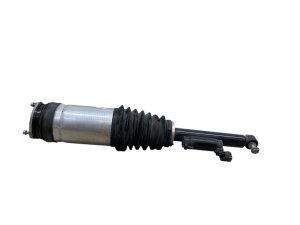

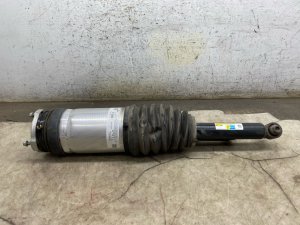

The information in this article is provided for general reference and educational purposes only. Vehicle specifications, procedures, and part compatibility can vary by production date, trim level, and region. Always consult your vehicle's factory service manual and verify part numbers before purchasing or performing repairs. Safety-critical components such as airbags, seat belts, and braking systems should be installed by a qualified professional.
- TESLA MODEL X:
- 🎬 Helpful Videos
- 🛍️ Shop This Part
- Symptoms of a Failing Suspension Strut
- Audible Noises and Vibrations
- Visual and Performance Issues
- Known Issues, TSBs, and Recalls
- Model Year and Trim Level Differences
- Pre-Raven (2016 - Early 2019)
- Raven (Mid-2019 - 2020)
- Palladium / Refreshed (2021 - 2025)
- Buying a Used Suspension Strut
- Inspection Checklist
- Cost Comparison
- Replacement and Installation
- Key Steps & Procedures
- Important Torque Specs
- Frequently Asked Questions (FAQ)
- 🎟️ Get 5% Off