

2024-2026 Tesla Cybertruck Air Strut: Suspension Faults, Noises, and Replacement Guide
Diagnose common air suspension problems, from dashboard warnings to clunking sounds, and learn what to look for when buying a used OEM air strut for your AWD Cybertruck.
- These adaptive air struts are ONLY for 2024-2026 All-Wheel Drive (AWD) and Cyberbeast models; they are incompatible with the Rear-Wheel Drive (RWD) version.
- Replacement is not a simple DIY job. It requires Tesla's proprietary Toolbox 3 software to safely depressurize the system and perform a mandatory ride height calibration.
- Common failure symptoms include dashboard warnings ('Air suspension unable to raise'), a corner of the truck sagging, and clunking noises during low-speed turns.
- When buying a used strut, the most important checks are for cracks in the rubber air spring, fluid leaks from the damper body, and damage to the electrical connector.
Symptoms of a Failing Cybertruck Air Strut


As an electronically controlled air suspension system on a new vehicle platform, the Cybertruck can exhibit a range of failure symptoms. These can stem from the strut itself, the air compressor, air lines, or software glitches. Owners have reported numerous issues in the first years of production.
Dashboard Warnings and Error Messages
The most direct indication of a problem will be a message on the central touchscreen. Common warnings include:
- "Air suspension unable to raise. Functionality may be restored on next drive." This is a common fault message that may appear after hearing a pop or when the system fails to lift the vehicle.
- "Air compressor temperature above operating..." This indicates the compressor is running too long and overheating, often because of a leak in the system it's trying to compensate for.
- "Suspension may return on next trip." A generic message that appears when a fault is detected, though the issue often persists across multiple drives.
- A red or yellow suspension icon. A yellow light indicates a fault that reduces performance, while a red light signifies a more serious issue that has disabled the system.
- Specific diagnostic alerts like "Front Right Spring Losing Pressure – Possible Leak" may be visible in the vehicle's Service Mode.
Noises and Vibrations
- Loud Pop or Bang: A sudden, loud noise, sometimes described as sounding like a shotgun, can indicate a catastrophic failure of an air spring, which will be followed by that corner of the vehicle dropping.
- Clunking: A clunking or popping sound, particularly during sharp, low-speed turns (like into a driveway) or while regenerative braking is active, can point to issues with suspension components.
- Squeaking: Squeaking noises when going over minor or major bumps have been traced by some owners to control arm bushings, which are directly connected to the strut assembly.
- Compressor Rattle: A persistent rattling or buzzing noise at low speeds can be caused by a loose air suspension compressor vibrating against its mounting bracket or the vehicle body. Some owners have resolved this by adding foam or dampening material.
Visual Signs and Driving Feel
- One Corner is Low: The most obvious sign of a failed strut or a significant leak is one corner of the truck sitting visibly lower than the others, especially after being parked overnight. The system should maintain a level height.
- Harsh, Bumpy Ride: If the air suspension is disabled and stuck in a low setting, the ride quality becomes extremely rough, with every bump and road imperfection felt in the cabin.
- Compressor Runs Constantly: If you can hear the air compressor running frequently, even when not adjusting the ride height, it's a strong sign of an air leak. The compressor is working overtime to maintain pressure.
Compatibility Warning: These adaptive air suspension struts are ONLY compatible with All-Wheel Drive (AWD) and Cyberbeast models of the 2024-2026 Tesla Cybertruck. The future Rear-Wheel Drive (RWD) model (referred to as Long Range in some manuals) uses a completely different, incompatible coil spring suspension system. Always verify your vehicle's drivetrain before purchasing.
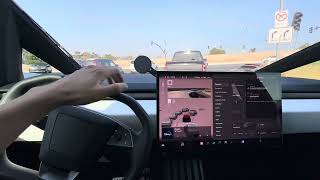
🎬 Watch: Real-world examples of common Cybertruck air suspension issues.Known Issues, TSBs, and Recalls

As of early 2026, there are no official NHTSA recalls or Technical Service Bulletins (TSBs) specifically for the Cybertruck's suspension struts. However, the vehicle has been subject to numerous other recalls for issues ranging from accelerator pedals to exterior trim panels, indicating early production quality control challenges. Some owners report that Tesla Service has attributed certain suspension error messages to software glitches that will be addressed in future firmware updates. 🎬 See how software glitches can trigger persistent suspension error messages. Given the newness of the platform, issues are still being discovered and addressed.
Buying a Used 2024-2026 Cybertruck Air Strut

Due to the high cost of new OEM parts, a used, low-mileage air strut can be a smart purchase. Because the Cybertruck is so new, most used parts come from vehicles involved in collisions rather than from simple wear and tear. This makes careful inspection critical.
What to Inspect
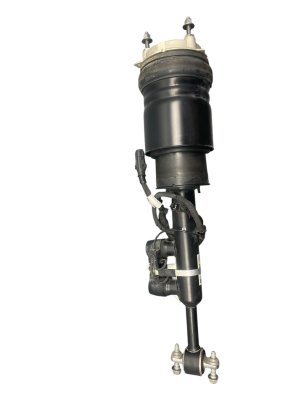
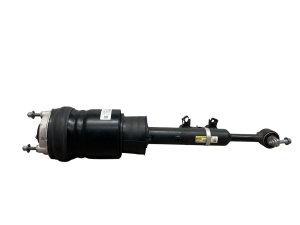
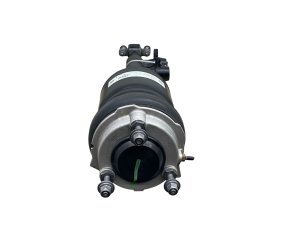
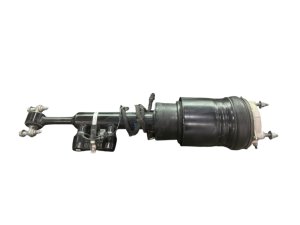
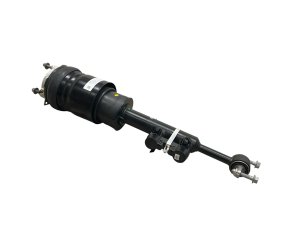
- The Air Spring: This is the flexible rubber bladder. Carefully inspect its entire surface for any cracks, perishing, or abrasions. A puncture or tear in this bladder is the most common failure point for air struts.
- Electrical Connector: Check the plastic connector and any attached wiring pigtails. Ensure the connector is not cracked, and the pins inside are straight and free of corrosion. Damage here can cause communication errors with the suspension control module.
- Damper Body: Look at the main body of the strut (the shock absorber part). It should be dry. Any signs of oily residue indicate that the internal seals have failed and the hydraulic fluid is leaking out.
- Mounting Points: Inspect all mounting points at the top and bottom of the strut. Ensure they are not bent, cracked, or deformed from a collision.
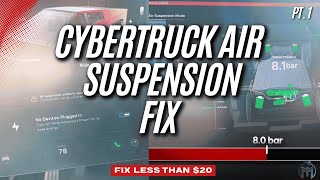
- Air Line Fitting: Check the port where the air line connects. Make sure the threads and the fitting itself are clean and undamaged 🎬 Watch: A step-by-step guide to fixing air suspension line leaks. to ensure a proper seal.
Mileage and Donor Vehicle
For a vehicle this new, mileage is less of a concern than the history of the donor vehicle. A part from a Cybertruck with low mileage that suffered a rear-end collision, for example, is an excellent source for a front strut. Always prioritize parts from vehicles with non-suspension-related damage.
Cost to Replace a Cybertruck Air Strut
Replacing a Cybertruck air strut is an expensive repair, primarily due to the cost of the part and the specialized labor required.
| Part or Service | Estimated Cost | Notes |
|---|---|---|
| New OEM Strut | $900 - $2,500+ | Price is per strut. Some reports indicate a single air spring is around $900, while collision repair estimates have listed rear suspension components in the thousands. |
| New Aftermarket | Not Yet Available | As of early 2026, there is no established aftermarket for these complex, model-specific struts. |
| Used OEM Strut | $200 - $500 | Based on pricing for similar used Tesla air struts (e.g., Model Y) and market availability. Prices will vary based on condition and demand. |
| Shop Labor | $400 - $800 | Expect 2-4 hours of labor. The job requires specialized software for calibration, so costs at a Tesla Service Center or specialized EV shop may be higher than a standard mechanic. |
Replacement Procedure Overview
Warning: This is not a typical DIY-friendly repair for most home mechanics. The procedure requires proprietary Tesla software and specific calibration steps to be performed safely and correctly.
Replacing a Cybertruck air strut involves more than just unbolting the old part. The air suspension system must be safely depressurized before work begins and then recalibrated after the new part is installed.
- Engage Service Mode: The vehicle must be put into "Service Mode" using Tesla's Toolbox 3 diagnostic software, which is typically only available to service centers and authorized repair shops.
- Depressurize System: Within Service Mode, a specific command is run to safely vent the air from the system. Failure to do this can be dangerous.
- Mechanical Replacement: Once depressurized, the wheel is removed. The air line and electrical connector are detached from the strut. The strut is then unbolted from the suspension knuckle at the bottom and the chassis mount at the top.
- Installation: The new strut is installed, and all bolts are torqued to specification. The air line and electrical connector are reattached.
- Ride Height Calibration: This is a critical final step. Using Toolbox 3, the technician initiates the "Calibrate Air Suspension" or "Ride Height Calibration" routine. This involves measuring the ride height at all four corners and inputting the values into the software to ensure the truck sits level and the system functions correctly.
Frequently Asked Questions (FAQ)
Can I drive my Cybertruck with a failed air strut?
It is not recommended for extended periods. While you may be able to drive slowly to a service center, the ride will be extremely harsh, and vehicle handling will be compromised. Driving with a collapsed suspension can also cause damage to other components, including the tires.
Do I need to replace the air struts in pairs?
On older, high-mileage vehicles, it's standard practice to replace struts in pairs (both fronts or both rears) to maintain balanced handling. On a new vehicle like the Cybertruck where failure is likely due to a defect or damage rather than wear, replacing only the single failed unit is generally acceptable.
What is ride height calibration and why is it necessary?
Ride height calibration is a software procedure that teaches the suspension control module the exact height of each corner of the vehicle relative to the sensor readings. It is required after replacing a strut to ensure the truck sits level, the automatic adjustments work correctly, and to prevent system faults. It requires special diagnostic tools.
Why is my air compressor so loud or running all the time?
If the compressor is rattling, its mounting bracket may be loose. If it's running constantly, it's almost always a sign of an air leak somewhere in the system—often at one of the struts or air lines. The compressor is working overtime to replace the leaking air, which can cause it to overheat and fail prematurely.
Helpful Videos
Technical Specifications
OEM Part Numbers: 1250361-00-E 125036100E 1250366-00-E 125036600E 1250371-00-F 125037100F 1250376-00-F 1250461-00-E 1250464-00-E 1250466-00-E
Electronically controlled adaptive air strut assembly. Integrated with vehicle-wide 48V electrical architecture.
We Have This Part in Stock

The information in this article is provided for general reference and educational purposes only. Vehicle specifications, procedures, and part compatibility can vary by production date, trim level, and region. Always consult your vehicle's factory service manual and verify part numbers before purchasing or performing repairs. Safety-critical components such as airbags, seat belts, and braking systems should be installed by a qualified professional.
- Tesla Cybertruck:
- 🎬 Helpful Videos
- 🛍️ Shop This Part
- Symptoms of a Failing Cybertruck Air Strut
- Dashboard Warnings and Error Messages
- Noises and Vibrations
- Visual Signs and Driving Feel
- Known Issues, TSBs, and Recalls
- Buying a Used 2024-2026 Cybertruck Air Strut
- What to Inspect
- Mileage and Donor Vehicle
- Cost to Replace a Cybertruck Air Strut
- Replacement Procedure Overview
- Frequently Asked Questions (FAQ)
- 🎟️ Get 5% Off