

1996-1998 Suzuki Sidekick SPORT Strut: The Critical 1.8L Fitment and Recall Guide
This guide covers the unique front left strut for the 1.8L Sidekick Sport, detailing failure symptoms, a major safety recall, and how to ensure you buy the correct part.
- This strut is for the FRONT LEFT (Driver's Side) on 1996-1998 Suzuki Sidekick SPORT models with the 1.8L engine ONLY. It will not fit standard 1.6L models.
- A critical safety recall (NHTSA 00V008000) exists for weak front strut mounts on '96-'97 models. Inspect the strut tower for cracks or a reinforcement plate.
- Replacement requires a professional wheel alignment afterward to prevent unsafe handling and rapid tire wear.
- When replacing the strut, it is highly recommended to also replace the upper strut mount, bellows boot, and bump stop.
Critical Fitment Warning: 1.8L SPORT Model Only
Warning: This front left suspension strut fits ONLY the 1996-1998 Suzuki Sidekick SPORT model, which is equipped with a 1.8L engine. It will not fit the more common standard Sidekick models with the 1.6L engine. The Sport model features a different frame and suspension design, making the parts incompatible. Always verify your vehicle is a "Sport" trim with the 1.8L engine before ordering. This strut is confirmed to fit both 2-wheel drive (2WD) and 4-wheel drive (4WD) versions of the Sidekick Sport.
NHTSA Safety Recall: Front Strut Mount Failure
A significant safety recall (NHTSA Campaign ID: 00V008000) was issued for 1996-1997 Suzuki Sidekick models, including the Sport. The recall addresses insufficient strength in the mounting base of the front struts where they attach to the vehicle's body (the strut tower). This weakness could cause the mounting bolts to break, leading to a detachment of the strut and a potential loss of vehicle control.
The official remedy was for dealers to install a reinforcement plate between the strut mount and the vehicle body. When inspecting, replacing, or buying a used strut, it is critical to check the strut tower area in the engine bay for signs of cracking around the mounting holes or for the presence of this reinforcement plate.
Symptoms of a Failing Front Strut
A worn or failing front strut will provide several noticeable signs. Because struts wear out gradually, you may not notice the slow decline in ride quality until a symptom becomes obvious.
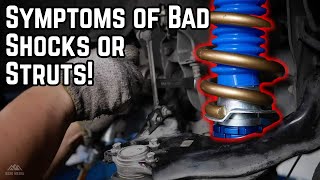
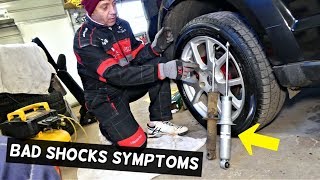
🎬 Watch: 5 symptoms of bad struts you should not ignore- Clunking or Banging Noises: A hollow clunking or banging sound is a common indicator, especially when driving over bumps, potholes, or uneven road surfaces. This is caused by worn internal components failing to control the suspension's movement.
- Creaking When Turning: A creaking, popping, or binding sound when turning the steering wheel at low speeds often points to a worn-out upper strut mount bearing, which is the pivot point for the strut assembly.
- Bouncy, Unstable Ride: If the vehicle continues to bounce excessively after hitting a bump, the strut is no longer effectively dampening the spring's oscillations. This can also manifest as a feeling of swaying or instability in crosswinds or during lane changes.
- Nose-Diving and Squatting: Worn front struts can cause the front end of the vehicle to dip excessively ("nose-dive") during braking. This can increase stopping distances as the tires lose optimal contact with the road.
- Uneven Tire Wear: A classic sign of a bad strut is a "cupped" or "scalloped" wear pattern on the tires. The bouncing of the wheel assembly from the bad strut causes the tire to skip along the pavement, scooping out rubber in patches.
- Visible Fluid Leaks: The strut body is filled with hydraulic fluid. If you see oily fluid leaking down the side of the strut, its internal seals have failed, and it must be replaced.
Buying a Used 1996-1998 Sidekick Sport Strut
A high-quality, low-mileage used OEM strut can be an excellent value compared to a new, cheap aftermarket part. OEM struts were designed specifically for the Sidekick Sport's weight and handling, providing performance that low-cost alternatives often can't match. Here’s what to look for:
Physical Inspection:
- Check for Leaks: The most important check. Wipe the strut body with a rag. If it's covered in a film of oily dirt, it's likely leaking. A strut with any sign of fluid leakage has failed and should be rejected.
- Inspect the Rod: The chrome piston rod extending from the top should be smooth, straight, and free of rust, pitting, or damage. Any imperfections will quickly destroy the new seal and cause it to fail.
- Examine the Body: Look for heavy rust, dents, or physical damage to the strut housing. While surface rust is common, deep, flaking rust can compromise the strut's integrity.
- Check the Mounts: Inspect all mounting points, especially the lower bracket that attaches to the steering knuckle and the upper mounting studs. Ensure they are not bent, cracked, or stripped.
- Perform a Bounce Test: If possible, place the strut on the ground (lower mount down) and push down hard on the top. It should compress smoothly and, most importantly, rebound in a slow, controlled manner. If it springs back instantly or makes noises, it is worn out.
Mileage and Compatibility:
Struts are a wear item, with a typical lifespan of 50,000 to 100,000 miles. When buying used, aim for a part from the lowest-mileage donor vehicle possible. Always double-check that the part came from a 1996-1998 Sidekick with the 1.8L Sport engine. Do not purchase a strut from a standard 1.6L model, as it will not fit.
Replacement Overview and Related Parts
Replacing a front strut is a job for an experienced DIYer or a professional mechanic. The process involves disassembling a key part of the vehicle's suspension and requires special tools.
🎬 See this step-by-step guide on replacing Sidekick strutsSafety Warning: If you are not replacing the entire strut and spring assembly (a "quick strut"), you will need to use a spring compressor to move the coil spring to the new strut. Coil springs are under extreme tension and can cause serious injury or death if they release unexpectedly. Use a high-quality internal or heavy-duty external spring compressor and follow all safety procedures.
Key Replacement Steps:
- Raise and support the vehicle on jack stands and remove the front wheel.
- Disconnect the sway bar link and the brake hose bracket from the strut body.
- Remove the two large bolts that secure the bottom of the strut to the steering knuckle.
- Remove the three smaller nuts on the top of the strut tower in the engine bay. The strut assembly can then be removed from the vehicle.
- Use a spring compressor to safely compress the coil spring, remove the top nut, and disassemble the strut, spring, and mount.
- Reassemble the components onto the new strut and install it by reversing the removal steps.
Pro Tip: On 4WD models, be careful not to let the steering knuckle and hub droop too far down when the strut is removed, as this can cause the CV axle to pop out of the front differential. Supporting the lower control arm with a jack can prevent this.
Related Parts to Replace
While the strut is removed, it is an ideal time to replace other related wear items:
- Strut Mount (Upper Bearing Plate): This part contains a bearing that allows the strut to pivot as you steer. If it's worn, you may hear clunking or creaking when turning. It is highly recommended to replace this with the strut.
- Sway Bar End Links: These connect the sway bar to the strut. They are inexpensive and often wear out, causing rattling noises over small bumps.
- Strut Bellows (Dust Boot) and Bump Stop: The boot protects the strut's piston rod from dirt and debris, while the bump stop prevents damage from harsh impacts. These often deteriorate and should be replaced.
After replacement, a professional wheel alignment is mandatory to ensure proper handling and prevent premature tire wear.
| Part Type | Estimated Cost (Per Strut) |
|---|---|
| New OEM | $250 - $400+ (if found, likely discontinued) |
| New Aftermarket (e.g., KYB, Monroe) | $95 - $120 |
| Used OEM | $50 - $90 |
| Shop Labor (per side) | $100 - $145 |
Torque Specifications & Technical Data
Proper torque is critical for safety. While a factory service manual for the 1.8L Sport is the best source, the following specs are for the standard 1996-1998 Sidekick and can be used as a close reference. Always verify with a model-specific manual if possible.
- Strut-to-Steering Knuckle Nuts (Lower): 58–75 ft-lbs
- Strut Mount-to-Body Nuts (Upper): 14–22 ft-lbs
- Strut Piston Rod Nut (Center Top Nut): ~90 ft-lbs (Requires a special tool to hold the shaft while tightening)
Note: The primary source for these torque specs explicitly states it does not cover the 1.8L Sport model, so these values should be used with caution.
Verified OEM Part Numbers
This part is known by the following manufacturer part numbers. Note that some GM numbers may be for other components, as cross-referencing for older vehicles can be inconsistent.
- Suzuki: 41602-77E00, 41602-77E10, 41602-77E50, 4160277E10000
- GM: 30020930, 30020934, 91173555
Frequently Asked Questions (FAQ)
Do I need to replace struts in pairs?
Yes. Struts should always be replaced in pairs (both front struts or both rear shocks) to ensure even damping and predictable handling. Replacing only one side can create an imbalance, making the vehicle unstable during cornering or braking.
Is the front left strut the same as the front right?
No, they are not interchangeable. The mounting bracket for the steering knuckle and the attachment point for the brake line are positioned differently for the driver's side (left) and passenger's side (right). This article refers to the front left (driver's side) strut.
Why is a wheel alignment required after replacing a strut?
The strut is a key component that determines the angle of your wheels (specifically camber and caster). Even minor differences in a new strut can alter these angles, leading to poor handling, a crooked steering wheel, and rapid, uneven tire wear. An alignment resets these angles to factory specifications.
What's the difference between a bare strut and a 'quick' or 'loaded' strut?
A bare strut is just the strut body itself. To install it, you must reuse your old coil spring, strut mount, and hardware, which requires the use of a dangerous spring compressor. A 'quick' or 'loaded' strut assembly comes pre-assembled with a new spring, mount, boot, and bump stop, making the installation much faster, easier, and safer.
Helpful Videos
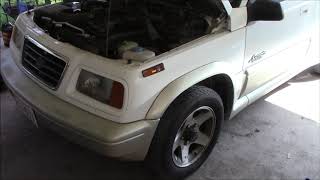
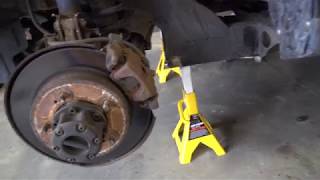
Technical Specifications
OEM Part Numbers: 30020930 30020934 91173555 41602-77E00 41602-77E10 41602-77E50 4160277E10000
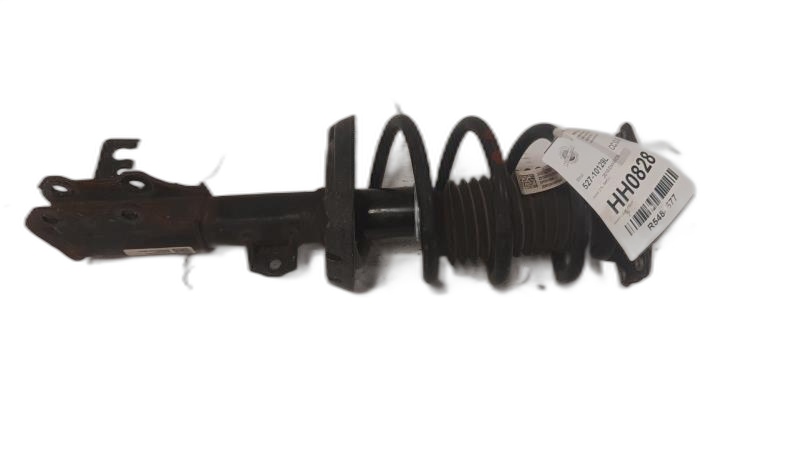
Fits Front Left (Driver's Side) on 1996-1998 Suzuki Sidekick Sport 1.8L (2WD & 4WD). Torque Specs (use with caution): 58-75 ft-lbs for strut-to-knuckle nuts; 14-22 ft-lbs for upper mount nuts.
We Have This Part in Stock

The information in this article is provided for general reference and educational purposes only. Vehicle specifications, procedures, and part compatibility can vary by production date, trim level, and region. Always consult your vehicle's factory service manual and verify part numbers before purchasing or performing repairs. Safety-critical components such as airbags, seat belts, and braking systems should be installed by a qualified professional.
- Suzuki Sidekick:
- 🎬 Helpful Videos
- 🛍️ Shop This Part
- Critical Fitment Warning: 1.8L SPORT Model Only
- NHTSA Safety Recall: Front Strut Mount Failure
- Symptoms of a Failing Front Strut
- Buying a Used 1996-1998 Sidekick Sport Strut
- Physical Inspection:
- Mileage and Compatibility:
- Replacement Overview and Related Parts
- Related Parts to Replace
- Torque Specifications & Technical Data
- Verified OEM Part Numbers
- Frequently Asked Questions (FAQ)
- 🎟️ Get 5% Off