

2004-2007 Suzuki Aerio Front Strut: Diagnosing Clunks, Leaks, and Bouncy Rides
This guide covers common failure symptoms, replacement costs, and how to choose a quality used strut for your 2004-2007 Suzuki Aerio.
- Always replace front struts in pairs to ensure safe, balanced handling.
- A four-wheel alignment is mandatory immediately after replacing front struts to prevent tire damage and handling problems.
- The most common failure symptoms are clunking noises over bumps, a bouncy ride, and visible fluid leaks from the strut body.
- Buying a complete used OEM strut assembly from a low-mileage car is a good value, but inspect it carefully for leaks before purchasing.
Symptoms of a Failing Suzuki Aerio Front Strut
When a front strut on your Aerio begins to fail, it will give several distinct warnings. Because struts wear out gradually, you may not notice the slow decline in ride quality until a major symptom appears.
Noises and Vibrations
- Clunking or Knocking: The most common sign is a hollow clunking, knocking, or popping sound from the front corner of the car. This is most noticeable when driving over bumps, potholes, or uneven pavement. Some owners report hearing this noise intermittently when accelerating, decelerating, or turning.
- Creaking or Squeaking When Turning: A squeaking or binding noise when you turn the steering wheel can point to a worn-out upper strut mount bearing, which is part of the strut assembly.
- Steering Wheel Vibration: On smooth roads, a persistent vibration felt in the steering wheel can be a sign of worn struts that are no longer able to properly dampen road imperfections.
Visual Signs
- Fluid Leaks: The strut body contains hydraulic oil. If you see oily, wet residue coating the strut body, it means the internal seals have failed and the strut has lost its damping ability. This is a clear sign that replacement is needed immediately.
- Uneven Tire Wear: A classic symptom of a bad strut is "cupping" on your tires. This appears as scalloped, high and low spots across the tread. This happens because the worn strut allows the wheel to bounce up and down as you drive.
Handling and Performance Issues
- Excessive Bouncing: If your Aerio continues to bounce up and down after hitting a bump, the struts are worn out. The car should settle quickly after an impact.
- Nose-Diving and Squatting: When you brake hard, a worn front strut will allow the front end of the car to dip or "dive" forward excessively. Similarly, the rear of the car may squat down during acceleration.
- Swaying or Unstable Handling: You may feel the car roll or sway more than usual during turns or lane changes, creating a feeling of instability. This compromises your ability to maneuver safely, especially in an emergency.
Known Issues, TSBs, and Recalls for 2004-2007 Aerio Suspension
There are no active safety recalls from the National Highway Traffic Safety Administration (NHTSA) specifically for the front struts on 2004-2007 Suzuki Aerio models.
However, Suzuki did issue Technical Service Bulletin (TSB) #SUZ_016008, which reminds technicians of the importance of conducting safety inspections for rust damage on suspension components. This is particularly relevant for vehicles operated in regions that use road salt in the winter. When inspecting your struts, pay close attention to the coil spring and the lower spring seat for heavy corrosion, as this can lead to spring failure.
Warning: Always replace struts in pairs (both front struts or both rear struts). Replacing only one can create dangerously unbalanced handling, as one side of the car will respond differently to bumps and turns than the other.
Buying a Used 2004-2007 Aerio Strut: What to Look For
A used OEM strut assembly from a low-mileage donor car can be an excellent value, providing the original ride quality and fitment that cheap aftermarket parts often lack. Here’s what to inspect.
- Check for Leaks: This is the most important check. Run your hand over the main body of the strut. It should be dry and dusty, not oily or greasy. Any sign of fluid leakage means the strut is bad and should be rejected.
- Inspect the Piston Rod: The shiny chrome rod that extends from the top of the strut body should be perfectly smooth and straight. Look for any pitting, rust, or flaking chrome, which can damage the seals and cause leaks.
- Examine the Coil Spring: Carefully inspect the coil spring for heavy rust, cracks, or breaks. Pay special attention to the very top and bottom of the spring where it sits in the mount.
- Check the Mounts: Look at the rubber in the upper strut mount. It should be intact, without major cracks or signs of tearing away from the metal. Check the mounting studs to ensure they are straight and the threads are in good condition.
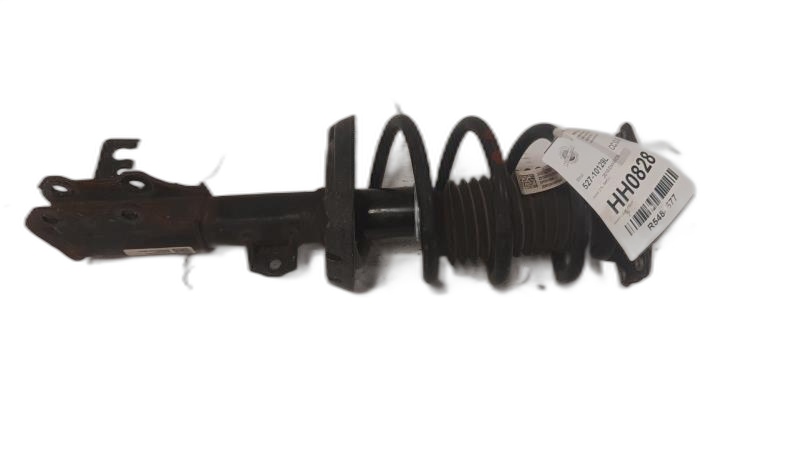
- Verify Compatibility: This front left (driver side) strut is designed for 2004-2007 Suzuki Aerio models with the 2.3L engine. Struts are tuned for specific vehicle weights, so ensure the part is from an identical model.
- Consider Mileage: Struts are a wear item, with a typical lifespan of 50,000 to 100,000 miles. When buying used, aim for a strut from a vehicle with the lowest possible mileage to ensure the longest remaining service life. A strut from a car with over 100,000 miles is likely near the end of its life, even if it isn't leaking.
Pro Tip: Buying a complete used strut assembly (with the spring and mount) is much safer and easier than buying a bare strut. Disassembling a strut to swap the spring requires a special spring compressor tool, which can be extremely dangerous if not used correctly.
Replacement Costs: New vs. Used Aerio Struts
Prices can vary by supplier and location, but this table provides a general cost comparison for a single front strut assembly. Labor costs are for replacing a pair.
| Part Type | Estimated Cost (per strut) |
|---|---|
| New OEM (Suzuki) | $250 - $350 |
| New Aftermarket (Complete Assembly) | $145 - $280 |
| Used OEM (Complete Assembly) | $50 - $120 |
| Shop Labor (for a pair) | $220 - $325 |
Related Parts to Replace With Your Strut
When replacing a front strut, it's often wise to replace other nearby wear items at the same time to save on future labor costs. These parts are often disturbed during the strut replacement process.
- Sway Bar End Links: These connect the strut to the sway bar and are a very common source of front-end clunking noises. They are inexpensive and easy to replace during a strut job. Cost: $28 - $85 each.
- Strut Mount: If you are not buying a complete strut assembly, the strut mount should always be replaced. It contains a rubber insulator and a bearing that allows the strut to pivot as you steer. A worn mount can cause noise and poor handling. Cost: $30 - $55 each.
- Bellows (Dust Boot) and Bump Stop: The bellows protects the strut's piston rod from dirt and debris, while the bump stop prevents damage from harsh impacts. These often come with new strut assemblies but should be replaced if you are re-using your old spring.
Installation Tips and Torque Specs
Replacing the front strut on a Suzuki Aerio is a job that can be done by a skilled DIY mechanic. However, it requires proper tools and safety precautions. A wheel alignment is mandatory after the job is complete.
Caution: When you unbolt the strut from the steering knuckle, the knuckle can fall outward and pull the CV axle out of the transmission, causing transmission fluid to leak. Be prepared to support the knuckle and axle to prevent this.
Here are some of the key torque specifications. Always consult a service manual for the full procedure.
| Fastener | Torque Spec (ft-lbs) | Torque Spec (Nm) |
|---|---|---|
| Strut-to-Steering Knuckle Bolts | 76.0 ft-lbs | 105 Nm |
| Upper Strut Mount-to-Body Nuts | 39.8 - 54.2 ft-lbs | 53.9 - 73.5 Nm |
| Lower Ball Joint Nut | 43.5 ft-lbs | 60 Nm |
| Tie Rod End Nut | 32.5 ft-lbs | 45 Nm |
| Wheel Lug Nuts | 61.5 ft-lbs | 85 Nm |
Frequently Asked Questions (FAQ)
Do I really have to replace my struts in pairs?
Yes, absolutely. Struts control your car's handling and stability. If you replace only one, you'll have one new, firm strut and one old, worn strut. This imbalance can make the car unpredictable and unsafe, especially during sudden braking or cornering. Always replace both front struts or both rear shocks at the same time.
Is a wheel alignment required after replacing a front strut?
Yes, a four-wheel alignment is mandatory after replacing a front strut. The strut is a key part of the suspension geometry. Removing and reinstalling it will always change the alignment angles (camber, caster, and toe). Driving without an alignment will cause poor handling and rapid, uneven tire wear.
Can I just replace the shock absorber part instead of the whole strut assembly?
While technically possible, it is not recommended for most people. This requires disassembling the entire strut, which involves using a high-tension spring compressor. This tool can be extremely dangerous and cause serious injury if it slips. It is much safer, faster, and easier to install a complete strut assembly (often called a "quick strut") that includes a new strut, spring, and mount all in one unit.
Will a bad strut cause a Check Engine Light?
No. A failing strut is a mechanical part and has no electronic sensors connected to the engine control unit (ECU). It will not trigger a Check Engine Light or any other warning light on the dashboard.
Technical Specifications
OEM Part Numbers: 41602-54G50 41602-54G51 41602-54G60 41602-54G70
Fits Front Left (Driver Side) on 2.3L models.
We Have This Part in Stock


The information in this article is provided for general reference and educational purposes only. Vehicle specifications, procedures, and part compatibility can vary by production date, trim level, and region. Always consult your vehicle's factory service manual and verify part numbers before purchasing or performing repairs. Safety-critical components such as airbags, seat belts, and braking systems should be installed by a qualified professional.
- Suzuki Aerio:
- 🛍️ Shop This Part
- Symptoms of a Failing Suzuki Aerio Front Strut
- Noises and Vibrations
- Visual Signs
- Handling and Performance Issues
- Known Issues, TSBs, and Recalls for 2004-2007 Aerio Suspension
- Buying a Used 2004-2007 Aerio Strut: What to Look For
- Replacement Costs: New vs. Used Aerio Struts
- Related Parts to Replace With Your Strut
- Installation Tips and Torque Specs
- Frequently Asked Questions (FAQ)
- 🎟️ Get 5% Off