

1994-1998 Saab 900 Suspension Strut: Decoding Color Codes and Fixing Clunks
This guide covers common failure symptoms, how to choose the right used strut by matching the color code, and key replacement tips for your NG900.
- You MUST match the color-coded label (e.g., 'Red', 'Yellow') on your original front strut to ensure the replacement part has the correct valving and performance characteristics.
- Failure is often indicated by clunking over bumps, a bouncy ride, and visible fluid leaking down the strut body.
- Always replace front struts in pairs, and plan to replace the strut mounts, bearings, bump stops, and dust boots at the same time for a complete repair.
- A wheel alignment is mandatory after replacing front struts to prevent poor handling and premature tire wear.
Symptoms of a Failing Saab 900 Strut
A worn or failed strut can make itself known in several ways. Because it affects both ride comfort and handling, you may notice changes in how the car feels, sounds, and responds.
Noises and Vibrations
- Clunking or Knocking: A common symptom is a knocking or clunking sound from the front end, especially when driving over bumps, potholes, or uneven road surfaces. This can be caused by a worn internal strut valve or, more commonly, by failing related components like the strut top mount or sway bar end links.
- Creaking or Groaning: A creaking or groaning noise when turning the steering wheel at low speeds often points to a worn strut top mount bearing. This bearing allows the entire strut assembly to pivot as you steer.
Changes in Ride and Handling
- Bouncy or Floating Ride: This is a classic sign of a worn shock absorber. If the strut's damping ability is gone, the car will continue to bounce multiple times after hitting a bump. You might feel a disconnected or floating sensation at highway speeds.
- Nose-Diving During Braking: When you apply the brakes firmly, a car with bad front struts will dip forward excessively. This can increase stopping distances.
- Uneven Tire Wear: Worn struts can cause tires to bounce slightly as they roll, leading to a scalloped or "cupped" wear pattern on the tire tread.
Visual Signs
- Fluid Leaks: Struts are filled with hydraulic oil. If you see oily, wet residue on the outside of the strut body, it means the seal has failed and the strut has lost its damping fluid. This is a definitive sign that replacement is needed.
Warning: A broken coil spring can also produce a loud bang or clunk and will cause the car to sit lower on one corner. Inspect the springs carefully for cracks or breaks, especially at the top and bottom coils where they sit in their perches.
The 'Red Label' Problem: A Critical Compatibility Check
Saab offered several different suspension options for the NG900, tailored to different models and trim levels (e.g., standard, sport). To ensure the correct parts were installed at the factory, the struts and coil springs were marked with color-coded labels or paint daubs.
This is the single most important detail when buying a replacement strut.
The initial buyer's warning is correct: many performance-oriented models came with front struts identified by a 'Red' label. Other colors, such as 'Yellow', were also used for different setups. The color on the strut body indicates its specific valving (damping stiffness), while a color code on the coil spring indicates its spring rate and length.
Installing a strut with the wrong color code can result in:
- Incorrect ride height (too high or too low).
- Poor handling characteristics.
- Unbalanced suspension, leading to unpredictable steering.
Pro Tip: Before ordering a used part, clean off your existing front strut and locate the original color label or paint mark. You must match this color to ensure you are buying a compatible part that will maintain your car's intended ride and handling.
Buying a Used 1994-1998 Saab 900 Strut
Given the age of these vehicles, a low-mileage used OEM strut is often a better choice than a cheap, new aftermarket part. A matched used OEM strut will preserve the original handling and ride quality that a generic part may not replicate.
What to Inspect
- Match the Color Code: As mentioned above, this is priority number one. Do not buy a strut if you cannot confirm its color code matches your original part.
- Check for Leaks: The strut body should be dry. Any sign of oil residue means the strut is blown and useless.
- Inspect the Spring Seat: The lower spring perch is welded to the strut body. Check this area for excessive rust or cracking, which can be a major safety issue.
- Examine the Piston Rod: The chrome rod extending from the top of the strut should be smooth and free of pitting or rust. Any damage to this surface will quickly destroy the new seal in the strut mount.
- Mileage is Key: Struts are a wear item with a typical lifespan of 50,000 to 100,000 miles. Try to source struts from a vehicle with the lowest possible mileage. A strut from a car with over 100,000 miles is likely near the end of its service life.
Known Issues, Recalls, and Service Bulletins
There have been no specific NHTSA recalls for the suspension struts on the 1994-1998 Saab 900. However, several recalls were issued for other vehicle systems, and Saab did release Technical Service Bulletins (TSBs) that amended the service manual for suspension work, such as TSB 732-1693. These bulletins typically clarified procedures or specifications for technicians. A knocking from the front suspension is a widely known issue, often traced back to worn control arm bushings or strut mounts.
Cost Comparison: New vs. Used vs. Aftermarket
Prices can vary, but here is a general breakdown of what to expect for a single front strut. Note that professional replacement is always recommended in pairs.
| Part Type | Estimated Cost (Part Only) |
|---|---|
| New OEM | $250+ (Very rare, likely discontinued) |
| New Aftermarket (Sachs, Bilstein B4) | $90 - $150 |
| New Aftermarket (Economy) | $60 - $80 |
| Used OEM (Low Mileage) | $50 - $100 |
| Shop Labor (per side) | $150 - $250 |
Replacement Guide: Key Steps and Torque Specs
Replacing the front struts on an NG900 is an involved job for a DIY mechanic due to the design of the suspension. The entire steering knuckle and strut assembly is often removed as a single unit.
Warning: This job requires a high-quality spring compressor to safely remove the coil spring from the strut. Compressed springs contain enormous energy and can cause serious injury or death if they are released unintentionally. This job may be best left to a professional.
Key Procedures
- The axle nut (32mm) must be loosened while the car is on the ground.
- The brake caliper, caliper bracket, and rotor are removed.
- The tie rod end and lower ball joint are disconnected from the steering knuckle. A ball joint separator tool is often required.
- The ABS sensor wire is unclipped and routed out of the way.
- The three nuts holding the top of the strut mount in the engine bay are removed.
- The entire assembly can then be removed from the car.
- Once removed, a spring compressor is used to relieve tension from the top mount, allowing the top nut to be removed and the strut to be disassembled.
Related Parts to Replace
It is highly recommended to replace the following parts at the same time as the strut cartridge for a complete and lasting repair:
- Strut Top Mount: The rubber degrades and the metal can corrode. Part number 4544276 is a common OEM number for the mount.
- Strut Mount Bearing: This allows the strut to pivot smoothly.
- Bump Stop and Dust Boot (Bellows): These protect the strut's piston rod from dirt and bottoming out.
Important Torque Specs
Always use a torque wrench for reassembly. While a complete list is extensive, here are some key values. Always consult a factory service manual for complete information.
- Crankshaft Pulley Bolt: 175 Nm (129.5 lbf ft)
- Strut to Steering Knuckle Bolts (if applicable): Typically 80-100 Nm, but verify for your specific model.
- Strut Mount to Body Nuts: ~25 Nm (18.5 lbf ft)
- Wheel Lug Nuts: 110 Nm (81 lbf ft)
Frequently Asked Questions (FAQ)
Do I have to replace struts in pairs?
Yes. Always replace struts in pairs (both front or both rear). Replacing only one can create an imbalance in handling, making the car unpredictable and unsafe.
What does the color code on my Saab 900 strut mean?
The color code (e.g., a red or yellow label) identifies the strut's damping characteristics. Saab used different struts for standard, sport, and other suspension packages. You must match the color of your original strut to ensure you get the correct part for your car's specific setup.
Do I need a wheel alignment after replacing my struts?
Yes, a four-wheel alignment is absolutely necessary after replacing front struts. The installation process directly affects camber and toe angles, and driving without an alignment will cause poor handling and rapid tire wear.
What's the difference between a strut insert and a complete strut assembly?
For the Saab 900, you will typically buy a 'strut cartridge' or 'insert'. This is the internal shock absorber part. You reuse your existing strut housing, coil spring, and top mount. A 'complete strut assembly' or 'quick strut' (which is not common for this vehicle) would come pre-assembled with a new spring and mount.
Technical Specifications
OEM Part Numbers: 4241816 4544276 (Strut Mount) 4646477 8945776 4543799 (Yellow Code)
Compatibility is determined by a color-coded label on the strut body (e.g., Red, Yellow) which corresponds to specific damping rates for different suspension packages.
We Have This Part in Stock
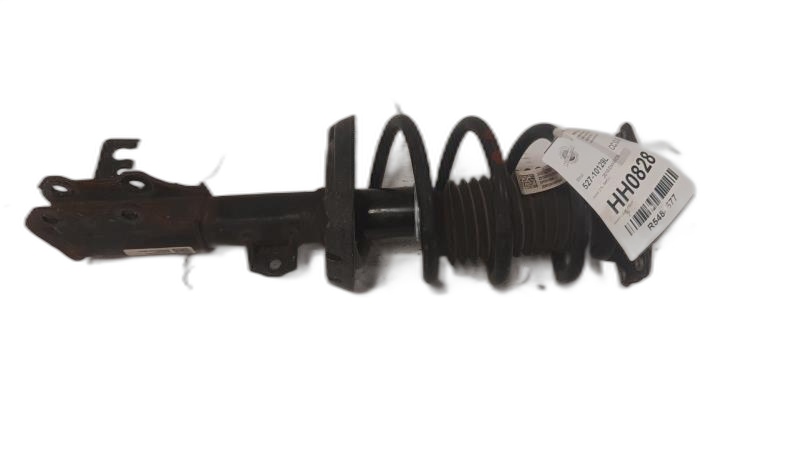

The information in this article is provided for general reference and educational purposes only. Vehicle specifications, procedures, and part compatibility can vary by production date, trim level, and region. Always consult your vehicle's factory service manual and verify part numbers before purchasing or performing repairs. Safety-critical components such as airbags, seat belts, and braking systems should be installed by a qualified professional.
- Saab 900:
- 🛍️ Shop This Part
- Symptoms of a Failing Saab 900 Strut
- Noises and Vibrations
- Changes in Ride and Handling
- Visual Signs
- The 'Red Label' Problem: A Critical Compatibility Check
- Buying a Used 1994-1998 Saab 900 Strut
- What to Inspect
- Known Issues, Recalls, and Service Bulletins
- Cost Comparison: New vs. Used vs. Aftermarket
- Replacement Guide: Key Steps and Torque Specs
- Key Procedures
- Related Parts to Replace
- Important Torque Specs
- Frequently Asked Questions (FAQ)
- 🎟️ Get 5% Off