

2002-2013 Nissan Altima Suspension Struts: Clunks, Leaks, and Generation Mismatches
Your complete guide to diagnosing bad struts, choosing the right replacement, and avoiding common fitment errors on 2002-2013 Nissan Altimas.
- Fitment is critical and complex: 2002-2006 is one generation, and 2007-2013 is another. The 2013 Altima Sedan is a different generation than the 2013 Altima Coupe.
- Clunking over bumps is the most common failure symptom, usually pointing to a bad strut mount.
- Always replace struts in pairs (both front or both rear) and perform a wheel alignment immediately after replacing front struts to ensure safety and prevent tire damage.
- For DIY replacement, complete 'quick strut' assemblies are much safer and easier to install than bare struts, which require a dangerous spring compressor tool.
Key Differences: 2002-2006 vs. 2007-2013 Altima
The 2002-2013 year range for the Nissan Altima covers two distinct vehicle generations that use different suspension components. It is critical to identify the correct generation for your vehicle before purchasing parts.
- Third Generation (2002-2006): These models (platform code L31) have their own specific strut design. Parts for these years are not interchangeable with later models.
- Fourth Generation (2007-2013): This generation (platform code L32) has a major compatibility trap. The Sedan was produced from 2007-2012, while the Coupe continued on the same platform through 2013. A new generation of Altima Sedan (L33) was introduced for the 2013 model year.
Warning: A strut for a 2013 Altima Coupe WILL NOT fit a 2013 Altima Sedan. The 2013 Sedan is a completely different body style with a different suspension.
Symptoms of a Failing Suspension Strut
Worn struts can cause a variety of problems, from annoying noises to unsafe driving conditions. Many owners report that struts on the Altima may begin to show signs of wear between 60,000 and 80,000 miles.
🎬 Watch: Diagnose rough rides and suspension noisesNoises
- Clunking or Knocking: This is the most common symptom. A sharp clunking or knocking sound when driving over bumps, potholes, or uneven pavement often points to worn struts or, more specifically, worn strut mounts.
- Squeaking or Creaking: A creaking or groaning noise, especially when turning the steering wheel at low speeds, can indicate a failing strut mount bearing or a dry ball joint.
- "Boinking" Sound: A "boink" or twang when turning the wheel can be a sign of a binding or broken coil spring, or a bad strut mount bearing. 🎬 Watch: 5 symptoms of a bad strut mount
Poor Ride and Handling
- Bouncy Ride: If the car continues to bounce up and down after hitting a bump, the strut's internal shock absorber has likely failed.
- Nose-Diving and Squatting: The front of the car dipping excessively during braking ("nose-dive") or the rear squatting during acceleration are classic signs of worn struts.
- Body Roll: Increased leaning or swaying when turning corners indicates the struts are no longer able to control the vehicle's body movements effectively.
- Vibrations: A new or excessive vibration felt in the steering wheel, especially at highway speeds, can be caused by worn suspension components, including the struts.
Visual Signs
- Fluid Leaks: Look for oily, wet patches on the body of the strut. This indicates that the hydraulic fluid has leaked out, and the strut can no longer dampen impacts.
- Uneven Tire Wear: Worn struts can cause wheel alignment to shift, leading to cupping (scalloped wear patterns) or bald spots on the tires.
- Damaged Strut Boot: A torn or missing rubber dust boot will allow dirt and moisture to damage the strut's seals, leading to premature failure.
Known Issues, TSBs, and Recalls
While no recalls directly target the struts themselves across the entire 2002-2013 range, several related issues are worth noting:
- NHTSA Campaign PC012 (2009-2010 Models): A voluntary safety recall was issued for some 2009-2010 Altima and Maxima vehicles due to front strut mounting insulators that were not manufactured to specification and could crack. The remedy was to replace the insulators.
- NHTSA Campaign 12V494000 (2012-2013 Models): A recall was issued for certain 2012-2013 Altimas because transverse link bolts and power steering rack bolts may not have been properly torqued, which could cause them to loosen.
- Rear Lower Control Arm Corrosion (2013 Models): The NHTSA investigated complaints of rear lower control arm failure due to corrosion on 2013 Altimas, particularly in states that use road salt. While this is a separate part, a failure here can be mistaken for a strut issue and represents a significant safety concern for the rear suspension.
Buying a Used Suspension Strut
A used OEM (Original Equipment Manufacturer) strut can be a smart purchase, often providing better performance and longevity than a new, low-quality aftermarket part. However, since struts are wear items, careful inspection is crucial.
Inspection Checklist
- Check for Leaks: The strut body should be dry. Any sign of oil or wetness means the internal seals have failed. Do not buy a leaking strut.
- Inspect the Rod: The chrome-plated piston rod extending from the top should be smooth, straight, and free of rust or pitting. Any damage to this surface will destroy the seals.
- Examine the Mount: If buying a complete assembly, inspect the top strut mount. The rubber should not be cracked, separated, or bulging. Push down on the mount; there should be minimal movement.
- Check the Coil Spring: Look for cracks in the paint or heavy rust, which can lead to the spring breaking. Ensure the spring is seated correctly in its perches.
- Mileage Consideration: Struts typically last 50,000 to 100,000 miles. A used strut from a low-mileage vehicle (under 70,000 miles) is ideal. Be wary of struts from high-mileage cars, as they may not have much life left.
Compatibility Verification
This is the most critical step. Double-check that the part is correct for your exact vehicle:
- Vehicle Year and Model: Confirm the generation (2002-2006 or 2007-2013).
- Body Style: For 2007-2013, specify Sedan or Coupe. Remember the 2013 Sedan is a different generation.
- Position: Front Left (Driver Side) or Front Right (Passenger Side). They are not interchangeable.
- Engine Size: Struts for the 4-cylinder (2.5L) and V6 (3.5L) models may have different spring rates to account for engine weight. Using the wrong one will affect ride height and handling.
Replacement and Installation
Pro Tip: Always replace struts in pairs (both front or both rear) to ensure balanced handling and prevent unpredictable steering behavior. An alignment is required after replacing front struts.
Complete Assembly vs. Bare Strut
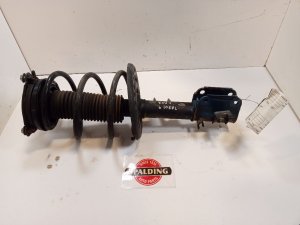
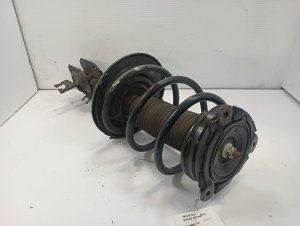
You can buy a "quick strut" or complete strut assembly, which includes the strut, coil spring, and mount all in one unit. Alternatively, you can buy a bare strut and reuse your old spring and mount.
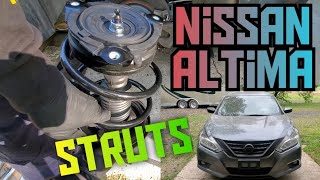
- Complete Assembly: Safer, faster, and easier to install. Highly recommended for DIY mechanics. 🎬 See this step-by-step front strut replacement walkthrough
- Bare Strut: Cheaper part cost, but requires a special tool (spring compressor) to swap the spring. Using a spring compressor is extremely dangerous if done incorrectly and can cause serious injury. This job is best left to professionals.
Related Parts
When replacing struts, it's a good time to inspect and potentially replace these related components:
- Sway Bar End Links: These often wear out at the same time and can cause clunking noises.
- Control Arm Bushings: Check for cracks or tears in the rubber bushings.
- Ball Joints: Check for any play or looseness.
Torque Specifications
Using correct torque is critical for safety. While specs can vary slightly by year and model, these are common values for the 4th generation (2007-2012) Altima. Always verify for your specific vehicle.
| Fastener | Torque Spec | Notes |
|---|---|---|
| Strut-to-Knuckle Bolts | 103 ft-lbs | Use new nuts. |
| Strut Mount-to-Tower Nuts (Top) | 26 ft-lbs | |
| Sway Bar Link Nut | 58-62 ft-lbs | |
| Wheel Lug Nuts | 83 ft-lbs |
Cost Breakdown
Prices can vary significantly based on brand, location, and whether you do the work yourself. These are general estimates for a single front strut.
| Part/Service | Estimated Cost (per strut) |
|---|---|
| New OEM (Dealer) | $175 - $300+ |
| New Aftermarket (Complete Assembly) | $100 - $200 |
| Used OEM (Complete Assembly) | $50 - $120 |
| Shop Labor (per side) | $140 - $210 |
Frequently Asked Questions (FAQ)
Do I have to replace struts in pairs?
Yes. Always replace struts on the same axle at the same time. A new strut will have different damping characteristics than an old, worn one on the other side. This imbalance can cause poor handling, unpredictable steering, and reduced braking performance, which is unsafe.
Do I need a wheel alignment after replacing front struts?
Yes, an alignment is absolutely necessary after replacing front struts. The strut is a key part of the suspension geometry. Replacing it will alter the camber, caster, and toe settings. Driving without an alignment will cause poor handling and rapid, uneven tire wear.
What's the difference between a strut for a 2.5L and 3.5L Altima?
The V6 (3.5L) engine is heavier than the 4-cylinder (2.5L) engine. To support this extra weight and maintain the correct ride height, struts for V6 models often have stiffer coil springs. Using a 2.5L strut on a 3.5L car could cause the front end to sag, while using a 3.5L strut on a 2.5L car could make the front end sit too high and create a harsh ride.
What is the clunking noise I hear when I go over bumps?
The most common cause of a clunking noise over bumps in a Nissan Altima is a worn strut mount. The rubber in the mount degrades over time, allowing metal-on-metal contact. Other possibilities include worn sway bar end links or bad control arm bushings.
Helpful Videos
Technical Specifications
OEM Part Numbers: 54302-8J025 54302-8J026 54302-8J125 54302-ZB025 54302-ZB125 54302-ZN50A 54303-8J000 54303-8J025 54303-8J026 54303-8J127 54303-CN025 54303-JA01A 54303-JA01D
Torque Specs (4th Gen): Strut-to-Knuckle: 103 ft-lbs. Strut Mount-to-Tower: 26 ft-lbs. Wheel Lug Nuts: 83 ft-lbs.
We Have This Part in Stock



The information in this article is provided for general reference and educational purposes only. Vehicle specifications, procedures, and part compatibility can vary by production date, trim level, and region. Always consult your vehicle's factory service manual and verify part numbers before purchasing or performing repairs. Safety-critical components such as airbags, seat belts, and braking systems should be installed by a qualified professional.
- Nissan Altima:
- 🎬 Helpful Videos
- 🛍️ Shop This Part
- Key Differences: 2002-2006 vs. 2007-2013 Altima
- Symptoms of a Failing Suspension Strut
- Noises
- Poor Ride and Handling
- Visual Signs
- Known Issues, TSBs, and Recalls
- Buying a Used Suspension Strut
- Inspection Checklist
- Compatibility Verification
- Replacement and Installation
- Complete Assembly vs. Bare Strut
- Related Parts
- Torque Specifications
- Cost Breakdown
- Frequently Asked Questions (FAQ)
- 🎟️ Get 5% Off