

2002-2010 Mitsubishi Lancer Strut Failures: Noises, Leaks, and Replacement Guide
This guide covers the common failure symptoms for 2002-2010 Mitsubishi Lancer struts, how to choose a good used replacement, and what you need to know before you buy.
- Always replace struts in pairs (both front or both rear) to maintain safe and balanced handling.
- A clunking noise when turning the wheel is a classic sign of a failed strut top bearing.
- A mandatory wheel alignment is required after replacing front struts to prevent poor handling and rapid tire wear.
- Be aware of fitment issues: FWD, AWD, Evolution/Ralliart, and sport suspension models use different struts.
- For DIY replacement, using a complete 'quick strut' assembly is much safer and faster than disassembling the old strut with a spring compressor.
Symptoms of a Failing Lancer Strut
Worn or failing struts can make your Lancer feel unstable and unsafe. Because they wear out gradually, you might not notice the decline in performance right away. Here are the specific signs to watch and listen for.
Noises: Clunks, Knocks, and Pops
One of the most common symptoms of a bad strut is noise. You may hear a hollow clunking or banging sound when driving over bumps, potholes, or uneven road surfaces. This is often caused by worn internal components or a bad strut mount. Some owners report a loud "pop" from the front wheel area, especially when going over bumps. If you hear a clunking or binding noise when turning the steering wheel, this often points to a failed strut top bearing, which is supposed to allow the strut to rotate smoothly as you steer.
Ride and Handling Problems
- Excessive Bouncing: After hitting a bump or dip, the car continues to bounce up and down instead of settling quickly. This indicates the strut has lost its ability to dampen spring oscillations.
- Floating or Instability: At highway speeds, the car may feel like it's floating or wandering, requiring constant steering corrections. It can feel unstable when taking curves.
- Nose-Diving and Squatting: The front of the car may dip down excessively during hard braking, or the rear may squat down during acceleration. This puts extra stress on your brakes and suspension components.
- Poor Steering Response: The steering may feel loose, vague, or notchy. This is a significant safety concern as it affects your control of the vehicle.
Visual Signs of Failure
- Fluid Leaks: Struts are filled with hydraulic oil. If you see an oily or greasy film on the body of the strut, it means the seals have failed and the fluid is leaking out. A leaking strut can no longer function properly and must be replaced.
- Uneven Tire Wear: A classic sign of a bad strut is "cupping" or scalloped wear on your tires. This happens because the tire is bouncing as it goes down the road instead of rolling smoothly. Bad struts can also affect wheel alignment, causing wear on the inner or outer edges of the tires.
- Visible Damage: Look for dents, dings, or corrosion on the strut body. A bent piston rod or a broken coil spring are clear signs the strut assembly needs immediate replacement.
Known Issues, Recalls, and TSBs
While there are no specific recalls for the struts themselves on the 2002-2010 Lancer, there is a significant safety recall that affects the front suspension in certain regions.
NHTSA Recall SR-16-003 (and others): This recall applies to Lancers sold or registered in states that use road salt in the winter (the "Salt Belt"). The front crossmember, which the lower control arms attach to, can corrode severely, potentially leading to the detachment of a control arm and a loss of vehicle control. While not a strut issue directly, it's a critical suspension component in the same area. Any inspection or work on the front struts should include a thorough inspection of the front crossmember for corrosion.
Important Fitment Warnings: The provided vehicle data highlights several compatibility traps. Not all 2002-2010 Lancer struts are interchangeable. Always verify the donor vehicle's specifications.
- Drivetrain: Struts for Front-Wheel Drive (FWD) models are different from All-Wheel Drive (AWD) models.
- Trim Level: Struts for high-performance Evolution (Evo) and Ralliart models are completely different and will not fit standard Lancer models.
- Suspension Type: Some trims, like the GTS, may have had a sport-tuned suspension with different spring rates and damping. Using a strut from a base model may alter the ride height and handling characteristics.
- Position: Struts are specific to each corner of the car (Front Left, Front Right, Rear Left, Rear Right).
Buying a Used 2002-2010 Lancer Strut: What to Look For
A low-mileage, used OEM strut assembly can be an excellent value, often providing better quality and a more precise fit than a cheap new aftermarket part. Here’s what to inspect to ensure you're getting a good part.
Why Used OEM is a Smart Choice
Original Equipment Manufacturer (OEM) struts were designed by Mitsubishi specifically for the Lancer. They are tuned to provide the intended ride quality and handling characteristics. Many budget aftermarket struts can be overly stiff or too soft, changing how your car drives. A complete used OEM strut assembly (including the spring and top mount) from a low-mileage vehicle is often a better choice than a bare, cheap aftermarket strut that requires you to swap over your old, potentially worn-out spring and mount.
Physical Inspection Checklist
- Check for Leaks: This is the number one red flag. The strut body should be dry and clean. Any sign of oily residue means the internal seals have failed and the strut is bad.
- Inspect the Piston Rod: The shiny rod extending from the top should be smooth, straight, and free of nicks, rust, or damage. Damage to this rod will quickly destroy the new seal and cause the strut to fail.
- Look for Bends and Dents: Inspect the main body of the strut and the spring perch (where the coil spring sits) for any signs of impact, dents, or bending. A bent strut is useless.
- Examine the Coil Spring: Look for heavy rust, cracks, or breaks in the coil spring. The protective coating should be mostly intact.
- Inspect the Top Mount: If you are buying a complete assembly, check the rubber in the top mount. It should be solid, without large cracks, tears, or separation from the metal. A bad top mount can cause clunking noises.
- Ask About Mileage: Mileage is a critical factor for a wear item like a strut. A strut from a car with under 70,000 miles is a good candidate. A strut from a car with over 150,000 miles is likely near the end of its service life, even if it looks okay. Struts are often recommended for replacement starting around 50,000-70,000 miles.
Pro Tip: Always replace struts in pairs (both fronts or both rears). Replacing only one can lead to unbalanced handling, uneven braking, and unpredictable steering. Ideally, purchase a pair of used struts from the same donor vehicle to ensure they have similar wear.
Cost of Replacing a 2002-2010 Lancer Strut
Prices can vary based on location, brand, and whether you are buying a bare strut or a complete assembly. Here is a general cost breakdown:
| Part | Estimated Cost |
|---|---|
| New OEM (Dealer) | $240 - $355 per strut |
| New Aftermarket (Complete Assembly) | $150 - $230 per assembly |
| Used OEM (Complete Assembly) | $50 - $120 per assembly |
| Shop Labor (Per Pair) | $210 - $310 |
Replacement Overview and Technical Specs
Replacing a Lancer strut is a moderately difficult job that can be done by a skilled DIY mechanic. However, it involves safety risks, especially if you are disassembling the strut assembly.
Related Parts to Replace
When replacing struts, it's wise to replace other related wear items at the same time. These include:
- Strut Mounts & Bearings: These rubber and metal components at the top of the strut can wear out, causing noise and alignment issues. A new bearing is critical for smooth steering.
- Dust Boots & Bump Stops: The boot protects the piston rod from dirt and debris, while the bump stop prevents damage from bottoming out. These are often sold as a kit.
- Sway Bar End Links: These connect the sway bar to the strut or control arm and often wear out, causing clunking noises. They are inexpensive and easy to replace while the strut is out.
Warning: Spring Compressors are Dangerous. If you are not buying a complete, pre-assembled strut, you will need to use a spring compressor to move the coil spring from the old strut to the new one. The compressed spring stores a massive amount of energy. If the tool slips or is used incorrectly, it can cause serious injury or death. For most DIY mechanics, buying a complete assembly (a "quick strut") is a much safer and faster option.
Torque Specifications
Using a torque wrench is critical for safety and proper function. While specs can vary slightly by year and model, these are commonly cited values. Always verify for your specific vehicle.
| Location | Torque Value |
|---|---|
| Front Strut to Knuckle Bolts | 123 ± 7 ft-lbs |
| Front Strut Top Mount Nuts (to body) | 33 ± 3 ft-lbs |
| Front Strut Center Nut | 45 ± 7 ft-lbs |
| Rear Strut Lower Bolt | 70 ± 7 ft-lbs |
| Rear Strut Top Mount Nuts | 33 ± 3 ft-lbs |
| Wheel Lug Nuts | 73 ± 7 ft-lbs |
Pro Tip: A wheel alignment is mandatory after replacing front struts. The strut's position directly affects wheel alignment angles like camber and toe. Skipping the alignment will result in poor handling and rapid tire wear.
Frequently Asked Questions (FAQ)
Can I replace just one strut?
No. Struts should always be replaced in pairs on the same axle (both front or both rear). A new strut will have different damping characteristics than an old, worn one, leading to unbalanced handling, unpredictable steering, and uneven braking, which is unsafe.
Do I need an alignment after replacing rear struts?
While it is absolutely required for front struts, it is also highly recommended after replacing rear struts. The mounting points for the rear suspension can affect alignment angles, so getting a four-wheel alignment is the best practice to ensure proper handling and prevent tire wear.
What's the difference between a bare strut and a complete assembly?
A bare strut is just the shock absorber component. A complete strut assembly, or "quick strut," includes the bare strut, coil spring, strut mount, bearing, and dust boot all pre-assembled. While a bare strut is cheaper, it requires the dangerous and time-consuming process of using a spring compressor. A complete assembly is safer, much faster to install, and ensures all related components are new.
My car clunks when I turn the wheel. Is that the strut?
Most likely, yes. A clunking, popping, or binding noise when you turn the steering wheel is a classic symptom of a failed strut top bearing. This bearing allows the entire strut assembly to rotate with the steering knuckle. When it fails, the spring can bind and release suddenly, causing the noise.
Technical Specifications
OEM Part Numbers: 4060A065 4060A066 4060A205 4060A206 4060A242 4060A283 4060A307 4060A308 4060A374 4060A482 4140A022 4140A158 4140A505 4162A036 4162A131
Front Strut to Knuckle Torque: 123 ± 7 ft-lbs. Front Strut Top Mount Nuts Torque: 33 ± 3 ft-lbs. Wheel Lug Nut Torque: 73 ± 7 ft-lbs.
We Have This Part in Stock


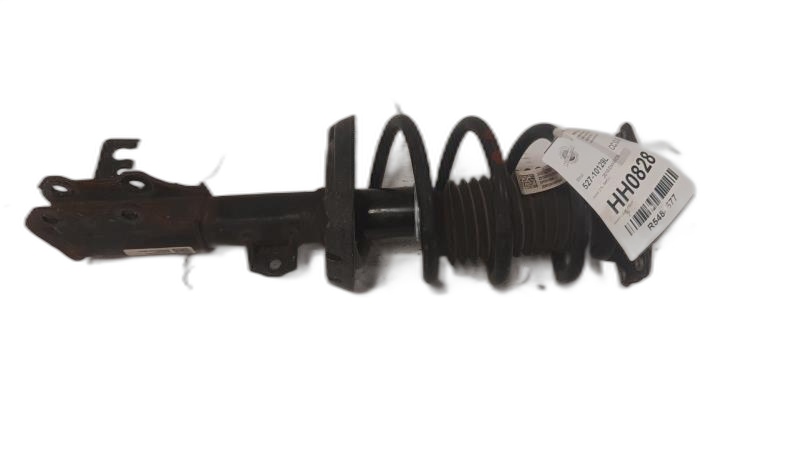



The information in this article is provided for general reference and educational purposes only. Vehicle specifications, procedures, and part compatibility can vary by production date, trim level, and region. Always consult your vehicle's factory service manual and verify part numbers before purchasing or performing repairs. Safety-critical components such as airbags, seat belts, and braking systems should be installed by a qualified professional.
- Mitsubishi Lancer:
- 🛍️ Shop This Part
- Symptoms of a Failing Lancer Strut
- Noises: Clunks, Knocks, and Pops
- Ride and Handling Problems
- Visual Signs of Failure
- Known Issues, Recalls, and TSBs
- Buying a Used 2002-2010 Lancer Strut: What to Look For
- Why Used OEM is a Smart Choice
- Physical Inspection Checklist
- Cost of Replacing a 2002-2010 Lancer Strut
- Replacement Overview and Technical Specs
- Related Parts to Replace
- Torque Specifications
- Frequently Asked Questions (FAQ)
- 🎟️ Get 5% Off