

2014-2023 Jeep Cherokee Strut Guide: Noises, Leaks, and Critical FWD vs. AWD Fitment
This guide details how to diagnose failing struts and, most importantly, how to select the correct used OEM part for your specific FWD, AWD, or Trailhawk Cherokee model.
- Crucially, Front-Wheel Drive (FWD), All-Wheel Drive (AWD), and Trailhawk struts are NOT interchangeable. You must buy the exact part for your vehicle's configuration.
- Always replace struts in pairs (both left and right) to maintain safe and balanced vehicle handling.
- A wheel alignment is mandatory immediately after replacing struts to prevent rapid tire wear and handling problems.
- When buying used, inspect for fluid leaks and physical damage, and prioritize parts from vehicles with under 80,000 miles.
Symptoms of a Failing Jeep Cherokee Strut


A worn or failed strut can make your Cherokee feel unstable and noisy. Because the strut is both a ride comfort and a structural part, symptoms can range from annoying sounds to serious safety concerns. Listen and feel for these common signs.
1. Clunking, Knocking, or Popping Noises
This is the most common complaint. You may hear a 'clunk' or 'knock' from the front end when driving over bumps, potholes, or uneven pavement. This sound is often caused by worn internal components of the strut or a loose strut mount. The noise can also be more pronounced during low-speed turns as the suspension articulates.
2. Bouncy, Unstable, or Floating Ride
If the strut's internal dampening is gone, your Cherokee will rely solely on the coil spring, leading to a very bouncy ride. After hitting a bump, the vehicle may continue to bounce up and down. At highway speeds, the car might feel like it's 'floating' or wandering, and it can feel unstable in turns or during lane changes, requiring constant steering correction.
3. Visible Fluid Leaks
Struts are filled with hydraulic oil. A key sign of failure is when this oil leaks out. Inspect the strut body, which is the main cylindrical part. If you see oily, greasy residue or active drips on the strut, it has failed and can no longer dampen impacts. A light film of moisture might be normal 'weeping', but any significant wetness means the seal is broken and the strut needs replacement.
4. Nose-Diving and Squatting
When you apply the brakes firmly, do you feel the front end of the Jeep dive forward excessively? Conversely, does the rear end squat down during acceleration? This indicates that the struts are too weak to properly control the vehicle's weight transfer, which can increase stopping distances and affect handling.
5. Uneven or 'Cupped' Tire Wear
When a strut fails, the tire can bounce up and down slightly as you drive. This uncontrolled movement causes a specific pattern of tire wear called 'cupping' or 'scalloping'. If you run your hand over the tire's tread, it will feel like a series of high and low spots instead of being smooth. This is a clear sign of a long-term suspension problem.
Critical Compatibility Warning: The single biggest mistake when replacing a Cherokee strut is buying the wrong one. There are three distinct types that are NOT interchangeable:
- Front-Wheel Drive (FWD): Designed for the weight and handling of FWD models only.
- All-Wheel Drive (AWD) / 4x4: Designed for the different weight and suspension geometry of AWD/4x4 models.
- Trailhawk (Off-Road Suspension): Trailhawk models have a factory lift and a unique off-road suspension. These struts are taller and tuned differently. They will not fit other trims.
Installing the wrong strut can result in incorrect ride height, poor handling, alignment problems, and unsafe driving conditions. Always verify the donor vehicle's drivetrain and trim level.
Buying a Used 2014-2023 Cherokee Strut Assembly

A used OEM strut assembly can be a smart buy, offering factory-tuned performance for less than a new part. However, since struts are wear items, careful inspection is key.
- Verify Compatibility: This is the most important step. Get the part number from the strut if possible. At a minimum, you MUST know the year, model, and drivetrain (FWD, AWD, or Trailhawk) of the vehicle the part came from. Do not guess.
- Check for Leaks: The number one red flag is a leaking strut. The strut body should be dry and dusty, not wet or caked in oily grime. Any sign of a significant fluid leak means the strut is bad.
- Inspect the Physical Condition: Look for dents in the strut body, which can damage internal components. Check the piston rod (the shiny chrome shaft) for rust, pitting, or damage, which can tear the seals. Ensure the spring isn't broken and the rubber dust boot is intact.
- Consider Mileage: Struts typically have a lifespan of 50,000 to 80,000 miles. A strut from a low-mileage (under 60,000 miles) vehicle is a much better bet than one from a high-mileage vehicle. Ask for the mileage of the donor car if possible.
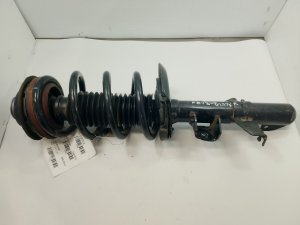
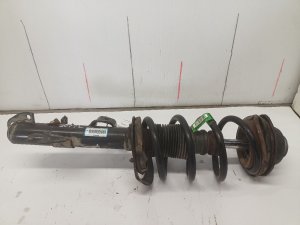
- Buy a Complete Assembly: Always opt for a 'complete' or 'loaded' strut assembly. This includes the strut, coil spring, and strut mount, all pre-assembled. This is much safer and easier than trying to swap the spring from your old strut onto a new one, which requires a dangerous tool called a spring compressor.
- Why Used OEM vs. New Aftermarket? While new aftermarket struts are available, they often don't match the specific damping and spring rates that Jeep engineered for the Cherokee. This can lead to a ride that's too stiff, too soft, or doesn't handle correctly. A good, low-mileage used OEM strut ensures you retain the original ride quality.
Known Issues, Recalls, and Technical Service Bulletins (TSBs)
As of early 2026, there are no widespread recalls or specific TSBs from Jeep directly addressing premature failure of the front struts on the 2014-2023 Cherokee (KL platform). Searches for suspension recalls on this platform often bring up issues related to the Jeep Grand Cherokee, which has had recalls for rear coil springs and upper control arm bolts. These issues do not apply to the standard Cherokee model covered in this guide. While over 600 TSBs have been issued for the Cherokee for various reasons, none point to a systemic strut defect.
Replacement Guide Overview
Replacing a front strut on a Jeep Cherokee is a job for an experienced DIYer or a professional. It involves disassembling a significant portion of the front suspension. If you are not comfortable with this level of work, it is best left to a shop.
Pro Tip: Always replace struts in pairs (both front struts or both rear shocks at the same time). Replacing only one side will result in unbalanced handling and unpredictable performance.
Key Steps & Considerations
- Safely lift and support the vehicle on jack stands.
- Remove the front wheel.
- Disconnect the sway bar end link, ABS wheel speed sensor wire, and brake hose bracket from the strut.
- Loosen the axle nut and separate the lower ball joint from the control arm.
- Remove the large pinch bolt that clamps the steering knuckle to the bottom of the strut.
- Swing the knuckle assembly out of the way, being careful not to overextend the CV axle or brake hose.
- Remove the upper strut mount nuts from the top of the strut tower in the engine bay.
- Remove the old strut assembly from the vehicle.
- Installation is the reverse of removal. Using a floor jack under the control arm can help align the components during reassembly.
Warning: An alignment is mandatory after replacing struts. The installation process directly affects camber and toe alignment angles. Skipping the alignment will cause rapid tire wear and potential handling issues.
Torque Specifications
Torque specs can vary slightly by year and source. Always verify with a reliable service manual for your specific vehicle. The values below are commonly cited ranges from repair videos and guides.
| Fastener | Torque Spec |
|---|---|
| Strut-to-Knuckle Pinch Bolt | 77-81 ft-lbs |
| Lower Ball Joint Nut | 22 ft-lbs + 95 degrees |
| Sway Bar End Link Nut | 22-48 ft-lbs |
| Axle Nut | 148-175 ft-lbs |
| Wheel Lug Bolts | 100 ft-lbs |
| Upper Strut Mount Nuts | ~40 ft-lbs (check specific manual) |
Cost to Replace a Jeep Cherokee Strut

Prices can vary based on location, brand, and the specifics of your vehicle. Labor costs typically range from 2 to 3 hours per side.
| Item | Cost (Per Side) | Notes |
|---|---|---|
| New OEM (Mopar) | $130 - $220 | Often just the bare strut, not a complete assembly. |
| New Aftermarket (Complete Assembly) | $110 - $230 | Prices from major retailers like AutoZone, RockAuto, and Advance Auto Parts. |
| Used OEM (Complete Assembly) | $75 - $150 | Dependent on mileage, condition, and seller. |
| Shop Labor | $250 - $450 | Estimated cost for one side at an independent repair shop. |
| Wheel Alignment | $100 - $200 | Required after replacement. |
Frequently Asked Questions (FAQ)
Do I have to replace struts in pairs?
Yes, absolutely. Struts wear out over time, and replacing only one will create an imbalance in your suspension. This can lead to unpredictable handling, especially in emergency maneuvers. Always replace both front struts at the same time.
Is an alignment necessary after replacing struts?
Yes, it is not optional. Removing and installing a strut directly changes the alignment angles of your front wheels (camber and toe). Failure to get a professional alignment will cause poor handling and destroy your tires in a very short amount of time.
Will a strut from a Trailhawk fit my Cherokee Limited?
No. The Trailhawk trim has a specialized, factory-lifted off-road suspension. Its struts are taller and tuned differently. They are not interchangeable with the struts from standard FWD or AWD Cherokee models like the Sport, Latitude, or Limited.
What's the difference between a strut and a shock absorber?
A shock absorber's only job is to dampen spring movement. A strut, like the one on the front of your Cherokee, is a structural part of the suspension that does the shock absorber's job AND supports the weight of the vehicle. The rear of the Cherokee uses a separate shock and spring setup.
Technical Specifications
OEM Part Numbers: 68299110AA 68299110AB 68299110AC 68299114AD 68373958AD 68381242AD 68414346AB 68414440AA 68414440AB 68414440AC 05274532AF 05274533AF 5274532ab 5274532ae 68230368AF
Torque Specs: Strut Pinch Bolt (77-81 ft-lbs), Axle Nut (148-175 ft-lbs), Lower Ball Joint (22 ft-lbs + 95 deg), Sway Bar Link (22-48 ft-lbs).
We Have This Part in Stock



The information in this article is provided for general reference and educational purposes only. Vehicle specifications, procedures, and part compatibility can vary by production date, trim level, and region. Always consult your vehicle's factory service manual and verify part numbers before purchasing or performing repairs. Safety-critical components such as airbags, seat belts, and braking systems should be installed by a qualified professional.
- Jeep Cherokee:
- 🛍️ Shop This Part
- Symptoms of a Failing Jeep Cherokee Strut
- 1. Clunking, Knocking, or Popping Noises
- 2. Bouncy, Unstable, or Floating Ride
- 3. Visible Fluid Leaks
- 4. Nose-Diving and Squatting
- 5. Uneven or 'Cupped' Tire Wear
- Buying a Used 2014-2023 Cherokee Strut Assembly
- Known Issues, Recalls, and Technical Service Bulletins (TSBs)
- Replacement Guide Overview
- Key Steps & Considerations
- Torque Specifications
- Cost to Replace a Jeep Cherokee Strut
- Frequently Asked Questions (FAQ)
- 🎟️ Get 5% Off