

2017-2025 Honda CR-V Suspension Noises, Leaks, and Replacement Guide
This guide covers the common clunks, rattles, and leaks from the 2017-2025 Honda CR-V suspension, with a focus on identifying bad struts and shocks and navigating critical compatibility differences.
- Compatibility is critical: Struts and shocks for AWD, FWD, and Hybrid models are not interchangeable. Always verify your vehicle's exact configuration before buying.
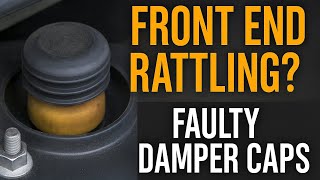
- A rattling noise from the front may not be a bad strut. Check for TSB A20-036, which points to inexpensive rubber damper caps as a common cause on 2017-2021 models.
- Always replace struts and shocks in pairs per axle to maintain vehicle stability and prevent unsafe handling.
- A wheel alignment is mandatory after replacing front struts to prevent rapid tire wear and ensure proper handling.
Is Your 2017-2025 Honda CR-V Suspension Failing? Key Symptoms

Worn struts and shocks often fail gradually, but they provide distinct clues. Paying attention to new sounds and changes in ride quality can help you diagnose a problem before it becomes severe.
Noises to Listen For
- Clunking or Knocking: This is the most common symptom. You may hear a dull clunk or knock from a corner of the vehicle when driving over bumps, potholes, or uneven pavement. This sound is often the internal components of the strut or shock moving excessively.
- Rattling: A lighter rattling sound from the front suspension could indicate a specific known issue with the damper caps, not necessarily the entire strut.
- Creaking or Squeaking: A creaking noise, especially when turning the steering wheel at low speeds or going over bumps, can point to a worn strut mount or bearing.
Changes in Ride and Handling
- Bouncy Ride: If your CR-V continues to bounce up and down after hitting a bump, the struts or shocks are likely worn out and no longer able to control the spring's movement.
- Nose-Diving: When you apply the brakes firmly, a worn front suspension will allow the front end of the vehicle to dip or "dive" excessively.
- Body Roll: You may feel the vehicle sway or lean more than usual when turning or changing lanes.
- Uneven Tire Wear: Failing suspension components can cause your vehicle's alignment to be off, leading to scalloped or "cupped" wear patterns on your tires.
Visual Inspection Clues
- Leaking Fluid: Struts and shocks are filled with hydraulic fluid. If you see oily, wet residue on the body of the strut or shock, it is leaking and must be replaced.
- Damaged Components: Look for dented strut bodies, cracked or missing dust boots, and visibly worn or corroded mounting hardware.
Known Issues, Recalls, and Technical Service Bulletins (TSBs)

While there have been no major recalls specifically for the struts or shocks on the 2017-2025 CR-V, there are some related items to be aware of.
- TSB A20-036: For 2017-2021 CR-V models (and other Hondas), this bulletin addresses a rattling noise from the front suspension over bumps. The cause is often a faulty rubber damper cap, which is a much cheaper and easier fix than replacing the entire strut. Always investigate this first if you hear a rattle. 🎬 Watch: How to fix the front suspension rattle using TSB A20-036.
- Steering Gearbox Recall (NHTSA Campaign 24V744000): Affecting certain 2023-2025 CR-V models, this recall involves an incorrectly manufactured steering gearbox that can cause steering difficulty. While not a suspension part, it affects front-end feel and safety.
- Owner Complaints: The National Highway Traffic Safety Administration (NHTSA) has logged complaints from 2017 CR-V owners regarding clunking noises and rough ride quality.
Compatibility Warning: Fitment for the Honda CR-V varies based on drivetrain (AWD or FWD) and sometimes engine type (Hybrid or Gas). Front struts and rear shocks for All-Wheel Drive (AWD) and Front-Wheel Drive (FWD) models are different and are not interchangeable. Using the wrong part can lead to incorrect ride height, poor handling, and unsafe driving conditions. Always verify your vehicle's specifications before purchasing.
Buying a Used 2017-2025 CR-V Strut or Shock: What to Look For

A quality used OEM strut or shock can be a great value, often providing better performance and longevity than a cheap new aftermarket part. Here’s what to inspect.
Physical Inspection Checklist
- Check for Leaks: This is the most important check. The strut or shock body should be dry. Any sign of oily residue means the seal has failed and the part is no good.
- Inspect the Rod: The chrome-plated rod that extends from the body should be smooth and free of rust, pitting, or scratches. Damage to the rod will quickly destroy the new seal.
- Test the Damping: If possible, try to compress and extend the strut or shock by hand. It should provide smooth, consistent resistance in both directions. It should not feel loose or make noises. A good shock will extend on its own, while a worn one may be slow or not extend at all.
- Examine the Mounts: For front struts, check the condition of the upper mount. The rubber should not be cracked or separated. For rear shocks, inspect the rubber bushings in the mounting eyes.
- Check for Bends or Dents: A significant dent in the body can impede internal piston movement. Ensure the entire assembly is straight and not bent from an accident.
Mileage vs. Condition
Suspension components are wear items. While there's no exact mileage for failure, struts and shocks on a daily driver typically last between 50,000 and 100,000 miles. A used part from a low-mileage vehicle (under 60,000 miles) is ideal. However, a high-mileage part that is dry, clean, and shows good resistance can still have plenty of life left, especially if it came from a vehicle driven on smooth highways.
Replacement Guide: An Overview
Replacing struts and shocks is a job that can be done by an experienced DIYer, but it requires specific tools and safety precautions. The front struts are more complex than the rear shocks because they involve compressing the coil spring.
Warning: Compressing a coil spring is dangerous. The stored energy is immense, and if the spring compressor tool slips or fails, it can cause serious injury. If you are not experienced with this procedure, it is safer to buy a complete "quick strut" assembly or have a professional perform the work.
Related Parts to Replace at the Same Time
It is highly recommended to replace struts and shocks in pairs (both fronts or both rears) to ensure balanced handling. When replacing front struts, it's also a good time to consider replacing:
- Strut Mounts and Bearings: These allow the strut to pivot as you steer. Worn mounts can cause noise and poor steering feel.
- Sway Bar Links: These small links connect the sway bar to the suspension and often wear out, causing a clunking noise over bumps.
- Dust Boots and Bump Stops: These protect the strut rod and prevent damage from bottoming out. They often come with new struts but should be replaced if you are re-using your old springs.
Torque Specifications
Using a torque wrench is critical for suspension work. While specs can vary slightly by year and model, these are common values. Always verify the correct specs for your specific vehicle.
| Fastener | Torque Spec (ft-lbs) | Notes |
|---|---|---|
| Front Strut to Steering Knuckle Bolts | ~116 ft-lbs | Varies by source, 69-116 ft-lbs reported. |
| Front Strut Upper Mount Nuts | ~47-55 ft-lbs | |
| Rear Shock Upper Mount Bolt | ~44 ft-lbs | |
| Rear Shock Lower Mount Bolt | ~56 ft-lbs | |
| Wheel Lug Nuts | 80 ft-lbs |
Pro Tip: After loosely installing the bolts, the suspension must be loaded with the vehicle's weight before final tightening. This is done by lowering the car onto ramps or placing a jack under the lower control arm to compress the suspension. Tightening the bolts with the wheels hanging in the air will preload the rubber bushings, causing them to fail prematurely.
Cost Comparison: New vs. Used vs. Aftermarket
Prices can vary significantly based on brand, location, and whether you do the work yourself.
| Part / Service | Estimated Cost (Per Axle) | Notes |
|---|---|---|
| New OEM (Parts Only) | $370 - $560 | For two front struts or two rear shocks from a Honda dealer. |
| New Aftermarket (Parts Only) | $150 - $400 | Price varies by brand (e.g., KYB, Monroe). Complete 'quick strut' assemblies are often in the higher end of this range. |
| Used OEM (Parts Only) | $100 - $250 | For a pair of struts or shocks from a recycled vehicle. |
| Shop Labor | $400 - $800 | Labor to replace a pair of struts or shocks, including the post-replacement wheel alignment. |
Frequently Asked Questions (FAQ)
Do I need a wheel alignment after replacing struts or shocks?
Yes. A wheel alignment is absolutely necessary after replacing front struts, as the procedure directly affects camber and toe angles. It is also highly recommended after replacing rear shocks to ensure all wheels are tracking correctly and to prevent premature tire wear.
Can I replace just one strut?
It is strongly advised against. Struts and shocks should always be replaced in pairs on the same axle (both front or both rear). A new strut will have different damping characteristics than the old one on the other side, leading to unbalanced handling, which can be unsafe.
What's the difference between a strut and a shock?
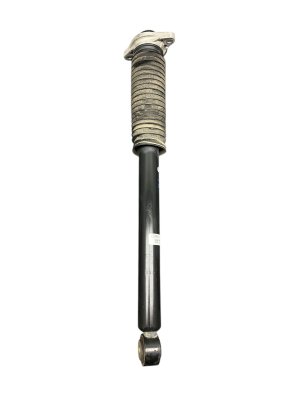
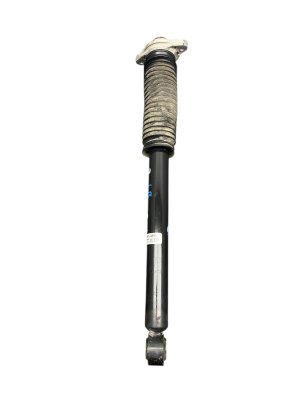
A strut is a structural part of the suspension that incorporates a damping unit (the shock absorber) and a coil spring into a single assembly. The 2017-2025 CR-V uses struts in the front. A shock absorber is purely a damping unit and is separate from the spring. The CR-V uses this setup in the rear.
My front suspension rattles, but the ride feels fine. Could it be something other than the strut?
Yes. For 2017-2021 CR-Vs, check TSB A20-036, which points to faulty rubber damper caps as a common source of rattling. Also, check the sway bar end links, as worn links are a very common cause of clunking or rattling over bumps.
Helpful Videos
Technical Specifications
OEM Part Numbers: 51611-TLA-A51 51611-TLA-A71 51611-TLA-A72 51611-TLB-A22 52610-TLA-A522 52611-3A0-A51 52611-3A1-A01 52611-3D4-A51 52611-3D5-A01 51621-TLA-A51 51611-TLB-A01 51621-TLB-A01 52611-TLA-A51 52611-TLB-A02
Front suspension uses MacPherson struts. Rear suspension uses separate shock absorbers and coil springs. Torque-to-yield bolts may be used in some applications and must be replaced if removed.
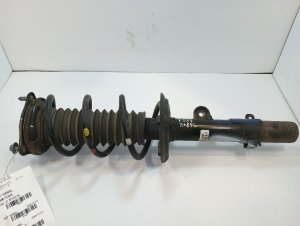
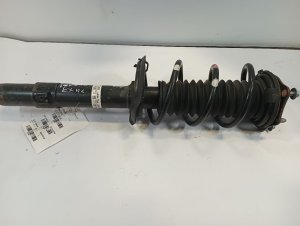
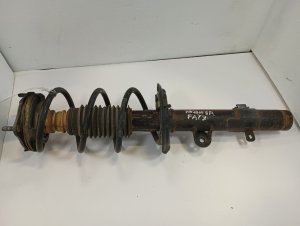
We Have This Part in Stock


The information in this article is provided for general reference and educational purposes only. Vehicle specifications, procedures, and part compatibility can vary by production date, trim level, and region. Always consult your vehicle's factory service manual and verify part numbers before purchasing or performing repairs. Safety-critical components such as airbags, seat belts, and braking systems should be installed by a qualified professional.
- Honda CR-V:
- 🎬 Helpful Videos
- 🛍️ Shop This Part
- Is Your 2017-2025 Honda CR-V Suspension Failing? Key Symptoms
- Noises to Listen For
- Changes in Ride and Handling
- Visual Inspection Clues
- Known Issues, Recalls, and Technical Service Bulletins (TSBs)
- Buying a Used 2017-2025 CR-V Strut or Shock: What to Look For
- Physical Inspection Checklist
- Mileage vs. Condition
- Replacement Guide: An Overview
- Related Parts to Replace at the Same Time
- Torque Specifications
- Cost Comparison: New vs. Used vs. Aftermarket
- Frequently Asked Questions (FAQ)
- 🎟️ Get 5% Off