

1990-1999 Eclipse, Talon, Laser Strut Guide: Curing Suspension Clunks & Compatibility Traps
This guide covers the common failure symptoms, replacement costs, and critical compatibility differences for suspension struts on FWD non-turbo DSM cars.
- Compatibility is critical: These struts are for Front-Wheel Drive (FWD), non-turbo models only. AWD parts are different and will not fit correctly.
- Listen for clunks and watch for leaks: A clunking noise over bumps and visible oil on the strut body are definitive signs of failure.
- Inspect used parts carefully: Since struts are wear items, check any used part for leaks, rust on the spring perch, and source from a low-mileage vehicle.
- Replace related parts: For a complete repair, plan to replace strut mounts, bellows, and inspect sway bar end links at the same time.
Critical Compatibility Warnings: Read Before Buying
Warning: The most common mistake when buying struts for these vehicles is mixing up parts for Front-Wheel Drive (FWD) and All-Wheel Drive (AWD) models. This guide and the associated part numbers are specifically for FWD, non-turbocharged models only.
- Front Struts (1G): While the front struts may physically bolt up between FWD and AWD models from 1990-1994, the spring rates are different to handle different vehicle weights.
- Rear Shocks/Struts (1G & 2G): The rear suspension is completely different between FWD and AWD models. Parts are not interchangeable.
- Turbo vs. Non-Turbo: Turbocharged models (GST, GSX, TSi) often came with different suspension components than the base non-turbo models (RS, GS, DL). Always verify the part is for a non-turbo vehicle.
Vehicle Generation Differences
It's important to know if you have a first-generation (1G) or second-generation (2G) vehicle, as their suspension designs are not the same.
- 1G (First Generation): 1990-1994 Mitsubishi Eclipse, 1990-1998 Eagle Talon, 1990-1994 Plymouth Laser, 1990-1994 Chrysler Laser. These cars use a MacPherson strut front suspension.
- 2G (Second Generation): 1995-1999 Mitsubishi Eclipse, 1995-1998 Eagle Talon. These cars feature a more advanced double-wishbone front and multi-link rear suspension. While technically a 'shock absorber' in this setup, it is commonly sold and referred to as a strut.
Shared Platform Vehicles
The 1995-2000 Chrysler Sebring Coupe and 1995-2000 Dodge Avenger Coupe were built on the same platform as the 2G Mitsubishi Eclipse. Many suspension parts, including the struts for FWD non-turbo models, are interchangeable. This does not apply to the Sebring sedan or convertible models from all years.
Symptoms of a Failing Suspension Strut
When struts wear out, they give several warning signs. You may notice one or more of the following symptoms.
1. Noises: Clunks, Knocks, and Pops
This is the most common complaint. Worn struts can cause a distinct clunking or knocking sound when driving over bumps, potholes, or uneven roads. This sound is often caused by the strut bottoming out due to a loss of damping pressure, or from worn strut mounts allowing excessive movement. You might also hear a popping noise when turning the steering wheel, which can point to a bad strut bearing or other worn suspension components like ball joints.
2. Poor Ride Quality
A car with bad struts will often feel overly bouncy. Instead of absorbing a bump and settling, the car will continue to bounce up and down. You may also experience:
- Nose-Diving: The front end of the car dips excessively when you apply the brakes.
- Body Roll: The vehicle leans or sways noticeably during turns.
- Rear Squat: The rear of the car sinks down when you accelerate.
3. Visible Fluid Leaks
Struts are filled with hydraulic fluid to dampen impacts. A clear sign of a failed strut is oily fluid leaking from the strut body. Look for a wet, grimy film covering the strut housing. This indicates the internal seals have failed and the strut can no longer function correctly.
4. Uneven Tire Wear
When struts fail, they can cause the tires to bounce erratically against the pavement, leading to a specific type of uneven wear called "cupping" or "scalloping." This looks like a series of high and low spots on the tire tread. If you see this pattern, it's a strong indication of a suspension problem.
Buying a Used Suspension Strut: What to Look For
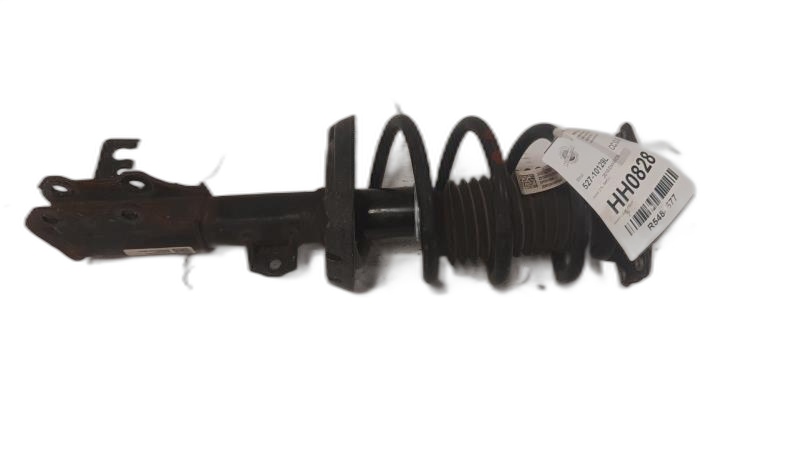
Since new OEM struts for these older vehicles are often discontinued and expensive, a low-mileage used OEM strut can be a good value. However, struts are wear items, so careful inspection is key.
Pro Tip: A used OEM strut is often a better choice than a cheap, new aftermarket part. Factory struts are designed and valved specifically for your vehicle's weight and handling characteristics, providing better performance and longevity than many budget-friendly alternatives.
Physical Inspection Checklist:
- Check for Leaks: This is the number one red flag. The strut body should be dry. Any sign of oily residue means the strut is bad.
- Inspect for Rust: These cars are prone to rust. Check the strut body, and especially the lower spring perch (the plate the coil spring sits on). If the perch is heavily rusted, it can fail, causing the spring to collapse.
- Examine the Piston Rod: The shiny chrome rod that extends from the top of the strut should be perfectly straight and free of nicks, corrosion, or damage. Any damage to the rod can tear the upper seal, causing it to leak.
- Check the Mounts: Inspect all mounting points. The lower bracket that bolts to the knuckle should not be bent or have elongated holes. The upper mounting studs should be straight and have clean threads.
- Push/Pull Test: If the strut is off the car, try to compress and extend it by hand. It should move smoothly with consistent, firm resistance. If it moves too easily, feels gritty, or makes noise, it's worn out.
- Mileage is Key: Struts can last 100,000 miles or more, but their performance degrades over time. Always try to source a used strut from a vehicle with the lowest possible mileage. A part from a 70,000-mile car is a much better bet than one from a car with 150,000 miles.
Vehicle Inspection
If you are inspecting the donor car, pay close attention to the strut towers (the area in the engine bay or trunk where the top of the strut mounts). 2G models are known for severe strut tower rust, which can be a major structural and safety issue. If the tower is rusted, walk away, as it's a complex and expensive repair.
Known Issues, Recalls, and TSBs
NHTSA Recall 00V421001 (1999 Models)
There was a safety recall for some 1999 Mitsubishi Eclipse models concerning the front suspension's lower lateral arm ball joints. The rubber boots on the ball joints could have been damaged during assembly, allowing water and dirt to enter. This could lead to corrosion and cause the ball joint to separate, potentially causing a loss of vehicle control. While this recall is not for the strut itself, it affects a critical, related suspension component that should be inspected during any strut replacement.
Cost to Replace Suspension Struts
The cost can vary depending on the parts you choose and local labor rates. Replacing struts in pairs (both front or both rear) is always recommended.
| Part/Service | Estimated Cost (Per Strut) | Notes |
|---|---|---|
| New OEM | $250 - $400+ (If available) | Most are discontinued. Price reflects remaining stock or special order. Mounts and insulators are more readily available. |
| New Aftermarket (Bare Strut) | $50 - $150 | Brands like KYB, Monroe, and Gabriel are common. Price varies by quality. |
| New Aftermarket (Complete Assembly) | $150 - $250+ | Includes new strut, spring, and mount. Simplifies installation. |
| Used OEM | $40 - $100 | Price depends heavily on mileage, condition, and source. |
| Shop Labor | $150 - $280 | Per strut. Includes labor for swapping the spring if using a bare strut. An alignment is extra. |
Related Parts to Replace
When you replace a strut, it's a good time to inspect and likely replace other related wear items. This can save you from paying for the same labor twice down the road.
- Strut Mounts (Top Hats): These rubber and metal mounts at the top of the strut absorb vibrations and act as a pivot point. They wear out, causing noise and poor handling.
- Strut Bellows (Dust Boot) & Bump Stop: The bellows protects the strut's piston rod from dirt and debris, while the bump stop prevents damage from harsh impacts. These are almost always replaced with the strut.
- Coil Springs: Springs can sag over time, lowering ride height and affecting handling. If you're replacing struts, consider replacing the springs at the same time, especially if the car has high mileage.
- Sway Bar End Links: These connect the sway bar to the strut or control arm. They have small ball joints that wear out, causing a rattling or clunking noise over bumps.
Installation Tips and Torque Specs
Replacing a strut can be a DIY job for someone with mechanical experience, but it requires proper tools, including a spring compressor if you are not using a complete "quick-strut" assembly.
Safety Warning: Compressing a coil spring can be extremely dangerous. The stored energy is immense. Use a high-quality internal or external spring compressor and follow all safety instructions. If you are not comfortable with this step, purchase a complete strut assembly or have a professional perform the installation.
Torque Specifications (1G: 1990-1994)
These specs are for the MacPherson strut suspension. Always verify with a factory service manual.
| Component | Torque Spec |
|---|---|
| Front Strut to Steering Knuckle Bolts | 80 - 101 ft-lbs |
| Front Strut Upper Mount Nuts | 29 - 39 ft-lbs |
| Rear Shock Absorber Lower Bolt | 65 - 80 ft-lbs |
| Rear Shock Absorber Upper Nuts | 29 - 36 ft-lbs |
Torque Specifications (2G: 1995-1999)
These specs are for the multi-link suspension. Always verify with a factory service manual.
| Component | Torque Spec |
|---|---|
| Front Damper Fork to Lower Arm Bolt | 65 ft-lbs |
| Front Damper Fork to Shock Absorber Bolt | 54 ft-lbs |
| Front Shock Absorber Upper Mount Nuts | 32 ft-lbs |
| Rear Shock Absorber to Knuckle Bolt | 80 ft-lbs |
| Rear Shock Absorber Upper Mount Nuts | 28 ft-lbs |
Pro Tip: After replacing struts, it is highly recommended to get a professional wheel alignment. The installation process directly affects camber and toe angles, and an alignment is necessary to prevent premature tire wear and ensure proper handling.
Frequently Asked Questions (FAQ)
Do I have to replace struts in pairs?
Yes, it is always recommended to replace struts in pairs (both front or both rear). Replacing only one can result in uneven handling, braking, and ride height, as the new strut will be much stiffer than the old, worn one on the other side.
What's the difference between a bare strut and a 'quick-strut' assembly?
A bare strut is just the strut body itself. To install it, you must remove the coil spring and mount from your old assembly and transfer them to the new one, which requires a dangerous spring compressor tool. A 'quick-strut' or complete strut assembly comes pre-assembled with a new strut, coil spring, and mount. It is much safer and faster to install, making it a popular choice for DIY mechanics.
Can I use AWD struts on my FWD car?
No. The rear suspension is completely different between FWD and AWD models, and the parts will not fit. While some front components may seem to bolt up, the spring rates and damping are designed for different vehicle weights and will negatively affect your car's handling and safety.
My car still clunks after replacing the struts. What else could it be?
If you still hear noise, check other suspension components. The most common culprits are worn sway bar end links, bad control arm bushings, or failing ball joints. Also, double-check that the large strut-to-knuckle bolts and the top mount nuts were torqued to the correct specification.
Technical Specifications
OEM Part Numbers: MB338610 (Front Strut Mount/Insulator, 1G/2G) MR103157 (Rear Shock Insulator, 2G) MR103156 (Front Upper Strut Mount/Insulator, 2G) MB515412 MB515413 MB515414 MB584342 MB948079 MB948116 MB948125 MR244434
Torque specs vary significantly between 1G (MacPherson Strut) and 2G (Multi-Link) models. See installation tables for details.
We Have This Part in Stock


The information in this article is provided for general reference and educational purposes only. Vehicle specifications, procedures, and part compatibility can vary by production date, trim level, and region. Always consult your vehicle's factory service manual and verify part numbers before purchasing or performing repairs. Safety-critical components such as airbags, seat belts, and braking systems should be installed by a qualified professional.
- Eagle Talon:
- Mitsubishi Eclipse:
- Chrysler Laser:
- Plymouth Laser:
- 🛍️ Shop This Part
- Critical Compatibility Warnings: Read Before Buying
- Vehicle Generation Differences
- Shared Platform Vehicles
- Symptoms of a Failing Suspension Strut
- 1. Noises: Clunks, Knocks, and Pops
- 2. Poor Ride Quality
- 3. Visible Fluid Leaks
- 4. Uneven Tire Wear
- Buying a Used Suspension Strut: What to Look For
- Physical Inspection Checklist:
- Vehicle Inspection
- Known Issues, Recalls, and TSBs
- NHTSA Recall 00V421001 (1999 Models)
- Cost to Replace Suspension Struts
- Related Parts to Replace
- Installation Tips and Torque Specs
- Torque Specifications (1G: 1990-1994)
- Torque Specifications (2G: 1995-1999)
- Frequently Asked Questions (FAQ)
- 🎟️ Get 5% Off