

2017-2024 Alfa Romeo Giulia Suspension Strut: Noises, Leaks & Compatibility Guide
This guide covers the common failure symptoms, replacement costs, and critical compatibility warnings for the standard suspension struts on 2017-2024 Alfa Romeo Giulia models.
- Compatibility is critical: These struts are for RWD models without active/electronic suspension ONLY. They will not fit AWD (Q4) or Quadrifoglio models.
- Noises are common but may not be the strut itself. Inspect upper mounts, control arm bushings, and sway bar end links before condemning the strut.
- When buying used, prioritize low mileage (under 60k miles) and look for any signs of oil leakage, which indicates a failed strut.
- Always replace struts in pairs and perform a four-wheel alignment immediately after installation to ensure safety and prevent tire wear.
Key Compatibility Warnings

Warning: This guide and the part numbers listed apply ONLY to Rear-Wheel Drive (RWD) 2017-2024 Alfa Romeo Giulia models with the standard, non-electronic suspension. These parts are NOT compatible with:
- Quadrifoglio models
- Vehicles equipped with All-Wheel Drive (AWD / Q4) 🎬 Watch: Suspension installation guide for AWD Q4 models
- Vehicles equipped with Active Damping or Electronic Suspension (often part of a Performance Package)
Always verify the specific suspension type on the vehicle before purchasing parts. Installing the wrong strut will result in improper ride height, poor handling, and potential safety issues.
Symptoms of a Failing Suspension Strut


A worn or failed suspension strut can make itself known in several ways. Pay attention to new noises or changes in how your Giulia rides and handles.
Noises and Vibrations
- Clunking or Knocking: A common symptom is a clunking or knocking sound, especially when driving over bumps, potholes, or uneven pavement. This can be caused by a worn internal component in the strut or, more commonly, a failing upper strut mount.
- Creaking or Squeaking: A creaking or squeaking noise when turning the steering wheel or going over bumps can point to a dry or worn-out upper strut mount bearing. Some owners report these noises are more noticeable after the car has been sitting overnight and may fade after a few miles of driving.
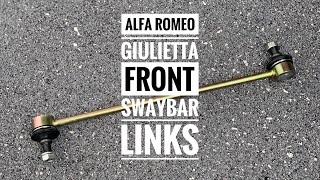
- Rattling: A rattling noise from the rear suspension area could indicate worn sway bar end links, which are often mistaken for strut failure. If you hear a rattle, it's wise to inspect the end links first 🎬 Watch: How to replace worn sway bar end links as they are a common wear item.
Driving Performance
- Bouncy or Unstable Ride: This is a classic sign of a worn-out shock absorber within the strut. The vehicle may feel like it's floating or bouncing excessively after hitting a bump.
- Nose-Diving and Body Roll: If the front of the car dives more than usual during braking, or if the body leans excessively in corners, the struts are likely losing their ability to control the vehicle's weight transfer.
- Visible Fluid Leaks: The strut body itself should be dry. If you see oily residue or active fluid leakage on the outside of the strut, its internal seals have failed and it needs immediate replacement.
Known Issues, TSBs, and Recalls
As of early 2026, there are no specific recalls issued by the National Highway Traffic Safety Administration (NHTSA) for suspension struts on the 2017-2024 Alfa Romeo Giulia. Most suspension issues are considered wear and tear.
- Noises: The most common complaints found on owner forums relate to clunking or creaking noises from the front or rear suspension. These are often traced back to worn upper control arm bushings, strut top mounts, or sway bar end links rather than the strut itself.
- Recalls: While there are no strut-specific recalls, several other recalls exist for the Giulia, including for incorrect tire information placards, brake system software, and fuel system components. It's always wise to check if a vehicle has any open recalls.
Pro Tip: Before replacing struts to solve a noise issue, have a technician thoroughly inspect the upper and lower control arm bushings and the sway bar end links. These are frequent sources of suspension noises on the Giulia platform and are less expensive to replace.
Buying a Used Suspension Strut
A used OEM strut can be a cost-effective solution, especially given the high price of new OEM parts. However, since struts are a wear item, careful inspection is crucial.
Inspection Checklist
- Check for Leaks: This is the most important check. The strut body must be completely dry. Any sign of oiliness, wetness, or thick grime buildup (which attracts dirt to leaking oil) means the strut is bad.
- Inspect the Piston Rod: The shiny chrome rod that extends from the top of the strut should be smooth and free of rust, pitting, or scratches. Any imperfections will damage the main seal and cause the new strut to fail quickly.
- Verify Donor Vehicle Mileage: Always get the mileage from the vehicle the part was removed from. A strut from a car with over 80,000 miles has limited remaining life. Aim for parts from vehicles with 60,000 miles or less for the best value.
- Confirm Part Numbers: Double-check the OEM part number to ensure it matches what you need. Remember the critical differences between RWD, AWD, and active suspension models.
- Buy in Pairs: It is highly recommended to replace struts in pairs (both front or both rear) to ensure even damping and predictable handling. A new or low-mileage used strut on one side and a worn original on the other can make the car unstable.
Cost Comparison
The cost for suspension struts on the Alfa Romeo Giulia can vary dramatically based on the type of suspension and where you source the parts. The prices below are estimates for a single standard, non-electronic front strut.
| Part Source | Estimated Cost (per strut) | Notes |
|---|---|---|
| New OEM (Dealer) | $350 - $500+ | Can be very expensive. RepairPal estimates parts costs for a replacement job to be over $3,000, likely for the expensive electronic versions. |
| New Aftermarket (Bilstein B4) | $130 - $250 | Bilstein is an original equipment supplier, so the B4 series is designed to restore original ride quality. This is an excellent alternative to dealer parts. |
| Used OEM | $100 - $200 | Cost-effective, but inspect carefully and verify mileage. Prices vary on platforms like eBay. |
| Shop Labor | $320 - $470 (for a pair) | Labor costs can vary. RepairPal estimates this range for replacing a pair of struts. A wheel alignment is required after replacement. |
Note: Prices are estimates as of early 2026 and can vary by supplier and location. The extremely high costs sometimes quoted (over $5,000) are typically for the optional, and very expensive, active damping suspension systems.
Replacement and Installation Tips

Replacing a strut is a job for an experienced DIY mechanic or a professional. It requires specialized tools like a spring compressor, which can be dangerous if used improperly.
Torque Specifications
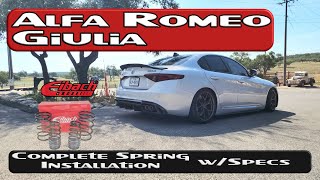
Using correct torque specs is critical for safety and preventing noise. While a complete official manual was not found in searches, installation videos and forum discussions from lowering spring installs provide 🎬 See this complete installation guide for suspension specs some common values. Always verify with an official source if possible.
- Top Strut Mount Nuts (in engine bay): ~19 ft-lbs (26 Nm). These are not very tight.
- Top Strut Piston Rod Nut: ~15-26 ft-lbs (20-35 Nm). This requires a special strut socket or pass-through wrench to hold the shaft while tightening.
- Sway Bar End Link Nuts: Often require a Torx bit (e.g., T40) to prevent the stud from spinning.
Related Parts to Replace
When replacing struts, it's highly recommended to also replace the following 'while you're in there' parts:
- Upper Strut Mount ('Top Hat'): The bearing and rubber in the mount wear out, causing noise and poor steering feel.
- Dust Boot and Bump Stop: These protect the strut's piston rod and prevent it from bottoming out. They are essential for the strut's longevity.
- Sway Bar End Links: These are often removed for access and are a common wear item that can cause knocking noises.
Pro Tip: A four-wheel alignment is mandatory after replacing front or rear struts. Failure to do so will result in poor handling and rapid, uneven tire wear.
Frequently Asked Questions (FAQ)
Do I need to replace my struts in pairs?
Yes. It is critical to replace struts in pairs (both front struts or both rear shocks). Replacing only one can create an imbalance in damping from side to side, leading to unpredictable handling, especially in emergency maneuvers.
Is a Bilstein B4 strut a good replacement for my Giulia?
Yes. Bilstein is a well-regarded German company that is an Original Equipment (OE) supplier to many car manufacturers, including Alfa Romeo. The Bilstein B4 series is specifically designed to be an OE replacement, meaning it aims to restore the car's original ride and handling characteristics. For a standard RWD Giulia, it is an excellent and often more affordable choice than dealer-sourced parts.
My dealer quoted me thousands of dollars for one strut. Is that right?
It might be, if your car has the optional active (electronic) suspension. The standard 'passive' struts are reasonably priced, but the electronic versions are extremely expensive, with some owners being quoted over $1,600 for a single part. It is crucial to know which suspension your car is equipped with before getting a quote or buying parts.
What is the difference between a strut and a shock absorber?
A shock absorber's only job is to dampen suspension movement. A strut is a structural part of the suspension that also provides a mounting point for the coil spring and connects to the steering knuckle. The Alfa Romeo Giulia uses a strut assembly in the front and a separate shock absorber and spring in the rear.
Helpful Videos
Technical Specifications
OEM Part Numbers: 50541171 50541173 50547063 5054646
Aftermarket Equivalent: Bilstein 19-274461 (Front Right), Bilstein 19-274256 (Front Left). These are for standard, non-electronic, RWD models.
We Have This Part in Stock



The information in this article is provided for general reference and educational purposes only. Vehicle specifications, procedures, and part compatibility can vary by production date, trim level, and region. Always consult your vehicle's factory service manual and verify part numbers before purchasing or performing repairs. Safety-critical components such as airbags, seat belts, and braking systems should be installed by a qualified professional.
- Alfa Romeo Giulia:
- ALFA ROMEO GIULIA:
- 🎬 Helpful Videos
- 🛍️ Shop This Part
- Key Compatibility Warnings
- Symptoms of a Failing Suspension Strut
- Noises and Vibrations
- Driving Performance
- Known Issues, TSBs, and Recalls
- Buying a Used Suspension Strut
- Inspection Checklist
- Cost Comparison
- Replacement and Installation Tips
- Torque Specifications
- Related Parts to Replace
- Frequently Asked Questions (FAQ)
- 🎟️ Get 5% Off