

Solving 2005-2016 Honda CR-V Stabilizer Bar Noises, Clunks, and Failures
This guide explains the common clunking noises, worn parts, and replacement costs for the suspension stabilizer bar system on 2005-2016 Honda CR-Vs.
- The most common symptom of a problem is a clunking or rattling noise from the suspension when going over bumps.
- The issue is almost always caused by worn stabilizer bar LINKS or rubber BUSHINGS, not the steel bar itself.
- For 2007-2011 models, check for a major recall regarding rear frame rust in salt-belt states, which can cause suspension detachment.
- When replacing, always use new links and bushings, and tighten them with the vehicle's weight on the suspension to prevent premature failure.
Symptoms of Stabilizer Bar Failure

When a stabilizer bar system starts to fail, the symptoms are almost always audible. The issue is typically not with the steel bar itself, but with the wearable end links and rubber bushings that connect it to the vehicle.
Clunking, Knocking, or Rattling Noises
This is the most common symptom. You will likely hear a distinct clunking or rattling sound coming from the front or rear suspension. This noise is most noticeable when driving at lower speeds over bumps, potholes, or uneven road surfaces. Many owners describe it as a loose, metallic knocking sound that happens as the suspension moves up and down. The sound occurs because the small ball joints inside the stabilizer links have worn out, creating excessive play that allows metal parts to bang against each other. Worn rubber bushings can also cause a duller thud or squeaking noise.
Poor Handling and Increased Body Roll
A less obvious symptom is a change in how the vehicle handles. With worn or broken stabilizer links, the bar cannot effectively do its job of controlling body roll. You may notice the CR-V leans or sways more than usual when you take a corner or a highway ramp. The steering might feel less precise or "sloppy." In cases where a link has completely broken, handling can be significantly compromised, making the vehicle feel unstable.
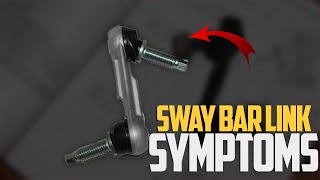
🎬 See a breakdown of the 4 most common failure symptomsKnown Issues, Recalls, and TSBs for 2005-2016 Honda CR-V

While the stabilizer bar system is a common source of noise, it's important to be aware of other suspension-related issues for these CR-V generations.
Generational Wear Patterns
- 2nd Generation (2005-2006): On these older models, stabilizer link and bushing wear is a very common source of front-end clunks. Due to age, the rubber bushings often become hard and cracked, and the ball joints in the links develop play.
- 3rd Generation (2007-2011): This generation is known for front suspension noises that can be difficult to diagnose. While stabilizer links and bushings are the primary suspects, some owners have chased similar noises by replacing struts, only to find the clunk remains. This generation is also subject to a major recall for rear frame corrosion.
- 4th Generation (2012-2016): Similar to other generations, the stabilizer links and bushings are the most frequent cause of suspension clunks. It's not uncommon for these parts to wear out and require replacement to restore a quiet ride.
Suspension Recalls and TSBs
NHTSA Recall 23V-228 (Honda Recall XDZ): Rear Frame Corrosion
A significant recall affects 2007-2011 Honda CR-V models originally sold or ever registered in "salt-belt" states. Road salt can accumulate inside the rear frame, causing severe corrosion. This can lead to the rear trailing arm detaching from the frame, which would cause a sudden loss of vehicle control. Dealers will inspect the frame and either install a support brace or, if the damage is too severe, may offer to repurchase the vehicle. While not directly involving the stabilizer bar, this underlines the importance of inspecting the entire rear suspension and frame on any 2007-2011 CR-V from a northern climate.
No specific recalls or Technical Service Bulletins (TSBs) have been issued for the stabilizer bars or links themselves on the 2005-2016 CR-V. However, general TSBs for suspension or steering noises have been released over the years, often pointing toward inspection of these common wear items.
Buying a Used Suspension Stabilizer Bar

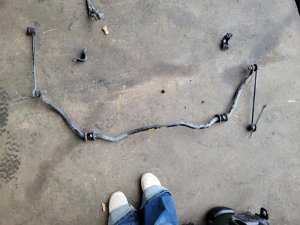
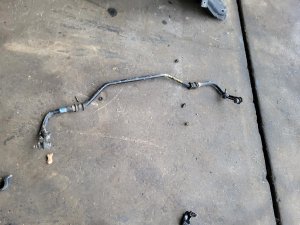
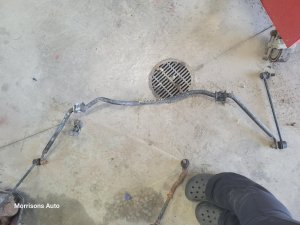
A used OEM stabilizer bar is an excellent value. The bar is a simple, solid piece of spring steel that does not wear out. It's almost always a better choice than a cheap, new aftermarket bar which may be made of inferior materials. The key is to focus on the related components and compatibility.
Inspection Checklist for a Used Bar
- Straightness: The bar should be perfectly straight and symmetrical. Look down its length to check for any bends, twists, or signs of accident damage. A bent bar will negatively affect handling and cannot be repaired.
- Mounting Points: Check the areas where the bushings and links attach. Ensure there is no severe corrosion, cracking, or damage that could prevent new components from seating correctly.
- Assume Links & Bushings are Bad: Never reuse old stabilizer links or bushings from a recycled part. These are inexpensive wear items. Always plan on installing a new set of links and bushings with your used stabilizer bar. This ensures a quiet, long-lasting repair.
Compatibility and Part Numbers
Warning: Compatibility is critical. Front and rear bars are different, and diameters can vary. The initial data for this article noted 19mm and 20mm diameters. Always verify the correct part for your specific CR-V's year, trim, and drivetrain (FWD vs. AWD) before ordering.
Honda part numbers typically begin with a prefix that indicates their location. For suspension, 51xxx numbers are for the front, and 52xxx numbers are for the rear.
- Front Bar OEM Numbers: 51300-S9A-801, 51300-SWA-A01, 51300-T0A-A01, 51300-T0G-A01, 51300-T0G-305, 51300-T1W-305
- Rear Bar OEM Numbers: 52300-S9A-801, 52300-SCA-A11, 52300-SWA-A01, 52300-T0G-305, 52300-T0G-A01, 52300-T1W-305, 52300-T1W-A01
The part number suffix often corresponds to a specific generation (e.g., -S9A for 2nd gen, -SWA for 3rd gen, -T0A/T0G for 4th gen). Always confirm fitment with the seller.
Replacement and Installation Tips
Replacing the stabilizer bar links is a common DIY job. Replacing the bar itself is more involved as it may require lowering the subframe for access, but is still achievable for an experienced DIYer.
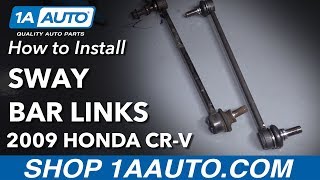
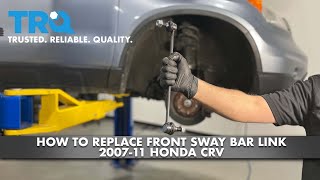
🎬 Watch: Step-by-step guide to replacing front links on your CR-VRelated Parts to Replace
It is essential to replace the links and bushings at the same time. They are the source of nearly all stabilizer system problems.
- Stabilizer Bar Links (End Links): These are the number one cause of suspension clunks. They have small ball joints that wear out. Always replace them in pairs (both front or both rear) for balanced handling.
- Stabilizer Bar Bushings: These rubber mounts hold the bar to the subframe. They are inexpensive and should be replaced whenever the bar is serviced.
Torque Specs and Procedures
Proper torque is critical for a noise-free repair. Overtightening can damage the new parts, while undertightening will cause them to clunk.
- 3rd Gen (2007-2011) Front Link Nuts: 58 ft-lbs.
- 3rd Gen (2007-2011) Rear Link Nuts: Top nut is 28 ft-lbs, bottom nut is 29 ft-lbs.
- Wheel Lug Nuts: 80 ft-lbs.
Pro Tip: Always tighten suspension components, especially bushing brackets and link nuts, with the vehicle's full weight on the suspension. This is called "loading the suspension." You can achieve this by using car ramps or by placing jack stands under the lower control arms. Tightening with the wheels hanging in the air will pre-twist the new rubber bushings, causing them to fail very quickly.
Cost Comparison for Stabilizer Bar Replacement
The cost varies depending on whether you are replacing just the links or the entire bar assembly. Most often, only the links and bushings need replacement.
| Part / Service | Estimated Cost |
|---|---|
| New OEM Stabilizer Bar (Front or Rear) | $90 - $275 |
| New Aftermarket Stabilizer Bar | $70 - $250 |
| Used OEM Stabilizer Bar | $50 - $100 |
| New OEM Stabilizer Links (Pair) | $150 - $210 |
| New Aftermarket Stabilizer Links (Pair) | $30 - $80 |
| Shop Labor (Links Only, per axle) | $55 - $120 |
| Shop Labor (Bar Replacement) | $150 - $300 |
Frequently Asked Questions (FAQ)
Can I drive with a bad stabilizer bar link?
Yes, but your vehicle's handling will be compromised. You will experience more body roll in turns and hear persistent clunking noises. In an emergency maneuver, the reduced stability could make it harder to control the vehicle, so it is best to get it repaired soon.
Do I need to replace stabilizer links in pairs?
Yes. It is highly recommended to replace both the left and right links on an axle at the same time. If one has failed due to wear, the other is likely not far behind. Replacing them in pairs ensures even handling and prevents you from having to do the same job twice in the near future.
What's the difference between a stabilizer bar and a strut bar?
A stabilizer bar (sway bar) connects the left and right lower suspension components to control body roll during turns. A strut bar (strut tower brace) is an aftermarket bar that typically connects the tops of the front strut towers in the engine bay to increase chassis rigidity, which can improve steering response.
Do I need a wheel alignment after replacing the stabilizer bar or links?
No. Replacing the stabilizer bar, its bushings, or the end links does not change the vehicle's primary alignment angles (camber, caster, toe). Therefore, a wheel alignment is not required after this specific repair.
Helpful Videos

Technical Specifications
OEM Part Numbers: 51300-S9A-801 51300-SWA-A01 51300-T0A-A01 51300-T0G-A01 51300-T0G-305 51300-T1W-305 52300-S9A-801 52300-SCA-A11 52300-SWA-A01 52300-T0G-305 52300-T0G-A01 52300-T1W-305 52300-T1W-A01
Bar diameters vary by application, with 19mm and 20mm being common sizes mentioned in initial data. It is critical to verify the diameter on the original vehicle before ordering a replacement.
We Have This Part in Stock




The information in this article is provided for general reference and educational purposes only. Vehicle specifications, procedures, and part compatibility can vary by production date, trim level, and region. Always consult your vehicle's factory service manual and verify part numbers before purchasing or performing repairs. Safety-critical components such as airbags, seat belts, and braking systems should be installed by a qualified professional.
- Honda CR-V:
- 🎬 Helpful Videos
- 🛍️ Shop This Part
- Symptoms of Stabilizer Bar Failure
- Clunking, Knocking, or Rattling Noises
- Poor Handling and Increased Body Roll
- Known Issues, Recalls, and TSBs for 2005-2016 Honda CR-V
- Generational Wear Patterns
- Suspension Recalls and TSBs
- Buying a Used Suspension Stabilizer Bar
- Inspection Checklist for a Used Bar
- Compatibility and Part Numbers
- Replacement and Installation Tips
- Related Parts to Replace
- Torque Specs and Procedures
- Cost Comparison for Stabilizer Bar Replacement
- Frequently Asked Questions (FAQ)
- 🎟️ Get 5% Off