

2004-2008 Chrysler Crossfire Front Stabilizer Bar: Decoding the SRT-6 Difference
This guide clarifies the critical differences between the standard and SRT-6 front stabilizer bars, and details the common clunking noises that point to worn links and bushings.
- The single most important factor is compatibility: Base/Limited models use a 25mm bar, while SRT-6 models use a thicker 28mm bar.
- Clunking noises are almost always caused by worn bushings or end links, not the bar itself.
- Always replace the frame bushings and consider the end link condition when installing a new or used bar.
- A used OEM bar is often a better choice than a cheap aftermarket alternative due to superior materials and fitment.
Variant Differences: Standard vs. SRT-6 Models
The most critical factor when buying a front stabilizer bar for a 2004-2008 Chrysler Crossfire is identifying the correct part for the vehicle's trim level. While the bars look similar, they are not the same across all models, and installing the wrong one will negatively affect handling.
- Base and Limited Models: These models are equipped with a solid front stabilizer bar that has a 25mm diameter. This bar is associated with Mopar part number 05098980AA.
- SRT-6 Models: The high-performance SRT-6 model features a thicker, stiffer front stabilizer bar with a 28mm diameter to provide sharper handling and less body roll. This is a different part from the one used on Base and Limited models.
Warning: Because the SRT-6 uses a thicker 28mm bar, the corresponding 28mm frame bushings must also be used. A 25mm bar will not fit correctly in 28mm bushings, and a 28mm bar will not fit into 25mm brackets or bushings. Always verify the diameter of the original bar before purchasing a replacement.
Symptoms of a Failing Stabilizer Bar System
The steel stabilizer bar itself rarely fails unless it is bent in an accident or severely weakened by corrosion. The symptoms commonly associated with a "bad sway bar" are almost always caused by worn-out stabilizer bar end links or frame bushings.
- Clunking or Rattling Noises: This is the most common symptom. You may hear a metallic clunking, knocking, or rattling sound from the front of the car, especially when driving over bumps, uneven pavement, or turning at low speeds. This noise is caused by excess play in the worn link joints or bushings.
- Poor Handling and Body Roll: The car may feel less stable and lean or "sway" more than usual during turns. This indicates the bar is no longer effectively controlling body roll due to loose connections.
- Loose Steering Feel: The steering may feel less responsive or vague. This happens because the worn links and bushings introduce slack into the suspension system.
Known Issues, TSBs, and Recalls
As of this writing, there are no Technical Service Bulletins (TSBs) or safety recalls issued by Chrysler or the National Highway Traffic Safety Administration (NHTSA) for the front stabilizer bar, links, or bushings on 2004-2008 Chrysler Crossfire models. A recall was issued for the airbag inflator on some model years, but it is unrelated to the suspension.
Buying a Used Suspension Stabilizer Bar
A used OEM stabilizer bar is an excellent, cost-effective option, as the part is a simple, durable piece of steel. When buying a recycled part, focus on condition and compatibility.
- Verify the Diameter: This is the most important step. Use a caliper or wrench to measure the bar's diameter. It must be 25mm for a Base/Limited model or 28mm for an SRT-6. Do not rely on visual identification alone.
- Inspect for Damage: Check the entire length of the bar for any signs of bending, which indicates it came from a vehicle involved in a significant collision. A bent bar will not function correctly and can cause alignment issues.
- Check for Corrosion: Surface rust is normal for a used suspension part. However, you should avoid any bar with deep, flaking rust or pitting that could compromise its structural integrity.
- Why Used OEM is a Good Choice: A genuine used Mopar stabilizer bar, which was originally made for Chrysler based on the Mercedes-Benz R170 platform, is a solid steel part designed for a perfect fit. Many cheaper aftermarket bars may be hollow or made from inferior materials, which can alter handling characteristics.
Pro Tip: Plan to install new bushings and end links with your used stabilizer bar. These components are inexpensive wear items, and it's much easier to replace them while the bar is out of the vehicle. Reusing old, worn bushings or links will lead to the same clunking noises and poor handling you are trying to fix.
Cost of Replacement
The total cost depends on whether you are replacing just the wear items (links and bushings) or the entire bar. Labor is the largest variable.
| Part or Service | Estimated Cost |
|---|---|
| New OEM Stabilizer Bar (Part Only) | $250 - $400+ |
| New Aftermarket Stabilizer Bar (Part Only) | $125 - $300 |
| Used OEM Stabilizer Bar (Part Only) | $50 - $150 |
| Stabilizer Bar Links (Pair, Parts Only) | $40 - $100 |
| Stabilizer Bar Bushings (Pair, Parts Only) | $20 - $50 |
| Shop Labor (Links Only) | $60 - $90 |
| Shop Labor (Bushings Only) | $150 - $215 |
| Shop Labor (Entire Bar Assembly) | $200 - $400 |
Related Parts That Fail Together
The stabilizer bar system has two primary wear components that should be considered for replacement at the same time as the bar, or when diagnosing front-end clunking noises.
- Stabilizer Bar End Links: These are small rods with joints or bushings that connect the ends of the stabilizer bar to the lower control arms. They are the most common source of noise in this system.
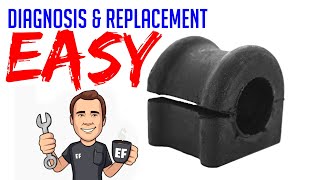
- Stabilizer Bar Bushings: These are two rubber or polyurethane bushings that mount the stabilizer bar to the vehicle's subframe. When they wear out, they allow the bar to move and knock against the frame, creating noise. 🎬 Watch: How to diagnose and replace worn sway bar bushings
Replacement Overview and Torque Specs
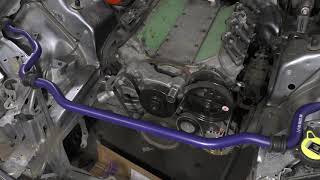
Replacing the front stabilizer bar is a feasible DIY project for someone with basic tools and jack stands. The process generally involves lifting the front of the vehicle, removing the front wheels, 🎬 Watch: Front end disassembly and suspension removal walkthrough unbolting the end links from the control arms, and unbolting the two frame bushing brackets that hold the bar in place.
Pro Tip: The Crossfire front suspension does not use traditional end links. Instead, the bar itself has forged ends that bolt directly to the lower control arm. This simplifies the design but makes replacing the bar the only way to service a worn-out end joint.
Using correct torque specs is critical for a safe and quiet repair. These values are from the official Chrysler Crossfire service manual.
| Component | Torque Spec (N·m) | Torque Spec (ft-lbs) |
|---|---|---|
| Front Sway Bar to Lower Control Arm Nut | 20 N·m | 15 ft-lbs |
| Front Sway Bar Bushing Nuts (M10) | 40 N·m | 30 ft-lbs |
| Front Sway Bar Bushing Nuts (M8) | 20 N·m | 15 ft-lbs |
Frequently Asked Questions
Can I upgrade my Base/Limited model with an SRT-6 stabilizer bar?
Yes, this is a common handling upgrade. To do so, you will need the 28mm SRT-6 front stabilizer bar and the matching 28mm SRT-6 frame bushings and brackets. It is a direct bolt-on modification.
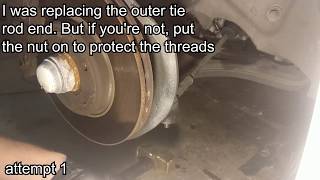
🎬 See this driveway installation of a front sway barDo I need a wheel alignment after replacing the stabilizer bar?
No. Replacing the stabilizer bar, its bushings, or its links does not affect the vehicle's primary alignment angles (camber, caster, or toe). An alignment is not required after this job.
Is the noise from the front or rear?
While this guide focuses on the front bar, the rear suspension also has a stabilizer bar with links and bushings that can wear out and cause similar clunking noises. Diagnosing the location of the sound is key. Replacing the rear bar is a much more involved job that requires lowering or removing the rear differential.
What is the difference between the stabilizer bar and the end links?
The stabilizer bar is the long, single piece of metal that runs across the front of the car. The end links are the smaller components that connect the ends of that bar to the rest of the suspension. On the Crossfire, the 'end link' is integrated into the end of the bar itself. The parts that cause noise are typically the bushings where the bar mounts to the frame, or the joint where the bar bolts to the control arm.
Helpful Videos
Technical Specifications
OEM Part Numbers: 05098980AA 5098980AA A1703230865
Diameter: 25mm (Base, Limited), 28mm (SRT-6). Material: Solid Spring Steel.
We Have This Part in Stock


The information in this article is provided for general reference and educational purposes only. Vehicle specifications, procedures, and part compatibility can vary by production date, trim level, and region. Always consult your vehicle's factory service manual and verify part numbers before purchasing or performing repairs. Safety-critical components such as airbags, seat belts, and braking systems should be installed by a qualified professional.
- Chrysler Crossfire:
- 🎬 Helpful Videos
- 🛍️ Shop This Part
- Variant Differences: Standard vs. SRT-6 Models
- Symptoms of a Failing Stabilizer Bar System
- Known Issues, TSBs, and Recalls
- Buying a Used Suspension Stabilizer Bar
- Cost of Replacement
- Related Parts That Fail Together
- Replacement Overview and Torque Specs
- Frequently Asked Questions
- 🎟️ Get 5% Off