

2006-2010 BMW X3 (E83) Front Stabilizer Bar: Clunks, Diameters, and Replacement
This guide covers the common clunking noises, the critical 22.5mm vs. 23.5mm diameter difference, and replacement costs for the 2006-2010 BMW X3 front stabilizer bar.
- The most critical factor is diameter: standard suspension uses a 22.5mm bar, while Sport Suspension (S226A) uses a 23.5mm bar. You must verify your vehicle's configuration before buying.
- Clunking noises are almost always caused by worn end links or bushings, not the bar itself. These should be replaced whenever the bar is serviced.
- Replacing the stabilizer bar is a difficult job that requires lowering the front subframe and supporting the engine, making it impractical for most DIY mechanics.
- A used OEM bar is a cost-effective and reliable option, provided you verify its diameter and straightness before purchase.
Symptoms of a Failing Stabilizer Bar System
When a stabilizer bar system fails on the E83 X3, it's almost never the steel bar itself that breaks. The problem is usually with the softer components that connect it to the car: the end links and the mounting bushings. These parts wear out over time, leading to noticeable symptoms.
Clunking or Knocking Noises
The most common symptom is a distinct clunking, knocking, or rattling sound coming from the front of the vehicle, often sounding like it's near the driver's or passenger's feet. This noise is most apparent when driving at low speeds over uneven pavement, bumps, or when entering a driveway. Worn stabilizer bar links tend to produce a sharper, higher-pitched 'clunking' or 'knocking' sound. In contrast, worn stabilizer bar bushings typically create a duller, lower-pitched 'thud' as the bar moves around in its worn-out mount.
🎬 Watch: How to diagnose front suspension clunks and bad linksPoor Handling and Body Roll
If a stabilizer link breaks completely, the clunking noise might stop, but you will notice a significant change in handling. The vehicle will lean or 'roll' much more during turns, feeling less stable and more 'floaty'. While the vehicle is still drivable, this excessive body roll can be unsettling and reduces control in emergency maneuvers.
Known Issues, TSBs, and Recalls
There are no recalls or common Technical Service Bulletins (TSBs) from BMW or the NHTSA specifically related to the front stabilizer bar, links, or bushings for the 2006-2010 X3. Searches for recalls on this model primarily show issues related to the passenger-side airbag occupancy sensor and Takata airbag inflators, which are unrelated to the suspension.
Compatibility Warning: BMW equipped the E83 X3 with two different front stabilizer bars depending on the suspension package. Vehicles with the standard suspension use a 22.5mm diameter bar (Part No. 31-30-3-414-599). Vehicles with the optional Sport Suspension (option code S226A) use a thicker, stiffer 23.5mm diameter bar (Part No. 31-30-3-414-713). It is absolutely critical to verify which suspension your vehicle has before ordering a replacement bar or bushings, as they are not interchangeable.
Buying a Used Suspension Stabilizer Bar
For this part, a used OEM stabilizer bar is an excellent choice, especially if you are trying to maintain the original factory handling characteristics. The bar itself is a solid piece of steel with no moving parts, so mileage is not a major concern. The primary advantage of buying a used OEM bar is cost savings while ensuring you get the correct diameter and fitment for your specific suspension package (standard or sport).
What to Inspect on a Used Bar:
- Verify the Diameter: This is the most important step. Use a caliper to measure the bar's diameter to confirm you are getting the correct 22.5mm or 23.5mm bar for your X3. Do not rely on visual identification.
- Check for Bends or Damage: Inspect the bar to ensure it is straight and has no signs of being bent or damaged in an accident. A bent bar will negatively affect your vehicle's handling and alignment.
- Surface Condition: Look for heavy rust or corrosion. While some surface rust is normal for a used suspension part, deep pitting or flaking can weaken the bar over time.
- Bushings and Links: A used bar may come with the original bushings and links. Consider these a bonus. It is always recommended to install a new set of stabilizer bar bushings and end links when replacing the bar for optimal performance and to avoid having to do the job twice.
Choosing a used OEM bar over a cheap, new aftermarket part ensures you get the precise stiffness and handling dynamics BMW engineered for your vehicle. Many aftermarket bars may be a different diameter, altering the vehicle's handling from its original feel.
Related Parts to Replace
Due to the high-stress nature of the stabilizer system, it's highly recommended to replace related components at the same time you are servicing the bar. This saves on labor and ensures the entire system is refreshed.
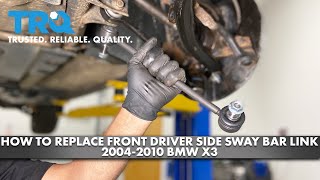
- Stabilizer Bar End Links: These are the number one failure point in the system and the most common cause of front-end clunks. They are considered a wear item. Always replace them in pairs.
- Stabilizer Bar Bushings: These rubber mounts hold the bar to the subframe. They wear out, allowing the bar to move and create a 'thudding' noise. They are inexpensive and should always be replaced when the bar is removed. Ensure you get the correct size bushing (22.5mm or 23.5mm) to match your bar.
Replacement Overview and Difficulty
The difficulty of this job depends entirely on what you are replacing.
- End Links & Bushings Only: Replacing just the end links and bushings is a straightforward job for a DIY mechanic with basic tools. It can typically be done in 1-2 hours.
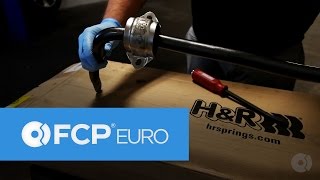
- Stabilizer Bar Replacement: Replacing the entire stabilizer bar is a much more involved and difficult job. On the E83 X3, the bar is routed over the top of the front subframe. To remove it, the subframe must be lowered. This requires supporting the engine from above with an engine support bar and using a jack to control the subframe. Because of this complexity, replacing the bar itself is a job best left to experienced mechanics.
Key Torque Specs
Proper torque is critical for suspension components. Always use a torque wrench for installation.
| Component | Torque Specification | Notes |
|---|---|---|
| Stabilizer End Link Nuts | 47 ft-lbs (64 Nm) | This is for the nuts connecting the link to the strut and the stabilizer bar. |
| Stabilizer Bar Bushing Brackets | ~22 ft-lbs (30 Nm) | This spec is from a similar era BMW; always tighten these bolts with the vehicle's weight on the suspension (on ramps or on the ground). |
Cost Comparison
Prices can vary based on brand and supplier, but this provides a general estimate for the parts required.
| Part | Estimated Cost |
|---|---|
| New OEM Stabilizer Bar (23.5mm) | $400 - $500 |
| New Aftermarket Stabilizer Bar | $250 - $400 (Often performance-oriented) |
| Used OEM Stabilizer Bar | $50 - $130 |
| New OEM-Brand End Links (Pair) | $50 - $80 |
| New Aftermarket End Links (Pair) | $40 - $120 |
| New Stabilizer Bar Bushings (Pair) | $20 - $40 |
| Shop Labor (Links/Bushings Only) | $100 - $200 |
| Shop Labor (Full Bar Replacement) | $400 - $700+ (Due to lowering the subframe) |
Frequently Asked Questions (FAQ)
Can I drive with a bad stabilizer bar link?
Yes, but with caution. A broken link will cause significant body roll in turns, which can compromise handling in an emergency. The clunking noise is the primary annoyance, but the change in stability is the main safety concern. It is recommended to have it replaced as soon as possible.
Do I need an alignment after replacing the stabilizer bar or links?
If you are only replacing the end links or bushings, an alignment is not necessary. However, if you are replacing the entire stabilizer bar, the procedure requires lowering the front subframe. Any time the subframe is loosened or moved, a full four-wheel alignment is required to ensure all suspension geometry is correct.
How do I know if I have the Sport Suspension?
You can use a free online VIN decoder and look for option code S226A (Sports suspension settings). The most reliable method is to physically measure the diameter of your current stabilizer bar with a caliper to see if it is 22.5mm (standard) or 23.5mm (sport).
Should I upgrade to a thicker aftermarket sway bar?
Upgrading to a thicker bar (like a 26mm aftermarket option) will further reduce body roll and make the handling feel flatter and more responsive in corners. However, it can also make the ride feel stiffer. For most drivers looking to restore the original feel of their X3, a correct-sized OEM bar (new or used) is the best choice. Performance upgrades are best for enthusiasts who prioritize handling over comfort.
🎬 Watch: Upgrading your BMW X3 front sway bar to reduce body rollHelpful Videos
Technical Specifications
OEM Part Numbers: 31303414713 31-30-3-414-713
Diameter: 23.5mm (for vehicles with Sport Suspension option S226A). A standard, thinner 22.5mm bar also exists for non-sport models.
We Have This Part in Stock


The information in this article is provided for general reference and educational purposes only. Vehicle specifications, procedures, and part compatibility can vary by production date, trim level, and region. Always consult your vehicle's factory service manual and verify part numbers before purchasing or performing repairs. Safety-critical components such as airbags, seat belts, and braking systems should be installed by a qualified professional.
- BMW X3:
- 🎬 Helpful Videos
- 🛍️ Shop This Part
- Symptoms of a Failing Stabilizer Bar System
- Clunking or Knocking Noises
- Poor Handling and Body Roll
- Known Issues, TSBs, and Recalls
- Buying a Used Suspension Stabilizer Bar
- What to Inspect on a Used Bar:
- Related Parts to Replace
- Replacement Overview and Difficulty
- Key Torque Specs
- Cost Comparison
- Frequently Asked Questions (FAQ)
- 🎟️ Get 5% Off