

2019-2025 Tesla Model S: Guide to Raven Adaptive Air Suspension Shock Failures
This guide covers common failure symptoms, diagnostic tips, and what to look for when buying a used adaptive air shock for your 2019-2025 Tesla Model S.
- These shocks are for the 2019+ 'Raven' adaptive air suspension only; they do not fit older Model S vehicles.
- The most common failure is an air leak from the rubber spring, causing the car to sag at one corner, not a failure of the internal damper.
- Before lifting the vehicle for any reason, you must enable 'Jack Mode' in the suspension settings to prevent damage to the system.
- Buying a used OEM shock is often a better value than a new aftermarket one, as it guarantees compatibility with the car's complex electronic controls.
Understanding the 'Raven' Suspension

In mid-2019, Tesla introduced a significant update to the Model S, codenamed 'Raven'. A key part of this update was a new, fully-adaptive air suspension designed in-house. This system replaced the previous suspension and offers more precise, faster control over both ride height and damping (stiffness). All 2019 and newer Model S vehicles, including Long Range and Plaid trims, are equipped with this 'Raven' adaptive suspension. It's important to know that parts for the Raven system are generally not interchangeable with pre-2019 models.
🎬 Watch: Rear air suspension replacement on older Model SCommon Symptoms of a Failing Shock Absorber

Because the Model S is so quiet, suspension noises are often more noticeable than in a gasoline-powered car. Failure can manifest in several ways, from simple noises to critical vehicle warnings.
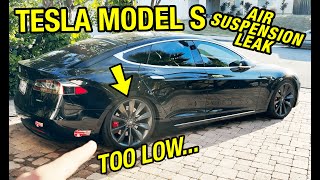
- Vehicle Sagging or Leaning: The most obvious sign of a problem is a visible drop in ride height at one corner, especially after being parked overnight. This almost always points to a leak in the air spring portion of the shock assembly.
- "Suspension System Fault" Warning: A yellow or red warning light on the instrument panel indicates the car's computer has detected a problem. This can be caused by a leak, a faulty sensor, or an electrical issue with the shock itself. A red warning may indicate the system is disabled and requires immediate attention.
- Excessive Air Compressor Noise: The air suspension compressor should be barely audible. If you hear it running loudly or for extended periods, it's likely overworking to compensate for a leak in one of the air struts. Ignoring this can lead to premature compressor failure.
- Clunking or Rattling Noises: A clunking or popping sound, especially at low speeds over bumps, can indicate a worn shock absorber. However, these noises can also be caused by other worn suspension components like control arm bushings or sway bar links, so proper diagnosis is important.
- Poor Ride Quality: A bouncy, harsh, or swaying ride can be a symptom of a failing shock absorber, as the damping function is compromised. This can also negatively affect braking performance.
Pro Tip: A single corner sagging overnight is a classic sign of a slow leak in that specific air strut. You can sometimes confirm a leak by spraying soapy water on the air strut and air line connections and looking for bubbles.
🎬 Watch: How to diagnose and fix a slow air leakKnown Issues, TSBs, and Recalls
As of early 2026, there are no active NHTSA safety recalls specifically for the shock absorbers on the 2019-2025 'Raven' Model S. However, Tesla's suspension systems on earlier models have faced scrutiny. NHTSA investigated front suspension fore link failures on 2015-2017 models but closed the investigation without a recall, determining the vehicles remained controllable after a failure. Tesla has also issued recalls in China for suspension components on older vehicles. While these do not directly apply to the 2019+ Raven models, they highlight a history of suspension component wear.
Some owners have reported issues with the electrical connector on the shock becoming damaged, allowing water to enter and cause a short, which generates a fault code and requires strut replacement.
Buying a Used Suspension Shock Absorber

For a complex, electronically controlled part like this, a high-quality used OEM unit is often a smarter choice than a cheap, new aftermarket part. Aftermarket units may lack the sophisticated adaptive damping control, leading to error messages and a compromised ride. A used OEM part ensures perfect integration with the vehicle's systems.
What to Inspect:
- Check for Leaks: The most critical inspection. Look for any oily residue on the main body of the shock. This indicates the internal hydraulic damper has failed. Also, check the rubber air spring bladder for any cracks, perishing, or powdery residue that could signal a past or present air leak.
- Inspect the Electrical Connector: Carefully check the plastic connector and pins. Any signs of corrosion, bent pins, or cracks in the connector housing are major red flags. A damaged connector often means the entire strut is unusable.
- Verify the Part Number: Compatibility is crucial. Raven suspension parts are not interchangeable with older models. Always match the OEM part number from your failed part to the used replacement. Part numbers are often position-specific (e.g., front left vs. rear right).
- Examine for Physical Damage: Look for any dents, deep scrapes, or bends in the shock body or mounting points. This could indicate the part came from a vehicle involved in a collision, and its integrity may be compromised.
- Check the Air Line Fitting: Ensure the threaded brass fitting for the air line is clean and the threads are not stripped or damaged.
Cost Breakdown
Replacing a Tesla Model S air strut can be expensive, making a used OEM part an attractive option. Prices can vary based on location and the specific part.
| Part Type | Estimated Cost (Per Unit) |
|---|---|
| New OEM (from Tesla) | $1,000 - $1,600 |
| New Aftermarket | $700 - $900 |
| Used OEM | $250 - $400 |
| Shop Labor | $300 - $600 per corner |
Note: Labor costs can vary significantly. Total replacement cost at a dealership or independent shop can range from $1,500 to over $4,000 for a single corner.
Replacement Overview & Difficulty
Replacing a Model S air strut is an advanced DIY job. It requires knowledge of suspension work and careful handling of the high-pressure air system.
- Difficulty: 4 out of 5
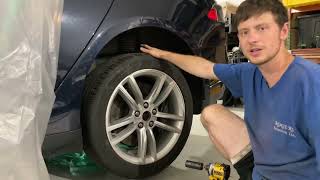
- Key Steps: The vehicle MUST be put into 'Jack Mode' or 'Service Mode' via the touchscreen before lifting. This deactivates the auto-leveling feature and prevents damage. The air spring must be safely depressurized before removing any bolts. This is often done by slightly loosening the air line fitting at the strut. After installation, the system will need to be re-pressurized, and a wheel alignment is highly recommended.
Warning: Never work under a vehicle supported only by a jack. Always use jack stands. The air suspension system can release pressure unexpectedly, causing the vehicle to drop.
Frequently Asked Questions (FAQ)
What is 'Raven' suspension and how do I know if I have it?
Raven is the codename for the updated powertrain and adaptive suspension introduced in mid-2019 for the Model S and X. If you have a 2019 or newer Model S (Long Range, Long Range Plus, or Plaid), you have the Raven adaptive suspension. These parts are not compatible with pre-2019 cars.
Do I need to replace the shocks in pairs?
For traditional shock absorbers, replacement in pairs on the same axle is always recommended for balanced handling. For the Model S air struts, if one has failed due to an air leak but is otherwise low mileage, replacing only the single failed unit is common. However, if the failure is due to high mileage and worn damping, replacing both sides is best practice.
What is 'Jack Mode' and why is it so important?
'Jack Mode' (or Service Mode) is a setting in the vehicle's 'Suspension' menu. It disables the automatic ride height adjustments. If you lift the car without enabling this mode, the suspension will try to self-level, which can cause the air springs to extend or retract unexpectedly, potentially damaging the components or creating an unsafe situation.
Will a used shock absorber need to be programmed to my car?
Generally, the shock absorber itself does not require programming. It is a plug-and-play component. However, after replacement, the system may need to have fault codes cleared or a ride height calibration performed with a compatible diagnostic tool to ensure everything functions correctly.
Helpful Videos
Technical Specifications
OEM Part Numbers: 1420361-00-G 1420366-00-C 1420366-00-E 1420366-00-G 1420461-00-F 1420466-00-F 1420467-00-D 1620361-00-C 1620361-00-D 1620361-00-E 1067361-25-C 1067461-25-C 1067466-25-C 1420461-99-C 1420461-00-D
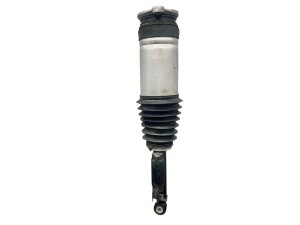
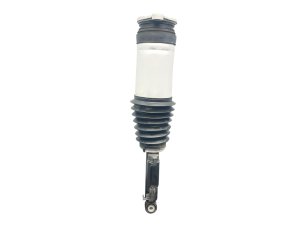
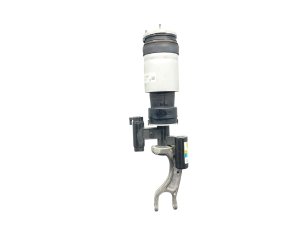
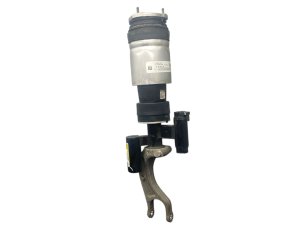
Electronically controlled adaptive air strut assembly. Integrates an air spring and an adaptive damper into a single unit. Specific to the 'Raven' platform introduced in mid-2019.
We Have This Part in Stock



The information in this article is provided for general reference and educational purposes only. Vehicle specifications, procedures, and part compatibility can vary by production date, trim level, and region. Always consult your vehicle's factory service manual and verify part numbers before purchasing or performing repairs. Safety-critical components such as airbags, seat belts, and braking systems should be installed by a qualified professional.
- Tesla S:
- 🎬 Helpful Videos
- 🛍️ Shop This Part
- Understanding the 'Raven' Suspension
- Common Symptoms of a Failing Shock Absorber
- Known Issues, TSBs, and Recalls
- Buying a Used Suspension Shock Absorber
- What to Inspect:
- Cost Breakdown
- Replacement Overview & Difficulty
- Frequently Asked Questions (FAQ)
- 🎟️ Get 5% Off