

2015-2023 Porsche Macan Shocks & Struts: Air Suspension vs. PASM vs. Standard
From common air suspension failures to telling the difference between PASM and standard shocks, here's what to know before you buy or replace.
- You MUST identify your suspension type before buying parts: Standard (no buttons), PASM (shock icon button), or Air Suspension (shock icon + ride height buttons). They are not interchangeable.
- The most common major failure is on the Air Suspension system, typically a leaking air spring causing the vehicle to sag and triggering a 'Chassis System Failure' warning.
- Always replace shock absorbers in pairs on the same axle (both front or both rear) to maintain balanced handling and safety.
- Replacement is a difficult (4/5) job that often requires a Porsche-specific scan tool for calibration, making it a challenging DIY task.
Understanding Your Macan's Suspension: Standard, PASM, or Air?

Before diagnosing a problem or buying a replacement shock or strut, you must identify which suspension your Macan is equipped with. These systems are not interchangeable, and installing the wrong part can lead to warning lights, poor handling, and further damage.
Warning: The most common mistake buyers make is purchasing the wrong type of shock absorber. Verify your vehicle's specific suspension system before ordering parts.
1. Standard Suspension (Base)
This is the non-adjustable, passive suspension system. It uses traditional coil springs and shock absorbers. There will be no buttons on the center console to adjust suspension firmness or ride height.
2. Porsche Active Suspension Management (PASM)
This is an electronically controlled damping system that actively adjusts the shock absorbers' firmness based on road conditions and the selected driving mode. Vehicles with PASM but without air suspension will have a button on the center console showing a single shock absorber icon. This allows the driver to switch between 'Comfort', 'SPORT', and 'SPORT PLUS' modes, making the ride softer or firmer. These shocks have an electrical connector to communicate with the vehicle's control module.
3. Air Suspension with PASM
This is the most advanced and complex system. It replaces the steel coil springs with rubber air springs (also called air bags) and includes the electronic PASM damping control. You can identify this system by two buttons on the center console: one with the shock absorber icon (for PASM) and another showing a car with up and down arrows (for ride height adjustment). This system offers the greatest range of comfort and performance, but it is also the most prone to specific failures.
Symptoms of Failure

Failure symptoms can vary significantly depending on your suspension type.
For All Suspension Types:
- Bouncy or Unstable Ride: The vehicle feels floaty and continues to bounce after hitting a bump.
- Nose-Diving and Squatting: The front end dips excessively during braking, or the rear end squats during acceleration.
- Clunking or Knocking Noises: Worn shock mounts or internal components can cause noise when going over bumps. Note that clunking can also be caused by worn control arm bushings, a known issue on the Macan.
- Visible Fluid Leaks: Oily residue on the body of the shock absorber indicates a blown seal, which is a definitive sign of failure.
Specific to Air Suspension:
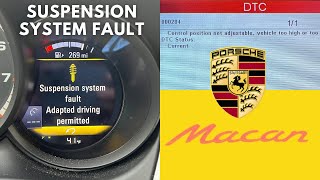
- "Chassis System Failure" Warning: This is a common message on the dashboard indicating a fault in the air suspension or PASM system. It requires a diagnostic scan to pinpoint the exact cause. 🎬 Watch: Diagnosing a Chassis System Failure and DTC 000284
- Vehicle Sagging: One or more corners of the Macan sit lower than the others, especially after being parked overnight. This is a classic sign of a leak in an air spring or air line.
- Compressor Running Excessively: If you hear the air suspension compressor running for long periods or more frequently than usual, it's likely working overtime to compensate for a leak in the system.
- Failure to Change Ride Height: The vehicle may be stuck at one height and will not raise or lower when the console button is pressed.
Known Issues, TSBs, and Recalls

While generally reliable, the Macan's suspension systems have some known issues, particularly the air suspension.
- Air Spring Leaks: The rubber air springs are the most common failure point. Over time, the rubber can degrade, crack, and develop small leaks, especially after 50,000 miles or in harsh climates.
- Ride Height Sensor Failure: These sensors tell the control module the position of each corner. They can get dirty, corroded, or the plastic linkage arm can break, leading to an uneven ride height and a "Chassis System Failure" warning.
- Recall AMA8 (NHTSA Campaign Number 21V189000): A small number of 2021 Macan models were recalled because the screw connections on the front and rear shock absorbers may not have been tightened correctly at the factory. This could lead to driving instability. Owners were advised to have dealers inspect and tighten the connections.
- Noises from Steering/Suspension Area: Several Technical Service Bulletins (TSBs) exist for noise complaints. TSB #122-X6C3S-01 addresses noises from the intermediate steering shaft, while others mention brake-related noises that could be mistaken for suspension issues.
Pro Tip: If you suspect an air leak, you can perform a simple test. Park the vehicle, measure the ride height at each corner (from the center of the wheel to the fender lip), and let it sit overnight. A noticeable drop in height at one or more corners confirms a leak. You can also spray soapy water on the air springs and air line connections; bubbling indicates the exact location of the leak.
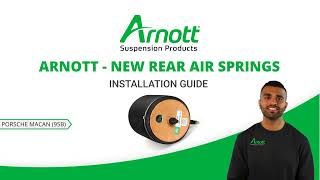
🎬 Watch: How to replace rear air springs on your MacanBuying a Used Macan Shock Absorber

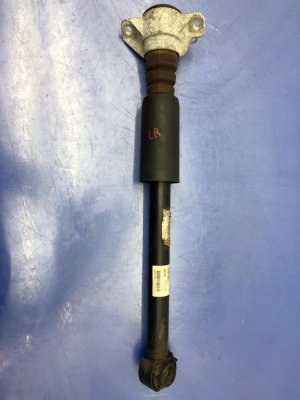
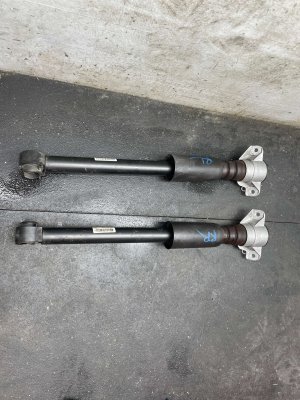
A used OEM shock absorber can be a great value, especially for the expensive electronic PASM and Air Suspension units. However, careful inspection is crucial.
1. Compatibility Verification is #1
First, confirm your suspension type using the console buttons. Then, match the part number exactly. Part numbers for these components are very specific. For example, part number 95B513035K is a rear shock for vehicles with PASM but without 4-corner air suspension. Part number 95B513035J is for vehicles with 4-corner air suspension. Always verify the part number from the specific part you are replacing.
2. Physical Inspection Checklist
- Check for Leaks: The most important check. Look for any oily film or wetness on the shock body. A leaking shock is a failed shock.
- Inspect the Air Spring (for Air Suspension): Carefully examine the rubber air bag for any cracks, perishing, or signs of dry rot, especially in the folds. Do not buy a used air strut if the rubber looks compromised.
- Examine Electrical Connectors: For PASM and Air Suspension shocks, ensure the electrical connector and wiring are intact, with no bent pins, corrosion, or cut wires.
- Check Mounting Points: Inspect the upper and lower mounting points for any signs of damage, stress fractures, or excessive corrosion that could compromise installation.
- Assess Mileage and Condition: Shocks are wear items. A unit from a low-mileage (under 60,000 miles) vehicle is ideal. Be wary of parts from high-mileage vehicles, as they may be near the end of their service life.
3. Used OEM vs. New Aftermarket
For complex systems like PASM and Air Suspension, a high-quality used OEM part is often a better choice than a cheap, new aftermarket unit. The OEM parts are designed to integrate perfectly with Porsche's electronic control systems. While reputable aftermarket brands like Bilstein (an OEM supplier) and Arnott exist and offer quality alternatives, they can still be expensive. Inexpensive, no-name aftermarket electronic shocks often fail prematurely or do not communicate correctly with the vehicle, leading to warning lights and a poor ride.
Cost Comparison
Replacing Macan shock absorbers can be expensive, especially for the electronic versions. Prices vary by suspension type and whether you choose OEM, aftermarket, or used parts.
| Part / Service | Estimated Cost (per corner) |
|---|---|
| New OEM (Air Strut) | $1,000 - $1,400 |
| New OEM (PASM Shock) | $750 - $1,000 |
| New Aftermarket (Arnott/Bilstein Air Strut) | $650 - $1,000 |
| Used OEM (Air Strut or PASM Shock) | $250 - $500 |
| Shop Labor (per corner) | $200 - $400 |
Note: Labor costs can vary significantly by location and shop. An alignment is required after replacement, adding to the total cost.
Replacement Information

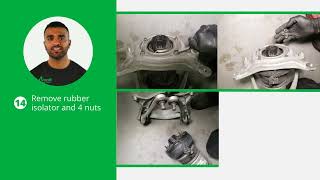
- Difficulty: 4 out of 5. This is a complex job for a DIY mechanic. The front suspension is a multi-link design that can be challenging to disassemble. 🎬 See this walkthrough for installing front air struts
- Special Tools: A robust spring compressor is needed for non-air suspension struts. For air suspension, a Porsche-specific diagnostic tool (like a PIWIS tester) is often required to safely depressurize the system before work begins and to perform ride height calibration after the new part is installed.
- DIY Feasibility: Not recommended for beginners. Due to the complexity and the need for special tools and calibration, this job is best left to experienced DIYers or a professional shop.
Frequently Asked Questions (FAQ)
Do I need to replace my shocks in pairs?
Yes. Shock absorbers should always be replaced in pairs on the same axle (both front or both rear). Replacing only one can lead to unbalanced handling, uneven tire wear, and unpredictable vehicle behavior.
What does the "Chassis System Failure" warning mean?
This is a generic fault message for the PASM and/or Air Suspension system. The cause can range from a simple blown fuse or a bad sensor to a leaking air spring or a failed compressor. A diagnostic scan is necessary to retrieve the specific fault codes and identify the problem.
Can I upgrade my standard suspension to Air Suspension?
While technically possible, it is not practical. It would require swapping not only the shocks and springs but also adding the compressor, air tank, lines, height sensors, control module, and center console switches, plus extensive vehicle programming. The cost would be prohibitive.
Is an alignment necessary after replacing shocks or struts?
Yes, absolutely. Replacing any major suspension component like a strut will alter the vehicle's alignment angles (camber, caster, and toe). A four-wheel alignment is required to ensure proper handling, prevent premature tire wear, and ensure safety systems like stability control function correctly.
Helpful Videos

Technical Specifications
OEM Part Numbers: 95B513035 95B513035A 95B513035E 95B513035F 95B513035G 95B513035H 95B513035J 95B513035K 95B616001A 95B616001B 95B616001C 95B616001D 95B616001F 95B616002C 95B616002D
Fitment is dependent on suspension type: Standard (passive), PASM (electronically adjustable damping), or Air Suspension with PASM (electronically adjustable damping and ride height). Part numbers must be matched precisely to the vehicle's equipped options.
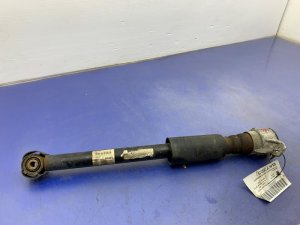
We Have This Part in Stock


The information in this article is provided for general reference and educational purposes only. Vehicle specifications, procedures, and part compatibility can vary by production date, trim level, and region. Always consult your vehicle's factory service manual and verify part numbers before purchasing or performing repairs. Safety-critical components such as airbags, seat belts, and braking systems should be installed by a qualified professional.
- Porsche Macan:
- 🎬 Helpful Videos
- 🛍️ Shop This Part
- Understanding Your Macan's Suspension: Standard, PASM, or Air?
- 1. Standard Suspension (Base)
- 2. Porsche Active Suspension Management (PASM)
- 3. Air Suspension with PASM
- Symptoms of Failure
- For All Suspension Types:
- Specific to Air Suspension:
- Known Issues, TSBs, and Recalls
- Buying a Used Macan Shock Absorber
- 1. Compatibility Verification is #1
- 2. Physical Inspection Checklist
- 3. Used OEM vs. New Aftermarket
- Cost Comparison
- Replacement Information
- Frequently Asked Questions (FAQ)
- 🎟️ Get 5% Off