

1989-1995 Toyota 4Runner Rear Upper Control Arm: Fixing Clunks & Wandering
Your definitive guide to diagnosing, inspecting, and replacing the rear upper control arms on 2nd Gen Toyota 4Runners to restore stability and quiet the ride.
- The primary failure point is the rubber bushings, not the steel arm itself. When buying used, bushing condition is the most important factor.
- Symptoms typically include clunking noises from the rear over bumps, a wandering or unstable feeling at speed, and uneven tire wear.
- There are no specific recalls for this part, but rusted mounting bolts are the biggest challenge during replacement.
- Final torque on the mounting bolts MUST be applied with the vehicle's full weight on the suspension to prevent premature bushing failure.
Symptoms of a Failing Rear Upper Control Arm
When the rear upper control arms or their bushings wear out, the rear axle can move in ways it shouldn't. This leads to several distinct symptoms that are often easy to notice from the driver's seat.
Clunking or Knocking Noises
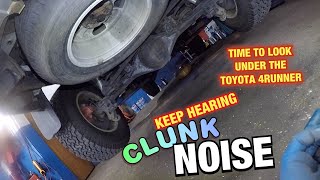
This is the most common sign of a bad control arm bushing. You will likely hear a clunking, popping, or banging sound coming from the rear of the vehicle. The noise is most obvious when driving over bumps, potholes, or on uneven roads. 🎬 Watch: Hear what a rear-end clunking noise sounds like It can also occur when you accelerate or brake hard. The sound is caused by the metal inner sleeve of the worn-out bushing moving around and hitting the control arm or the mounting bolts.
Vague or Wandering Rear End
A feeling of instability or 'looseness' from the rear of the truck is a major red flag. You might feel like you have to constantly make small steering corrections to keep the 4Runner driving in a straight line. This happens because the worn bushings allow the rear axle to shift slightly, causing the vehicle to wander and feel less predictable, especially at highway speeds.
Uneven Tire Wear
Worn control arm bushings allow for unwanted movement in the rear suspension, which directly affects the vehicle's alignment. This can cause the rear tires to wear down unevenly, often on the inside or outside edges. If you notice unusual tire wear patterns, it's a strong indicator that a suspension component, like a control arm bushing, has failed.
Known Issues, Recalls, and TSBs for 1989-1995 4Runners
For a vehicle of this age, common knowledge from owners and mechanics is often more valuable than formal service bulletins.
- Bushing Failure is Primary Cause: The control arm itself is a sturdy piece of steel; it's the rubber bushings at each end that fail. Over decades, the rubber cracks, rots, and tears, creating excessive play.
- No Recalls for Rear Control Arms: There have been no safety recalls issued specifically for the rear suspension control arms on the 1989-1995 4Runner. A well-known recall (NHTSA Campaign 05V389000) for this generation concerned the front steering relay rod, not the rear suspension.
- Rusted Mounting Bolts: The biggest challenge during replacement is often not the part itself, but the hardware holding it in. The bolts that pass through the bushings and attach the arm to the frame and axle are highly susceptible to rusting in place. This can turn a simple job into a difficult one requiring heat, penetrating oil, and heavy-duty tools.
Warning: Before replacing control arms, carefully inspect the mounting points on the vehicle's frame for rust. Severe frame rust is a common and serious problem on these 4Runners. If the area where the control arm mounts is compromised, replacing the arm will not fix the safety issue.
Buying a Used Rear Upper Control Arm: What to Inspect
A high-quality used OEM control arm can be a better choice than a cheap, new aftermarket part. The original Toyota rubber bushings are very durable, and an arm from a dry, low-mileage vehicle can provide many years of service. Here’s what to check:
- Inspect the Bushings: This is the most important check. Look for deep cracks, dry rot, or any signs that the rubber is separating from the inner or outer metal sleeves. Use a pry bar to check for excessive play. A good used arm will have firm, intact bushings.
- Check for Bends and Damage: Look down the length of the arm to ensure it is perfectly straight. Any bend indicates it was likely damaged in a collision or from extreme off-road use and should be rejected.
- Examine for Rust: Surface rust is normal, but avoid any arm with heavy, flaking rust or corrosion that could weaken the metal, especially around the welds and bolt holes.
- Verify Bolt Holes: The holes at each end of the arm should be round. If they are oval or elongated, it means the arm has been subjected to extreme forces and is no longer safe to use.
Cost Comparison: New vs. Used Control Arms
Prices can vary based on supplier and location, but this provides a general idea of what to expect.
| Part Type | Estimated Price (per arm) | Notes |
|---|---|---|
| New OEM | $115 - $177 | Highest quality and durability, but most expensive. |
| New Aftermarket | $30 - $80 | Quality varies significantly by brand. Bushings may not last as long as OEM. |
| Used OEM | $40 - $75 | Excellent value if the bushings are in good condition. Often a better choice than cheap aftermarket. |
| Shop Labor | $150 - $300 | Assumes 1-2 hours of labor. Cost can increase significantly if bolts are seized. |
Replacement Overview & Difficulty
Replacing a rear upper control arm is a straightforward job that can be done by a DIY mechanic, but it can become difficult if you encounter rusted bolts.
- Difficulty Rating: 3 out of 5
- Estimated Time: 1.5 hours per side (without rust issues)
- Tools Needed: Jack and jack stands, metric socket set (17mm is common), breaker bar or impact wrench, torque wrench, pry bar. A ratchet strap can be helpful to align bolt holes.
Pro Tip: Do not fully tighten the control arm bolts until the vehicle's full weight is back on its wheels. Tightening the bolts with the suspension hanging will preload the new bushings and cause them to fail very quickly. Lower the vehicle onto ramps or its wheels, then crawl underneath to perform the final torque.
Frequently Asked Questions (FAQ)
Do I need to replace both rear upper control arms at the same time?
It is highly recommended. If one control arm's bushings have failed due to age and mileage, the other side is likely in similar condition. Replacing them in pairs ensures balanced handling and saves you from having to do the same job again soon.
Should I replace just the bushings or the entire control arm?
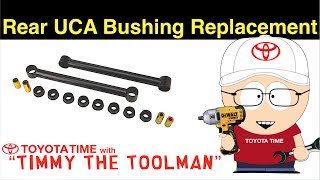
For most DIY mechanics, replacing the entire arm is easier and more practical. The old bushings are pressed into the arm and require a hydraulic shop press 🎬 See this walkthrough: How to press out and replace bushings to remove and install new ones. Considering the low cost of a complete new aftermarket or good used OEM arm, buying the full assembly saves significant time and effort.
Is a wheel alignment needed after replacing rear control arms?
Yes, an alignment is recommended. While the upper arms have less effect on alignment than the lower arms or track bar, replacing any major suspension component can alter the axle's position. An alignment will ensure proper handling and prevent premature tire wear.
My clunking noise didn't go away. What else could it be?
Clunking noises from the rear can also be caused by worn lower control arm bushings, a loose track bar (panhard bar), worn sway bar end links, bad shock absorber bushings, or even a loose spare tire or jack. If new control arms don't solve the problem, inspect these other components carefully.
Helpful Videos
Technical Specifications
OEM Part Numbers: 48710-35050 48710-35010
Fits rear upper position on models with coil spring rear suspension. Two are required per vehicle.
We Have This Part in Stock


The information in this article is provided for general reference and educational purposes only. Vehicle specifications, procedures, and part compatibility can vary by production date, trim level, and region. Always consult your vehicle's factory service manual and verify part numbers before purchasing or performing repairs. Safety-critical components such as airbags, seat belts, and braking systems should be installed by a qualified professional.
- Toyota 4Runner:
- 🎬 Helpful Videos
- 🛍️ Shop This Part
- Symptoms of a Failing Rear Upper Control Arm
- Clunking or Knocking Noises
- Vague or Wandering Rear End
- Uneven Tire Wear
- Known Issues, Recalls, and TSBs for 1989-1995 4Runners
- Buying a Used Rear Upper Control Arm: What to Inspect
- Cost Comparison: New vs. Used Control Arms
- Replacement Overview & Difficulty
- Frequently Asked Questions (FAQ)
- 🎟️ Get 5% Off