

2014-2016 Mazda6 Front Control Arm: Diagnosing Clunks, Creaks, and Steering Wander
This guide covers the common failure symptoms, known issues, and replacement costs for the front lower control arm on the 2014-2016 Mazda6.
- The most common failure symptom is a clunking or creaking noise from the front suspension over bumps and during low-speed turns.
- A wheel alignment is mandatory after replacing a control arm to prevent unsafe handling and rapid tire wear.
- Mazda issued a Technical Service Bulletin (TSB 02-002/18) for creaking noises from the front lower arm bushings, confirming this is a known issue.
- When replacing, bolts for the rubber bushings must be torqued with the vehicle's weight on the suspension (at ride height) to prevent premature failure.
Symptoms of a Failing Control Arm

A bad control arm on a 2014-2016 Mazda6 typically means its bushings or the integrated ball joint have failed. This failure will produce distinct noises and handling problems.
Clunking or Knocking Noises
The most common symptom is a clunking, popping, or knocking sound from the front of the car. This noise is most apparent when driving at low speeds over bumps, through dips like driveways, or when turning the steering wheel in a parking lot. The sound is caused by excessive play in the worn bushings or ball joint, allowing metal components to make contact.
Steering Wander and Pulling
If you find yourself constantly making small corrections to keep the car driving straight, a worn control arm could be the cause. When the bushings fail, they can no longer hold the wheel in its correct alignment, causing the car to feel loose or wander and pull to one side.
Vibrations Through the Steering Wheel
Worn control arm components can cause vibrations that you feel in the steering wheel, especially at higher speeds. As the bushings lose their ability to absorb road impacts, these vibrations are transferred into the car's cabin and steering system.
🎬 Watch: Diagnosing clunking noises and steering wheel vibrations on your Mazda.Uneven Tire Wear
A visual sign of a failing control arm is uneven wear on your front tires. Because the arm can no longer hold the wheel perfectly upright, the tire may lean in or out, causing accelerated wear on the inside or outside edge of the tread.
Known Issues, TSBs, and Recalls

The front lower control arm bushings are a known weak point on this generation of Mazda6.
TSB for Creaking Lower Arm Bushings
Mazda issued Technical Service Bulletin (TSB) 02-002/18, which supersedes several earlier versions, to address a "CREAKING NOISE FROM FRONT LOWER ARM BUSHING" on 2014-2016 Mazda6 vehicles. The bulletin acknowledges that a creaking noise can come from the front end at low speeds, especially on wet roads, due to the original bushing design. The fix involves replacing the bushings with improved parts. This TSB confirms that bushing failure is a recognized issue by the manufacturer.
Related Suspension Recall: Front Strut Bolts
While not a recall for the control arm itself, it's important to be aware of Safety Recall 9316D (NHTSA ID: 16V203). This recall was issued for some 2014-2016 Mazda vehicles because the lower mounting bolts connecting the front strut to the steering knuckle could loosen and fall off. This can cause a rattling noise similar to a bad control arm and, in a worst-case scenario, lead to a separation of the knuckle and a loss of steering control. Before replacing a control arm for a rattling noise, it is wise to ensure these critical bolts are present and properly tightened.
Pro Tip: Before assuming the control arm is the problem, inspect the front sway bar end links. Worn end links are a very common cause of clunking noises on these cars and are much cheaper and easier to replace.
🎬 See this step-by-step guide for replacing worn sway bar end links.Buying a Used Suspension Control Arm

For this specific part, a high-quality used OEM control arm can be a smart purchase compared to a cheap aftermarket alternative. The original Mazda parts often use higher-grade rubber and steel, providing better durability and fitment. When inspecting a used arm, focus on these areas:
- Main Bushings: This is the most critical inspection. The large rubber bushings are the most common failure point. Look for any cracks, tears, dry rot, or separation of the rubber from the metal sleeve. The rubber should be firm and intact.
- Ball Joint: The ball joint is integrated into the arm. Ensure its rubber boot is not torn or leaking grease. Try to move the ball joint stud by hand; there should be no noticeable play or looseness.
- Structural Integrity: Check the arm for any signs of bending, heavy corrosion, or damage from an accident. A bent arm will make a proper wheel alignment impossible.
A used OEM arm with healthy bushings and a tight ball joint is often a superior choice to a new, low-cost aftermarket part which may use inferior materials that wear out quickly.
Cost of Replacement
The cost to replace a front lower control arm can vary significantly between doing it yourself, using an independent shop, or going to a dealership.
| Part/Service | Estimated Cost | Notes |
|---|---|---|
| New OEM Part | $240 - $355 (per side) | Price from online Mazda dealers and MSRP. Comes as a complete assembly with bushings and ball joint. |
| New Aftermarket Part | $55 - $110 (per side) | Prices from major auto parts retailers. Quality can vary widely. |
| Used OEM Part | $75 - $150 (per side) | Price depends on condition and supplier. Inspection is critical. |
| Shop Labor | $200 - $450 (per side) | Labor is typically 1.5-2.5 hours per side. A dealership quote for replacing both arms was reported as high as $1,775. |
| Wheel Alignment | $100 - $180 | This is a mandatory step after replacing a control arm. |
Replacement Overview & Torque Specs
Replacing the control arm is a feasible DIY job for someone with mechanical experience and the right tools. A wheel alignment is required immediately after the job is complete.
Warning: The control arm bushing bolts must be torqued only when the suspension is compressed to its normal ride height. Tightening these bolts while the wheel is hanging in the air will bind the bushings, causing them to tear and fail very quickly.
Key Steps:
- Safely raise and support the vehicle and remove the front wheel.
- Remove the pinch bolt that clamps the ball joint stud into the steering knuckle.
- Use a pry bar or ball joint separator to free the ball joint from the knuckle.
- Remove the two large bolts that secure the control arm bushings to the vehicle's subframe.
- Install the new arm, but only hand-tighten the bushing bolts.
- Re-insert the ball joint into the knuckle and tighten the pinch bolt.
- With the new arm installed, use a floor jack under the arm to lift the suspension to its normal ride height before torquing the main bushing bolts to spec. 🎬 Watch: A complete walkthrough of the front control arm replacement process.
Torque Specifications:
- Front Bushing Bolt (to subframe): 110 - 180 ft-lbs (sources vary, a detailed video guide specifies the higher end)
- Rear Bushing Bolts (to subframe): 110 ft-lbs
- Ball Joint Pinch Bolt: 40 ft-lbs
Frequently Asked Questions
Can I just replace the bushings instead of the whole control arm?
Yes, the bushings are available separately and can be replaced. However, this requires a hydraulic shop press to remove the old bushings and install the new ones. For most DIY mechanics, and even many shops, replacing the entire control arm assembly is faster, easier, and ensures you also get a new ball joint.
Is a wheel alignment really necessary after replacing a control arm?
Yes, absolutely. The control arm is a primary component that dictates wheel alignment angles. Replacing it will alter the alignment, and failing to have it professionally aligned will result in poor handling and rapid, uneven tire wear.
How long do control arms last on a 2014-2016 Mazda6?
The lifespan depends heavily on road conditions. Owners report failures starting around 90,000 to 100,000 miles, which is a typical lifespan for these parts. The existence of a TSB for the bushings suggests they can fail prematurely, especially on rough roads.
My car clunks, but the control arm looks fine. What else could it be?
The most common alternative is a worn sway bar end link, which creates a similar clunking noise over bumps. Other possibilities include a worn strut mount, a bad tie rod end, or the loose strut-to-knuckle bolts mentioned in recall 9316D.
Helpful Videos
Technical Specifications
OEM Part Numbers: GHP9-34-350J GHP9-34-350E GHP9-34-350C GHP9-34-350B GHP9-34-350A GHP9-34-300J GHP9-34-300E GHP9-34-300C GHP9-34-300B GHP9-34-300A
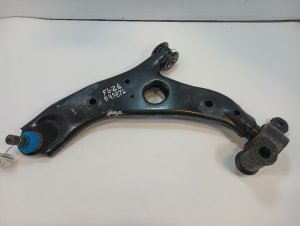
The front lower control arm for the 2014-2016 Mazda6 is a single, A-shaped arm that includes two pre-installed rubber bushings for mounting to the subframe and one pre-installed ball joint for connecting to the steering knuckle.
We Have This Part in Stock

The information in this article is provided for general reference and educational purposes only. Vehicle specifications, procedures, and part compatibility can vary by production date, trim level, and region. Always consult your vehicle's factory service manual and verify part numbers before purchasing or performing repairs. Safety-critical components such as airbags, seat belts, and braking systems should be installed by a qualified professional.
- Mazda Mazda6:
- 🎬 Helpful Videos
- 🛍️ Shop This Part
- Symptoms of a Failing Control Arm
- Clunking or Knocking Noises
- Steering Wander and Pulling
- Vibrations Through the Steering Wheel
- Uneven Tire Wear
- Known Issues, TSBs, and Recalls
- TSB for Creaking Lower Arm Bushings
- Related Suspension Recall: Front Strut Bolts
- Buying a Used Suspension Control Arm
- Cost of Replacement
- Replacement Overview & Torque Specs
- Key Steps:
- Torque Specifications:
- Frequently Asked Questions
- 🎟️ Get 5% Off