

Diagnosing Clunks and Creaks: A Guide to 2006-2016 Mazda 6 Control Arms
This in-depth guide covers the common failure symptoms, generation-specific recalls, and critical compatibility differences for Mazda 6 front lower control arms.
- Compatibility is critical: The 2006-2016 period covers three different Mazda 6 generations with non-interchangeable control arms.
- Check for recalls and TSBs: 2nd Gen (2009-13) models have a subframe rust recall, while 3rd Gen (2014-16) models have a TSB for creaking bushings.
- Listen for clunks and creaks: These noises, especially over bumps or when turning, are the most common symptoms of a failing control arm.
- Used OEM is often better than new aftermarket: Cheap aftermarket arms are known to fail quickly; a well-inspected used OEM part is often a more durable and reliable choice.
- An alignment is mandatory after replacement to prevent unsafe handling and rapid tire wear.
Critical Compatibility Warning: Not All 2006-2016 Mazda 6 Arms Are the Same
The 2006-2016 model years span three distinct generations of the Mazda 6, and their front suspension components are not interchangeable. Using the wrong part can lead to improper fit, poor handling, and unsafe driving conditions. It is crucial to identify your specific vehicle generation before purchasing a replacement.
- 1st Generation (2006-2008): This includes the standard Mazda 6 and the high-performance Mazdaspeed6 (2006-2007). The Mazdaspeed6 uses unique control arms designed for its all-wheel-drive system that are different from the standard front-wheel-drive models. Replacement on these cars can be more complex, sometimes requiring the front subframe to be partially lowered to access bolts.
- 2nd Generation (2009-2013): These models have their own specific control arm design. They are also subject to a major recall for subframe corrosion in certain states, which directly impacts the control arm's mounting point.
- 3rd Generation (2014-2016): This generation introduced a new chassis and suspension geometry. These control arms are a common source of noise and were subject to a Technical Service Bulletin (TSB) for creaking bushings.
Warning: The OEM part numbers provided in some databases can be misleading. For example, numbers starting with 'G46C' are often listed for this year range but actually fit 2018 and newer models. Always verify the part number with your vehicle's VIN through a dealership or trusted parts supplier.
Known Issues, Recalls, and Technical Service Bulletins (TSBs)
2nd Gen (2009-2013): Front Subframe Corrosion Recall
NHTSA Recall 18V-631 (Mazda ID 2818I): This critical recall applies to vehicles sold or registered in salt-belt states. The front subframe (crossmember) can corrode severely, weakening the mounting point for the passenger-side lower control arm. This can cause a sudden change in steering alignment and loss of vehicle control, increasing the risk of a crash. Mazda dealers were instructed to inspect the subframe and either apply protective coatings or replace the entire crossmember free of charge.
3rd Gen (2014-2016): Creaking Bushing TSB
TSB 02-001/15 (later updated): Owners of these models may notice a distinct creaking or groaning noise from the front suspension, especially at low speeds (12-25 mph) when driving over bumps on wet roads or after a car wash. This noise is caused by the front lower control arm bushings. The TSB instructs technicians to replace the original bushings with an improved, modified part to resolve the noise.
Symptoms of a Failing Control Arm
A worn or damaged control arm will give several clear warning signs. The most common failures are worn rubber bushings or a failing ball joint.
- Clunking or Knocking Noises: This is the most frequent complaint. You may hear a loud clunk or knock from the front end when driving over bumps, potholes, or uneven pavement. This sound is often the result of excessive play in a worn ball joint or bushing.
- Creaking or Squeaking Sounds: A persistent creaking or groaning, especially when turning the steering wheel at low speeds or going over speed bumps, often points to a dry ball joint or worn-out bushings. On 2014-2016 models, this is a known issue addressed by a TSB.
- Steering Wheel Vibration or Shimmy: Worn control arm components can cause the wheel to oscillate, sending vibrations through the steering wheel, particularly at higher speeds.
- Vague or Wandering Steering: If the car feels unstable, requires constant steering corrections to stay in a straight line, or pulls to one side, it's a strong indication that worn bushings are allowing the wheel alignment to shift dynamically.
- Uneven Tire Wear: A bad control arm will ruin your wheel alignment. Check your front tires for excessive wear on the inner or outer edges, which is a classic sign of alignment problems caused by worn suspension parts.
Buying a Used Suspension Control Arm: What to Look For
Given the high cost of new OEM control arms, a high-quality, low-mileage used OEM part can be an excellent value. However, careful inspection is key. Avoid cheap new aftermarket arms, as many owners and technicians report they fail very quickly—sometimes in less than a year. Used OEM parts generally offer superior materials, fitment, and durability.
- Inspect the Ball Joint: The ball joint is the most critical component. The rubber boot should be intact, with no rips, tears, or signs of leaking grease. Grab the threaded stud of the ball joint and try to move it. It should be stiff and difficult to move by hand. If it's loose, floppy, or has any noticeable play, the part is worn out and should be rejected.
- Check the Bushings: Examine the large rubber bushings where the arm mounts to the frame. Look for significant cracks, tearing, or deterioration. Minor surface-level cracking can be normal with age, but deep splits or rubber that is separating from the metal sleeve means the bushing is bad.
- Look for Bends and Cracks: Inspect the metal arm itself for any signs of bending, heavy scraping, or cracking. A bent arm is a sign the donor vehicle was in an accident, and the part is unsafe to use.
- Verify Compatibility: Double-check that the part came from the exact same generation of Mazda 6 as yours. As noted, arms from different generations will not fit.
Replacement Overview and Pro Tips
Replacing a front lower control arm is a feasible DIY job for someone with mechanical experience and the right tools, but it can be challenging. The general process for a 3rd Gen (2014-2016) model is as follows:
- Lift the vehicle and secure it on jack stands, then remove the wheel.
- Remove any plastic underbody shields to gain access to the control arm bolts.
- Loosen and remove the pinch bolt that secures the ball joint stud to the steering knuckle. A pry bar may be needed to separate the arm from the knuckle.
- Unbolt the two or three bolts securing the control arm bushings to the vehicle's subframe.
- Maneuver the old arm out and install the new one, starting all bolts by hand.
Pro Tip: Do NOT fully tighten the bushing bolts until the vehicle's full weight is on the suspension. To do this, either lower the car onto ramps or use a jack to lift the steering knuckle to its normal ride height. Tightening the bolts while the suspension is hanging will preload the bushings, causing them to tear and fail prematurely.
| Fastener | Torque Specification |
|---|---|
| Ball Joint Pinch Bolt | 40 ft-lbs (54 Nm) |
| Front Control Arm Bolt (to subframe) | 180 ft-lbs (244 Nm) |
| Rear Control Arm Bolts (to subframe) | 110 ft-lbs (149 Nm) |
Warning: A professional wheel alignment is mandatory after replacing a control arm. Skipping this step will result in poor handling, unsafe driving characteristics, and rapid tire wear.
Cost of Replacing a Mazda 6 Control Arm
Prices can vary significantly based on the part source and labor rates. Replacing the entire arm is almost always more cost-effective than pressing out and replacing individual bushings.
| Item | Estimated Cost (Per Side) |
|---|---|
| New OEM Part | $280 - $355 |
| New Aftermarket Part | $60 - $150 |
| Used OEM Part | $75 - $175 |
| Shop Labor | $150 - $220 |
| Wheel Alignment | $100 - $180 |
Frequently Asked Questions
Should I replace control arms in pairs?
Yes, it is highly recommended. Suspension components wear at similar rates, so if one side has failed, the other is likely not far behind. Replacing them in pairs ensures balanced handling and saves you from having to do the job twice.
Can I just replace the bushings or ball joint instead of the whole arm?
While some aftermarket bushings are sold separately, they require a hydraulic press to remove the old ones and install the new ones. The ball joints are typically integrated into the arm and not sold separately by Mazda. Considering the added labor, it is almost always more practical and cost-effective to replace the entire control arm assembly, which includes new bushings and a new ball joint.
Why is a used OEM arm often better than a new aftermarket one?
Many technicians and owners have found that inexpensive aftermarket control arms use lower-quality rubber for the bushings and less durable ball joints, leading to premature failure. A genuine Mazda OEM part, even if used, is built to higher standards of material quality and fitment, often providing a longer service life than a cheap new alternative.
What other parts should I inspect or replace at the same time?
When replacing control arms, it's a good time to inspect other nearby suspension components. Check the sway bar end links for play, as they are often removed during the process and are a common wear item. Also inspect the struts/shocks for leaks and the tie rod ends for any looseness.
Technical Specifications
OEM Part Numbers: GHP9-34-300 GHP9-34-300A GHP9-34-300B GHP9-34-300C GHP9-34-300E GHP9-34-300J GHP9-34-300M GHP9-34-300N GHP9-34-350A GHP9-34-350B GHP9-34-350C GHP9-34-350E GHP9-34-350J GHP9-34-350M GHP9-34-350N Note: The 'G46C...' series part numbers often mis-cataloged for this range typically fit 2018+ models. Always verify with VIN.
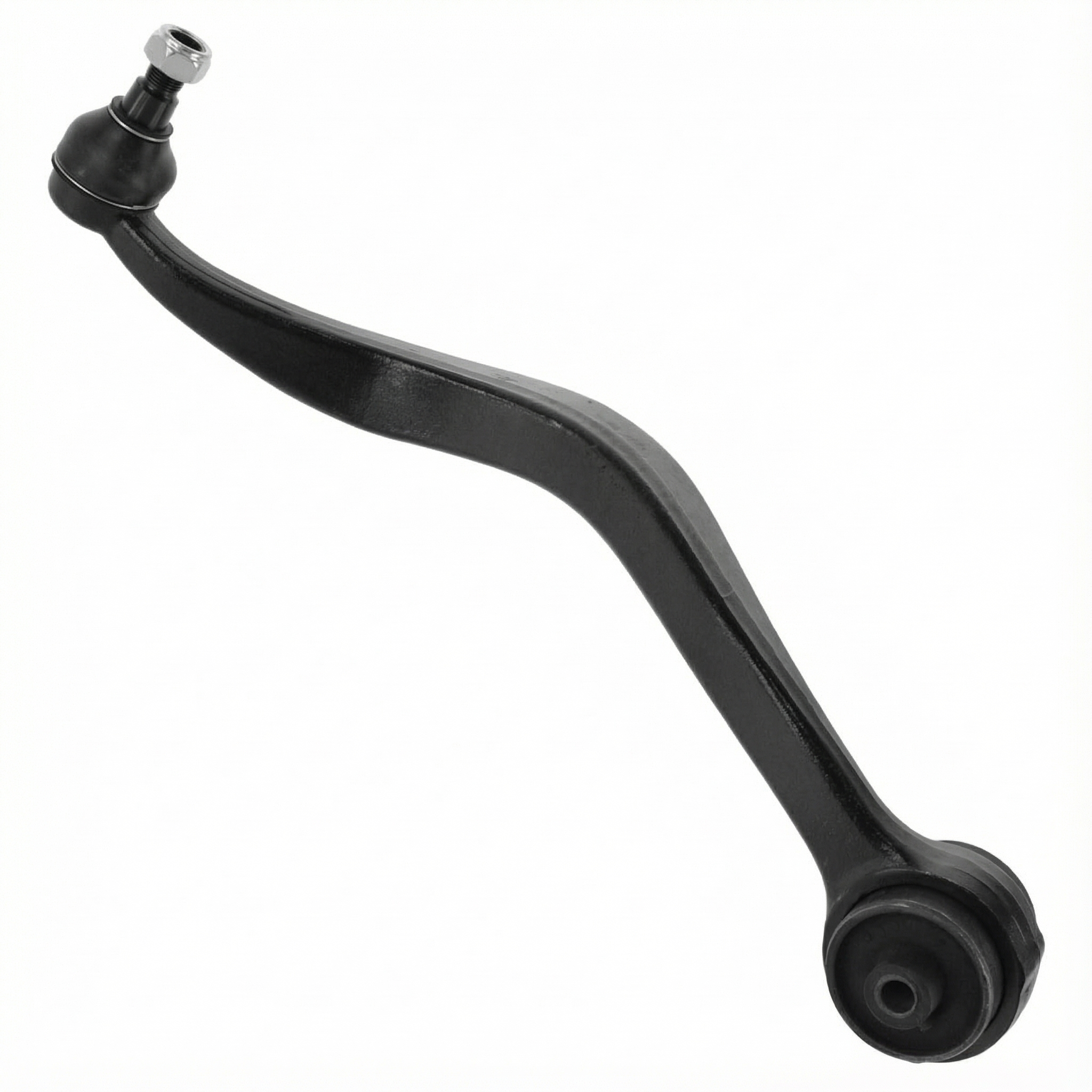
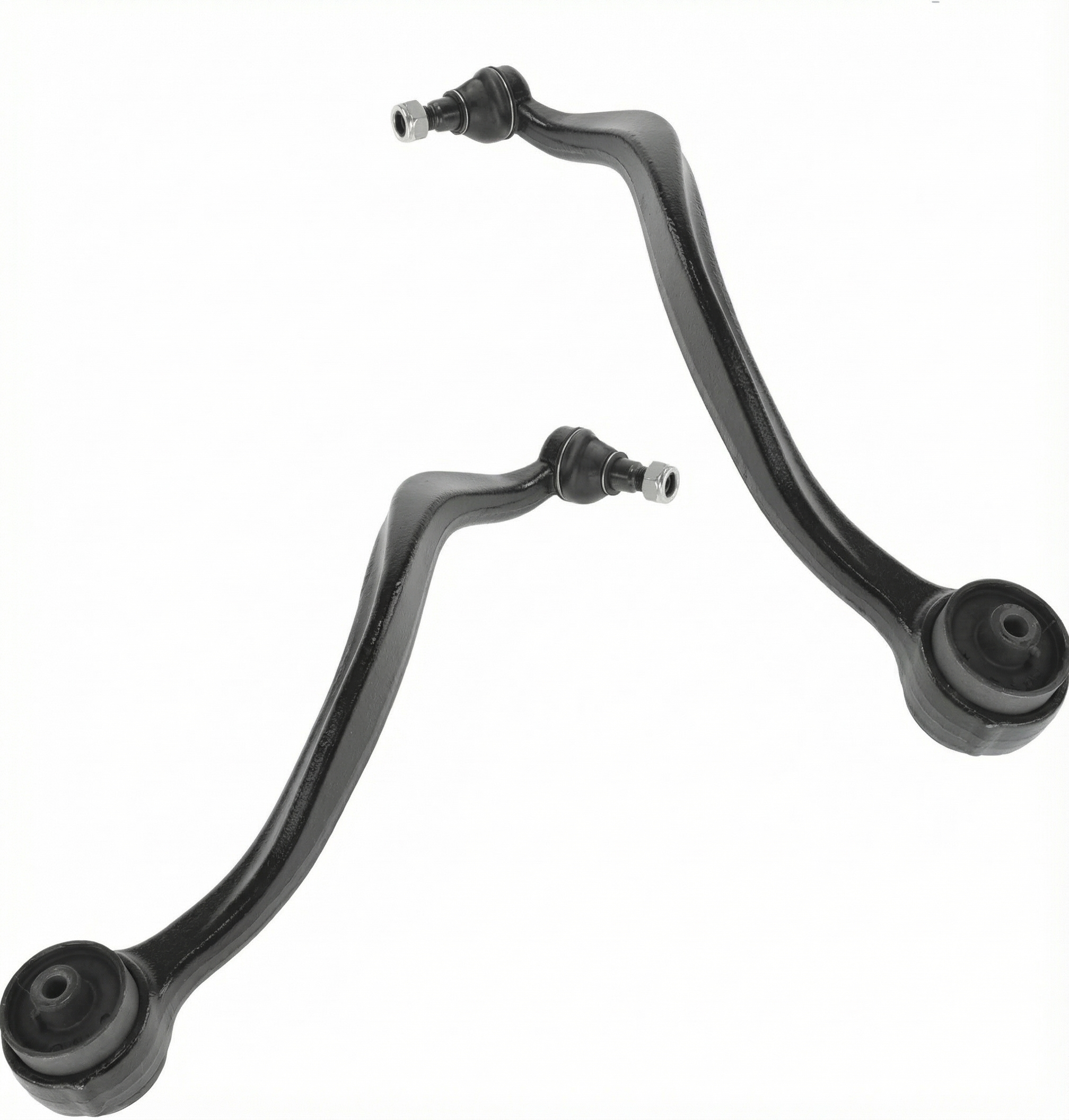
Comes as a complete assembly with pre-installed rubber bushings and a non-serviceable ball joint.
We Have This Part in Stock




The information in this article is provided for general reference and educational purposes only. Vehicle specifications, procedures, and part compatibility can vary by production date, trim level, and region. Always consult your vehicle's factory service manual and verify part numbers before purchasing or performing repairs. Safety-critical components such as airbags, seat belts, and braking systems should be installed by a qualified professional.
- Mazda 6:
- 🛍️ Shop This Part
- Critical Compatibility Warning: Not All 2006-2016 Mazda 6 Arms Are the Same
- Known Issues, Recalls, and Technical Service Bulletins (TSBs)
- 2nd Gen (2009-2013): Front Subframe Corrosion Recall
- 3rd Gen (2014-2016): Creaking Bushing TSB
- Symptoms of a Failing Control Arm
- Buying a Used Suspension Control Arm: What to Look For
- Replacement Overview and Pro Tips
- Cost of Replacing a Mazda 6 Control Arm
- Frequently Asked Questions
- 🎟️ Get 5% Off