

2015-2019 Lincoln MKC Rear Upper Control Arm: Decoding Noises and FWD vs. AWD Fitment
This guide covers the common failure symptoms of the rear upper control arm on the Lincoln MKC and highlights the critical compatibility difference between Front-Wheel Drive and All-Wheel Drive models.
- The most critical factor is drivetrain compatibility: Part EJ7Z-5500-C is for Front-Wheel Drive (FWD) models ONLY.
- The most common symptom of failure is a clunking or knocking noise from the rear when going over bumps, caused by worn bushings.
- When buying a used part, the condition of the rubber bushings is more important than mileage; inspect for cracks and tears.
- A four-wheel alignment is mandatory after replacement to prevent uneven tire wear and ensure safe handling.
Compatibility Warning: Front-Wheel Drive vs. All-Wheel Drive

Critical Fitment Note: The most common rear upper control arm, OEM part number EJ7Z-5500-C, is designed exclusively for Front-Wheel Drive (FWD) models of the 2015-2019 Lincoln MKC. It will not fit All-Wheel Drive (AWD) vehicles. Before purchasing, it is essential to verify your vehicle's drivetrain. Using the wrong part will result in improper suspension geometry, poor handling, and unsafe driving conditions.
The rear suspension architecture differs between FWD and AWD models to accommodate the rear driveshafts and differential on AWD versions. This means the mounting points and potentially the shape or length of the control arms are different. Always confirm the part you are buying is correct for your specific drivetrain.
Common Symptoms of a Failing Rear Upper Control Arm


When the rear upper control arm begins to fail, it's almost always due to the wear of its rubber bushings. The metal arm itself is very durable, but the bushings degrade over time, leading to several noticeable symptoms.
- Clunking or Knocking Noises: This is the most frequent complaint. You may hear a distinct clunking or knocking sound from the rear of the vehicle, especially when driving over bumps, potholes, or uneven roads. This noise is caused by the worn-out bushing allowing the metal sleeve inside the control arm to bang against the mounting bolts or subframe.
- Uneven Tire Wear: A failing control arm allows for excessive movement of the wheel hub, which throws off the alignment. This often results in premature wear on the inner or outer edge of the rear tires.
- Unstable Handling or Steering Wander: With a worn bushing, the rear wheel can shift slightly under acceleration, braking, or cornering. This can make the vehicle feel unstable, loose, or as if it's 'wandering' from the rear, requiring more steering correction from the driver to keep it straight.
- Vibrations: In some cases, excessive play in the control arm can translate into vibrations felt in the cabin, particularly at higher speeds.
Diagnosing a Bad Control Arm

A thorough diagnosis can be done with the vehicle safely raised on a lift or jack stands.
- Visual Inspection: Look at the rubber bushings on both ends of the control arm. Healthy bushings are solid and black. Bad bushings will show visible cracks, tearing, dry rot, or may be completely separated from the metal arm.
- Physical Check for Play: With the vehicle raised and the suspension hanging, firmly grab the rear wheel at the 12 and 6 o'clock positions and try to rock it in and out. If you feel significant play or hear a clunking sound, have a helper watch the upper control arm bushings to see if they are the source of the movement.
- Use a Pry Bar: A mechanic will often use a pry bar to gently apply pressure to the control arm near the bushings to check for excessive movement, which confirms the bushings are worn.
Pro Tip: Noises from the rear suspension can be difficult to pinpoint. While the upper control arm is a common culprit, similar sounds can come from worn sway bar links, lower control arms, or failing shock mounts. A careful inspection is key to avoiding misdiagnosis.
Buying a Used 2015-2019 MKC Rear Upper Control Arm
A recycled OEM control arm can be an excellent value, as the metal arm rarely fails. However, careful inspection is crucial to ensure you get a quality part.
- Inspect the Bushings: This is the most important check. The rubber bushings should be intact, with no significant cracks, tears, or signs of being soaked in oil or other fluids. Reject any arm with visibly damaged or rotted bushings, as they are the primary failure point.
- Check for Structural Integrity: Inspect the arm itself for any signs of bending, heavy corrosion, or cracks. Pay close attention to the areas around the welds and mounting holes. An arm that has been in a collision may be bent, which will make alignment impossible.
- Verify Drivetrain Compatibility: Double-check that the part is for your vehicle's drivetrain (FWD or AWD). If purchasing online, confirm the OEM part number matches your needs. For the FWD model, you are looking for part number EJ7Z-5500-C.
- Mileage vs. Condition: While lower mileage is generally better, the environmental conditions the donor car lived in are more important. A 50,000-mile part from a northern state with salted roads may be in worse shape than a 90,000-mile part from a dry, southern climate. Prioritize the physical condition of the bushings and arm over the mileage alone.
Replacement Overview & Difficulty
- DIY Difficulty: 3 out of 5.
- Estimated Time: 1-1.5 hours per side.
- Tools Required: 15mm socket, T60 Torx socket, torque wrench, jack and jack stands.
The replacement process is straightforward for an experienced DIYer. After safely raising the vehicle and removing the wheel, a floor jack should be placed under the lower control arm to support the suspension. The outer bolt (15mm) connecting the arm to the knuckle is removed, followed by the inner bolt (T60 Torx) connecting it to the subframe. Installation is the reverse of removal.
Important Installation Step: The final tightening of the inner and outer mounting bolts must be done with the suspension compressed to its normal ride height. Tightening the bolts while the suspension is hanging will pre-load the new bushings, causing them to bind and fail prematurely. You can achieve this by raising the suspension with a floor jack under the lower control arm until the vehicle is just starting to lift off the jack stand.
A four-wheel alignment is required after replacing any control arm to ensure proper handling and prevent tire wear.
Cost of Replacement
Prices can vary by location and supplier, but this table provides a general estimate.
| Part/Service | Estimated Cost |
|---|---|
| New OEM (Dealer/Online) | $135 - $205 |
| New Aftermarket | $50 - $100 |
| Used OEM | $40 - $80 |
| Shop Labor (per side) | $120 - $250 |
| Wheel Alignment | $100 - $180 |
Vehicle-Specific Issues: Recalls and Service Programs
While there are no specific recalls for the rear suspension control arms on the 2015-2019 Lincoln MKC, owners should be aware of a major safety recall.
- NHTSA Recall 23V378000: This critical recall addresses a risk of under-hood fire caused by a short circuit in the battery monitor sensor. The fire risk exists even when the vehicle is parked and turned off. Ford has advised owners to park their vehicles outside and away from structures until the repair, which involves adding an in-line fuse to the sensor's power circuit, is completed by a dealer.
Technical Details & Part Numbers
- Position: Rear Upper (Left or Right side)
- Common OEM Part Number (FWD Only): EJ7Z-5500-C
- Superseded From: EJ7C-5500-AA, EJ7C-5500-AB
- Inner Bolt (to Subframe): T60 Torx Head
- Outer Bolt (to Knuckle): 15mm Hex Head
- Torque Specs: 85 ft-lbs for both inner and outer bolts (with suspension at ride height).
Frequently Asked Questions (FAQ)
Do I need to replace both the left and right control arms at the same time?
It is highly recommended. Since the bushings wear out due to age and mileage, if one side has failed, the other side is likely not far behind. Replacing them in pairs ensures consistent handling and saves you from having to do the same job twice and pay for a second wheel alignment.
Is a wheel alignment absolutely necessary after replacing a control arm?
Yes. The control arm is a critical part of your suspension geometry. Replacing it will alter the alignment settings. Skipping the alignment will lead to poor handling, crooked steering wheel, and rapid, uneven tire wear.
How can I confirm if my MKC is FWD or AWD?
The easiest way is to check the rear of your vehicle for an "AWD" badge. If there is no badge, it is likely a FWD model. You can also check your vehicle's original window sticker or have a dealer run your VIN (Vehicle Identification Number) to confirm its configuration.
Can I just replace the bushings instead of the whole control arm?
While technically possible, it is generally not practical. The bushings are press-fit into the arm and require a hydraulic press and specialized tools to remove and install. The cost of the labor to press out old bushings and press in new ones often exceeds the cost of a complete new control arm assembly that already includes fresh bushings. For this reason, replacing the entire arm is the standard repair procedure.
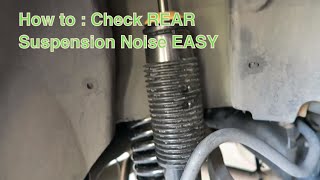
Helpful Videos
Technical Specifications
OEM Part Numbers: EJ7Z-5500-C EJ7C-5500-AA EJ7C-5500-AB EJ7Z5500C EJ7C5500AA EJ7C5500AB
Position: Rear Upper, Left or Right. Fits Front-Wheel Drive (FWD) models only.
We Have This Part in Stock



The information in this article is provided for general reference and educational purposes only. Vehicle specifications, procedures, and part compatibility can vary by production date, trim level, and region. Always consult your vehicle's factory service manual and verify part numbers before purchasing or performing repairs. Safety-critical components such as airbags, seat belts, and braking systems should be installed by a qualified professional.
- Lincoln MKC:
- 🎬 Helpful Videos
- 🛍️ Shop This Part
- Compatibility Warning: Front-Wheel Drive vs. All-Wheel Drive
- Common Symptoms of a Failing Rear Upper Control Arm
- Diagnosing a Bad Control Arm
- Buying a Used 2015-2019 MKC Rear Upper Control Arm
- Replacement Overview & Difficulty
- Cost of Replacement
- Vehicle-Specific Issues: Recalls and Service Programs
- Technical Details & Part Numbers
- Frequently Asked Questions (FAQ)
- 🎟️ Get 5% Off