

1995-1998 Hyundai Sonata Rear Upper Control Arm: Clunks, Wobbles, and Buying Used
This guide covers the specific rear upper control arm for the 1995-1998 Sonata with the 3.0L V6 and no ABS, detailing failure symptoms and inspection tips for used parts.
- This specific rear upper control arm ONLY fits 1995-1998 Sonatas with the 3.0L V6 engine and WITHOUT ABS brakes.
- The most common symptoms of failure are clunking noises from the rear when going over bumps and a feeling of instability.
- When buying a used part, carefully inspect the rubber bushings for cracks and the ball joint for any looseness.
- A four-wheel alignment is mandatory after replacing this part to prevent rapid tire wear and ensure safe handling.
Compatibility Warning: Read This First
Warning: This specific rear upper control arm, identified by OEM part numbers 5510034200 and 5510034210, is only for 1995-1998 Hyundai Sonata models equipped with the 3.0L V6 engine and without ABS brakes. It is the same part for the left and right sides. Vehicles with the 4-cylinder engine or with ABS use a different part. Always verify your vehicle's specifications before purchasing.
Symptoms of a Failing Rear Control Arm
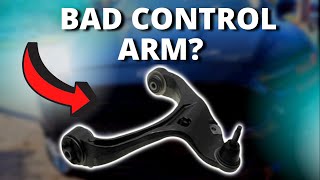
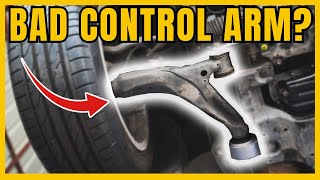
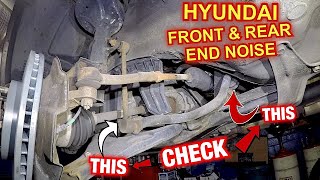
When a rear upper control arm on a 1995-1998 Sonata begins to fail, the symptoms are often noticeable from the driver's seat. 🎬 Watch: Top 7 symptoms of a bad control arm The most common cause of failure is the wear and tear of the rubber bushings or the integrated ball joint.
1. Clunking or Knocking Noises
This is the most frequent symptom. You'll hear a distinct clunking or thumping sound coming from the rear of the car, especially when driving over bumps, potholes, or uneven roads. This noise is caused by excessive play in the worn bushings or ball joint, allowing metal components to hit each other.
2. Vague or Loose Rear End Feel
The car may feel unstable or 'loose' from the rear, particularly when changing lanes or cornering. This feeling of 'steering wander' happens because the worn control arm can no longer hold the wheel securely in its proper alignment.
3. Excessive Vibration
As the bushings and ball joint wear out, they lose their ability to absorb road vibrations. This can lead to a vibrating or shaking feeling felt in the seats and floor, especially at higher speeds.
4. Uneven Tire Wear
A bad control arm allows the wheel's alignment to shift constantly. This will cause the inside or outside edge of the rear tires to wear down much faster than the rest of the tread. If you see this pattern, a failing control arm is a likely culprit.
Buying a Used Suspension Control Arm
A recycled OEM control arm can be a great value, as the original factory parts are often made of high-quality steel. However, since the failure points are the rubber bushings and the ball joint, a thorough inspection is essential before you buy.
Inspection Checklist:
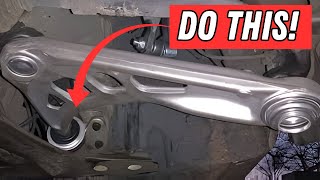
- Check the Bushings: The rubber bushings are where the arm attaches to the car's frame. Inspect them closely for any cracks, tearing, or signs of dry rot. The rubber should be firm and intact. Use a pry bar to gently check for excessive movement; a small amount of flex is normal, but significant play means the bushing is worn out.
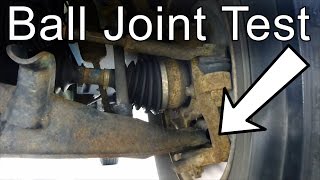
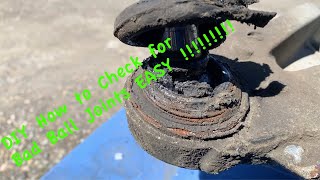
- Inspect the Ball Joint: The ball joint is the pivot point at the wheel end. The rubber boot covering the joint should be intact with no rips or tears. Grab the stud of the ball joint and try to move it around in its socket. There should be no looseness or 'play'. 🎬 See how to check if a ball joint is bad If it moves easily or makes noise, the joint is bad.
- Examine the Arm for Damage: Look at the entire metal arm. Check for any signs of bending, cracking, or severe, flaking rust. Compare it to a picture of a new part to ensure it's not distorted from a past accident. Minor surface rust is usually okay, but deep, structural rust is a red flag.
- Verify Part Numbers: Make sure the part is a genuine Hyundai part, either 5510034200 or the superseding number 5510034210. This ensures correct fitment and quality.
Pro Tip: When possible, choose a used control arm from a low-mileage vehicle from a dry climate. Less exposure to road salt and extreme weather means the rubber bushings and ball joint boot will be in better condition.
Known Issues, TSBs, and Recalls
For the 1995-1998 Hyundai Sonata, there are no specific recalls or Technical Service Bulletins (TSBs) issued by the NHTSA that directly address the rear upper control arm. One recall from 1995 (NHTSA Campaign ID: 95V163000) mentions the rear suspension, but it is for the shock absorbers, not the control arms. Failures of this part are generally due to age-related wear and tear on the bushings and ball joint rather than a specific manufacturing defect.
Cost Comparison
Replacing a control arm involves both the part cost and labor. An alignment is also required after the job, adding to the total expense.
| Item | Estimated Cost |
|---|---|
| New OEM Part (Dealer) | $150 - $250 (if available) |
| New Aftermarket Part | $45 - $80 |
| Used OEM Part | $30 - $60 |
| Shop Labor (per side) | $150 - $300 |
| Wheel Alignment | $80 - $200 |
Frequently Asked Questions (FAQ)
Do I need an alignment after replacing a control arm?
Yes, absolutely. Replacing a control arm directly affects the wheel's position and alignment angles. A four-wheel alignment is mandatory after replacement to ensure proper handling, prevent unsafe driving characteristics, and avoid destroying your tires with rapid, uneven wear.
Can I just replace the bushings or ball joint?
While bushings are available separately for some control arms, the ball joint on this specific OEM part is integrated and not designed to be replaced on its own. Replacing individual bushings requires a hydraulic press and special tools, making it more labor-intensive. For most DIY mechanics and shops, replacing the entire control arm assembly is faster, easier, and more cost-effective.
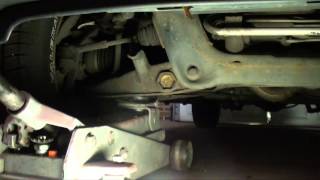
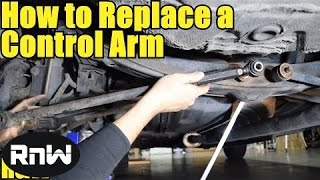
🎬 Watch: How to remove and replace a control armShould I replace control arms in pairs?
It is highly recommended. Suspension components wear out at a similar rate. If the control arm on one side has failed due to age and mileage, the other side is likely not far behind. Replacing them in pairs ensures balanced handling and saves you from having to do the same job twice in the near future.
How do I know if my Sonata has the 3.0L V6 engine?
You can check the emissions label under the hood, which will state the engine displacement. Alternatively, the 8th character of your Vehicle Identification Number (VIN) indicates the engine. For this generation of Sonata, a 'J' typically signifies the 3.0L V6 engine.
Helpful Videos
Technical Specifications
OEM Part Numbers: 5510034200 5510034210
Position: Rear Upper (Left or Right). Included Components: Integrated Ball Joint & Bushings. Fitment: For 3.0L V6 models without ABS only.

The information in this article is provided for general reference and educational purposes only. Vehicle specifications, procedures, and part compatibility can vary by production date, trim level, and region. Always consult your vehicle's factory service manual and verify part numbers before purchasing or performing repairs. Safety-critical components such as airbags, seat belts, and braking systems should be installed by a qualified professional.
- Hyundai Sonata:
- 🎬 Helpful Videos
- Compatibility Warning: Read This First
- Symptoms of a Failing Rear Control Arm
- 1. Clunking or Knocking Noises
- 2. Vague or Loose Rear End Feel
- 3. Excessive Vibration
- 4. Uneven Tire Wear
- Buying a Used Suspension Control Arm
- Inspection Checklist:
- Known Issues, TSBs, and Recalls
- Cost Comparison
- Frequently Asked Questions (FAQ)
- 🎟️ Get 5% Off