

Rear Control Arm Guide: 2000-09 Taurus, Sable, Five Hundred, Freestyle & More
Diagnose clunks, wandering steering, and uneven tire wear by understanding the rear control arms on your Ford or Mercury sedan and crossover.
- Identify your vehicle's platform (D186 or D3) before buying, as the parts are different.
- A clunking noise from the rear over bumps is the most common symptom of a failed control arm bushing.
- Final tightening of the mounting bolts MUST be done with the vehicle's full weight on the suspension to prevent premature bushing failure.
- A four-wheel alignment is absolutely required after replacing a control arm to prevent handling issues and rapid tire wear.
Understanding the Two Platforms

The vehicles covered in this guide were built on two distinct platforms, and they do not share the same control arm parts. It is critical to identify which platform your vehicle belongs to before purchasing parts.
- D186 Platform: This includes the 2000-2007 Ford Taurus and 2000-2005 Mercury Sable. These vehicles have specific rear control arms for sedan and wagon models. The warnings about parts fitting "Sedan models only" typically apply to this group.
- D3 Platform: This includes the 2005-2007 Ford Five Hundred, 2005-2007 Ford Freestyle, 2008-2009 Ford Taurus, 2008-2009 Ford Taurus X, 2005-2007 Mercury Montego, and the 2008-2009 Mercury Sable. The sedans (Five Hundred, Montego, Taurus) and crossovers (Freestyle, Taurus X) in this group share many suspension components.
Symptoms of a Failing Rear Control Arm

A bad rear control arm, or more commonly, a worn control arm bushing, will make itself known through distinct sounds and changes in how your vehicle drives.
- Clunking or Knocking Noises: This is the most common symptom. You'll hear a solid "clunk" or knocking sound from the rear of the car, especially when driving over bumps, potholes, or uneven pavement. This sound is caused by excess movement in the worn bushing, allowing metal parts to contact each other.
- Wandering or Vague Steering: The vehicle may feel "loose" or unstable, especially when changing lanes or cornering. You might feel like you have to constantly make small steering corrections to keep the car straight. On vehicles with worn rear control arms, it can feel like the rear end is trying to steer the car, particularly when accelerating out of a turn.
- Uneven Tire Wear: A worn control arm bushing can throw off the rear wheel alignment, causing the inside or outside edge of the rear tires to wear down much faster than the rest of the tread.
- Vibrations: As the bushings lose their ability to absorb road impacts, you may feel vibrations in the seat or floor, particularly at higher speeds.
Known Issues, TSBs, and Recalls
While there are no widespread recalls specifically for the lower control arms on the 2000-2009 models, it's worth noting a related recall for a different suspension component on later models.
- NHTSA Campaign Number 20V072000: This recall affects 2013-2018 Ford Taurus, Flex, and Lincoln MKT vehicles. It concerns the rear suspension toe links, which could fracture and cause a sudden change in handling. While this does not apply to the years in this guide, it highlights that the multi-link rear suspension on these platforms can be a point of failure.
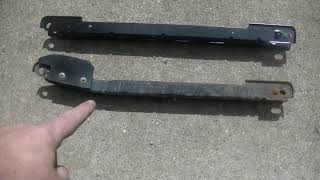
- Ford Freestyle/Taurus X Clunking: Owners of the Ford Freestyle and its successor, the Taurus X, frequently report clunking and rattling noises from the rear suspension. This is often traced back to worn sway bar links, strut mounts, or control arm bushings. 🎬 See this Ford Freestyle rear suspension repair walkthrough
Pro Tip: When diagnosing a clunking noise, have a helper rock the vehicle from side to side while you listen and feel for play in the different suspension links. 🎬 Watch: How to find and diagnose clunking noises yourself A pry bar can be used to gently check for excess movement in the control arm bushings where they connect to the subframe and knuckle.
Buying a Used Suspension Control Arm

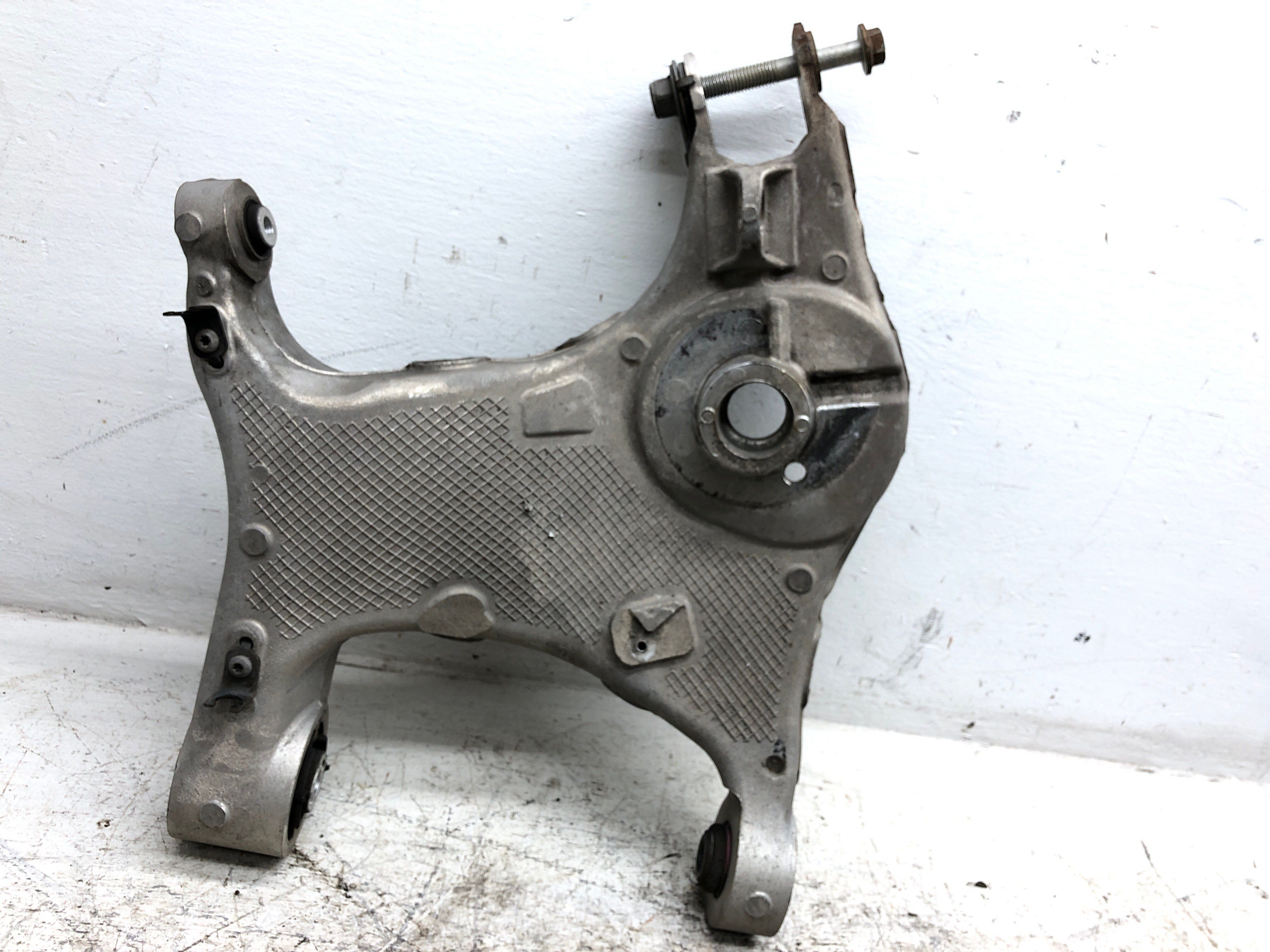
A recycled OEM control arm can be a cost-effective and reliable alternative to a new part, especially when compared to cheap, unproven aftermarket options. Here’s what to look for:
- Inspect the Bushings: The rubber bushings are the most common failure point. Look for any signs of cracking, tearing, dry rot, or separation of the rubber from the metal sleeve. If the rubber is compromised, the arm is not a good purchase, as replacing the bushings can be difficult without a press.
- Check for Bending or Damage: Visually inspect the arm from all angles. Ensure it is straight and free of any bends, cracks, or signs of heavy impact. A bent control arm, even slightly, will make alignment impossible and is unsafe.
- Verify Part Numbers and Vehicle Platform: Double-check that the part number matches your vehicle's platform (D186 for early Taurus/Sable, D3 for Five Hundred/Freestyle family). Part numbers like 1F1Z-5500-AA are for the D186 platform, while 5F9Z-5500-AA and its successor 8G1Z-5500-A are for the D3 platform.
- Mileage Consideration: While there's no exact mileage for failure, bushings typically show significant wear after 100,000 miles. A used arm from a lower-mileage vehicle is always preferable. Ask the seller for the mileage of the donor vehicle if possible.
Replacement Overview & Special Procedures

Replacing a rear control arm is a feasible DIY project for someone with mechanical experience and the right tools. However, there are critical steps that must be followed.
Warning: An alignment is mandatory after replacing any control arm. Failure to do so will result in poor handling and rapid tire wear.
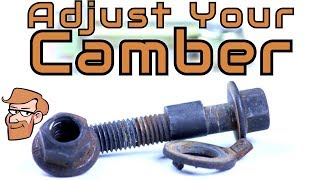
- The Cam Bolt Kit: The inner mounting point of the lower control arm on many of these vehicles uses an eccentric bolt, also known as a cam bolt. This bolt allows for fine adjustments to the wheel's camber and toe during an alignment. It is crucial to mark the position of this bolt before removal to get the alignment close for the drive to the alignment shop. These bolts are often seized with rust and may need to be cut out and replaced. It's wise to purchase a new cam bolt kit before starting the job. 🎬 Watch: How cam bolts work and adjust camber
- Loading the Suspension: The final tightening of the control arm bolts MUST be done with the full weight of the vehicle on the suspension. You can achieve this by lowering the car onto ramps or by using a floor jack to lift the wheel knuckle, compressing the spring to its normal ride height. Tightening the bolts with the suspension hanging in the air will preload the rubber bushings, causing them to tear and fail very quickly.
- Torque Specs: Using a torque wrench is critical for suspension work. While specs can vary slightly by exact model and arm, general values for the D3 platform are:
- Control arm to subframe (cam bolt): ~81 ft-lbs
- Control arm to knuckle: ~77-110 ft-lbs
Cost to Replace a Rear Control Arm
Prices can vary based on your location, vehicle, and whether you do the work yourself. The following is an estimated cost breakdown for a single rear lower control arm replacement.
| Item | Estimated Cost |
|---|---|
| New OEM Part | $160 - $265 |
| New Aftermarket Part | $80 - $150 |
| Used OEM Part | $40 - $90 |
| Shop Labor | $140 - $250 |
| Wheel Alignment | $100 - $150 |
| Total Professional Job | $400 - $750+ |
Frequently Asked Questions
Do I need to replace control arms in pairs?
It is highly recommended. If the bushing on one side has failed due to age and mileage, the other side is likely not far behind. Replacing them in pairs ensures balanced handling and saves you from doing the same job twice.
What is the difference between the forward and rearward lower control arms?
The multi-link rear suspension has two lower arms. This guide primarily discusses the forward lower arm (also called a trailing arm or lateral arm), which is a common failure point. However, symptoms can also be caused by the rearward lower arm. It's important to inspect all suspension links to correctly identify the source of the problem.
Can I just replace the bushings instead of the whole arm?
While bushings are available separately, they are pressed into the control arm. Removing the old ones and pressing in new ones requires a hydraulic press and special adapters. For most DIY mechanics, and even many professional shops, replacing the entire control arm assembly is faster, easier, and more cost-effective.
Will a bad rear control arm cause my steering wheel to be off-center?
Yes. A significantly worn or bent rear control arm can alter the thrust angle of the rear axle, causing the car to 'crab' or pull to one side. This will force you to hold the steering wheel off-center to drive straight.
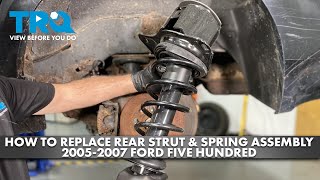
Helpful Videos
Technical Specifications
OEM Part Numbers: 1F1Z-5500-AA 1F1Z-5A649-AA 5F9Z-5500-AA 5F9Z-5A649-AA 5G1Z-5A649-A 7F9Z-5500-A 8G1Z-5500-A
General Torque Specs (D3 Platform): Arm-to-Subframe (Cam Bolt): ~81 ft-lbs. Arm-to-Knuckle: ~77-110 ft-lbs. Lug Nuts: 95-100 ft-lbs. Always verify specs for your specific model and year.
We Have This Part in Stock





The information in this article is provided for general reference and educational purposes only. Vehicle specifications, procedures, and part compatibility can vary by production date, trim level, and region. Always consult your vehicle's factory service manual and verify part numbers before purchasing or performing repairs. Safety-critical components such as airbags, seat belts, and braking systems should be installed by a qualified professional.
- Ford Taurus:
- Mercury Sable:
- Ford Five Hundred:
- Ford Freestyle:
- Ford Taurus X:
- Mercury Montego: