

2025-2026 Volvo EX90 Suspension Acceleration Sensor: A Guide for Adaptive Chassis Faults
Understand the symptoms, diagnosis, and replacement of the critical sensor that controls your EX90's adaptive ride quality.
- This sensor is ONLY for 2025-2026 EX90 models with the optional Adaptive Suspension ('Active Chassis').
- A 'Suspension Service Required' message and a harsh, bouncy ride are the primary symptoms of failure.
- Replacement requires calibration with Volvo's proprietary VIDA software, making it a difficult DIY job for most owners.
- Due to the vehicle's newness, a used OEM part from a low-mileage car is the only reliable, cost-effective alternative to a new dealer part.
Symptoms of a Failing EX90 Suspension Acceleration Sensor
Because the 2025-2026 Volvo EX90 is a new model, widespread failure data is not yet available. However, based on owner reports and the function of these sensors in other modern Volvos, you can expect the following symptoms when a sensor fails.
- "Suspension Service Required" Message: This is the most common and direct indicator. A message will appear on the driver's display, alerting you to a fault within the adaptive suspension system.
- Noticeably Poor Ride Quality: The vehicle's ride may become unusually harsh, bouncy, or floaty. Without data from the failed sensor, the system often defaults to a fixed, firm setting, making bumps and road imperfections much more pronounced.
- Reduced Stability: You might notice more body roll when cornering or excessive nose-diving during braking as the system can no longer actively counteract these movements.
- Diagnostic Trouble Codes (DTCs): A professional scan tool will find specific fault codes stored in the Suspension Control Module (SUM). A common code reported by an owner for this issue was SUM-C111D95 (Right Front Body Acceleration Sensor. Component Failures. Incorrect assembly).
Pro Tip: Early EX90 models have shown that various electronic warnings, including suspension faults, can sometimes be caused by software glitches or issues with the 12-volt battery system. Sometimes, these warnings may appear intermittently and resolve on their own or after a software update. However, a persistent warning message indicates a likely hardware failure that needs diagnosis.
Known Issues, Recalls, and Technical Service Bulletins (TSBs)
As of mid-2026, there are no specific recalls or Technical Service Bulletins (TSBs) from Volvo or the National Highway Traffic Safety Administration (NHTSA) directly related to the suspension acceleration sensors on the 2025-2026 EX90.
Early production 2025 EX90s have been subject to a few recalls for other issues, including headlight software and power tailgate components. While some owners have reported intermittent suspension warning messages, these have often been linked to broader software bugs or 12V battery issues common in the vehicle's initial launch phase. Always check the NHTSA website with your vehicle's VIN for the most up-to-date recall information.
Buying a Used Suspension Acceleration Sensor
For a new vehicle like the EX90, a used OEM sensor from a low-mileage, collision-damaged vehicle can be a smart and cost-effective alternative to a brand-new part. Aftermarket options are not expected to be available for some time.
What to Check Before You Buy:
- Verify the Part Number: The most critical step is to match the part number exactly. The known OEM part number for this sensor is 32269486. Other sensors on the vehicle, like the headlight level sensors (part numbers 32269484 and 32269490), look similar but are not interchangeable.
- Inspect the Connector: Look closely at the electrical connector pins. They should be straight, clean, and free of any green or white corrosion. A damaged connector is the most common reason for a used sensor to fail.
- Check the Housing: Examine the plastic sensor body for any cracks, deep scrapes, or signs of heat damage. Ensure the mounting points are intact and not broken.
- Ask About the Donor Vehicle: Whenever possible, get the VIN and mileage of the vehicle the part came from. A part from a low-mileage vehicle is always preferable. Avoid parts from flood-damaged cars, as moisture can ruin sensitive electronics.
Warning: This sensor is only for 2025-2026 Volvo EX90 models equipped with the optional Adaptive Suspension (also called 'Adaptive chassis' or 'Active Chassis'). It will not work on vehicles with the standard suspension. Verify your vehicle's options before purchasing.
Cost of Replacement
Replacing a suspension acceleration sensor involves the cost of the part itself and the labor to install and potentially calibrate it.
| Part or Service | Estimated Cost |
|---|---|
| New OEM Sensor | $80 - $115 |
| New Aftermarket Sensor | Not Yet Available |
| Used OEM Sensor | $40 - $75 |
| Shop Labor (Installation & Calibration) | $100 - $200 |
Replacement and Calibration
Physically replacing the sensor is straightforward, but software calibration may be required, making it a more complex job than it appears.
- Difficulty: 3 out of 5. The physical swap is easy (rated 1/5), but the need for proprietary diagnostic software for calibration makes it challenging for most DIY mechanics.
- Location: These sensors are typically mounted directly to the vehicle's body or subframe in the vicinity of the front shock absorber towers. Access usually requires removing the front wheel and inner fender liner.
- Procedure: The sensor is held on by one or two small bolts and has a single electrical connector. The process involves disconnecting the battery, accessing the sensor, unbolting it, and installing the new one.
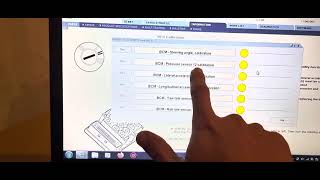
- Calibration: This is the critical step. After replacing a suspension component, Volvo's diagnostic software (VIDA) is often used to perform a Suspension Control Module (SUM) calibration. 🎬 Watch: How to perform a Volvo calibration using VIDA This procedure resets the system and ensures it recognizes the new sensor and operates correctly. One dealer technician noted a procedure of swapping sensors, clearing codes, disconnecting the vehicle control module, letting the vehicle sleep for 30 minutes, and then test driving to confirm the fix. Without this calibration, the "Suspension Service Required" light may remain on, and the system may not function properly.
Frequently Asked Questions (FAQ)
What does the suspension acceleration sensor do on a Volvo EX90?
It measures the vertical motion of the vehicle's body. This data helps the adaptive suspension system instantly adjust the shock absorbers to provide either a soft, comfortable ride or a firm, sporty ride depending on the road conditions and driving style.
Can I replace this sensor myself?
While you can physically unbolt the old sensor and install a new one with basic tools, the system will likely require a calibration using specialized Volvo diagnostic software (VIDA) to clear the fault and ensure proper function. For this reason, it is not recommended as a DIY job for most owners.
Is it safe to drive my EX90 with a bad suspension acceleration sensor?
Yes, but with limitations. The vehicle is safe to drive, but the adaptive suspension will be disabled, resulting in a much harsher and less controlled ride. Your vehicle's stability during emergency maneuvers or on rough roads may be compromised. It is recommended to have the issue repaired promptly.
Why can't I find a cheaper aftermarket sensor for my EX90?
The Volvo EX90 is a very new and technologically advanced vehicle. It takes time for aftermarket companies to reverse-engineer, test, and manufacture electronic components like this. For the first few years of a new model's life, the only available options are typically new or used OEM parts.
Helpful Videos
Technical Specifications
OEM Part Numbers: 32269486
This sensor is a body accelerometer for the active suspension system. It is distinct from the ride height/headlight leveling sensors.
We Have This Part in Stock


The information in this article is provided for general reference and educational purposes only. Vehicle specifications, procedures, and part compatibility can vary by production date, trim level, and region. Always consult your vehicle's factory service manual and verify part numbers before purchasing or performing repairs. Safety-critical components such as airbags, seat belts, and braking systems should be installed by a qualified professional.
- Volvo EX90:
- 🎬 Helpful Videos
- 🛍️ Shop This Part
- Symptoms of a Failing EX90 Suspension Acceleration Sensor
- Known Issues, Recalls, and Technical Service Bulletins (TSBs)
- Buying a Used Suspension Acceleration Sensor
- What to Check Before You Buy:
- Cost of Replacement
- Replacement and Calibration
- Frequently Asked Questions (FAQ)
- 🎟️ Get 5% Off