

2011-2016 Scion tC Rear Stub Axle & Knuckle: Solving Alignment & Noise Issues
Your guide to diagnosing a bent rear knuckle, what to check on a used part, and why it's often the hidden cause of tire wear and alignment trouble on the second-generation tC.
- The most common reason to replace this part is damage from hitting a curb or pothole, not from normal wear.
- The number one symptom of a bent rear knuckle is the inability to get the vehicle properly aligned, resulting in rapid and uneven tire wear.
- This part is for the 2011-2016 Scion tC only and is not interchangeable with the earlier 2005-2010 generation.
- When replacing the knuckle, it is critical to also install a new wheel bearing/hub assembly and perform a four-wheel alignment afterward.
Primary Symptoms of a Bad or Bent Rear Knuckle
A rear knuckle doesn't have internal moving parts, so it doesn't "fail" from normal wear and tear. Instead, it fails from damage, almost always from an impact like hitting a curb, a deep pothole, or being involved in a collision. The symptoms are often mistaken for other issues, making it a tricky part to diagnose.
1. Persistent Alignment Problems
This is the most definitive sign of a bent knuckle. If your tC pulls to one side or you're told by an alignment shop that they cannot get the rear camber or toe into the correct specification, a bent knuckle is a primary suspect. The adjustment bolts for the suspension arms can only compensate for so much; a bent knuckle throws the geometry off beyond the range of adjustment.
2. Uneven or Rapid Tire Wear
A direct result of poor alignment is abnormal tire wear. If you see the inside or outside edge of one of your rear tires wearing down much faster than the rest of the tread, it's a classic sign of a camber issue likely caused by a bent knuckle or control arm.
3. Rear-End Noise or Instability
While the knuckle itself is silent, a bent one puts immense stress on the wheel bearing it holds. This can cause the wheel bearing to fail prematurely, leading to a humming, grinding, or roaring noise from the rear of the car that changes with speed. You might also feel a sense of instability or wobble from the rear end when cornering.
Pro Tip: To check for a badly bent knuckle or failed bearing, safely raise the rear of the vehicle and support it on jack stands. Grab the tire at the 12 and 6 o'clock positions and try to rock it. Any noticeable play or clunking points to a bad wheel bearing, which could be a symptom of a bent knuckle.
Known Issues, Recalls, and Service Bulletins
There are no specific recalls or Technical Service Bulletins (TSBs) issued by Toyota/Scion for the rear knuckle itself on the 2011-2016 tC. Failures are almost exclusively caused by external factors like road hazards or accidents, not manufacturing defects.
One recall (NHTSA #15V228000) for some 2015 models involved improperly tightened rear suspension components, which could cause suspension arms to detach. Another recall (NHTSA #18E091000) affected optional TRD brake kits and their hoses, not the knuckle itself. These are not related to the structural integrity of the knuckle but are important to be aware of for the vehicle's rear suspension system.
Buying a Used 2011-2016 Scion tC Rear Knuckle
Since a new OEM knuckle can be expensive, a used part from a reputable recycler is an excellent, cost-effective solution. This is a solid piece of metal; as long as it comes from an undamaged vehicle, it is identical in form and function to a brand-new part.
Compatibility Warning: The rear knuckle for the 2011-2016 Scion tC (second generation) is NOT compatible with the first-generation 2005-2010 tC. Verify the model year of the donor vehicle before purchasing.
Inspection Checklist for a Used Knuckle:
- Check for Cracks: Meticulously inspect the entire part for hairline cracks, especially around the mounting points for the control arms and the bore where the wheel bearing is pressed in.
- Verify Straightness: Lay a straightedge or ruler across the machined hub mounting face and the brake caliper mounting points. There should be no gaps or signs of bending.
- Inspect the Bearing Bore: Look inside the large hole where the wheel bearing/hub assembly sits. It should be smooth and free of deep scoring, corrosion, or warping. Damage here can make it impossible to install a new bearing correctly.
- Check Threaded Holes: Ensure all threaded holes for the brake components and sensors are clean and not stripped or damaged.
- Confirm Part Numbers: If possible, match the part number to one of the known OEM numbers: 42305-12240, 42305-21030, or 42305-21050.
Replacement Difficulty & Labor
- Difficulty Rating: 3 out of 5 (Moderate)
- DIY Feasible: Yes, for an experienced DIY mechanic with proper tools.
- Estimated Time: 2-4 hours per side.
- Shop Labor Cost: $200 - $500.
The replacement process involves removing the wheel, brake caliper and rotor, ABS sensor, and disconnecting the various rear suspension arms. The bolts for the suspension arms can be seized with rust, especially in northern climates, and may require significant force or heat to remove.
Crucial Step: The rear wheel bearing and hub assembly is a separate part that bolts into the knuckle. While many used knuckles may come with the old hub still attached, it is highly recommended to install a new wheel bearing/hub assembly into the replacement knuckle. The condition of a used bearing is unknown, and it's much easier to replace it while the knuckle is off the car. After installation, a full four-wheel alignment is mandatory to ensure proper handling and prevent tire wear.
Cost Comparison for a Single Rear Knuckle
| Part Type | Estimated Cost |
|---|---|
| New OEM | $300 - $450 |
| New Aftermarket | $150 - $250 (when available) |
| Used OEM | $75 - $175 |
| Shop Labor (Replacement) | $200 - $500 |
| Required Wheel Alignment | $100 - $200 |
Frequently Asked Questions (FAQ)
Do I need to replace the left and right knuckles at the same time?
No. These parts only need to be replaced if they are damaged. It is perfectly fine to replace only the bent or cracked side.
Can a bent stub axle or knuckle be repaired or bent back?
Absolutely not. A knuckle is a cast part that is heat-treated for strength. Attempting to bend it back will create stress fractures and critically compromise its integrity, creating a major safety hazard. A bent or cracked knuckle must always be replaced.
Does the used knuckle come with a wheel bearing?
Often, yes. A used knuckle will typically have the old wheel bearing/hub assembly still bolted to it. However, the condition of this bearing is unknown. Best practice is to discard the old bearing and install a brand new one into your used knuckle before putting it on the car.
What other parts should I replace at the same time?
You must install a new wheel bearing/hub assembly. It is also a good time to inspect the rear suspension control arms, stabilizer bar links, and brake components for wear or damage, as they will all be easily accessible during the job.
Technical Specifications
OEM Part Numbers: 42305-12240 42305-21030 42305-21050
Also known as: Rear Axle Carrier, Rear Suspension Knuckle. Material: Cast Iron or Cast Steel.
We Have This Part in Stock

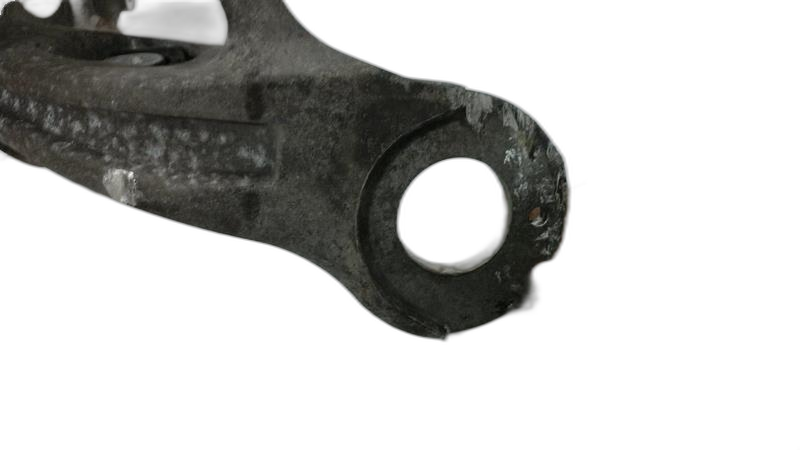

The information in this article is provided for general reference and educational purposes only. Vehicle specifications, procedures, and part compatibility can vary by production date, trim level, and region. Always consult your vehicle's factory service manual and verify part numbers before purchasing or performing repairs. Safety-critical components such as airbags, seat belts, and braking systems should be installed by a qualified professional.
- Scion tC:
- 🛍️ Shop This Part
- Primary Symptoms of a Bad or Bent Rear Knuckle
- 1. Persistent Alignment Problems
- 2. Uneven or Rapid Tire Wear
- 3. Rear-End Noise or Instability
- Known Issues, Recalls, and Service Bulletins
- Buying a Used 2011-2016 Scion tC Rear Knuckle
- Inspection Checklist for a Used Knuckle:
- Replacement Difficulty & Labor
- Cost Comparison for a Single Rear Knuckle
- Frequently Asked Questions (FAQ)
- 🎟️ Get 5% Off