

2004-2006 Kia Amanti Steering Knuckle & Stub Axle: Decoding Noises and Failures
This guide explains common failure symptoms, inspection tips for used parts, and replacement costs for the front steering knuckle and rear stub axle on the 2004-2006 Kia Amanti.
- A bad knuckle is a major safety issue; if you suspect a crack or bend, do not drive the vehicle.
- Symptoms like clunking, pulling, and uneven tire wear are common signs of a failed knuckle.
- Compatibility is key: 2004-2006 Amanti knuckles are different from 2007-2009 models. Verify the year before buying.
- When buying used, perform a thorough visual inspection for cracks, especially around the bearing bore and mounting points.
Symptoms of a Bad Knuckle or Stub Axle
A failing knuckle or stub axle is a serious safety concern that can lead to a loss of vehicle control. These parts are very durable, but they can be damaged by impacts with curbs or potholes, or wear out from corrosion and high mileage. Because they connect so many other parts, their symptoms can sometimes be mistaken for a bad wheel bearing, ball joint, or tie rod. Look for these key warning signs:
- Clunking or Popping Noises: Sounds from the wheel area, especially when turning or going over bumps. This can be caused by cracks in the knuckle or looseness where other components attach.
- Vehicle Pulling to One Side: If the knuckle is bent, it will throw off the wheel alignment, causing the car to drift to one side. This pull may be constant or only happen during braking. An alignment that won't stay correct is a major red flag.
- Uneven Tire Wear: A bent knuckle changes the angle of the tire, causing rapid wear on the inner or outer edge.
- Vibrating or Loose Steering Wheel: A worn or damaged knuckle can create play in the steering system, leading to vibrations or a feeling that the steering is vague and unresponsive.
- Grinding or Humming Noises: While often a sign of a bad wheel bearing, a damaged knuckle can cause the bearing to fail prematurely. The noise may change when turning.
Warning: A cracked or severely bent knuckle can fail completely, potentially causing the wheel to separate from the vehicle. If you suspect a knuckle is damaged, have the vehicle inspected immediately. It is not safe to drive.
Known Issues, TSBs, and Recalls for 2004-2006 Kia Amanti
Searches for recalls and technical service bulletins (TSBs) specific to the steering knuckle or stub axle on the 2004-2006 Kia Amanti did not reveal any widespread, specific issues with the knuckles themselves. Most owner complaints and service documents for this vehicle's suspension point to more common wear items.
- No Specific Recalls: There are no NHTSA recalls directly targeting the steering knuckles or stub axles for this model year range. Existing recalls for these years primarily concern items like brake light switches.
- Common Suspension Noises: Many owners report clunking or rattling noises from the front suspension. The most common culprits for these sounds are worn sway bar end links, which are 🎬 Watch: How to easily replace a bad sway bar link much more likely to fail than the knuckle itself. Worn struts or control arm bushings are also frequent 🎬 See: Top 5 reasons for front suspension rattle noises sources of noise.
- Wheel Bearing Failure: Humming or grinding noises are often traced back to a failed wheel bearing, which is pressed into the knuckle. 🎬 Watch: Replacing a pressed-in Kia wheel bearing While the knuckle itself may be fine, a bad bearing can sometimes be difficult to remove, and improper removal can damage the knuckle.
Pro Tip: Before assuming the knuckle is bad, thoroughly inspect the sway bar links, ball joints, tie rod ends, and control arm bushings. These related parts are far more common failure points and can produce similar symptoms. A mechanic can use a pry bar to check for play in these components while the suspension is loaded.
Buying a Used 2004-2006 Amanti Knuckle or Stub Axle
A used OEM knuckle is an excellent alternative to expensive new parts, as they are not typical wear-and-tear items. A good, undamaged knuckle from a low-mileage vehicle is functionally identical to a new one. Here’s what to check before buying:
- Verify Compatibility: The most critical step. The knuckles for 2004-2006 Amanti models are different from those used on 2007-2009 models. Always confirm the part is from the correct year range. Also, ensure you are buying the correct side (driver/left or passenger/right) and position (front or rear).
- Inspect for Cracks: Carefully examine the entire part, especially around the areas where the ball joint, tie rod, and wheel bearing are mounted. Look for hairline cracks in the cast iron. Any crack, no matter how small, means the part is junk.
- Check Mounting Holes: Ensure all bolt holes are round and not elongated or damaged. Pay close attention to the caliper mounting points and the strut mounting holes. Damage here can make it impossible to properly secure other components.
- Examine the Bearing Bore: The large, machined hole where the wheel bearing or hub assembly sits must be smooth and free of deep gouges or scoring. Damage here can prevent the new bearing from seating correctly, leading to premature failure.
- Look for Heat Discoloration: Bluish or burnt-looking areas, especially around the hub, can indicate a severely overheated wheel bearing was previously installed. This extreme heat can compromise the strength of the knuckle.
- Condition of Included Bushings: The rear stub axle carrier often includes several pressed-in rubber bushings. Check them for dry rot, cracking, or tearing. While they can be replaced, worn bushings on a used part may indicate a hard life.
Cost Comparison
Prices can vary based on location and supplier, but this gives a general idea of the cost for a single front steering knuckle.
| Part Type | Estimated Cost |
|---|---|
| New OEM | $275 - $405 |
| New Aftermarket | $225 - $350 |
| Used OEM | $75 - $150 |
| Shop Labor | $200 - $400 per side |
Note: An alignment is mandatory after replacement and typically costs an additional $100 - $200.
Frequently Asked Questions (FAQ)
Do I need to replace the wheel bearing when I replace the knuckle?
It is highly recommended. The wheel bearing is a press-fit component. Removing an old bearing to install it in a replacement knuckle is difficult and can damage the bearing. Since replacing the knuckle requires significant labor, installing a new wheel bearing at the same time is a smart preventative measure.
Can a bad knuckle cause ABS light to come on?
Yes. A failing wheel bearing, often associated with knuckle issues, can create excessive play or 'wobble'. This movement can damage the wheel speed sensor or disrupt the signal it sends to the ABS module, triggering a warning light.
Is a wheel alignment necessary after replacing a knuckle?
Yes, it is absolutely mandatory. The knuckle is a primary component that determines the vehicle's alignment angles (camber and toe). Replacing it will alter these settings, and driving without a subsequent alignment will cause poor handling and rapid tire wear.
What's the difference between a steering knuckle, a spindle, and a stub axle?
These terms are often used interchangeably but have distinct meanings. The Steering Knuckle is the part on a front-wheel-drive car that pivots to allow steering. A Spindle is a similar component on a rear-wheel-drive car that the wheel spins on but does not pivot for steering. A Stub Axle is a short, non-driven axle shaft, and the term is often used to describe the entire rear knuckle or carrier assembly that holds the wheel hub on a front-wheel-drive car.
Helpful Videos
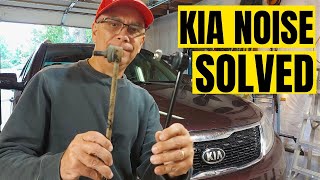
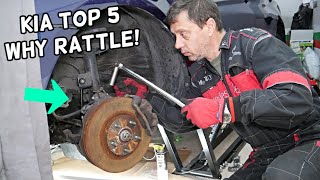
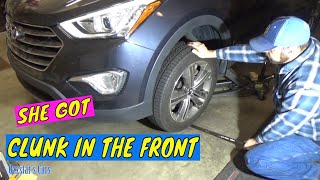
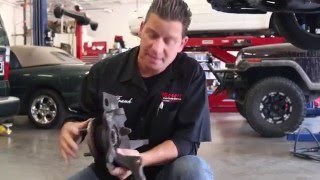
Technical Specifications
OEM Part Numbers: 51716-3F000 (Front Right) 51715-3F000 (Front Left) 52720-3F000 (Rear Right, replaced by 52720-3F001) 52710-3F001 (Rear Left) 52720-3F001 (Rear Right) 52720-3F600
The steering knuckle and rear carrier are made of cast iron. The front knuckle houses a press-in wheel bearing and provides mounting points for the strut, lower ball joint, tie rod end, and brake caliper. The rear carrier holds the bolt-in hub and bearing assembly and connects to multiple suspension arms.
We Have This Part in Stock



The information in this article is provided for general reference and educational purposes only. Vehicle specifications, procedures, and part compatibility can vary by production date, trim level, and region. Always consult your vehicle's factory service manual and verify part numbers before purchasing or performing repairs. Safety-critical components such as airbags, seat belts, and braking systems should be installed by a qualified professional.
- Kia Amanti: