

1993-1994 Toyota Corolla & Geo Prizm Strut: Diagnosing Noises and Ride Problems
This guide covers common failure symptoms, replacement costs, and what to look for when buying a used strut for your 1993-1994 Corolla or Geo Prizm.
- Always replace struts in pairs (both front or both rear) to ensure vehicle stability.
- A professional wheel alignment is mandatory after replacing front struts to prevent unsafe handling and rapid tire wear.
- Check for compatibility before buying a used part: Front vs. Rear, Left vs. Right, and ABS vs. Non-ABS brackets matter.
- Symptoms of failure include clunking noises over bumps, a bouncy ride, fluid leaks, and uneven tire wear (cupping).
Symptoms of a Failing Strut

Struts wear out gradually, so you might not notice the slow decline in ride quality. However, there are specific signs that indicate your Corolla's struts are worn and need replacement.
Noises and Vibrations
- Clunking or Knocking: A common symptom is a clunking or rattling sound when driving over bumps, uneven roads, or turning. This is often caused by worn internal components or a failing strut mount.
- Steering Wheel Vibration: Worn struts can cause vibrations to be felt through the steering wheel, especially on rough surfaces.
Poor Handling and Ride Quality
- Excessive Bouncing: After hitting a bump, your car may continue to bounce up and down. This indicates the shock-absorbing part of the strut has failed and can no longer control the spring's movement.
- Nose-Diving and Squatting: If the front of the car dips excessively when you brake, or the rear end squats down when you accelerate, your struts are likely worn out.
- Swaying or Body Roll: A feeling of instability or excessive leaning when turning or changing lanes is a sign that the struts are no longer keeping the car stable.
Visual Signs
- Fluid Leaks: Struts are filled with hydraulic fluid. If you see oily or greasy fluid leaking down the side of the strut body, it's a clear sign of a failed seal and the strut needs to be replaced.
- Uneven Tire Wear: Bad struts can cause a specific type of tire wear called "cupping" or "scalloping." This looks like a pattern of scooped-out depressions on the tire tread and is a costly side effect of not replacing worn struts.
Pro Tip: A simple way to check your struts is the "bounce test." Push down hard on one corner of the car a few times and then let go. If the car bounces more than once or twice before settling, the strut on that corner is likely worn out.
Buying a Used 1993-1994 Corolla Strut: What to Inspect

Since the 1993-1994 Corolla is an older vehicle, a quality used OEM strut can be a smart, cost-effective choice, often providing better performance than a cheap new aftermarket part. Here’s what to look for.
Physical Inspection
- Check for Leaks: This is the most important check. Run your hand over the strut body. Any oily residue indicates a leaking seal, and the part should be rejected.
- Inspect the Shaft: The shiny metal rod (piston rod) extending from the top should be perfectly straight, smooth, and free of rust or pitting. A bent or damaged rod will destroy the seals quickly.
- Examine the Body: Look for heavy corrosion, dents, or physical damage to the main strut housing. While surface rust is common, deep, flaky rust can compromise the strut's integrity.
- Check Mounting Points: Ensure all mounting holes and brackets are intact and not bent or stripped. Pay close attention to the bracket for the brake hose.
Compatibility Checks
Warning: Compatibility is crucial. Not all struts for this generation Corolla are the same. Verify the following before you buy:
- Front vs. Rear: Front and rear struts are not interchangeable.
- Left vs. Right: Front struts are side-specific (driver side vs. passenger side).
- ABS vs. Non-ABS: Some struts have a specific mounting bracket for the ABS wheel speed sensor wire. Ensure the used part matches your vehicle's setup.
- Geo Prizm Compatibility: Struts from 1993-1997 Geo Prizm models are often compatible with the 1993-1994 Corolla, which can widen your search options.
Mileage and Wear
Struts are a wear item, and their lifespan can be 50,000 to 100,000 miles or more, depending on driving conditions. For a vehicle of this age, any used strut has significant mileage. However, a part from a lower-mileage vehicle that was driven on smooth roads will be in much better condition. Ask the seller for the mileage of the donor vehicle if possible. A good used OEM strut from a reputable recycler is often a better choice than a new, low-quality aftermarket unit, as the original Toyota parts were built to a high standard.
Known Issues, TSBs, and Recalls
For the 1993-1994 model years, there are no specific recalls directly for Toyota-made struts. However, there was a recall for certain aftermarket Gabriel and ArvinMeritor brand front strut mounts that could fail. Additionally, several recalls were issued for non-compliant aftermarket headlights. The most significant recalls for the vehicle itself involved an electrical connector under the carpet that could short and cause a fire, and a separate issue where spilled liquid in the center console could damage the airbag sensor.
Cost Comparison: 1993-1994 Corolla Strut Replacement
Prices can vary based on brand, location, and whether you are buying a bare strut or a complete "quick-strut" assembly with a new spring and mount.
| Part Type | Estimated Cost (Per Strut) |
|---|---|
| New OEM (Toyota) | $200 - $350+ |
| New Aftermarket (e.g., KYB, Monroe) | $65 - $150 |
| New Aftermarket (Complete Assembly) | $80 - $200 |
| Used OEM | $40 - $100 |
| Shop Labor (Per Pair) | $462 - $677 |
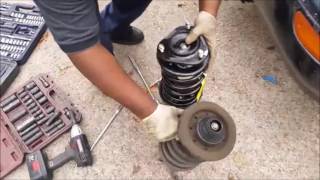
Note: Labor costs can vary significantly. Some sources estimate labor between $150-$300 per pair. Total replacement cost for a pair at a shop can range from $778 to $961. 🎬 See how to replace Corolla front struts yourself
Related Parts to Replace With Your Struts

To do the job right and avoid future problems, it's wise to replace several related components at the same time.
- Strut Mounts (Bearing Plates): These are at the top of the strut and can wear out, causing noise and steering issues. They are a common failure point.
- Dust Boot and Bump Stop: The boot protects the strut shaft from dirt and debris, while the bump stop prevents damage from harsh impacts. These are often sold as a kit.
- Sway Bar End Links: These small links connect the sway bar to the strut or control arm. They are inexpensive and often seize up or wear out, causing clunking noises.
Pro Tip: For an easier and safer DIY installation, consider buying a complete strut assembly, also known as a "quick-strut" or "loaded strut." This includes a new strut, coil spring, and mount, all pre-assembled. This eliminates the dangerous job of compressing the old coil spring.
Installation Tips and Torque Specs

Replacing the struts on a 1993-1994 Corolla is a manageable job for a DIYer with the right tools. If you are replacing the entire assembly, you will not need a spring compressor.
🎬 Watch this step-by-step front strut replacement walkthrough- Safety First: Always use jack stands to support the vehicle securely before starting work. Never rely on a jack alone.
- Brake Line: Be careful with the flexible brake hose. Unbolt its mounting bracket from the old strut and ensure it's not stretched or twisted during installation.
- Torque Specs: Using a torque wrench is critical for safety and proper function. While specs can vary slightly, common values are:
- Strut-to-Steering Knuckle Bolts (lower): 105 ft-lbs (142 Nm). Some sources cite up to 113 ft-lbs.
- Strut Mount-to-Body Nuts (upper): 29 ft-lbs (39 Nm).
- Brake Hose Bracket Bolt: 21 ft-lbs.
- Sway Bar Link Nut: 55 ft-lbs.
Warning: A professional wheel alignment is required after replacing front struts. Skipping this step will result in poor handling, unsafe driving characteristics, and rapid, uneven tire wear.
Frequently Asked Questions (FAQ)
Do I have to replace struts in pairs?
Yes. Struts should always be replaced in pairs (both front struts or both rear struts at the same time). Replacing only one can cause a dangerous imbalance in handling and stability.
What's the difference between a strut and a shock absorber?
A shock absorber's only job is to dampen spring movement. A strut is a structural part of the suspension that also supports the vehicle's weight and acts as a pivot point for the steering. Your Corolla uses struts on the front and rear.
Will bad struts cause my car to fail an inspection?
In many regions, a vehicle can fail a safety inspection if a strut is visibly leaking fluid or is broken. Even if it doesn't cause a failure, the negative effects on braking and handling are a significant safety concern.
Is a KYB strut a good replacement for my Corolla?
Yes, KYB is a highly regarded brand and was the original equipment manufacturer (OEM) for many Toyota vehicles. A KYB strut is generally considered a high-quality replacement that will restore the original ride and handling characteristics.
Helpful Videos
Technical Specifications
OEM Part Numbers: 48510-02030 48510-09140 48510-12800 48510-12870 48510-19415 48510-19495 48510-19505 48510-19615 48510-19625 48520-12620 48520-12810 48520-19415 48520-19425 48520-19455 48520-19465
Torque Specs: - Strut-to-Knuckle Bolts: 105 ft-lbs (142 Nm) - Strut Mount-to-Body Nuts: 29 ft-lbs (39 Nm) - Sway Bar Link Nut: 55 ft-lbs (75 Nm)

The information in this article is provided for general reference and educational purposes only. Vehicle specifications, procedures, and part compatibility can vary by production date, trim level, and region. Always consult your vehicle's factory service manual and verify part numbers before purchasing or performing repairs. Safety-critical components such as airbags, seat belts, and braking systems should be installed by a qualified professional.
- Toyota Corolla:
- 🎬 Helpful Videos
- Symptoms of a Failing Strut
- Noises and Vibrations
- Poor Handling and Ride Quality
- Visual Signs
- Buying a Used 1993-1994 Corolla Strut: What to Inspect
- Physical Inspection
- Compatibility Checks
- Mileage and Wear
- Known Issues, TSBs, and Recalls
- Cost Comparison: 1993-1994 Corolla Strut Replacement
- Related Parts to Replace With Your Struts
- Installation Tips and Torque Specs
- Frequently Asked Questions (FAQ)
- 🎟️ Get 5% Off