

2008-2009 Lexus GX470 Electronic Strut Guide: Noises, AVS Faults, and Replacement
Learn to diagnose the unique electronic Adaptive Variable Suspension (AVS) struts, understand common clunking noises, and choose the right replacement for your luxury SUV.
- These are electronic AVS struts; replacing them with cheaper, non-electronic parts will cause dashboard warning lights and a harsh ride.
- A visible fluid leak from the strut body is the most definitive sign of failure and requires immediate replacement.
- Always replace front struts in pairs (left and right) and perform a four-wheel alignment afterward to prevent uneven tire wear.
- When buying a used strut, prioritize a dry, leak-free unit with an intact electronic connector over low mileage alone.
Known Issues, TSBs, and Recalls
As of mid-2024, there are no specific recalls issued by the National Highway Traffic Safety Administration (NHTSA) for the front struts on the 2008-2009 Lexus GX470. However, a general Technical Service Bulletin (TSB), L-SB-0002-20, was issued to help technicians differentiate between a minor fluid "seep" and a more serious fluid "leak" on powertrain and underbody components, which is relevant when inspecting struts for failure. The most common issues with these struts are age and mileage-related wear, leading to leaks and the failure of the electronic AVS functionality.
Symptoms of a Failing Strut


Because these struts are both mechanical and electronic, you may notice a combination of physical symptoms and electronic warnings.
Noises and Vibrations
- Clunking or Knocking: A common symptom is a clunking or knocking sound, especially when driving over bumps, potholes, or uneven roads at lower speeds. This can indicate worn internal components of the strut or a failing top mount.
- Squeaking or Creaking: This can occur when turning the steering wheel or going over bumps and may point to worn bushings in the strut mount.
- Feeling the Clunk: Some drivers report being able to feel the clunk through the floorboard, often indicating a significant issue with a suspension component like a lower control arm bushing or the strut itself.
Poor Ride Quality and Handling
- Bouncy or Floating Ride: If the strut's internal valving has failed, it can no longer effectively dampen spring oscillations. The vehicle will feel bouncy and may take a long time to settle after hitting a bump.
- Nose-Diving: When braking, the front of the vehicle may dip or "dive" excessively. This indicates the front struts are too weak to manage the weight transfer.
- Body Roll: You may notice excessive leaning when cornering, as the struts are not providing the necessary stiffness to keep the vehicle level.
Visual and Electronic Signs
- Fluid Leaks: The most definitive sign of a failed strut is hydraulic fluid leaking from the shock absorber body. Look for an oily, wet appearance on the strut, which will attract dirt and grime.
- Suspension Warning Light: A failure in the AVS actuator or its wiring will trigger a suspension warning light on the dashboard. The system will often default to its firmest setting, resulting in a harsh ride.
- Mode Selection Failure: If the switch to change between "Comfort" and "Sport" modes no longer works or makes no difference in ride quality, it points to a fault in the AVS system.
Pro Tip: A simple "bounce test" can help identify a bad strut. Push down firmly on one of the front corners of the vehicle and release. If the vehicle bounces more than once or twice before settling, the strut on that corner is likely worn out.
Buying a Used 2008-2009 GX470 Strut

Purchasing a used OEM strut can be a smart way to save money while retaining the vehicle's original ride quality features. However, since struts are a wear item, careful inspection is crucial.
Why Used OEM is Often Better than New Aftermarket
The key feature of the GX470's suspension is the electronic AVS system. Many new aftermarket struts are "passive" conversion kits, meaning they delete the electronic adjustment feature. Installing these will result in a permanent suspension warning light on the dash and the loss of the selectable ride modes. While some premium aftermarket brands like Arnott offer AVS-compatible struts, they can be expensive. 🎬 Watch how to install Arnott front shocks on a Lexus GX470 A low-mileage, leak-free used OEM strut preserves the original functionality at a fraction of the cost of a new one.
🎬 Watch this guide on fixing Lexus GX470 suspension issues for lessInspection Checklist
- Check for Leaks: This is the number one priority. The strut body should be dry. Any sign of oil residue, even if it looks old, is a major red flag.
- Inspect the AVS Actuator: Check the electronic actuator and its connector on top of the strut. Ensure the connector pins are straight and free of corrosion and that the plastic housing isn't cracked.
- Examine the Coil Spring: Look closely for any cracks, heavy rust, or breaks in the coil spring.
- Check the Upper Mount: Inspect the rubber in the upper mount for significant cracks or signs of dry rot.
- Ask About Mileage: Ask the seller for the mileage of the donor vehicle. Struts on a GX470 often begin to fail between 100,000 and 150,000 miles. A part from a vehicle with lower mileage is preferable, but a clean, dry strut from a higher-mileage vehicle can still be a good value.
Warning: The front strut assembly for a GX470 with AVS is the same part for the left and right sides. However, ensure you are buying a strut specifically for a model with the electronic Adaptive Variable Suspension, as struts from a base model without AVS will not work correctly.
Cost Comparison
Prices can vary by region and supplier, but this provides a general cost expectation for a single front strut assembly.
| Part Type | Estimated Cost (Part Only) |
|---|---|
| New OEM | $220 - $315 |
| New Aftermarket (AVS Compatible) | $220 - $260 |
| New Aftermarket (Non-AVS Conversion) | $120 - $200 |
| Used OEM | $150 - $350 |
| Shop Labor | $280 - $415 |
Replacement Overview and Torque Specs

Replacing a front strut is a job for an experienced DIYer or a professional mechanic. It requires lifting the vehicle and handling components under high tension. An alignment is required after replacement.
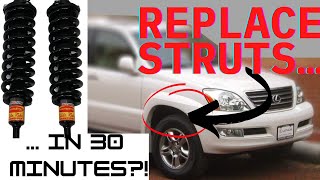
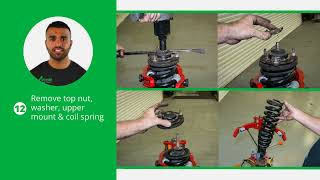
🎬 Watch a quick step-by-step front strut replacement tutorialThe basic process involves disconnecting the AVS actuator, sway bar link, and upper control arm, then removing the three top mounting nuts and the large lower bolt. The electronic actuator on top can be tricky to remove due to tight access.
Key Torque Specifications:
Using correct torque is critical for safety and performance. While values can vary slightly between sources, these are commonly cited figures:
- Top Mount Nuts (x3): 46 ft-lbs (64 Nm)
- Lower Strut Bolt/Nut: 70-100 ft-lbs (95-135 Nm). Sources vary, with 100 ft-lbs being a common recommendation for the lower bolt.
- Upper Control Arm to Spindle (Castle Nut): 82 ft-lbs (110 Nm)
Frequently Asked Questions (FAQ)
Do I need to replace struts in pairs?
Yes. Struts should always be replaced in pairs (both front or both rear) to ensure even damping, proper handling, and consistent ride height. Replacing only one can lead to unpredictable handling and premature wear of other suspension components.
What is the difference between AVS and KDSS?
AVS (Adaptive Variable Suspension) electronically controls the stiffness of the shock absorbers to adjust ride comfort and handling. KDSS (Kinetic Dynamic Suspension System) electronically adjusts the vehicle's sway bars, stiffening them on-road to reduce body roll and effectively disconnecting them off-road to increase wheel articulation. A vehicle can have AVS, KDSS, both, or neither.
Will I get a warning light if I install non-electronic struts?
Yes. If you replace the factory AVS struts with standard, non-electronic (passive) struts, the vehicle's computer will detect the missing connection and trigger a suspension warning light on the dashboard. The only way to avoid this is to use OEM or AVS-compatible aftermarket struts, or use a specific resistor kit designed to trick the computer.
Is an alignment necessary after replacing front struts?
Absolutely. Replacing front struts will alter the vehicle's suspension geometry. A four-wheel alignment is required to correct the camber, caster, and toe angles to prevent uneven tire wear and ensure the vehicle tracks straight.
Helpful Videos

Technical Specifications
OEM Part Numbers: 48510-60120 48510-60121 48510-69195 48510-69415 48510-69525 48131-6B491 48609-60060
Fits front left or right position. Designed for vehicles with Adaptive Variable Suspension (AVS). Includes integrated electronic actuator.

The information in this article is provided for general reference and educational purposes only. Vehicle specifications, procedures, and part compatibility can vary by production date, trim level, and region. Always consult your vehicle's factory service manual and verify part numbers before purchasing or performing repairs. Safety-critical components such as airbags, seat belts, and braking systems should be installed by a qualified professional.
- Lexus GX470:
- 🎬 Helpful Videos
- Known Issues, TSBs, and Recalls
- Symptoms of a Failing Strut
- Noises and Vibrations
- Poor Ride Quality and Handling
- Visual and Electronic Signs
- Buying a Used 2008-2009 GX470 Strut
- Why Used OEM is Often Better than New Aftermarket
- Inspection Checklist
- Cost Comparison
- Replacement Overview and Torque Specs
- Key Torque Specifications:
- Frequently Asked Questions (FAQ)
- 🎟️ Get 5% Off