

2019-2025 Acura RDX Struts: A Guide to Standard vs. Active Damper Systems
This guide explains the critical differences between the standard and electronic struts on the 2019-2025 Acura RDX, helping you diagnose noises and choose the correct part.
- The most critical step is identifying if your RDX has standard struts or the electronic Active Damper System (ADS) found on Advance packages; they are not interchangeable.
- Symptoms of failure include clunking over bumps, a bouncy ride, fluid leaks on the strut body, and creaking noises when turning.
- A professional wheel alignment is mandatory after replacing front struts to prevent poor handling and premature tire wear.
- When buying used, prioritize struts from low-mileage vehicles and inspect carefully for leaks or physical damage.
Symptoms of a Failing RDX Strut

When a strut begins to fail, it can affect ride quality, handling, and safety. Look out for these common symptoms:
- Clunking or Knocking Noises: This is the most reported symptom. You may hear a loud clunk, pop, or knock when driving over bumps, speed bumps, or uneven roads. This sound often points to a worn-out internal damper or a failed strut mount.
- Bouncy or Unstable Ride: If the internal shock absorber is worn, it can't control the spring's movement effectively. This results in a floaty or bouncy ride, and the vehicle may rock back and forth multiple times after hitting a bump.
- Squeaking or Creaking Sounds: A squeaking or creaking noise, especially when turning the steering wheel at low speeds or going over bumps, can indicate a problem with the strut mount or its bearing. Some owners have reported these noises even on low-mileage vehicles.
- Visible Fluid Leaks: The shock absorber portion of the strut is filled with hydraulic fluid. If you see oily or wet residue on the body of the strut, it means the seal has failed and the strut needs to be replaced.
- Nose-Diving or Squatting: Worn front struts can cause the front of the RDX to dip excessively when you brake. Similarly, worn rear struts can cause the rear to squat during acceleration.
- Uneven Tire Wear: Because failing struts can affect wheel alignment, you might notice your tires wearing unevenly, particularly on the inner or outer edges.
Critical: Standard vs. Active Damper System (ADS) Struts
The single most important factor when replacing a strut on a 2019-2025 RDX is identifying which suspension system your vehicle has. Acura offered two distinct types, and the parts are NOT interchangeable.
How to Identify Your RDX's Suspension
1. Check Your Trim Level:
- Standard Suspension (Amplitude Reactive Dampers): Found on the base RDX, Technology Package, and A-Spec models. These are conventional, non-electronic struts.
- Active Damper System (ADS): Found exclusively on the Advance Package and A-Spec Advance Package. These are electronic struts that actively adjust based on the selected drive mode (Comfort, Sport, etc.).
2. Visual Inspection:
- Active Damper System (ADS) struts will have an electrical wire and connector coming out of the top of the strut mount, visible in the engine bay.
- Standard struts will not have this electrical connector.
3. Check the Drive Mode Selector: While all RDX models have the Integrated Dynamics System (IDS) dial, only vehicles with the Active Damper System will physically change the suspension firmness between modes like Comfort and Sport. If you can feel a distinct difference in ride stiffness when changing modes, you likely have ADS.
Pro Tip: Before ordering, always visually inspect the top of your current front struts for an electrical connector. This is the most reliable way to confirm if you have the expensive electronic ADS struts or the more common standard version.
Buying a Used 2019-2025 RDX Strut

A used OEM strut can be an excellent value, especially for the pricey Active Damper System models. However, since struts are a wear item, careful inspection is key.
- Verify Compatibility: First and foremost, confirm if you need a standard or ADS strut using the guide above. Also, check for Front-Wheel Drive (FWD) vs. All-Wheel Drive (AWD) specific parts, as some part numbers are designated for one or the other. Finally, ensure you are getting the correct side (Front Left/Driver or Front Right/Passenger).
- Check for Leaks: Inspect the strut body thoroughly. Any sign of oily residue indicates a blown seal, and the strut is useless. It should be dry and clean (aside from normal road dust).
- Assess Mileage: Ask for the mileage of the donor vehicle. A strut from a vehicle with under 50,000 miles has plenty of life left. Be cautious of struts from vehicles with over 100,000 miles, as they are approaching the end of their typical service life.
- Inspect the Body and Rod: Look for any dents, deep rust, or physical damage to the strut body. Check that the chrome piston rod is smooth, straight, and free of pitting or rust, which can tear the seals.
- Consider the Complete Assembly: Whenever possible, buy the complete strut assembly, which includes the spring, mount, and boot. This makes replacement much easier and safer, as you won't need a dangerous spring compressor. It also ensures you get a matched spring and mount.
- Why Used OEM vs. New Aftermarket: For standard suspension, used OEM struts often provide better ride quality and durability than cheap, new aftermarket options. For the Active Damper System, a used OEM strut is often the only affordable alternative to a very expensive new dealer part.
Known Issues, TSBs, and Recalls
- TSB 20-025: Some 2019-2020 RDX models may exhibit a squeaking or creaking from the front suspension when going over bumps. This is caused by the lower control arm bushing contacting the subframe. The fix involves replacing the entire lower control arm. While not a strut issue, the noise can be easily misdiagnosed as a bad strut.
- TSB 16-059 (for older models): While for the previous generation, it's worth noting a history of pop or clunk noises from the rear suspension in cold weather due to hard damper mount bushings. Similar issues could potentially appear on third-generation models.
- No Major Strut-Related Recalls: As of mid-2026, there are no major recalls specifically for the struts on the 2019-2025 RDX. There have been recalls for other suspension and steering components, but not the struts themselves.
Replacement Overview

Replacing a front strut is a job for an experienced DIYer with the right tools. The rear shocks are simpler.
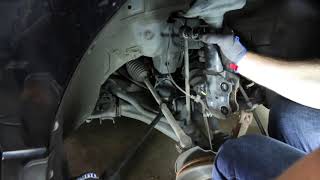
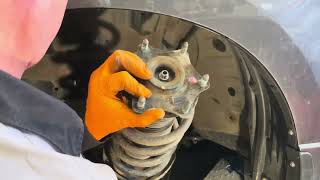
- Key Steps (Front): The process involves lifting the vehicle, removing the wheel, disconnecting the sway bar link and any sensor wires from the strut, removing the large bolts connecting the strut to the steering knuckle, and finally unbolting the strut mount nuts from the top of the strut tower in the engine bay. 🎬 See how to replace front shock absorbers on an RDX
- Special Tools: You will need a good set of metric sockets, wrenches, and a torque wrench. A pry bar can be helpful for leverage. 🎬 Watch: Step-by-step guide to replacing Acura RDX struts If you are not replacing the entire assembly, you will need a spring compressor, which is a dangerous tool if used improperly.
- Torque Specs: Using correct torque specs is critical for safety. While specs can vary slightly by model year and location, typical values for similar vehicles are around 33 ft-lbs for the top strut mount nuts and over 100 ft-lbs for the lower knuckle bolts. Always verify the correct specs for your specific vehicle.
- Related Parts: It is highly recommended to replace strut mounts, bearings, and dust boots when replacing struts, as these components wear out as well. If you buy a complete used assembly, these parts are included. Also, inspect the sway bar end links, as they are inexpensive and easy to replace at the same time.
Warning: A professional four-wheel alignment is mandatory after replacing a front strut. Skipping this step will result in poor handling and rapid, uneven tire wear.
Cost of Replacement
Prices can vary significantly based on your vehicle's suspension type (Standard vs. ADS) and the parts you choose.
| Part/Service | Estimated Cost |
|---|---|
| New OEM Strut (Standard) | $360 - $400 per strut |
| New OEM Strut (Active Damper System) | $370 - $550 per strut |
| New Aftermarket Strut Assembly (Standard) | $90 - $150 per strut |
| Used OEM Strut Assembly | $150 - $350 per strut, depending on mileage and type |
| Shop Labor (per strut) | $160 - $240 |
| Wheel Alignment | $100 - $200 |
Frequently Asked Questions (FAQ)
Do I need to replace struts in pairs?
Yes, it is always recommended to replace struts on the same axle (both front or both rear) at the same time. Replacing only one can lead to unbalanced handling and instability, as one side of the car will dampen differently than the other.
What's the difference between a strut and a shock?
A strut is a structural part of the suspension that incorporates a shock absorber (damper) and a coil spring into one unit. A shock absorber is just the damper itself and does not support the vehicle's weight. The 2019-2025 RDX uses MacPherson struts in the front and a multi-link rear suspension with separate shocks and springs.
Will a standard strut work on my RDX Advance Package?
No. If your RDX has the Advance or A-Spec Advance package, it is equipped with the electronic Active Damper System (ADS). You must use the correct electronic struts. Installing standard struts will result in a dashboard warning light and a disabled Integrated Dynamics System, and the vehicle will not handle as designed.
My RDX makes a creaking noise over bumps. Is it the strut?
It could be, but it might also be the lower control arm bushings. Acura issued Technical Service Bulletin (TSB) 20-025 for a creaking or squeaking noise from the front suspension, which is caused by the control arm bushings, not the struts. It's important to diagnose the noise correctly before replacing parts.
Helpful Videos
Technical Specifications
OEM Part Numbers: 51611-TJB-A01 51611-TJB-A02 51611-TJB-A03 51611-TJB-A04 51611-TJB-A52 51611-TJC-A02 51621-TJB-A02 51621-TJB-A03 51621-TJB-A04 51621-TJB-A05 51621-TJB-A52 51621-TJC-A02
Front Suspension: MacPherson Strut. Rear Suspension: Multi-link with separate coil springs and shock absorbers. Two available damper types: standard Amplitude Reactive Dampers (Base, Tech, A-Spec) and electronic Active Damper System (Advance, A-Spec Advance).
We Have This Part in Stock


The information in this article is provided for general reference and educational purposes only. Vehicle specifications, procedures, and part compatibility can vary by production date, trim level, and region. Always consult your vehicle's factory service manual and verify part numbers before purchasing or performing repairs. Safety-critical components such as airbags, seat belts, and braking systems should be installed by a qualified professional.
- Acura RDX: