

2013-2014 Ford Flex Radio Failure: Solving No Sound, Popping, and Blank Screen Issues
This guide covers the common causes of radio failure in the 2013-2014 Ford Flex, focusing on the Audio Control Module (ACM) and how to find the correct replacement part.
- The most common cause of radio failure is the Audio Control Module (ACM), with symptoms like no sound, popping noises, or a blinking clock.
- For a like-for-like replacement, these radios are plug-and-play and do NOT require dealer programming.
- It is critical to buy the correct version: this guide covers the NON-SATELLITE radio (Part # DA8T-19C107-FA, FB, or FC).
- A used OEM radio is the most economical and straightforward fix, avoiding the high cost and complexity of installing an aftermarket unit with adapters.
Symptoms of a Failing Ford Flex Radio (ACM)
Failure of the Audio Control Module (ACM) in the 2013-2014 Ford Flex is common and presents with very distinct symptoms. The root cause is often internal failure of electronic components on the module's circuit board. If you are experiencing any of the following, the ACM is the most likely culprit.
- Complete Loss of Audio: The most common symptom is when the radio display appears to be working correctly—you can change stations or see track information—but no sound comes from any speaker.
- Loud Popping or Static: A loud pop or crackle from the speakers when the vehicle is started, or persistent static during operation, points to a failing internal amplifier within the ACM.
- Blinking Clock: The clock on the display may flash continuously (often showing 12:00) and will not hold the correct time, no matter how many times you set it.
- No Power or Blank Screen: The unit may fail to power on entirely, leaving the screen dark and all buttons unresponsive.
- Warning Chimes from Dash: On Ford vehicles, audible warnings (like the door ajar or seatbelt chime) normally play through the stereo speakers. When the ACM fails, the vehicle's computer reroutes these chimes to a small speaker in the instrument cluster as a backup.
Associated Diagnostic Trouble Codes (DTCs)
A professional scan tool may reveal specific communication error codes when the ACM has failed. These codes indicate that other vehicle modules can no longer communicate with the radio.
- U0253: Lost Communication With Accessory Protocol Interface Module (APIM)
- U2009: Audio Front Control Module (ACM) is Not Responding
Diagnosing the Issue
Before condemning the radio, perform these simple checks:
- Check the Fuse: A blown fuse can mimic a dead radio. Consult your owner's manual for the location of the radio fuse in the fuse panel and inspect it.
- Perform a System Reset: Sometimes, a software glitch can cause the radio to lock up. Disconnecting the vehicle's negative battery terminal for about 15-30 minutes can force a hard reset of the module and may temporarily restore function.
If these steps do not resolve the issue, the ACM itself has likely failed internally and requires replacement or repair.
Known Issues, TSBs, and Recalls
While there are no safety recalls for the radio in the 2013-2014 Ford Flex, Ford has issued Technical Service Bulletins (TSBs) related to audio problems:
- TSB 14-0175: Addresses complaints of poor audio reception accompanied by a whistling noise in some 2013-2014 Flex vehicles.
- TSB 13-1-13: Documents issues of audio popping, distorted sound, and the radio switching from stereo to mono, which could be resolved by reprogramming the ACM.
Note that these TSBs were intended for vehicles under warranty and often involved software updates. For an out-of-warranty vehicle with a completely failed unit, replacement is the most common solution.
Important: The part numbers and information in this guide are for the standard AM/FM/CD/MP3 radio. They are NOT for vehicles equipped with the large 8-inch MyFord Touch screen or the premium Sony audio system.
Buying a Used 2013-2014 Flex Stereo
Purchasing a used OEM radio is often the most cost-effective and straightforward solution. Because these units do not typically require programming, it can be a simple plug-and-play swap.
Compatibility is Critical
The single most important step is verifying compatibility. Ford produced these radios with and without satellite radio capability. This guide and the listed part numbers are for vehicles WITHOUT satellite radio.
- Match the Part Number: The surest way to guarantee compatibility is to match the engineering part number on your original radio. The most common part numbers for the non-satellite radio are DA8T-19C107-FA, DA8T-19C107-FB, and DA8T-19C107-FC.
- Interchangeable Suffixes: The final two letters (e.g., FA, FB, FC) indicate minor revisions. For this specific radio, these suffixes are known to be interchangeable. A unit ending in 'FC' will work perfectly in a vehicle that originally had a unit ending in 'FA'.
- Physical Inspection: When buying a used unit, check the front panel for excessive wear, scratches on the screen, and ensure the rear connectors are not bent or damaged.
Why Used OEM is Often Better Than Aftermarket
For a simple replacement, a used OEM unit is often superior to a new aftermarket one. Aftermarket stereos require expensive dash kits and wiring adapters to fit the Flex's dashboard and integrate with factory systems. To retain features like steering wheel controls, you need a special CAN-bus interface module, which can add hundreds of dollars to the installation cost. A compatible used OEM radio plugs directly into the factory wiring with no adapters needed, preserving all original functionality instantly.
Cost of Replacement
The cost to fix a failed radio can vary significantly depending on the route you take.
| Repair Option | Estimated Cost |
|---|---|
| New OEM | $560 - $740 |
| Used OEM | $75 - $200 |
| Remanufactured / Repair Service | $160 - $300 |
| New Aftermarket (with install kits) | $450 - $900+ |
| Shop Labor for Installation | $150 - $250 |
DIY Replacement Overview
Replacing the radio in a 2013-2014 Flex is a manageable DIY project for those with basic tools. The process generally involves using plastic trim removal tools to unclip the trim panels around the center console and radio, followed by removing two 7mm screws that secure the radio unit. Once the screws are out, the unit can be pulled forward, the wiring connectors can be unplugged, and the new unit can be installed by reversing the steps.
Frequently Asked Questions (FAQ)
Does a replacement radio need to be programmed by the dealer?
No, as long as you are replacing your original radio with a compatible used OEM unit (e.g., non-satellite for non-satellite), it is a plug-and-play installation and does not require dealer programming.
Can I upgrade this base radio to a large touchscreen?
Yes, it is possible to upgrade from the 4.3-inch base radio to the 8-inch SYNC 2 or SYNC 3 touchscreen system. However, this is a complex and expensive conversion that requires a new screen, control module (APIM), specific wiring harnesses, and professional programming.
What is the difference between part numbers ending in FA, FB, and FC?
These two-letter suffixes typically denote minor hardware or software revisions made during production. For the 2013-2014 Flex non-satellite radio, these part numbers are fully interchangeable.
My Flex has satellite radio. Will the radio described in this guide work?
No. The part numbers listed here (DA8T-19C107-FA, FB, FC) are specifically for vehicles that were NOT built with factory satellite radio. You must source a replacement radio with a part number that matches your original satellite-equipped unit.
Technical Specifications
OEM Part Numbers: DA8T-18B955-FA DA8T-19C107-CF DA8T19C107FA DA8T19C107FB DA8T19C107FC DA8T19C107GC DA8T19C107HB DA8Z18C869FA
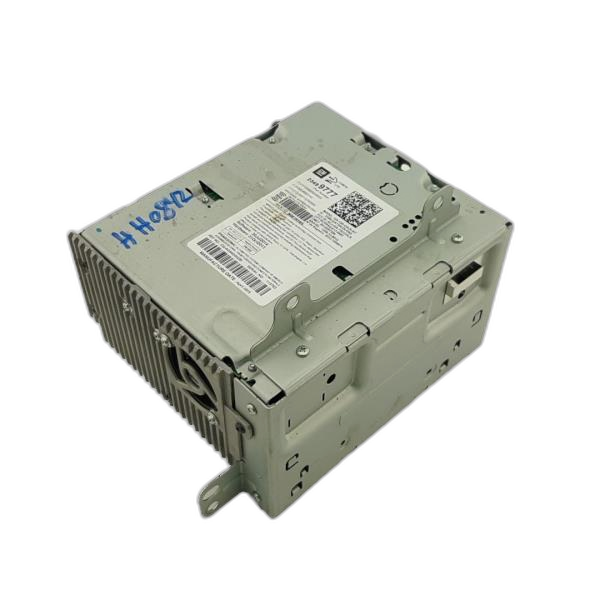
Standard AM/FM/CD/MP3 Audio Control Module for vehicles without factory satellite radio.
We Have This Part in Stock




The information in this article is provided for general reference and educational purposes only. Vehicle specifications, procedures, and part compatibility can vary by production date, trim level, and region. Always consult your vehicle's factory service manual and verify part numbers before purchasing or performing repairs. Safety-critical components such as airbags, seat belts, and braking systems should be installed by a qualified professional.
- Ford Flex:
- 🛍️ Shop This Part
- Symptoms of a Failing Ford Flex Radio (ACM)
- Associated Diagnostic Trouble Codes (DTCs)
- Diagnosing the Issue
- Known Issues, TSBs, and Recalls
- Buying a Used 2013-2014 Flex Stereo
- Compatibility is Critical
- Why Used OEM is Often Better Than Aftermarket
- Cost of Replacement
- DIY Replacement Overview
- Frequently Asked Questions (FAQ)
- 🎟️ Get 5% Off