

1986-1991 Mazda RX-7 Steering Shaft: Fixing Clunks and Power vs. Manual Confusion
This guide covers the common failure symptoms, replacement costs, and the critical differences between power and manual steering shafts for the FC RX-7.
- The most critical compatibility issue is matching the shaft to your car's steering system; power and manual steering shafts are not interchangeable.
- Worn universal joints (U-joints) are the primary cause of failure, leading to clunking noises and steering wheel play.
- When buying a used shaft, physically inspect the U-joints for any play or binding; they should be tight and move smoothly.
- New OEM shafts are largely discontinued, making a quality used OEM part the most practical and cost-effective replacement option.
Symptoms of a Failing Steering Shaft
Failure of the steering shaft on a 1986-1991 Mazda RX-7 is almost always due to wear in its universal joints (U-joints). Over time, these joints lose their internal grease, and the needle bearings inside wear out, creating excessive play. Here are the most common symptoms:
- Clunking or Knocking Noises: A distinct 'clunk' or 'knock' sound can be heard and felt through the steering wheel, especially when turning at low speeds, like when parking or navigating a driveway. This is caused by the worn U-joint suddenly taking up slack.
- Steering Wheel Play: You may notice excessive 'slop' or looseness in the steering. This means you can turn the wheel an inch or more in either direction before the front wheels begin to respond. While other components like tie rods can also cause this, a worn steering shaft U-joint is a frequent culprit.
- Binding or Stiff Spots: In more severe cases, the U-joint can begin to bind as it rotates. This creates a tight or notchy feeling in the steering at certain points in its rotation, followed by a loose spot. This indicates a critical level of wear.
- Vibrations: A worn or failing U-joint can cause vibrations that are felt through the steering wheel, particularly while driving.
Pro Tip: To diagnose steering play, have a helper turn the steering wheel back and forth with the engine off while you observe the components. Watch the U-joint where the shaft connects to the steering rack in the engine bay. If you see the shaft turning before the input on the rack moves, the U-joint is worn.
The Critical Difference: Power vs. Manual Steering
Warning: The 1986-1991 RX-7 was offered with two different steering systems: power-assisted and fully manual. The steering shafts for these two systems are different and are NOT interchangeable. You must verify which system your vehicle has before ordering a replacement part.
The primary difference lies in how they connect to their respective steering racks. While forum discussions confirm they are different, specific part number differences are not well-documented for the shafts themselves, making visual confirmation essential. The steering racks have different gear ratios (power is quicker at ~15:1-17:1, manual is slower at ~20:1), which may necessitate different shaft lengths or spline designs to mate correctly. Installing the wrong shaft can result in improper engagement with the steering rack, which is extremely dangerous.
How to Tell Which System You Have:
- Check for a Power Steering Pump: The easiest way is to look in the engine bay. A car with power steering will have a power steering fluid reservoir (a small plastic tank with a cap) and a pump driven by a belt. A manual steering car will have none of these components.
- Inspect the Steering Rack: Power steering racks have hydraulic lines connected to them, while manual racks do not.
Buying a Used 1986-1991 RX-7 Steering Shaft
Since new OEM steering shafts are often discontinued and expensive, a quality used OEM part is the most common and practical solution. The shaft is a durable metal component, and a good one from a low-mileage, accident-free car can last for many more years. Here’s what to look for:
Step 1: Verify Compatibility
First and foremost, confirm with the seller whether the shaft came from a vehicle with power steering or manual steering. As noted, they do not interchange. Ask for a picture of the part or the VIN of the donor car to be certain.
Step 2: Inspect the Universal Joints (U-Joints)
This is the most important inspection point. Hold one end of the shaft firmly and try to twist the other end. The movement should be perfectly smooth through its entire range of motion. Check for:
- No Play: There should be zero rotational play or 'slop' in the joint. If you can wiggle one side without the other moving, the joint is worn and will cause clunking.
- No Binding or Notchiness: The joint should pivot smoothly without catching or feeling gritty. Any binding means the internal bearings are failing.
Step 3: Check the Splines and Mounting Points
Inspect the splined ends where the shaft connects to the steering column and the steering rack. The splines should be clean, straight, and well-defined. Look for any signs of twisting, stripping, or severe rust that could compromise a secure connection.
Step 4: Examine for Corrosion and Damage
Surface rust is normal for a used part, but you should avoid any shaft with deep, pitting rust that could weaken the metal. Check the main body of the shaft to ensure it is straight and has not been damaged in a collision. The collapsible section should not appear compressed or buckled.
Known Issues, Recalls, and Service Bulletins
As of mid-2026, there are no specific NHTSA recalls or major Technical Service Bulletins (TSBs) for the steering shaft itself on the 1986-1991 Mazda RX-7. Most issues are related to age and wear of the U-joints, which is a common maintenance item on older vehicles. While some owners report creaking noises from the steering system, this is often traced to other components like upper strut mounts rather than the shaft.
Replacement Cost Comparison
New OEM shafts are generally unavailable or prohibitively expensive. Aftermarket options are scarce, making used OEM the go-to choice.
| Part Source | Estimated Price Range |
|---|---|
| New OEM (If Found) | $400 - $600+ (Largely discontinued) |
| New Aftermarket | Not commonly available |
| Used OEM | $75 - $200 |
| Shop Labor Cost | $200 - $400 |
Installation Overview & Difficulty
Replacing the steering shaft is a moderately difficult job that can be done by a skilled DIY mechanic. It involves working in both the driver's footwell and the engine bay.
- Difficulty Rating: 3 out of 5
- Estimated Time: 2-3 hours
- Key Steps:
- Center the steering wheel and secure it to prevent it from turning. This is critical to avoid damaging the clock spring (if equipped).
- Remove the pinch bolt connecting the shaft to the steering column inside the car, under the dashboard.
- Remove the pinch bolt connecting the lower end of the shaft to the steering rack input in the engine bay.
- Pry the ends off the splines and maneuver the shaft out of the vehicle.
- Installation is the reverse of removal. 🎬 Watch: Step-by-step steering shaft replacement walkthrough Ensure bolts are torqued to specification and that the steering wheel remains centered.
Warning: Do not turn the steering wheel while the shaft is disconnected. Doing so can damage the turn signal switch assembly or airbag clock spring, leading to expensive repairs.
Frequently Asked Questions (FAQ)
Can I just replace the U-joints on my old steering shaft?
Technically, the U-joints on the original Mazda driveshafts and some steering shafts were not designed to be serviceable. However, some resourceful owners have found replacement U-joints (like Rockford 430-10a for n/a models) and successfully replaced them, though this requires grinding out the old, staked-in joints. For most people, replacing the entire shaft assembly with a good used unit is a more straightforward repair.
Is a little steering play normal for an old RX-7?
While some minor play can develop over 30+ years, significant looseness or clunking is not normal and indicates a worn component. Besides the steering shaft, check the inner and outer tie rod ends and the steering rack mounting bushings, as these are also common sources of play.
What happens if I install a power steering shaft on a manual rack car (or vice-versa)?
The shafts will likely not physically interchange due to differences in length or spline design at the steering rack connection. Forcing the wrong part could result in a loose, unsafe connection that could lead to a complete loss of steering control.
My steering makes a creaking or groaning noise, is that the shaft?
While a severely worn U-joint can make noise, a persistent creaking or groaning sound when turning the wheel (even when stationary) is more often caused by worn upper strut mounts or dry steering rack bushings. A failing power steering pump can also cause groaning noises.
Helpful Videos
Technical Specifications
OEM Part Numbers: FB0532090F
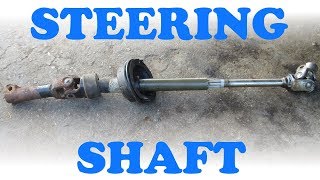
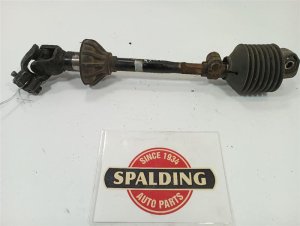
Consists of a collapsible main shaft with upper and lower universal joints (U-joints). Connects the interior steering column to the exterior steering rack. Specific lengths and spline counts differ between power and manual steering versions.
We Have This Part in Stock

The information in this article is provided for general reference and educational purposes only. Vehicle specifications, procedures, and part compatibility can vary by production date, trim level, and region. Always consult your vehicle's factory service manual and verify part numbers before purchasing or performing repairs. Safety-critical components such as airbags, seat belts, and braking systems should be installed by a qualified professional.
- Mazda RX-7:
- 🎬 Helpful Videos
- 🛍️ Shop This Part
- Symptoms of a Failing Steering Shaft
- The Critical Difference: Power vs. Manual Steering
- How to Tell Which System You Have:
- Buying a Used 1986-1991 RX-7 Steering Shaft
- Step 1: Verify Compatibility
- Step 2: Inspect the Universal Joints (U-Joints)
- Step 3: Check the Splines and Mounting Points
- Step 4: Examine for Corrosion and Damage
- Known Issues, Recalls, and Service Bulletins
- Replacement Cost Comparison
- Installation Overview & Difficulty
- Frequently Asked Questions (FAQ)
- 🎟️ Get 5% Off