

2011-2020 Fisker Karma & Karma Revero Steering Knuckle: Diagnosing Front-End Grinding and Roaring Noises
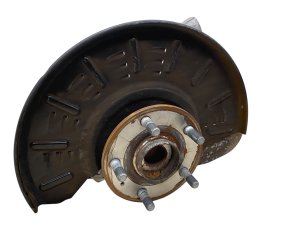
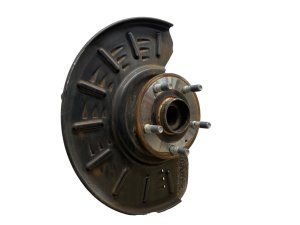
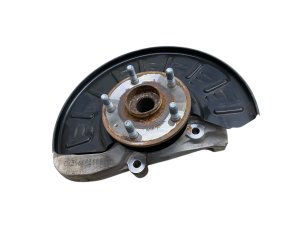
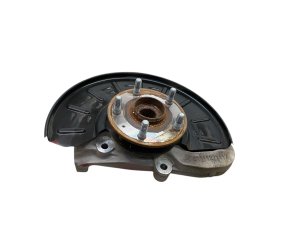
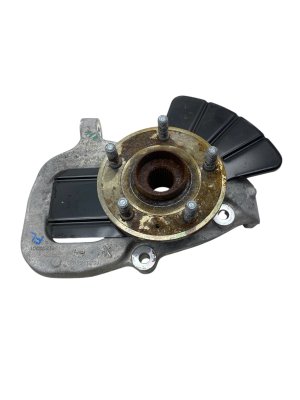
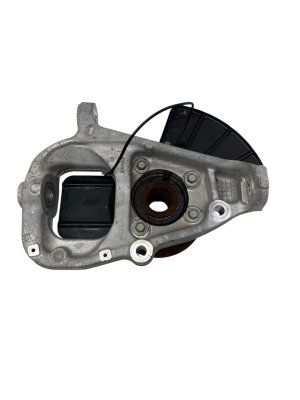
This guide covers the shared front right steering knuckle and wheel hub assembly for the 2011-2012 Fisker Karma and 2017-2020 Karma Revero, focusing on failure symptoms, diagnosis, and replacement options.
- The most common failure is the integrated wheel bearing, which causes a roaring or humming noise that gets louder with speed and changes when turning.
- This front right steering knuckle assembly is shared between the 2011-2012 Fisker Karma and the 2017-2020 Karma Revero.
- No recalls or TSBs have been issued for this specific part, but a bent knuckle from an impact will cause a persistent pull and uneven tire wear.
- A wheel alignment is mandatory after replacement. Due to the rarity of new parts, a low-mileage used OEM assembly is the most common repair solution.
Symptoms of a Failing Steering Knuckle or Wheel Bearing
Because this part is an assembly of the steering knuckle and the wheel hub, failure can manifest in two ways: damage to the knuckle itself from an impact, or, more commonly, failure of the internal wheel bearing. The symptoms for each are distinct.
Noises: The Most Common Symptom
A failing wheel bearing will almost always announce itself with noise. Listen for these specific sounds:
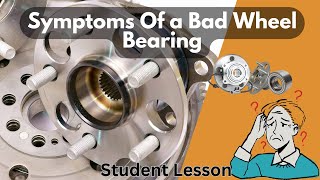
- Humming, Roaring, or Growling: This is the classic sign of a bad wheel bearing. The noise is rotational, meaning it starts as you begin to move and gets louder and higher-pitched as your speed increases. It is often compared to the sound of aggressive mud tires or a distant airplane.
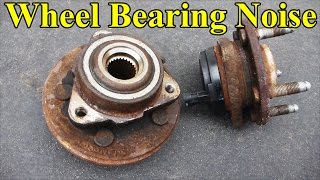
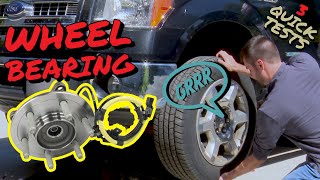
- Noise Changes While Turning: A key diagnostic clue is how the noise changes when you steer. When turning, you shift the vehicle's weight onto the outside wheel. If you turn right and the noise gets quieter, the bad bearing is likely on the right (passenger) side. If you turn left and the noise gets louder, this also points to the right-side bearing 🎬 Watch: How to diagnose wheel bearings with a road test being the culprit as it is being loaded with force.
- Clicking or Snapping: A clicking or snapping sound, especially when turning, can indicate a worn wheel bearing, though it can also be a symptom of a bad CV joint.
- Clunking or Popping: A clunking noise when driving over bumps can be caused by excessive play in a completely failed bearing, or it could point to worn ball joints or other suspension components connected to the knuckle.
Steering and Handling Issues
A damaged knuckle or severely worn bearing can affect steering control and stability.
- Vehicle Pulls to One Side: A bent steering knuckle will alter the suspension geometry (camber and toe angles), causing the vehicle to pull to one side. This pull will be constant and cannot be corrected with a standard alignment.
- Vague or Loose Steering: Excessive play in the wheel bearing can translate to a feeling of looseness in the steering wheel.
- Vibration: A vibration felt in the steering wheel or through the floor, which changes with speed, can be caused by a worn bearing allowing the wheel to wobble slightly.
- Uneven Tire Wear: This is a visual sign of a bad knuckle or bearing. A bent knuckle holds the tire at an incorrect angle, causing rapid wear on the inner or outer edge.
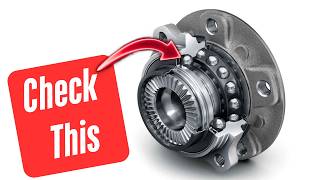
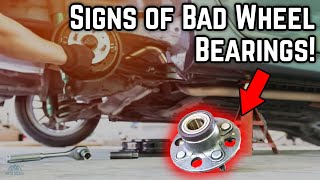
Pro Tip: To diagnose a bad wheel bearing, safely raise the front of the vehicle so the wheel is off the ground. Place your hands at the 12 o'clock and 6 o'clock positions on the tire and try to rock it back and forth. Any noticeable play or clunking indicates a worn wheel bearing. You can also spin the wheel by hand and listen for grinding or feel for roughness.
🎬 See this professional shake and spin test for bad bearingsKnown Issues, TSBs, and Recalls
The Fisker Karma and Karma Revero are low-production vehicles, and as such, there are no widespread, documented patterns of steering knuckle or wheel bearing failure. Likewise, searches of the National Highway Traffic Safety Administration (NHTSA) database show no recalls or Technical Service Bulletins (TSBs) specifically related to the steering knuckles or wheel hub assemblies for either the 2011-2012 Fisker Karma or the 2017-2020 Karma Revero.
However, both vehicles have been subject to several safety recalls for other issues:
- 2012 Fisker Karma: Recalls were issued for potential coolant leaks in the high-voltage battery, faulty cooling fans that could cause a fire, and defective Takata airbag inflators.
- 2017-2020 Karma Revero: Recalls were issued for rollover sensors that were not enabled, non-compliant side-impact door brackets, incorrect driver's side mirror glass, and intermittent turn signal failure on later models.
These recalls do not affect the steering knuckle, but they highlight the importance of checking a vehicle's VIN for any outstanding safety campaigns.
Buying a Used Steering Knuckle Assembly
Due to the rarity of these vehicles, a used OEM steering knuckle assembly is often the most practical and sometimes only available replacement option. New parts are generally not available through standard retailers and must be sourced through a Karma dealership, if available at all. Here’s what to look for when buying used:
- Inspect the Knuckle Itself: The aluminum knuckle is very strong but can be cracked or bent in a collision or from a severe pothole impact. Carefully inspect the entire casting for hairline cracks, especially around the mounting points for the ball joints and tie rod. Look for any signs of impact, like scrapes or gouges.
- Check the Wheel Bearing: This is the most critical inspection. With the assembly off the car, try to turn the hub by hand. It should spin smoothly and silently. Any grinding, roughness, or catching indicates the bearing is bad and the entire assembly is not a good value, unless you plan to press in a new bearing.
- Verify No Bearing Play: Try to wiggle the hub flange. There should be absolutely zero play or wobble. If you can feel any movement, the bearing is worn out.
- Examine Mounting Surfaces: Check all the holes where other parts attach. Ensure they are round and not worn into an oval shape, which can happen if bolts were left loose. The surface where the wheel hub bolts on should be clean and flat.
- Confirm Compatibility: This part is for the front right (passenger side) on rear-wheel-drive models. While the part is shared between the 2011-2012 Fisker Karma and 2017-2020 Karma Revero, always confirm the OEM part number if possible. The number C1311222112 has been identified for the Fisker Karma.
Replacement Overview and Special Procedures
Replacing the steering knuckle assembly is a job for an experienced DIYer or a professional technician. It requires disconnecting major suspension and brake components.
Warning: An alignment is mandatory after replacing a steering knuckle. Failure to do so will result in poor handling and rapid tire wear.
General Steps:
- Safely raise and support the vehicle and remove the wheel.
- Remove the brake caliper and bracket, and hang them securely out of the way without stressing the brake hose. Remove the brake rotor.
- Disconnect the ABS wheel speed sensor connector.
- Remove the axle nut. This nut is torqued very tightly and will require a large breaker bar.
- Separate the steering tie rod end and the upper and lower ball joints from the knuckle using a ball joint separator tool.
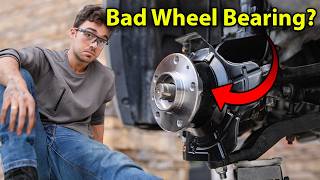
- Push the axle shaft out from the back of the hub and remove the knuckle assembly from the vehicle. 🎬 Watch: A step-by-step walkthrough of a steering knuckle replacement
- Installation is the reverse of removal.
Torque Specifications and TTY Bolts
No specific torque specs for the Fisker/Karma are publicly available. However, vehicles with similar aluminum knuckles use Torque-to-Yield (TTY) bolts, which are designed to be stretched and must be replaced once removed. These require a specific multi-stage tightening process using a torque wrench and a torque angle gauge.
For reference only, torque specs on similar vehicles can be:
- Axle Nut: Often over 200 lb-ft.
- Ball Joint Nuts: 70-120 lb-ft, sometimes with an additional angle turn.
- Caliper Bracket Bolts: 60-100 lb-ft.
Pro Tip: When replacing the knuckle, it is a good time to inspect the ball joints, tie rod ends, and the CV axle boot for wear or damage. Replacing these related parts at the same time can save on future labor costs.
Cost Comparison
Prices for these rare vehicles can vary significantly. The estimates below are based on general repair costs and the limited availability of parts.
| Part Type | Estimated Cost |
|---|---|
| New OEM Assembly | Dealer Only / Price Varies (Likely $800+) |
| New Aftermarket Assembly | Not Generally Available |
| Used OEM Assembly | $200 - $450 |
| New Aftermarket Wheel Bearing Only | $100 - $200 (Requires press for installation) |
| Shop Labor | $250 - $500 (2-4 hours) |
| Wheel Alignment | $100 - $200 (Mandatory) |
Frequently Asked Questions
Can I just replace the wheel bearing instead of the whole knuckle assembly?
Possibly. Aftermarket wheel bearings (like the SKF DS261XF for the 2012 Karma) are available. However, this requires a hydraulic press to remove the old bearing and install the new one into the knuckle. This can add significant labor cost, potentially making a complete used assembly a more economical choice, especially if you are paying a shop for the work.
Is the front right knuckle the same as the front left?
No. The steering knuckles are side-specific. This guide is for the front right (passenger side) assembly only. The left (driver side) part has a different part number and is not interchangeable.
Do I need a wheel alignment after this repair?
Yes, absolutely. The steering knuckle is the primary component that determines your front wheel alignment angles. Replacing it will change the alignment, and a full four-wheel alignment is required to ensure the vehicle drives straight and does not cause premature tire wear.
Why is it so hard to find new parts for my Fisker or Karma?
Fisker Automotive went bankrupt, and the company was reformed as Karma Automotive. Both are very low-volume manufacturers. As a result, a large network of OEM and aftermarket parts was never established like it is for major brands like Ford or Toyota. Most mechanical parts are only available through authorized dealers or specialized used parts recyclers.
Helpful Videos

Technical Specifications
OEM Part Numbers: C1311222112
Material: Forged Aluminum. Includes integrated wheel hub and bearing assembly. Fits front right (passenger side) on RWD models.
We Have This Part in Stock

The information in this article is provided for general reference and educational purposes only. Vehicle specifications, procedures, and part compatibility can vary by production date, trim level, and region. Always consult your vehicle's factory service manual and verify part numbers before purchasing or performing repairs. Safety-critical components such as airbags, seat belts, and braking systems should be installed by a qualified professional.
- Fisker Karma:
- Karma Revero:
- 🎬 Helpful Videos
- 🛍️ Shop This Part
- Symptoms of a Failing Steering Knuckle or Wheel Bearing
- Noises: The Most Common Symptom
- Steering and Handling Issues
- Known Issues, TSBs, and Recalls
- Buying a Used Steering Knuckle Assembly
- Replacement Overview and Special Procedures
- General Steps:
- Torque Specifications and TTY Bolts
- Cost Comparison
- Frequently Asked Questions
- 🎟️ Get 5% Off