

1998-2002 Oldsmobile Intrigue Steering Rack: The FE2 Suspension Warning
This guide covers common steering rack problems, how to identify the correct part for your FE2 suspension, and what to look for when buying a used unit for your Intrigue.
- You MUST verify if your Intrigue has the FE2 'Ride and Handling' suspension via the RPO code sticker in the trunk before buying a replacement rack.
- A clunking noise when turning is a primary symptom, but it can also be caused by a cheaper-to-fix intermediate steering shaft.
- A professional wheel alignment is mandatory after replacement to prevent rapid tire wear and ensure safety.
- When buying used, the condition of the rubber boots is the best indicator of the rack's health; torn boots mean the rack is likely bad.
Symptoms of a Failing Steering Rack


A failing steering rack on an Oldsmobile Intrigue can show several signs. It's important to distinguish these from other issues like a bad power steering pump or worn tie rods.
Noises: Clunks, Grinding, and Whining
- Clunking or Knocking: This is one of the most common symptoms. You may hear a distinct "clunk" or feel a knock through the steering wheel when turning at low speeds, like in a parking lot. This is often caused by worn internal gears or loose mounting bushings. On these GM W-body cars, a clunk can also come from a worn intermediate steering shaft, so diagnosis is key.
- Grinding: A grinding noise when turning can indicate metal-on-metal contact inside the rack, a sign of severe wear or damage. This might happen if the internal bearings have failed.
- Whining or Moaning: A whining sound that gets louder when you turn the wheel is often associated with low power steering fluid or a failing power steering pump. However, if the rack itself has a significant internal leak, it can cause the pump to work harder and whine.
Steering Feel and Response
- Loose or Vague Steering: If you feel excessive play or a "dead spot" in the steering wheel, it could be due to worn gears inside the rack. The car may feel like it wanders on the road.
- Stiff or Heavy Steering: A loss of power assist, making the wheel hard to turn, can be caused by a failing rack, especially if it happens intermittently or in one direction. This could be due to a bad internal seal or a problem with the pinion valve body.
- Pulling to One Side: While often an alignment issue, a faulty steering rack with a persistent internal leak or valve problem can cause the vehicle to pull.
Fluid Leaks
Power steering fluid leaks are a clear sign of a problem. On a steering rack, leaks typically occur from the end seals (wetness inside the rubber bellows/boots) or from the pinion tower where the steering shaft connects. The fluid is typically red or light brown. If you see black or dark brown fluid with a burnt smell or metallic particles, it indicates severe wear and contamination in the system.
Compatibility Warning: The FE2 Ride and Handling Package
The single most important factor when replacing the steering rack on a 1998-2002 Oldsmobile Intrigue is verifying the suspension package. Most Intrigue models with upgraded handling came with the "Ride and Handling" suspension, identified by the Regular Production Option (RPO) code FE2. This package often included a specific steering rack with a different gear ratio or compatibility with the Magnasteer variable-assist system. Using a standard (FE1) rack on an FE2 car can result in poor steering feel and handling. Always check the RPO code sticker, usually located in the trunk on the spare tire cover, before ordering a replacement.
Known Issues, Recalls, and Technical Service Bulletins (TSBs)

While there are no recalls specifically for the steering rack failing on the 1998-2002 Intrigue, there was a significant recall related to the power steering system on some 1998 models.
- NHTSA Recall 03V-527: This recall affected some 1998 Oldsmobile Intrigue models, among other GM vehicles. The issue involved a pinion shaft that could move, leading to increased steering effort or, in severe cases, high resistance to turning left followed by unintended power assist to the right. This was a serious safety issue that could lead to a crash.
- Intermediate Shaft Clunk: A common complaint on many GM vehicles of this era is a clunking noise from the intermediate steering shaft, which connects the steering column to the rack. This is often misdiagnosed as a faulty steering rack. The shaft's splines can bind and release, creating a clunk. Lubricating or replacing the intermediate shaft often solves this specific noise.
- Ignition Switch Recall (NHTSA 14V-400): While not a steering rack issue, a major recall for the ignition switch could cause the engine to turn off while driving, resulting in a sudden loss of power steering assist. This is a critical safety repair that should be verified as completed.
Buying a Used 1998-2002 Intrigue Steering Rack
A used OEM steering rack can be a cost-effective and reliable alternative to expensive new or sometimes questionable remanufactured parts. Here’s what to look for:
- Verify the RPO Code: First and foremost, ensure the donor vehicle had the same suspension RPO code (e.g., FE2) as your car. If buying online, get the VIN of the donor car and check its options.
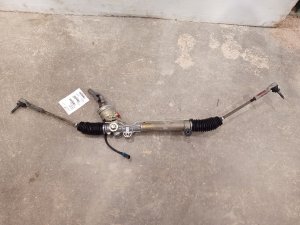
- Inspect the Bellows Boots: The rubber boots at each end of the rack are critical. They must be intact, with no rips, tears, or cracks. A torn boot allows dirt and water in, which will quickly destroy the inner seals and cause leaks. If a boot is torn, assume the rack is bad.
- Check for Leaks: Look for any signs of fluid leakage, especially around the pinion tower (where the steering shaft connects) and at the ends of the rack near the boots. Squeeze the boots; if they feel full of fluid, the inner seals have failed.
- Examine the Lines and Fittings: Inspect the metal hydraulic lines that run across the rack. Ensure they are not heavily corroded, bent, or damaged. Check that the threaded fittings are clean and not stripped.
- Inspect the Inner Tie Rods: The used rack should come with inner tie rods. Grab each one and try to move it up and down or in and out. There should be no free play or clunking; movement should be smooth but firm. While you'll likely replace the outer tie rods, good inner tie rods are a sign of a well-cared-for part.
- Mileage Isn't Everything: A lower-mileage part is generally better, but condition is more important. A 150,000-mile rack with intact boots from a dry climate is a better bet than a 75,000-mile rack with torn boots from a state that uses heavy road salt.
Cost of Replacement
The cost to replace a steering rack can vary significantly based on the parts chosen and labor rates.
| Part/Service | Estimated Cost |
|---|---|
| New OEM (from dealer) | $800+ (if available) |
| Remanufactured Aftermarket | $150 - $300 |
| Used OEM | $75 - $200 |
| Shop Labor | $350 - $520 |
| Required Wheel Alignment | $100 - $150 |
| Total Professional Job (Est.) | $1,150 - $1,320 |
Related Parts to Inspect and Replace

When replacing the steering rack, it's wise to inspect and likely replace several related components.
- Outer Tie Rod Ends: These are almost always replaced with the rack. They are inexpensive and critical for proper alignment.
- Power Steering Hoses: Inspect the high-pressure and return hoses for leaks, swelling, or brittleness. It's much easier to replace them while the rack is out.
- Power Steering Fluid: The system must be completely flushed and refilled with the correct type of new, clean power steering fluid. Do not reuse old fluid.
- Intermediate Steering Shaft: As mentioned, this part can cause clunking noises. Inspect it for play at its U-joints and splines while you have access.
Installation Tips and Procedures
Replacing the steering rack on an Intrigue is a job for an experienced DIY mechanic or a professional. It typically involves lowering the rear of the engine subframe for access.
Pro Tip: Before removing the old rack, count and write down the number of turns it takes to unscrew the outer tie rod ends from the inner tie rods. Thread the new outer tie rods onto the new rack the same number of turns. This will get your alignment close enough to drive safely to an alignment shop.
- Center the New Rack: Before installation, turn the new rack's input shaft from lock-to-lock, counting the total turns. Then, turn it back exactly half that amount. This centers the rack.
- Secure the Steering Wheel: Before disconnecting the steering shaft, make sure the steering wheel is centered and locked in place to avoid damaging the clockspring (airbag coil).
- Torque Specs: Always use a torque wrench for the rack mounting bolts and tie rod end nuts. Typical torque for rack mounting bolts is around 60-85 ft-lbs, but consult a service manual for exact specifications.
- Bleeding the System: After installation, the system must be bled of air. With the front wheels off the ground, fill the reservoir and, with the engine off, slowly turn the steering wheel from lock to lock several times. Then, start the engine and repeat, checking the fluid level until all whining stops and steering is smooth.
- Alignment is Mandatory: A professional four-wheel alignment is absolutely required after replacing a steering rack.
Frequently Asked Questions (FAQ)
How do I know for sure if I have the FE2 suspension?
Look for the Service Parts Identification sticker, which is typically located in the trunk, often on the underside of the trunk lid or on the spare tire cover. Scan the list of three-character codes for "FE2".
Can I use a standard rack on my car with FE2 suspension?
It is not recommended. While it might physically bolt in, the steering ratio and feel will be incorrect for your vehicle's intended handling characteristics. It may result in overly sensitive or sluggish steering.
Is a little bit of power steering fluid leak acceptable?
No. Any leak is a sign of a failing seal. It will only get worse over time, potentially leading to a sudden loss of power assist and damage to the power steering pump from running dry.
What kind of power steering fluid does the 1998-2002 Intrigue use?
These vehicles typically use a standard GM-approved power steering fluid. Always check your owner's manual or a reliable service guide, but avoid using generic "universal" fluids or transmission fluid unless specifically permitted.
Technical Specifications
OEM Part Numbers: 26031078 26063582 26079916 88955437 88955438 88955443 88964316 88964317
Hydraulic Power Assist. Specific internal ratios for standard (FE1) and Ride/Handling (FE2) suspensions. Some models may be equipped with Magnasteer variable assist.
We Have This Part in Stock

The information in this article is provided for general reference and educational purposes only. Vehicle specifications, procedures, and part compatibility can vary by production date, trim level, and region. Always consult your vehicle's factory service manual and verify part numbers before purchasing or performing repairs. Safety-critical components such as airbags, seat belts, and braking systems should be installed by a qualified professional.
- Oldsmobile Intrigue:
- 🛍️ Shop This Part
- Symptoms of a Failing Steering Rack
- Noises: Clunks, Grinding, and Whining
- Steering Feel and Response
- Fluid Leaks
- Known Issues, Recalls, and Technical Service Bulletins (TSBs)
- Buying a Used 1998-2002 Intrigue Steering Rack
- Cost of Replacement
- Related Parts to Inspect and Replace
- Installation Tips and Procedures
- Frequently Asked Questions (FAQ)
- 🎟️ Get 5% Off